Milk at Machine Speed
Artificial intelligence and robotics are helping transform dairy farming in Russia. In the Moscow Region, a new automated dairy complex with a 1,200-cow milking herd is set to produce 14,000 metric tons of milk annually from a single operation.
One of the Russian agricultural sector's highest priorities is increasing milk production. Russia still imports substantially more dairy products than it exports, meaning there is room in the domestic market for additional producers. Demand for dairy products is rising especially quickly in the Moscow Region, where the working-age population is expected to grow by roughly 100,000 people each year, according to experts. Meeting that demand will require higher regional production volumes, and digital technologies are becoming an essential part of that effort.
Smarter Dairy Production
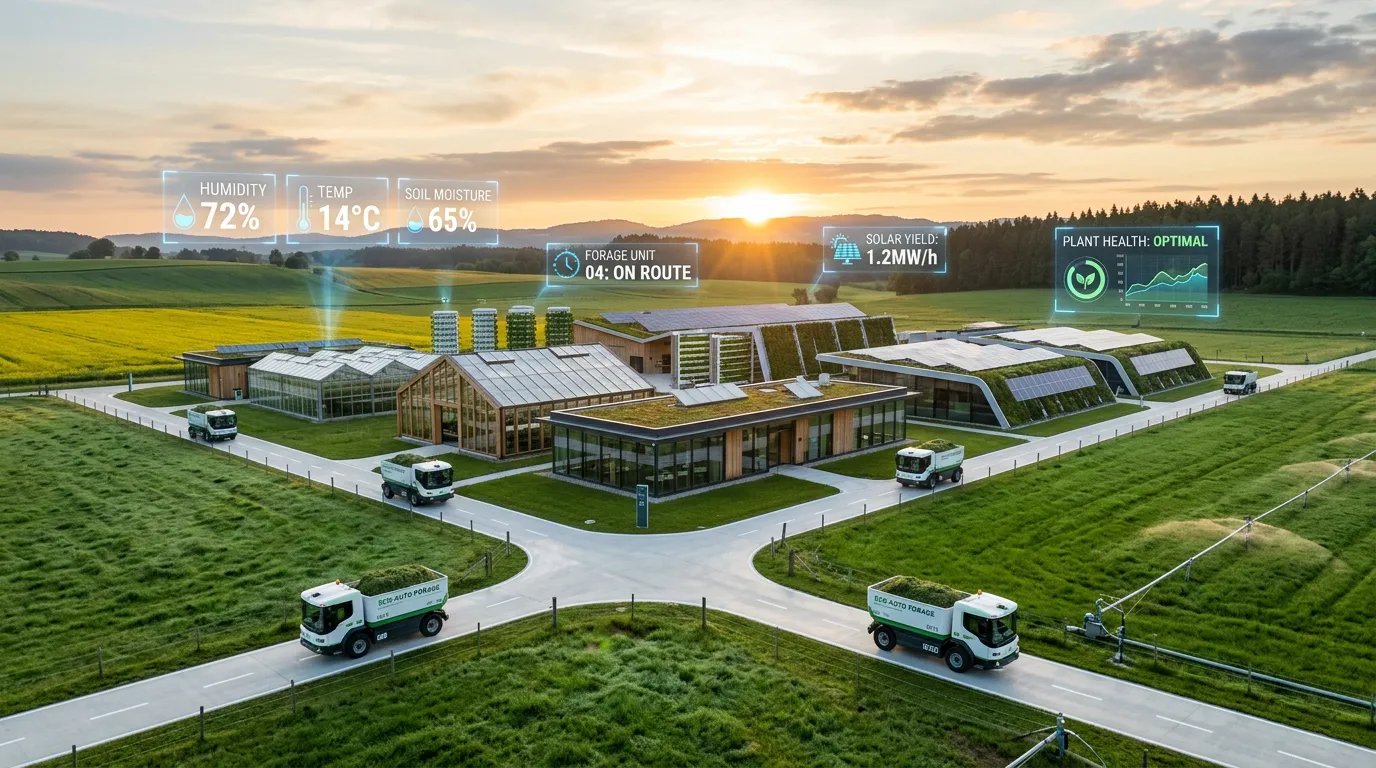
One of the Moscow Region's major dairy producers, the Koalko Group, has launched a new project in the Domodedovo urban district. Its subsidiary, Plemzavod Povadino JSC, has opened a 30,000-square-meter dairy complex featuring two dairy barns, a maternity unit, feed storage facilities and other supporting infrastructure. Total investment amounted to approximately 900 million rubles (about $11.5 million) based on the current exchange rate.
The centerpiece of the new dairy operation is its digital monitoring and management infrastructure, combined with the highest practical level of process automation.
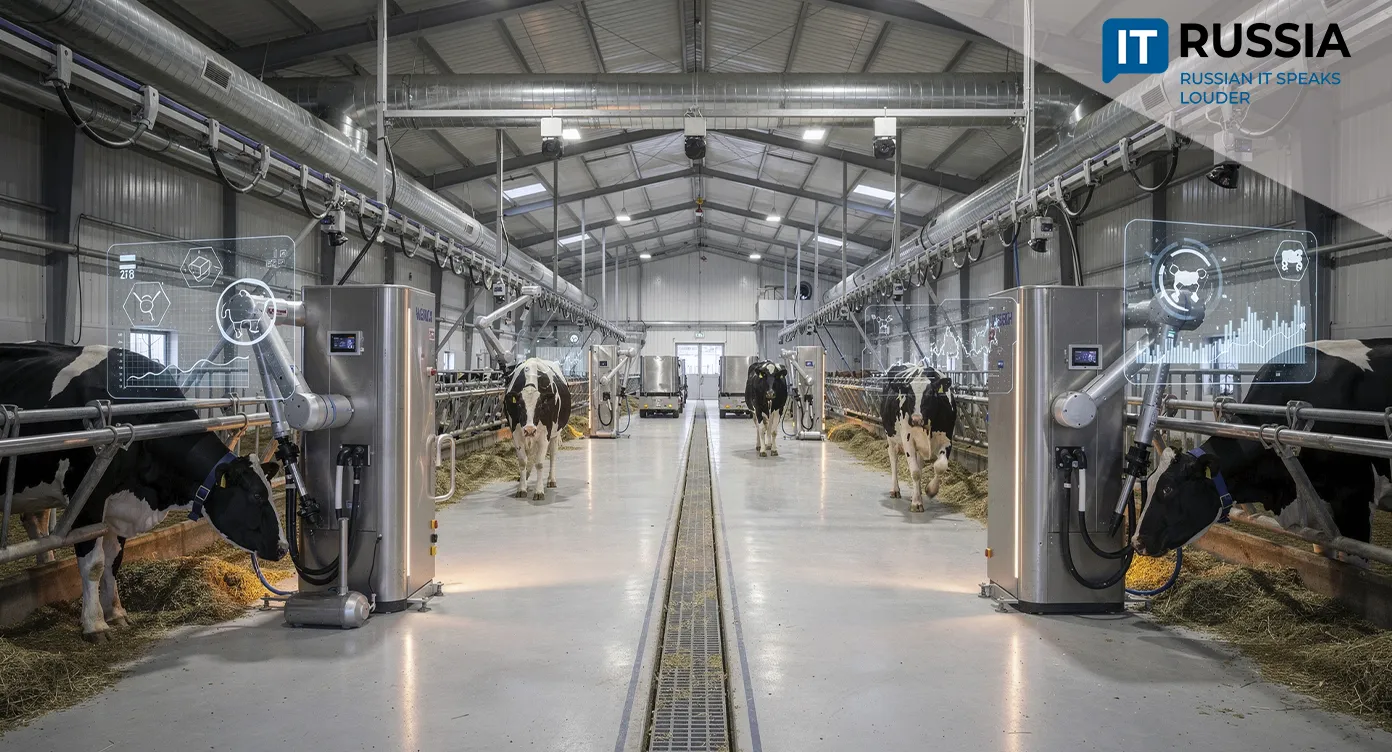
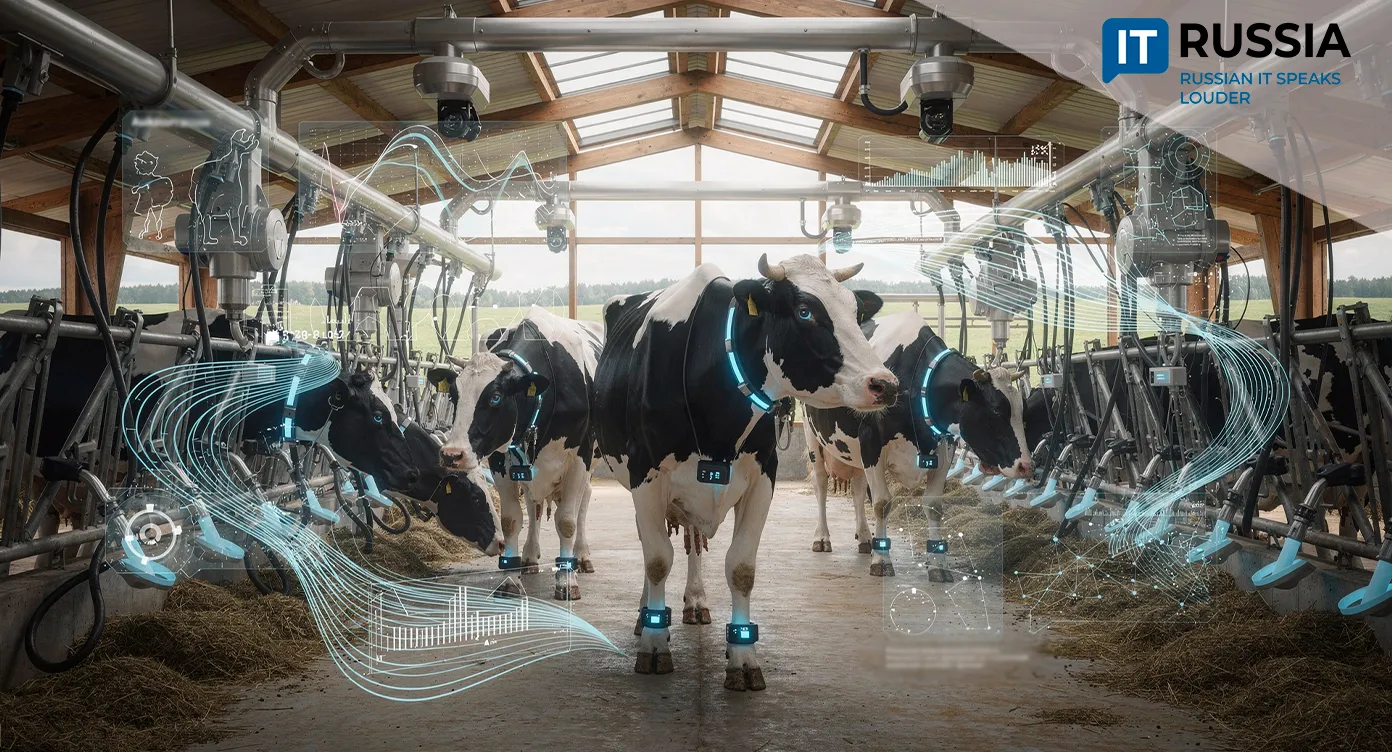
One of the complex's defining features is its free-stall housing system. It is designed to improve animal comfort. This, in turn, increases milk yields. Every cow wears a collar that continuously transmits data about its location and condition. AI-powered systems monitor herd health by collecting information on feed intake, movement patterns and readiness for milking. The platform also identifies when an animal is ready for insemination or requires veterinary care. AI aggregates and analyzes all physiological parameters while overseeing the milking process. As a result, the company will be able to produce 14,000 metric tons of milk annually. The complex also features a bioreactor waste-processing line that converts manure into environmentally friendly bedding, which is immediately reused on the farm.
11 Projects Worth 65 Billion Rubles
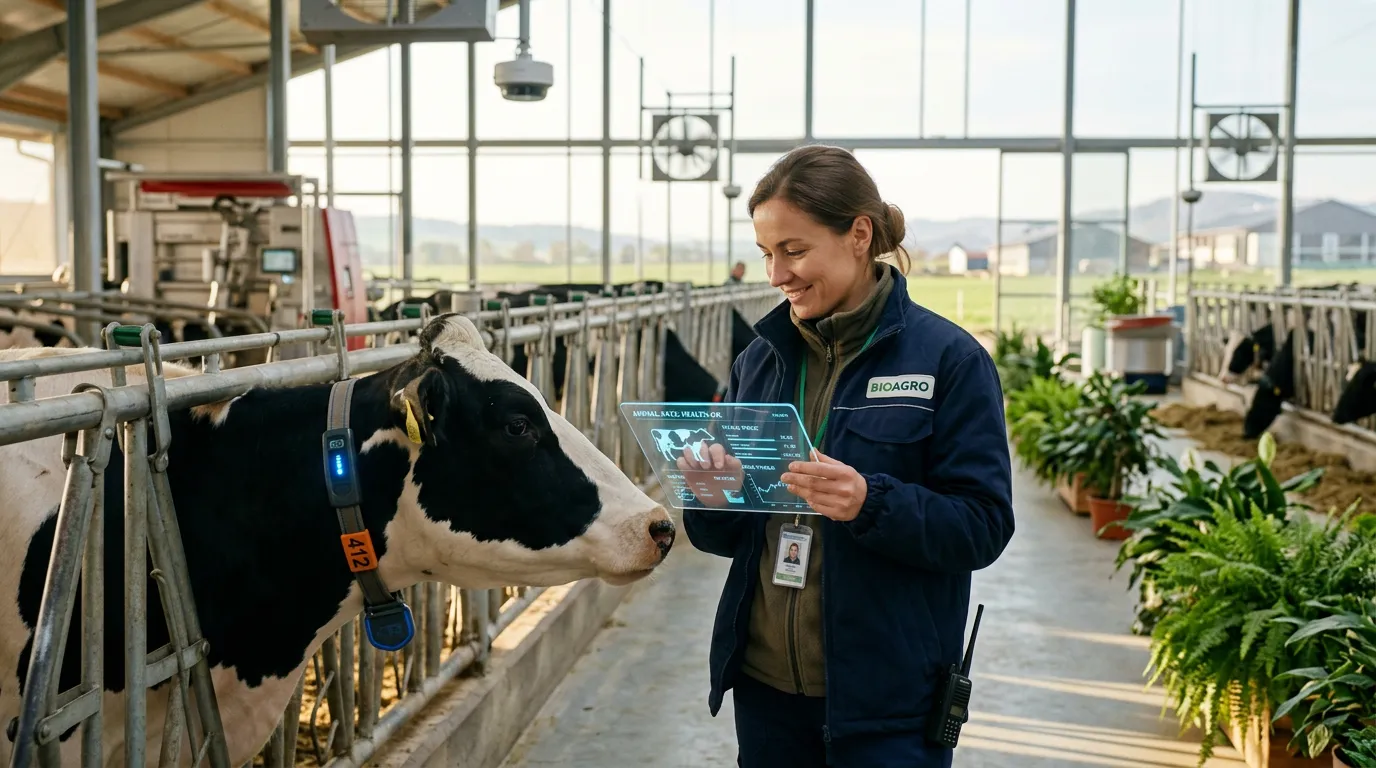
According to experts, robotic milking systems increase dairy cow productivity by approximately 10%, even when existing feeding practices remain unchanged. The improvement comes from allowing cows to be milked whenever they are physiologically ready. Because they no longer spend time waiting in holding areas, animals experience less stress and, as a result, produce more milk.
The digital transformation of dairy farming has become a systematic process across the Moscow Region. The region is currently implementing 11 investment projects with a combined value of 65 billion rubles (approximately $830 million) to build new automated dairy complexes. As a result, demand is rising for advanced digital technologies across livestock production in general and dairy farming in particular. Solutions based on the Industrial Internet of Things, computer vision, analytics platforms, cattle health sensors, herd management systems and predictive animal health monitoring are all becoming increasingly important. IT is evolving into an integral component of Russian agriculture, providing developers with a stable stream of implementation and support projects. In practice, opportunities to further refine these technologies are virtually unlimited.
In effect, Russian developers have gained both a stable, expanding domestic market and a real-world testing ground for specialized software and hardware.
The Industry's Digital Future
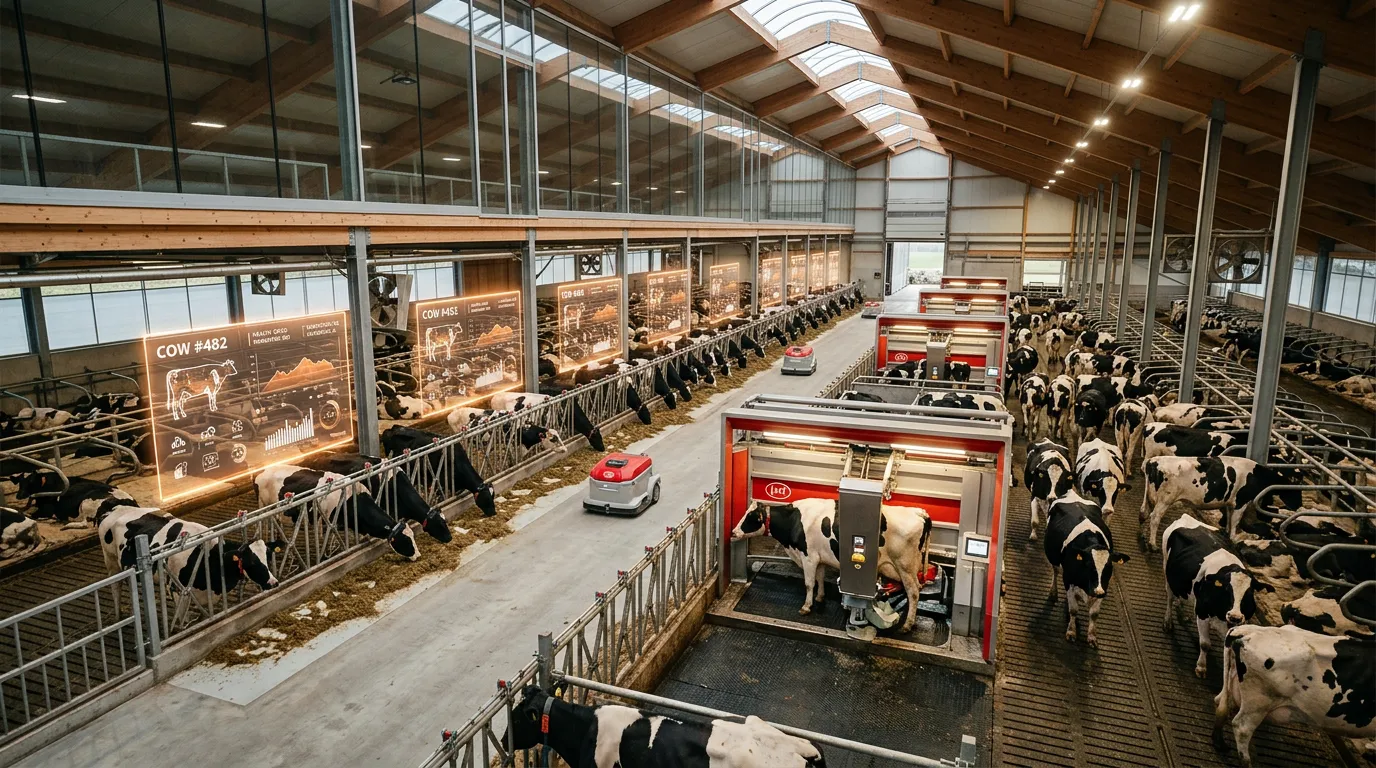
An equally important aspect is the continuous accumulation of operational data as farms run their daily activities. These datasets will later be used to train neural networks, predict diseases before external symptoms appear, generate individualized feeding programs for each animal and analyze milk yields. Once integrated with farm management systems, they will also enable automated performance evaluation and economic forecasting. Together, these capabilities form the foundation of the "smart livestock farming" platforms that are gradually taking shape across Russia.
Higher milk production and lower livestock operating costs help keep consumer prices stable. At the same time, they support growing exports of Russian dairy products, demand for which continues to increase, particularly in China and across the Global South.
With the world's population continuing to grow, the efficiency of smart farms will need to improve continuously. Russian digital platforms for dairy farm management are already attracting interest from countries seeking to expand their own dairy production.