Rosgidromet Plans to Expand Its Satellite Constellation
Russia’s federal weather service plans to increase its orbital satellite fleet to as many as 27 spacecraft.
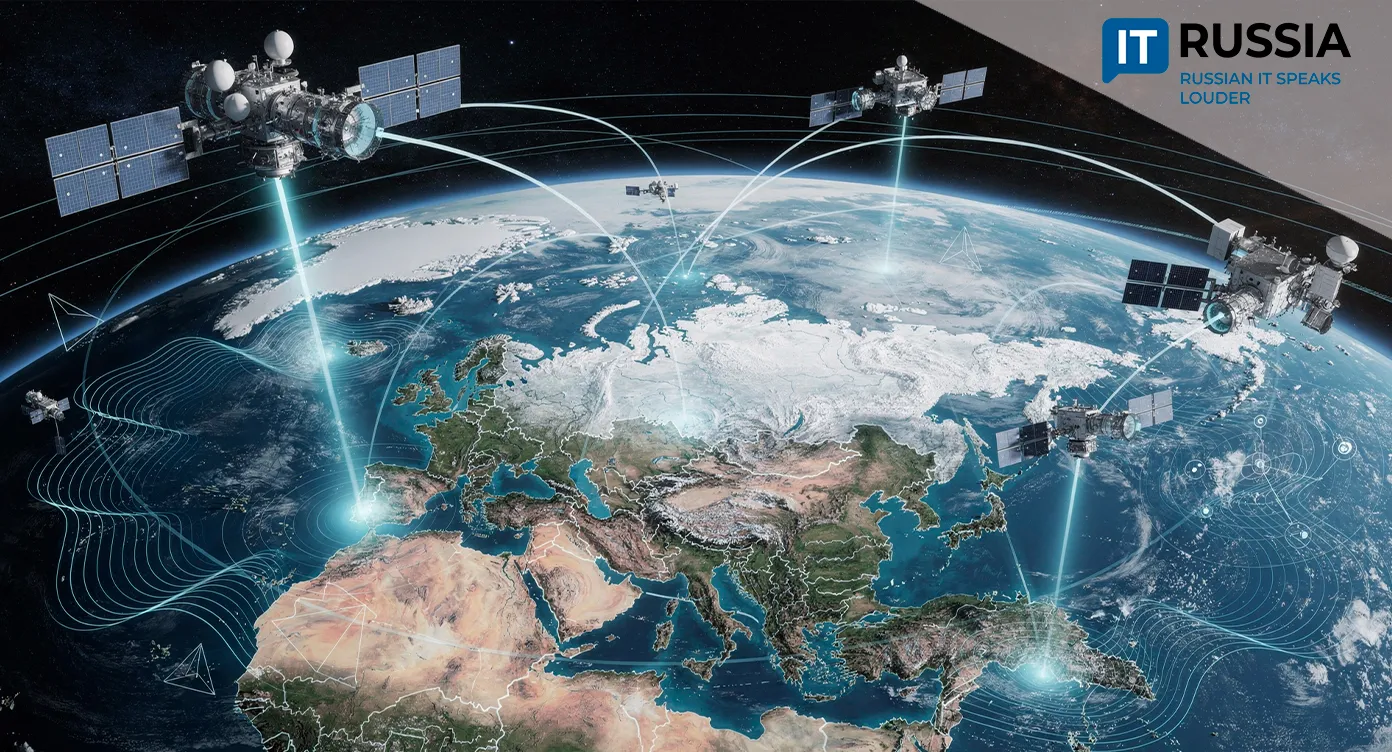
Russia is currently developing several satellite constellations designed to handle different operational tasks. The broader effort is aimed at securing the country’s full technological independence in space-based data infrastructure.
As part of that strategy, Russia’s federal hydrometeorological service, Rosgidromet, is also planning to increase the number of satellites under its control. At present, the agency operates 22 near-Earth spacecraft, but that number is expected to rise to between 25 and 27 in the near future, according to Rosgidromet head Igor Shumakov.
Shumakov said Russia has not purchased hydrometeorological data from foreign suppliers for several years. Information from international partners is used only in a limited capacity, with the agency relying exclusively on publicly available sources. He also noted that Russia currently operates the world’s second-largest weather satellite constellation. Only Europe has more active weather-monitoring satellites, with 27 spacecraft in operation. Expanding the Russian fleet would allow domestic specialists to fully meet the country’s own information requirements.
Meanwhile, officials stress that the policy is intentionally aimed at reducing dependence on data from unfriendly countries. Cooperation with allied partners will continue. In particular, collaboration with Belarusian counterparts is expected to expand further.
Allies Support the Programme
“Our Belarusian colleagues are providing very active support in this work. The main contribution comes from highly qualified specialists, primarily in information technology and hydrometeorology, whose expertise is fully comparable to our own,” Igor Shumakov said. “Under current conditions, Belarus represents our westernmost operational outpost, and without it we cannot produce accurate weather forecasts for Russia. We actively share information from our space-based systems with Belarusian colleagues, while they provide us with data covering their own territory.”
The planned expansion of the weather satellite constellation offers several operational advantages. Additional spacecraft will improve territorial coverage, making weather forecasting more accurate and helping authorities respond more effectively to developing emergency situations.
A Tool for Arctic Development
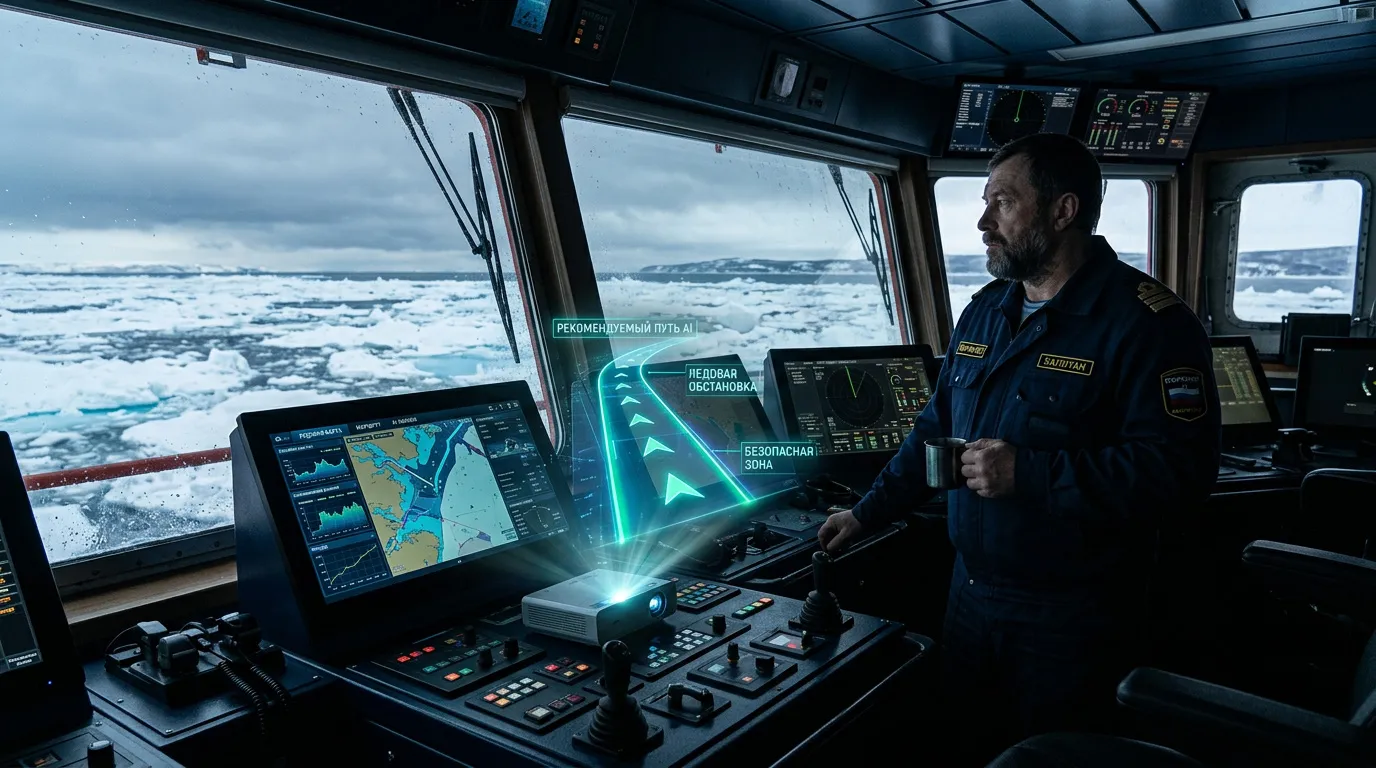
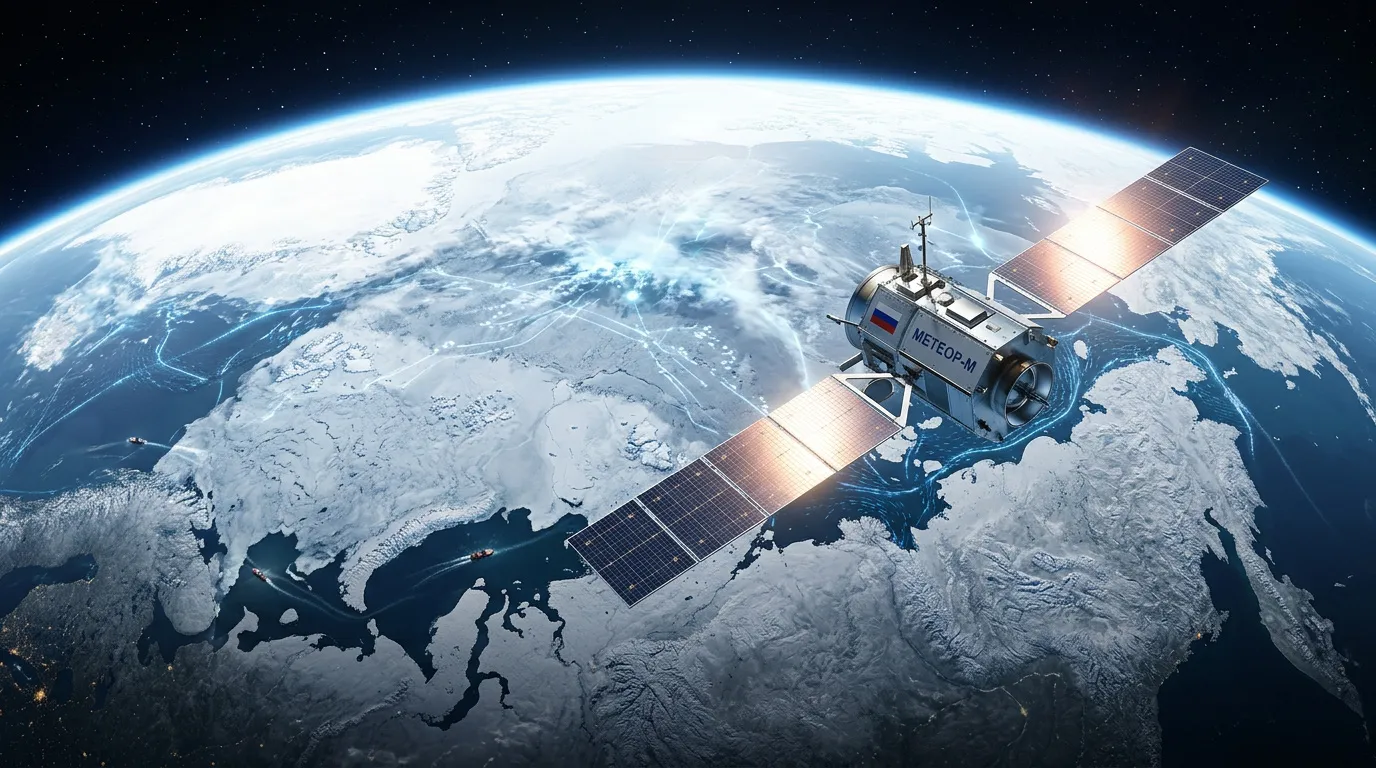
Rosgidromet’s satellite constellation plays a particularly important role in Arctic development and operations along the Northern Sea Route. The data collected by the system helps operators plan more efficient maritime routes for vessels navigating Arctic waters.
Among the new systems developed for the first time in the history of Russia’s space industry, Shumakov highlighted four Elektro satellites deployed into geostationary orbit. The system is also supported by two Arktika satellites operating in highly elliptical orbit. Those spacecraft monitor atmospheric processes in real time. They were launched in 2021 and 2023, allowing Rosgidromet to collect additional data unavailable from geostationary satellites alone.
The February 2024 launch of the Meteor-M No. 2-4 spacecraft also remains significant. The satellite became the sixth polar-orbiting spacecraft within the Meteor-3M system and was equipped with all-weather sea-surface monitoring technology, including systems designed to track ice conditions along the Northern Sea Route and Russia’s inland seas.
Artificial Intelligence Integration
Another important direction for Rosgidromet involves applying artificial intelligence technologies to satellite data analysis. Advanced AI-based systems help process incoming information more efficiently for operational forecasting needs. According to the agency, the resulting analytical models account for multiple variables and deliver accuracy levels comparable to, and in many cases exceeding, traditional forecasting methods.
Expanding the satellite constellation will give Rosgidromet additional capabilities for producing more precise forecasts. Moreover, broader global coverage will provide access to new datasets that Russia can independently share with partner countries. In that sense, the programme could also strengthen Russia’s international standing in the field of meteorological services and satellite monitoring.