Russia Develops Model That Predicts Plastic Behavior
A new Russian mathematical model predicts plastic deformation inside casting molds with 97% accuracy, reducing defects in aerospace and medical manufacturing
Researchers Achieve Breakthrough in Plastic Behavior Modeling
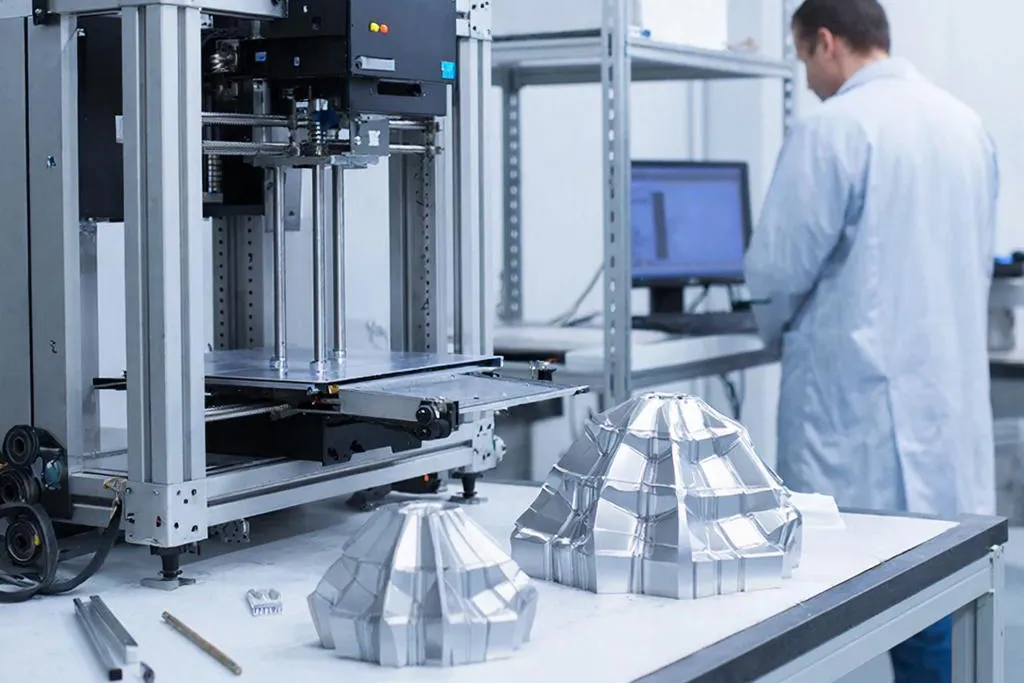
Scientists at Perm National Research Polytechnic University have developed a computer model that accurately predicts how specialized photopolymer plastic behaves inside ceramic casting molds. The solution could significantly reduce manufacturing defects in complex metal components such as turbine blades and surgical implants.
Understanding Elasticity and Flow Under Heat
Traditional simulation tools have struggled to account for changes in elasticity and flow in photopolymer materials as they heat up. Russian researchers created the first model that captures these critical parameters.
This data enables precise control over furnace settings, particularly during temperature ranges where rigid material expands most aggressively and risks damaging fragile ceramic molds.
Toward Defect‑Free Casting
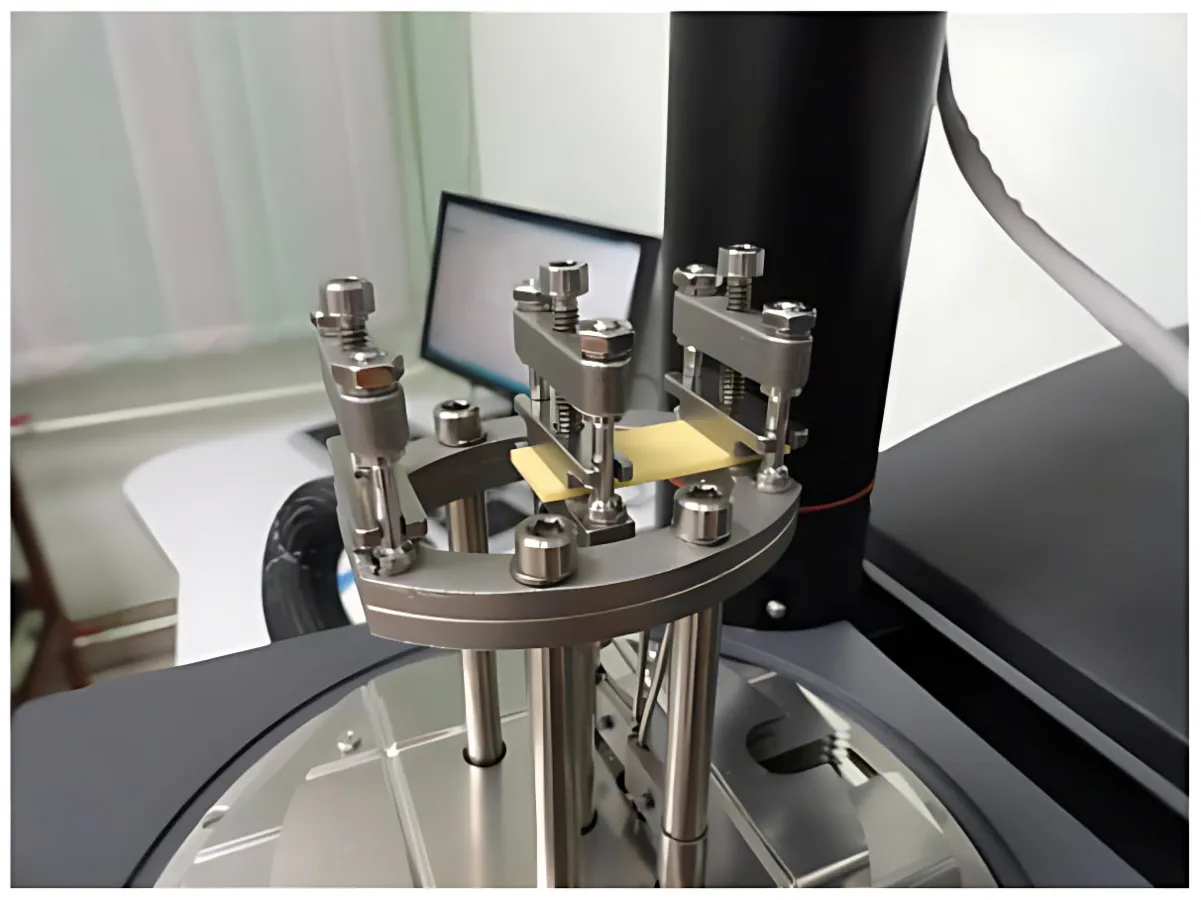
Parallel to this, researchers measured thermal expansion using a dilatometer.
The resulting software allows engineers to upload a 3D model and run virtual tests, pinpointing areas where ceramic molds may crack. The model has already shown 97% accuracy when tested on turbine blade mold designs.
This innovation not only strengthens Russia’s technological independence in additive manufacturing but also offers global industry a powerful tool for defect‑free casting.