Russia Pioneers 3D-Printed Tungsten Components for Fusion Reactors
Russian scientists have built the world’s first system capable of 3D-printing tungsten components for fusion reactors, pushing the boundaries of additive manufacturing and strengthening the country’s position in next-gen nuclear technology
A Printer Built for the Hottest Places in the Universe
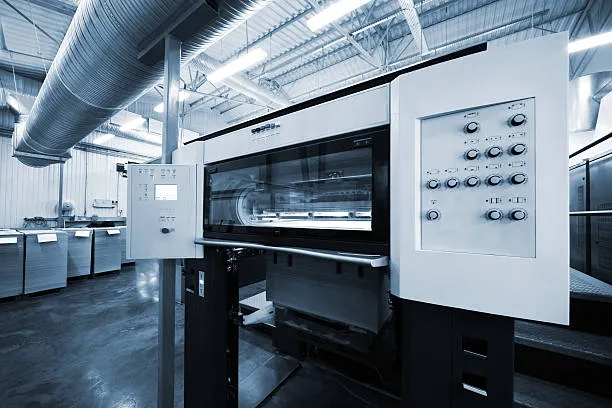
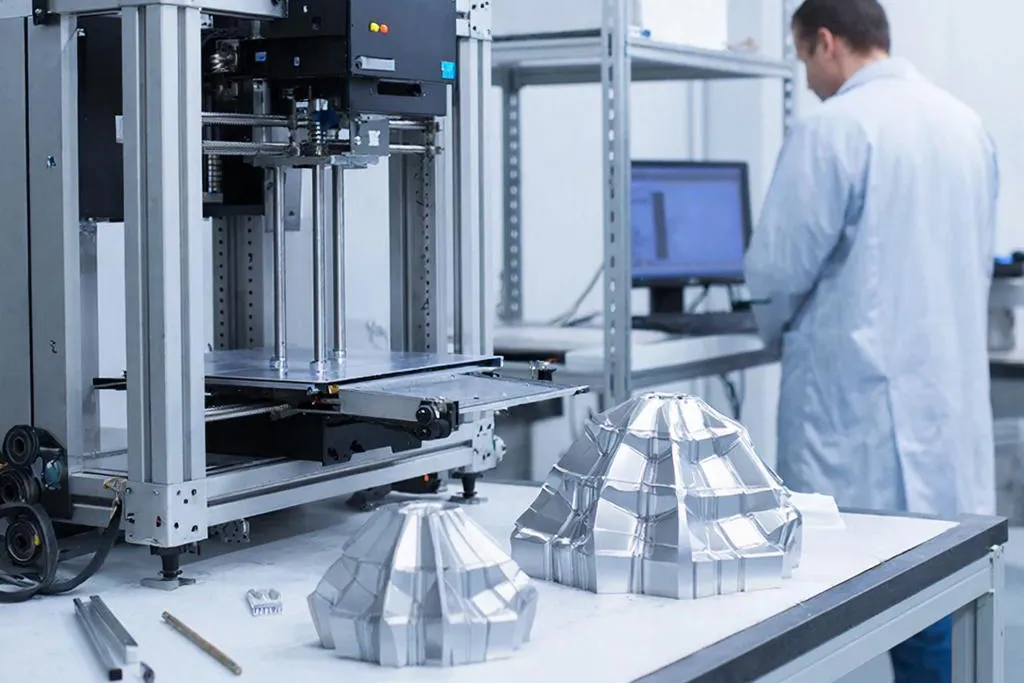
Russia has taken a major leap toward the future of clean energy. Researchers from the National University of Science and Technology MISIS and Rosatom’s enterprise “Luch” have developed a specialized 3D-printing system capable of manufacturing critical components for fusion reactors using tungsten — one of the hardest and highest-melting materials on Earth.
Sergey Salikhov, First Vice Rector of MISIS, explained that the team created a unique printer engineered to work with ultra-refractory metal powders, including tungsten. The goal is ambitious: to produce the so-called first wall of a fusion reactor — the component that directly faces the plasma and must withstand extreme heat flux and colossal mechanical loads.
Why Tungsten Matters for the Future of Energy
Tungsten has always been considered ideal for fusion engineering thanks to its melting point of 3,422°C and its ability to withstand massive radiation. But it is notoriously difficult to machine or process. Traditional manufacturing methods are slow, costly, and often fail to produce geometrically complex or defect-free parts.
The Russian breakthrough changes that
By developing a printer that not only handles tungsten powders but also provides fine control over the mechanical properties of the printed layers, MISIS and Rosatom effectively unlocked a new industrial capability.
A Strategic Breakthrough With Global Impact
Fusion energy is often called the “Holy Grail” of power generation — a nearly limitless, clean energy source capable of reshaping global energy systems. Building robust, maintainable, and efficient reactor components is one of the biggest engineering challenges on the path to achieving commercial fusion.
Russia’s 3D-printing technology offers significant advantages, including more durable reactor designs, accelerated prototyping, and reduced costs.