Russian Scientists Develop AI‑Powered Systems for Next‑Generation Pilots
New AI technologies can detect runway markings and obstacles, monitor pilot condition, and support flight operations even in cockpits without forward windows
AI Systems Shaping the Future of Aviation
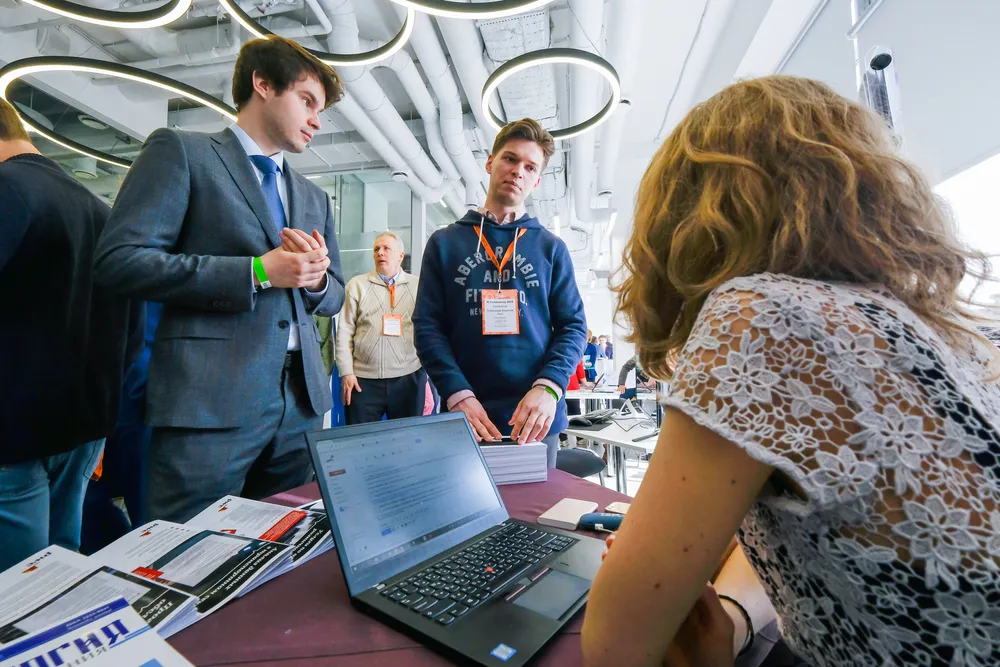
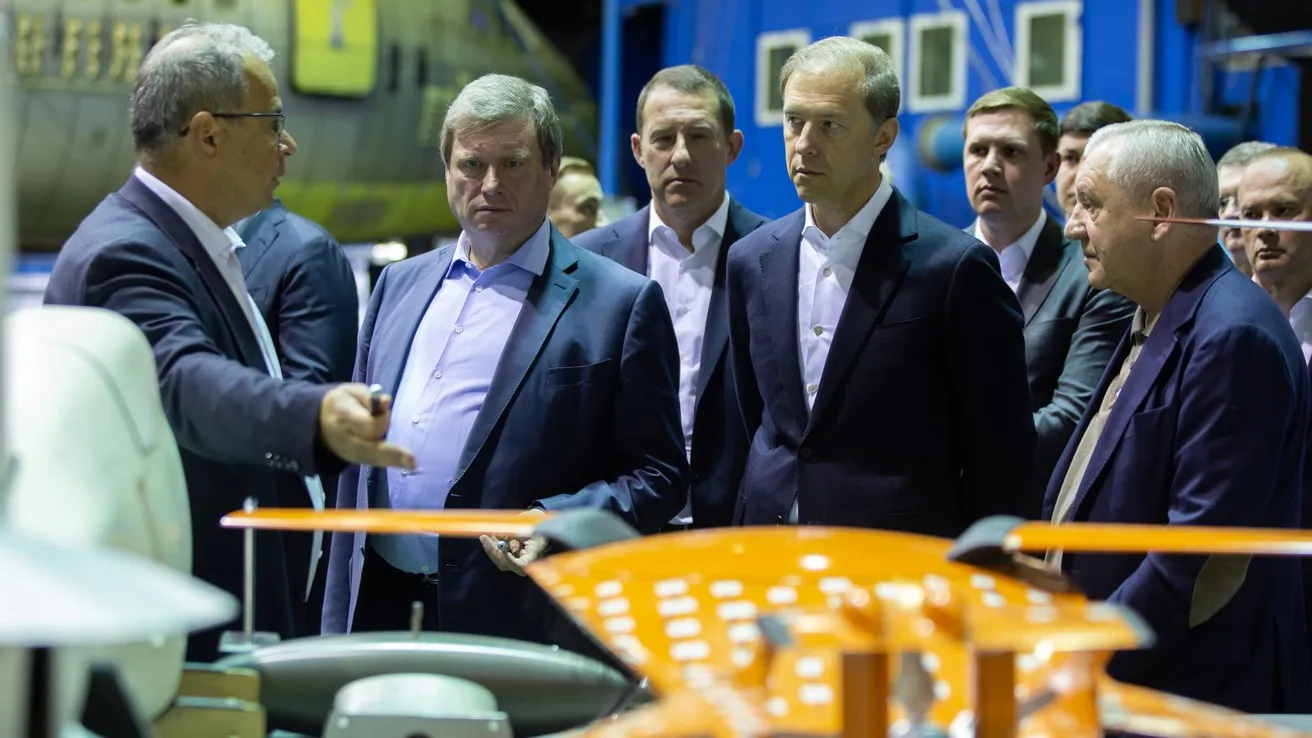
At the Zhukovsky Institute Research Center, which specializes in the development of advanced aviation technologies, scientists presented several new AI‑based systems to Russia’s Minister of Industry, Denis Manturov, during his working visit. The presentation was reported by the Russian government.
Researchers demonstrated an innovative AI‑driven system capable of detecting runway markings and identifying potential obstacles. Another set of smart tools monitors a pilot’s psychophysiological condition to enhance safety during flights.
Cockpit Without a Windshield: Flight Control of the Future
A third development enables pilots to operate an aircraft in a cockpit without a forward windshield by generating a digital information‑and‑control environment. This technology allows crews to maintain situational awareness even in unconventional cockpit designs.
Scientists also showcased a prototype decision‑support system designed for both ground operations and in‑air navigation, taking into account surrounding air traffic to improve flight safety and operational precision.
Strengthening Russia’s Aviation Capabilities
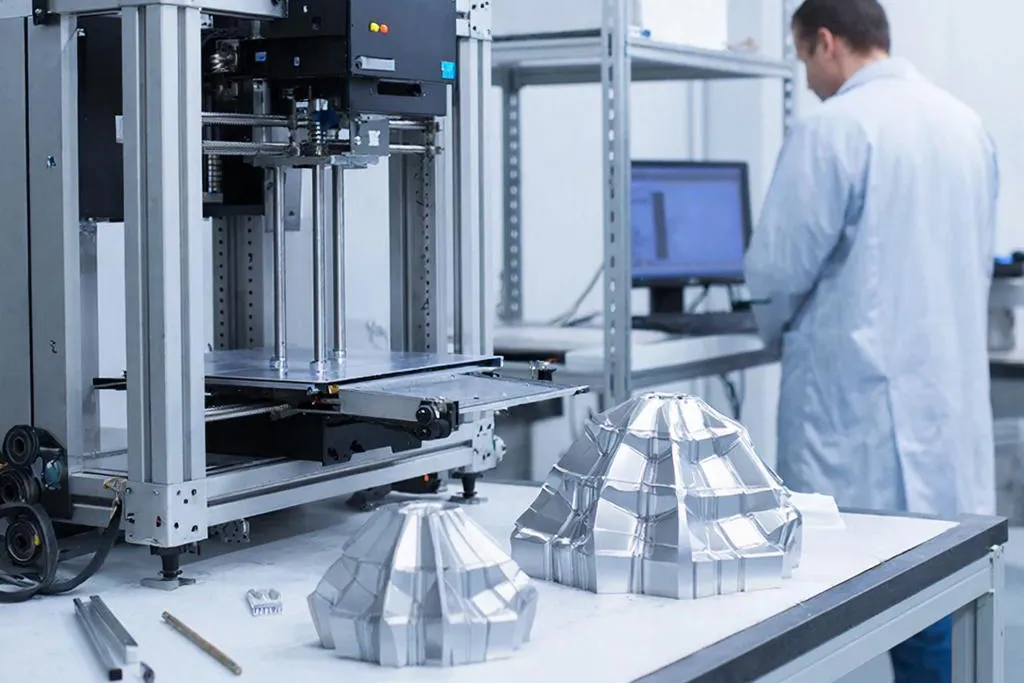
During the visit, Manturov was also shown models of next‑generation cargo and passenger aircraft currently under development. These advanced, highly technological airframes represent the next step in Russia’s aviation industry, supported by a strong scientific foundation.
Together, these innovations highlight Russia’s commitment to advancing aerospace engineering and integrating AI into critical flight systems.