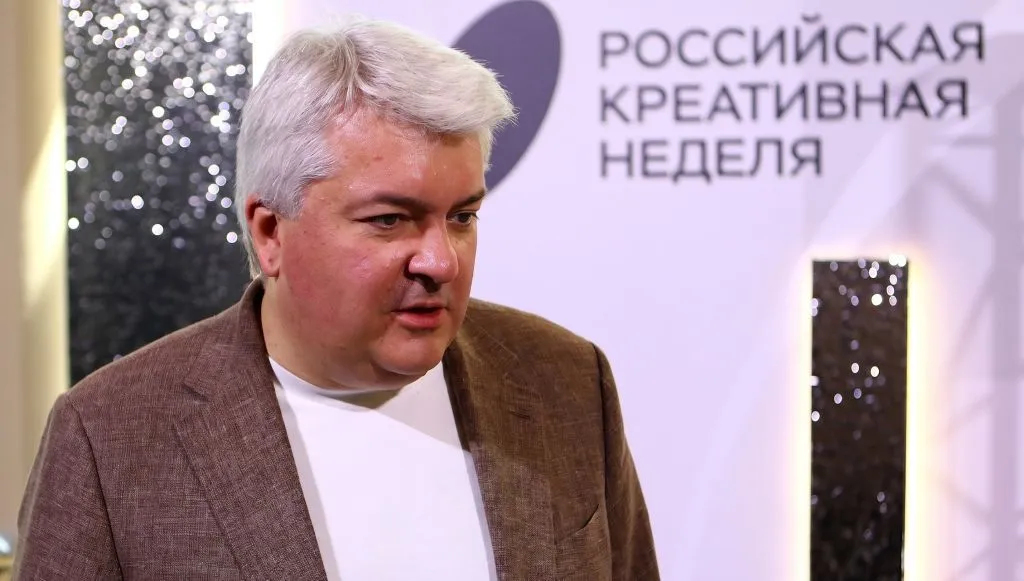
Sergey Novikov: Russia's Digital Creative Products Can Compete on the Global Stage
The government is creating the conditions needed for regional creative clusters to emerge across Russia. The products developed within these ecosystems are already finding demand in international markets.
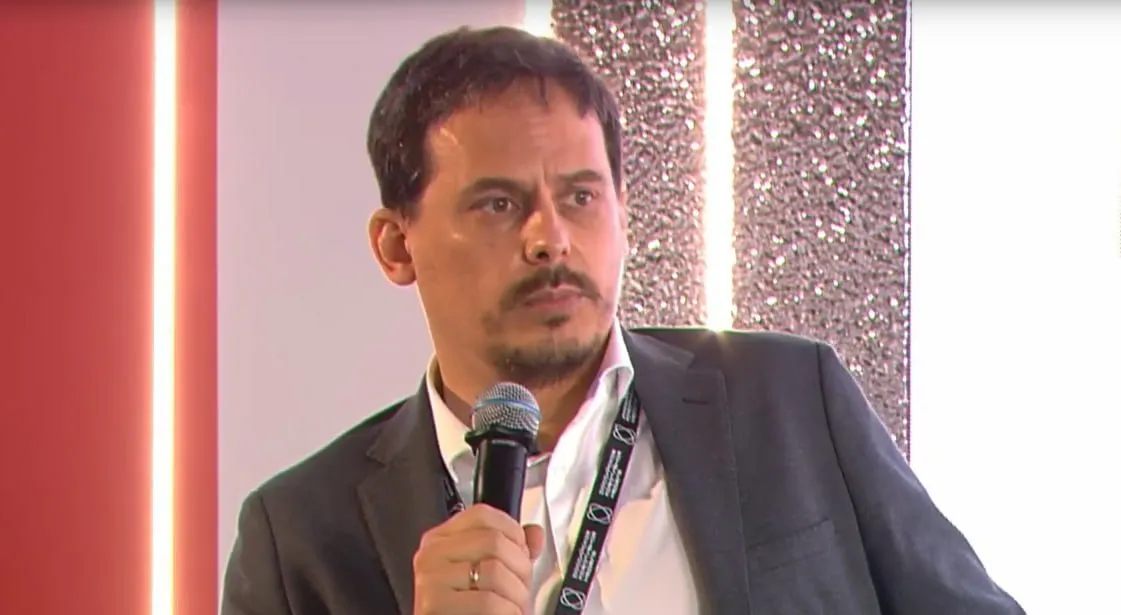
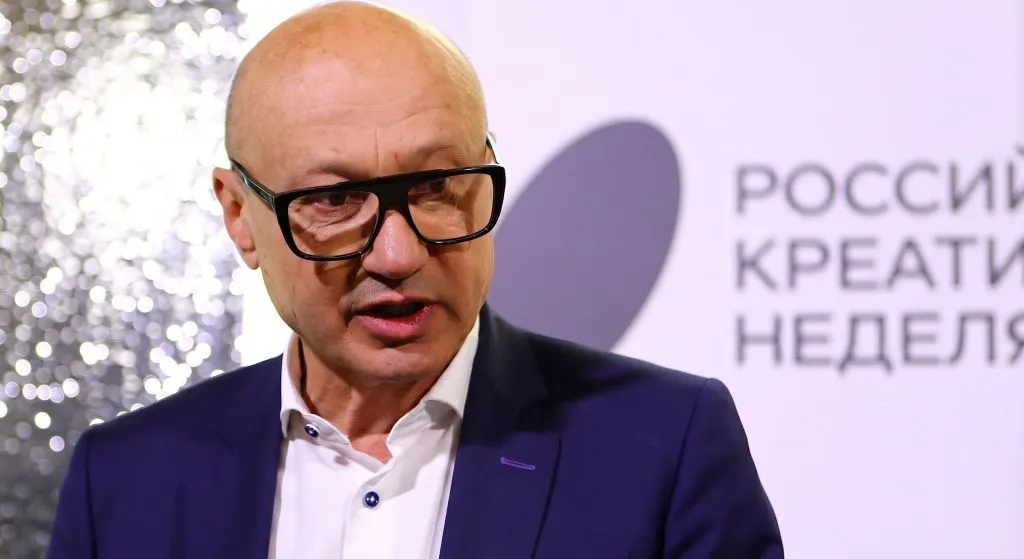
Speaking during the seventh annual Rossiyskaya Kreativnaya Nedelya (Russian Creative Week) federal festival and forum at Moscow's Gorky Park, Sergey Novikov, Head of the Presidential Directorate for Public Projects of the Russian Federation, explained how young people are creating new creative products and how Russia is positioning itself as an architect of a new society shaped by digital technologies.
– Creative people shape the ideas and narratives that define society. If we do not create those narratives ourselves, we inevitably become consumers of narratives created by someone else for their own purposes. We want the younger generation of Russians to grow up creating their own ideas rather than consuming those produced elsewhere. If the state creates the conditions that make this possible, everyone benefits because we can already see that Russia's talented creative products are competitive on the global market.
Young people see this as a novel pathway for upward mobility, a new way to realize their talents, and, more broadly, to achieve personal fulfillment. In practice, that also helps reduce social anxiety. More importantly, it positions Russia not as a country promoting an alternative line of information messaging, but as an architect of a new, more connected global society built around ideas and values that resonate across many countries.
Today, some regions are already competing in the scale and ambition of their creative clusters. We have clear leaders, while other regions are building their creative sectors almost from scratch at the regional level. That is exactly why Russian Creative Week exists: to showcase the best practices. If a governor or a regional leadership team wants to understand how to unlock their own creative potential, they only need to come here, speak with those who have already succeeded, learn from their experience, and apply those ideas back home. They may even contribute something entirely new in the process, helping raise Russia's creative industries to an even higher level. That is the purpose of this forum.
Public support is equally important for every project. If society does not support an initiative, it is unlikely to succeed. According to the Russian Public Opinion Research Center (VCIOM), 60% of Russians support the development of the creative industries. I believe that is only the beginning. As more people recognize that many of the products they encounter every day are, in fact, creative products, public support will continue to grow.