VTB to Provide Infrastructure for Digital Ruble Payments at the Checkout
VTB has launched pilot acceptance of digital ruble payments through its payment terminals. For now, the experiment covers only selected retail locations, but by September this year the feature will be available to all businesses using the bank’s POS terminals.

The broad rollout of the service is synchronized with the nationwide launch of the digital ruble in Russia. The country’s largest banks and retail businesses are actively preparing for the transition. VTB’s initiative marks the beginning of practical integration of the digital ruble into the existing retail payments infrastructure.
No Equipment Replacement Required
Retail businesses will not need to invest in additional hardware to begin accepting digital rubles. At least for merchants already using VTB POS terminals for cashless payments, all devices are scheduled to receive the required functionality by September 2026.
To join the system, a merchant only needs to open a digital ruble account and activate acceptance through a universal payment code. A unified QR code for payments will be rolled out on a large scale alongside the digital ruble. Operating through the Sistema bystrykh platezhey (Faster Payments System, SBP), it is designed to create a single payment environment that is convenient for both merchants and consumers.
“The universal QR code eliminates fragmentation. <…> It also improves convenience for consumers: you can scan the code with any application. That creates competition among banks based not on ecosystems, but on service quality,” Nikolay Kozak, Deputy Chairman of the Management Board at Dom.RF Bank, told RBC.

Expected Impact
For businesses, the advantages of using digital rubles include instant settlement of funds, since payments do not remain temporarily on the accounts of intermediary banks, and a reduction in cash-flow gaps. Through the end of 2026, companies will also save on transaction fees because digital ruble operations will not be subject to charges during that period. Those savings can be directed toward business growth, customer acquisition, and stronger customer loyalty programs.
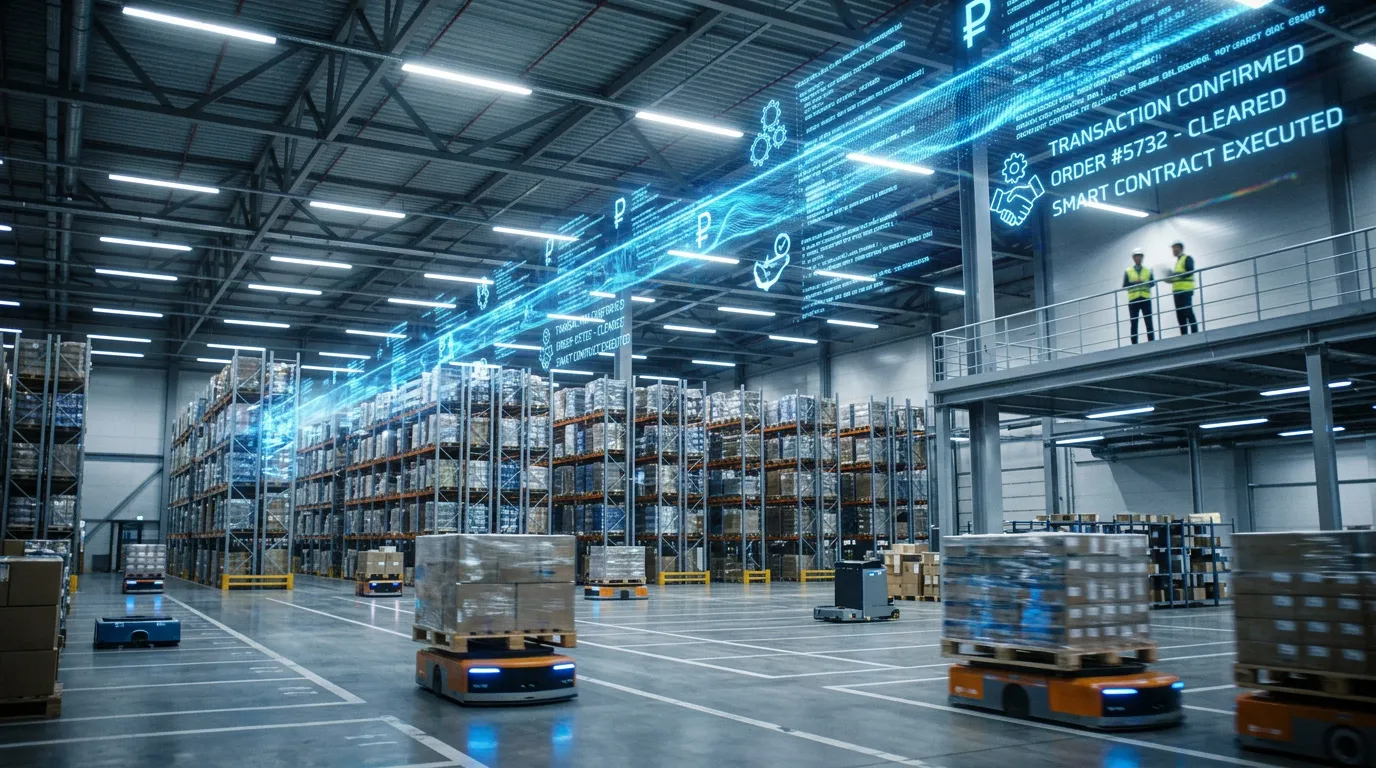
The IT sector will play a central role in building the infrastructure required for digital-ruble payments and settlements. Key components include cash-register software and payment gateways. By taking responsibility for technical integration with the Central Bank’s platform, where the digital ruble is issued and operated, VTB is making it easier for businesses to connect to the new payment ecosystem.
From Testing to Mass Adoption
The Bank of Russia began testing digital-ruble wallets, transfers, and payments for goods and services in 2023. The pilot program expanded in 2024 with additional transaction types, support for dynamic QR codes, and a larger number of participating individuals and businesses.
In 2025, the State Duma passed legislation establishing a phased nationwide rollout of the digital ruble. Beginning September 1, 2026, the country’s 22 largest financial institutions and the retail and service businesses they serve with annual revenue exceeding 120 million rubles (about $1.5 million) will be required to support digital-ruble transactions. Starting September 1, 2027, the requirement will extend to all universal banks and their clients with annual revenue above 30 million rubles (about $380,000). By autumn 2028, all remaining companies will be included.

Making the Transition Easier
The clearly defined schedule for phased market adoption through 2028 provides a predictable investment horizon for this area. While use of the digital ruble will remain entirely voluntary for individual citizens, it will become mandatory for businesses with annual revenue above 20 million rubles (about $250,000). Companies will need to adapt their accounting and payment processes. That is expected to drive demand for new fintech products, integration gateways, and cybersecurity solutions. Scalable IT platforms developed by major market participants such as VTB can significantly reduce the complexity and cost of the transition period.