Flash Drive No Longer Needed: Eidos Robototekhnika Unveils New Version of ErCode
Eidos Robototekhnika, a software developer for industrial equipment control, a manufacturer of its own line of robots and a systems integrator, has updated its ErCode software environment. The IT product is designed for working with industrial robots.
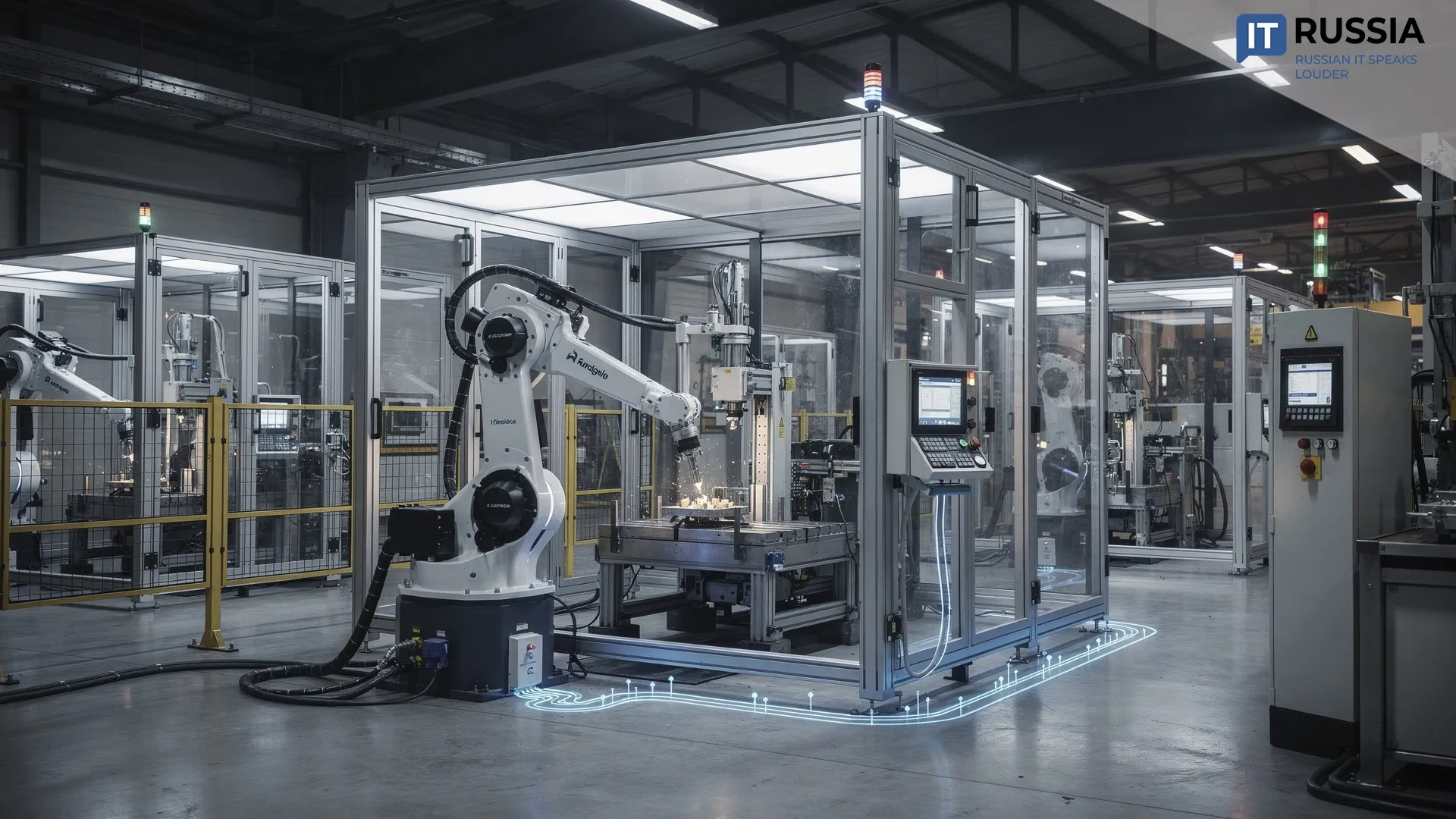
The new version of the software environment brings a major advantage: most equipment setup and maintenance operations can now be performed over a network connection, including work with programs, commands and configurations. Maintaining the equipment is now much easier, while the number of manual operations has been significantly reduced.
The Way Robots Are Controlled Has Changed
ErCode is an environment designed to make programming devices running on the RCS Core platform easier. It allows specialists to organize the operation of robots and other industrial equipment. ErCode can write robot control programs, configure motion points, input/output signals and equipment parameters. It can also be used to edit commands and work with global data and robot configurations.
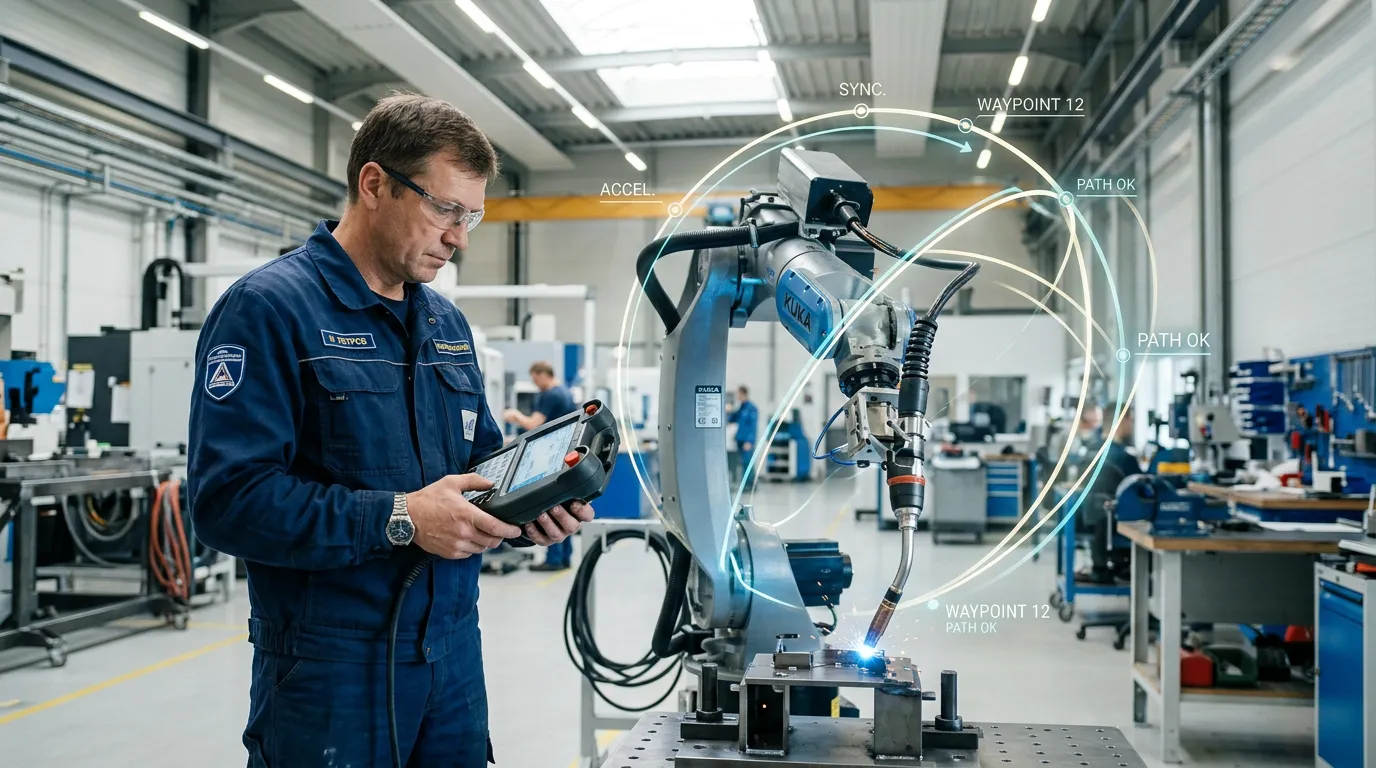
Following the software update, the way robots are serviced has changed as well: most equipment setup and maintenance operations can now be performed without transferring data from a flash drive or working through a physical HMI interface. Engineers can use a network connection instead, modifying and uploading robot programs when necessary.
The updated software environment can capture and analyze equipment operation records, or logs. Another advantage is that the developers have added a mechanism for checking programs for unauthorized changes.
Equipment Maintenance Is Now Easier
The key feature of the new version of ErCode is the ability to update and configure robots without using a flash drive. This has simplified equipment maintenance, reducing the number of manual operations required when working with a robotic system severalfold. According to representatives of Eidos Robototekhnika, the updated software environment has already been tested in the company’s active projects. The developer says the experiment was successful: the tool’s performance and usability for engineering and service tasks were confirmed.
The updated software environment is expected to see active use in industry, as its developer manufactures and supplies robots for machine loading, press-brake robots, cobots – sensor-equipped assistants with mechanical arms – and palletizers capable of stacking bags, boxes and products in warehouses. The company’s portfolio includes software and the necessary documentation, as well as more than 70 projects for companies in Russia, other CIS countries, the UAE and Japan.
Make Robots More Accessible to Businesses
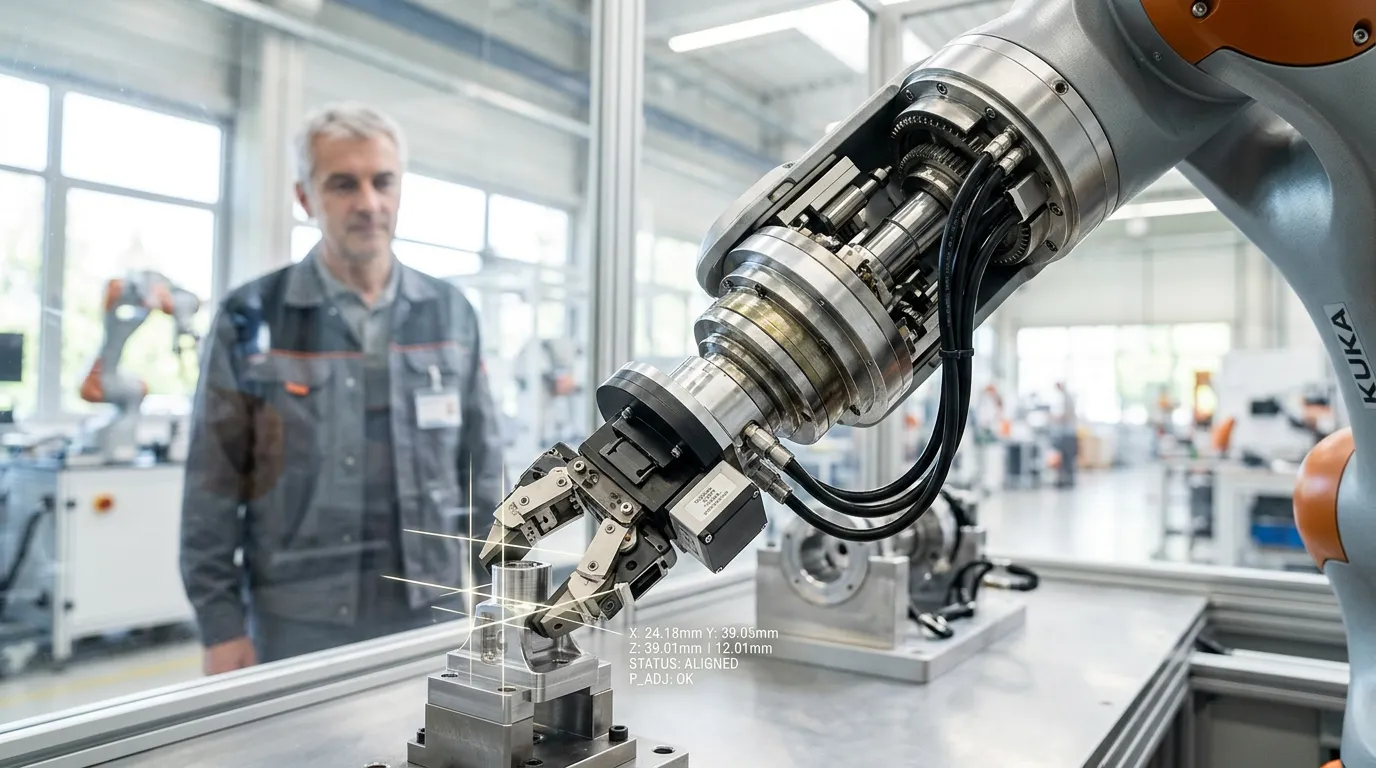
The update to ErCode for configuring and programming industrial robots points to an important trend: Russia’s robotics industry is actively developing its own platforms for controlling industrial equipment. Developers are now focusing on making robots easier to operate, reducing programming requirements and speeding up configuration. This is expected to give customer companies greater independence in managing their equipment.
If robots become easier to configure and operate, the qualification requirements for employees at industrial enterprises could also be lowered. Programming and maintenance would become accessible to engineers and process specialists without extensive robotics training.
Across Russia, this could accelerate the adoption of robots in mechanical engineering, component manufacturing, food processing and other sectors of the economy. In the longer term, higher productivity could follow, along with new jobs for employees who operate and configure robotic systems. Such software is likely to be particularly important in Russia’s domestic market, where adoption is being driven by the need to replace imported industrial software and build Russian technology stacks for automated production. Continued development of these digital solutions could eventually make Russian IT products more attractive both domestically and for potential export.