Industrial Networks Under Protection
Ruselectronics has improved the fault tolerance of network gateways used at critical infrastructure facilities.
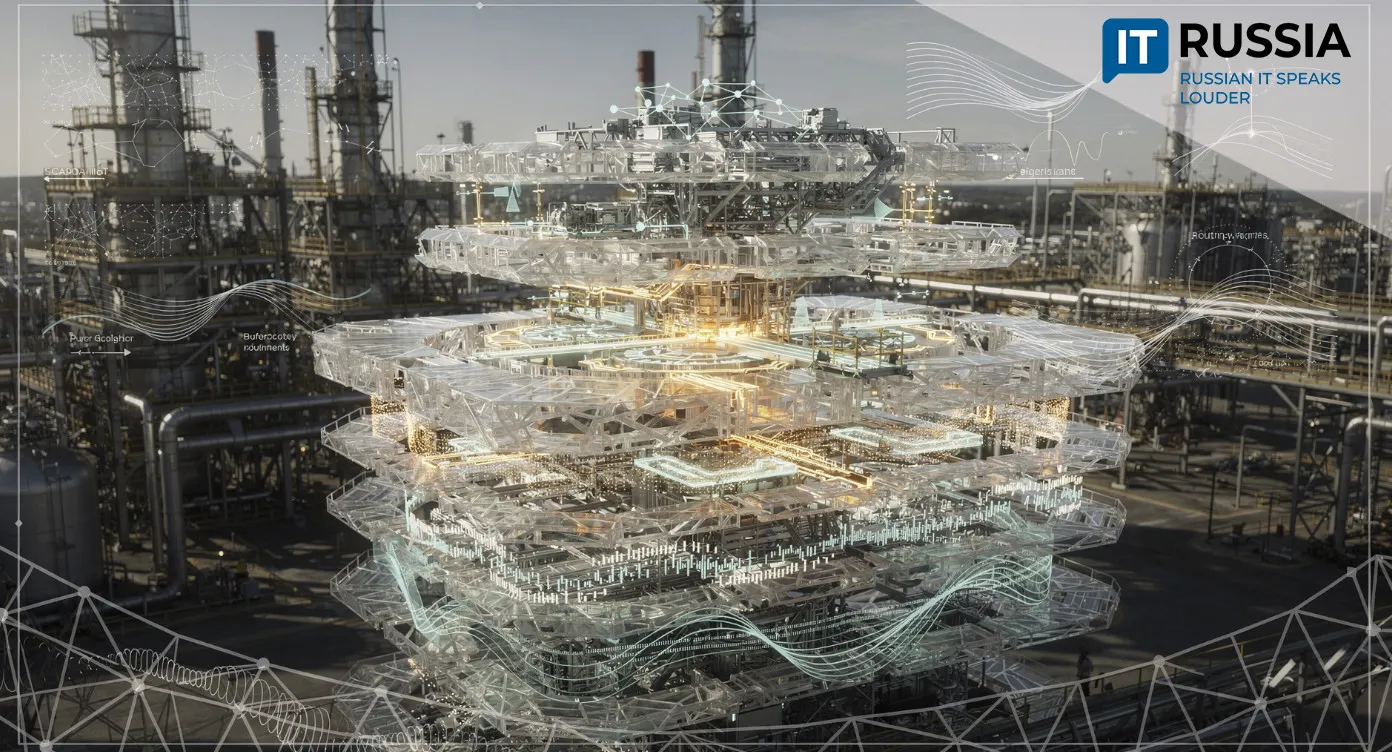
Ruselectronics, a holding company within the Rostec State Corporation, has released an update to the system software for its IG-RSE line of industrial protocol converters. The new version allows devices used in industrial control systems (ICS) to process large volumes of requests from SCADA systems continuously. These systems manage industrial facilities in real time, so the upgrade improves overall network reliability.
Industrial “Translators” for the Next Generation
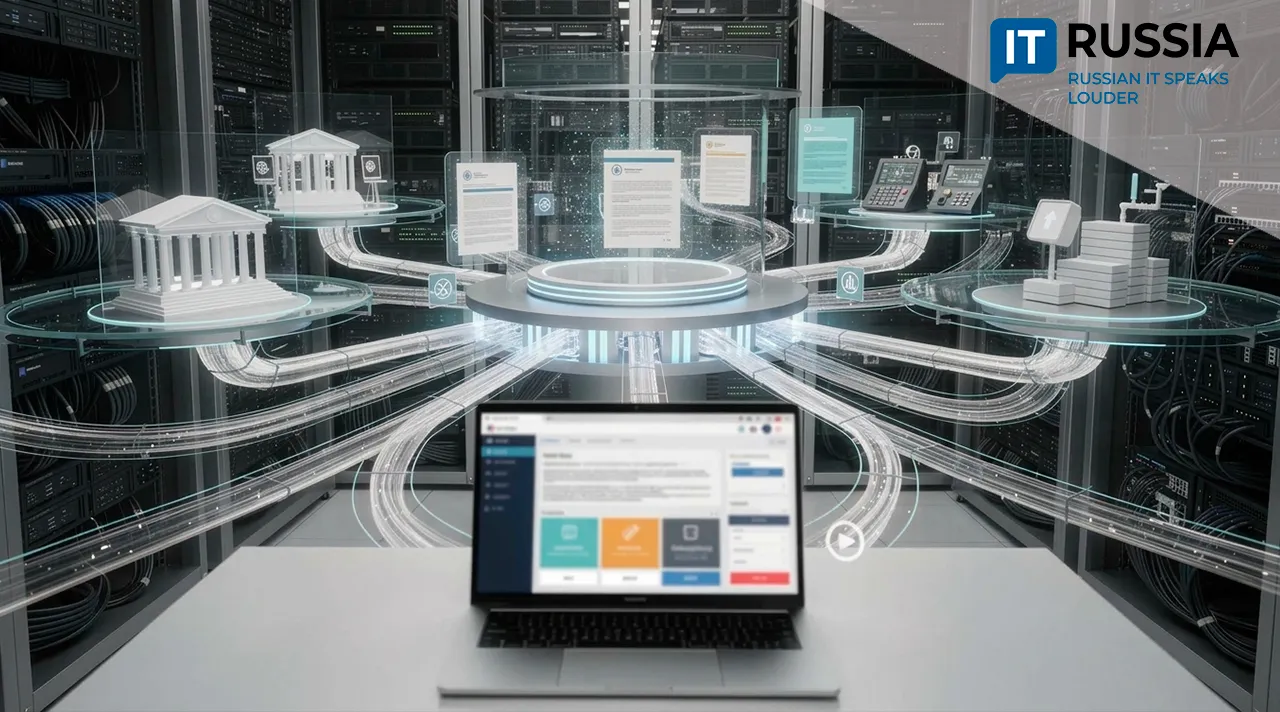
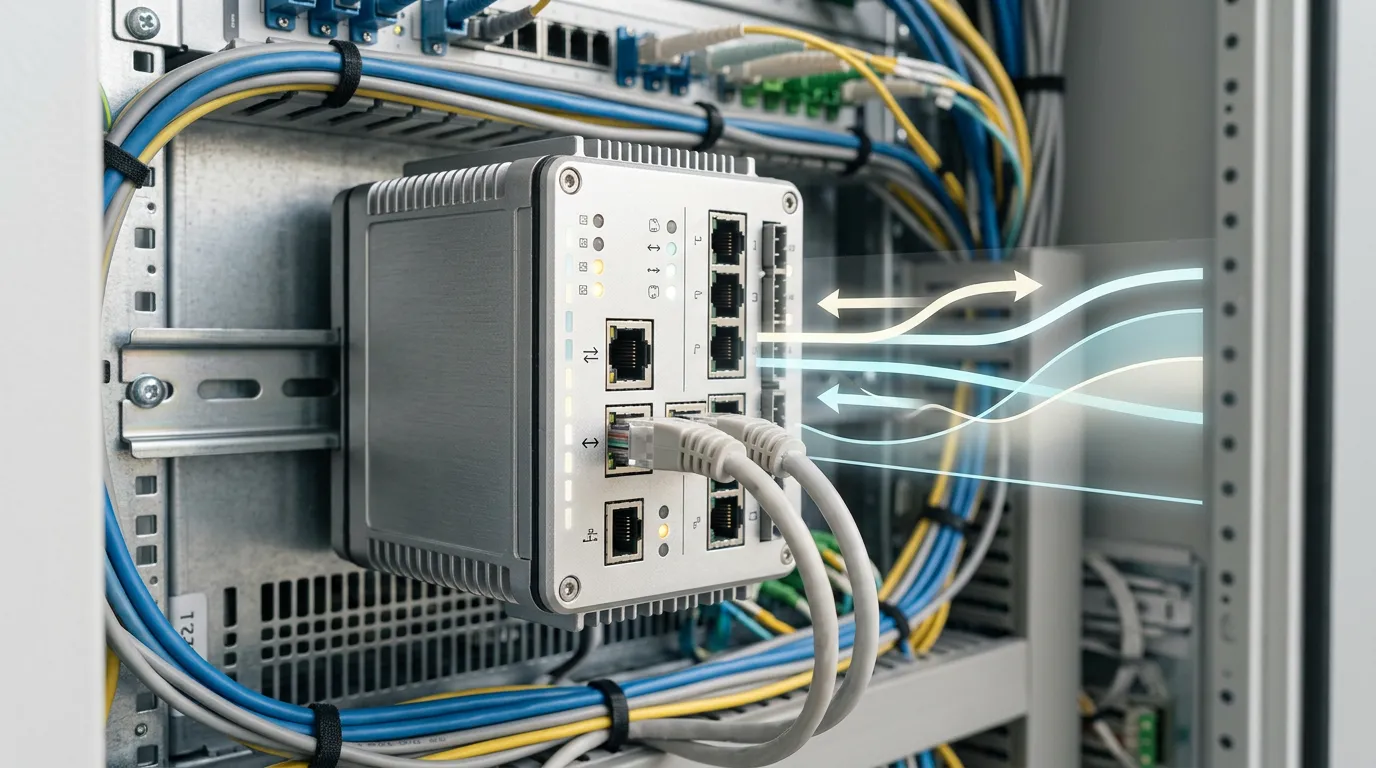
Supervisory control and data acquisition (SCADA) systems and field equipment – sensors, meters and controllers – use different communication protocols. Without an intermediary, commands cannot reach the devices, and their readings cannot make it back to the monitoring system. Protocol converters act as “translators”: they receive network requests, adapt them to the language of specific equipment, obtain a response and send it back into the digital environment.
Engineers at Bashkir Production Association Progress, part of Concern Avtomatika within Ruselectronics and the developer of the IG-RSE line, significantly expanded the packet buffers – sections of internal memory used to temporarily store data – and completely redesigned the routing core. These changes eliminated “race conditions,” in which simultaneous requests from different sources or redundant SCADA servers blocked serial ports. The equipment can now operate predictably when primary and backup servers are used in parallel, reliably processing large data volumes even under peak loads.
Reliability in Extreme Environments
The hardware in the IG-RSE line is designed to operate in harsh industrial environments. Its electronic components can withstand critical temperature fluctuations, continuous vibration and other mechanical stresses. The equipment is integrated into oil and gas telemetry systems, power facilities, energy metering systems and control centers.
In the power sector, the converters maintain continuous signal exchange between sensors and control centers, reducing the risk of failures. In oil and gas, they connect distributed facilities, including fields, pumping stations and pipelines. At industrial plants, the devices help integrate new systems with legacy equipment.
IIoT Is Changing Manufacturing
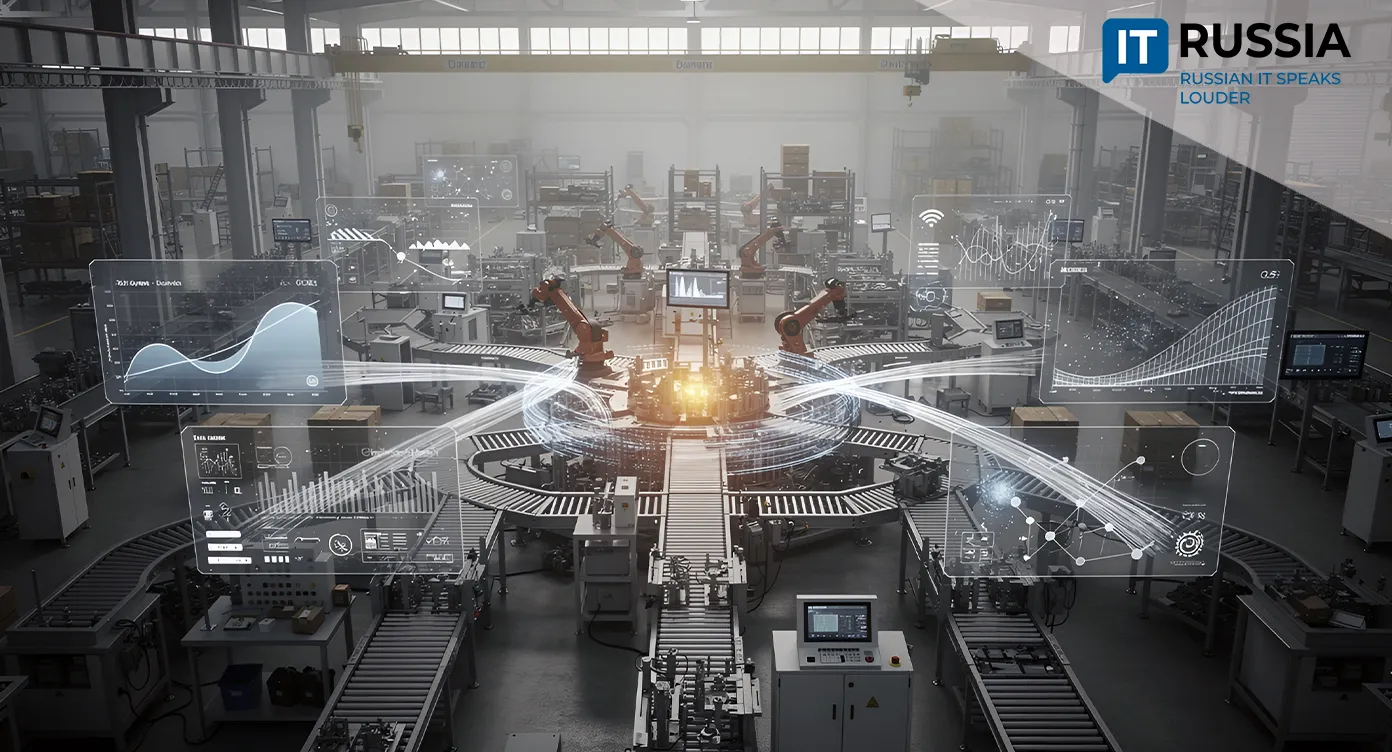
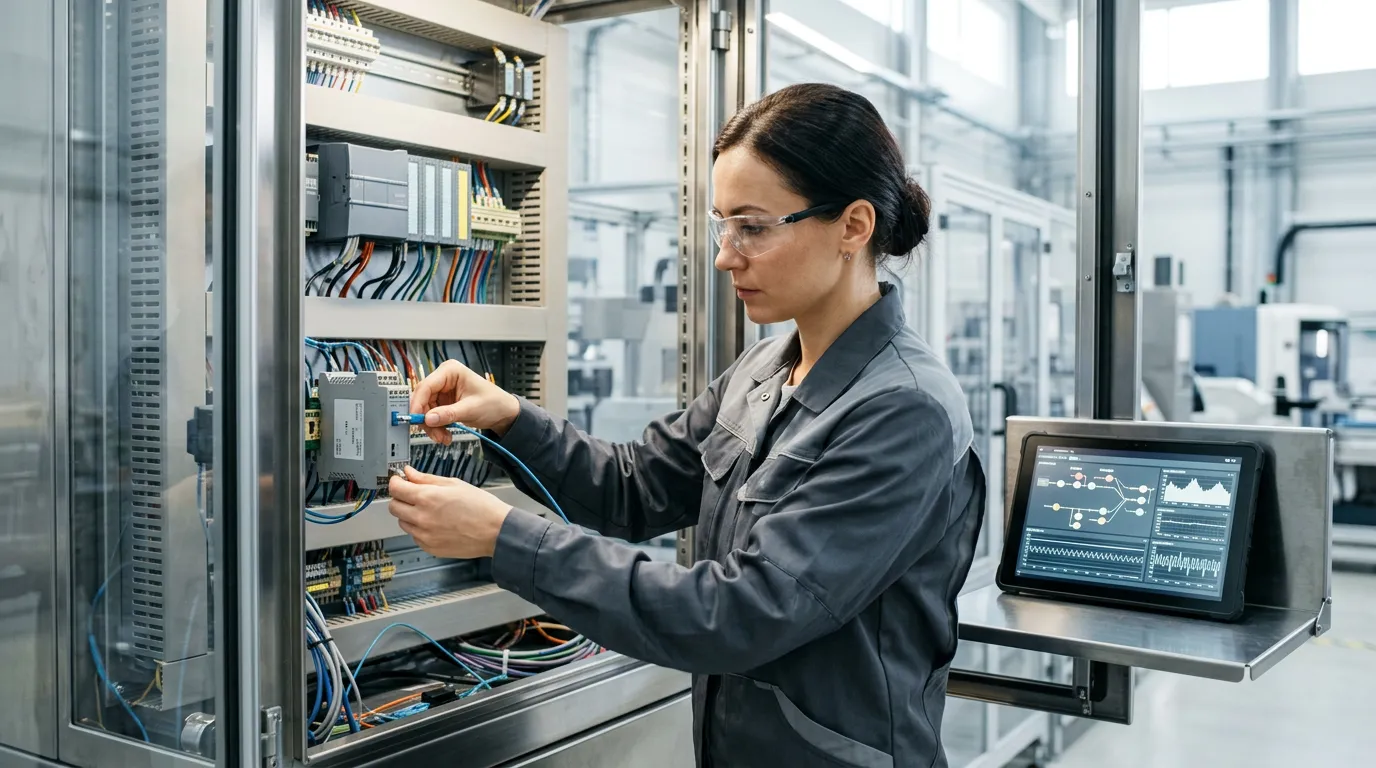
The growth of the Industrial Internet of Things (IIoT) in Russia is creating higher requirements for network reliability. Projects implemented by Russian companies reflect this trend.
For example, in 2021, SIBUR Holding deployed a network of more than 2,000 IIoT sensors at its facilities in Tomsk and Tobolsk. In 2023, United Engine Corporation connected more than 2,000 machine tools to the Dispetcher system from Tsifra Group, cutting downtime by 12%. In 2025, IT holding company T1 began serial production of the Silaron system for automating industrial processes. In 2026, NPP Eltex launched production of industrial switches supporting PTP and PRP protocols for industrial control system networks.
Russia’s Industrial Automation Market Is Growing Faster Than the Global Market
Russia’s market for automated control systems is showing steady growth. In 2025, it reached 1.3 trillion rubles, or about $15 billion, while its compound annual growth rate reached 9.3%, exceeding the global rate of 6.8%. This growth is being driven by accelerated import substitution and government support for industrial development.
The market is expected to maintain an average annual growth rate of 8.2% through 2031. Key growth factors will include scheduled replacement of outdated systems and the need to transition to trusted hardware and software systems at critical infrastructure facilities.
Responding to Market Challenges
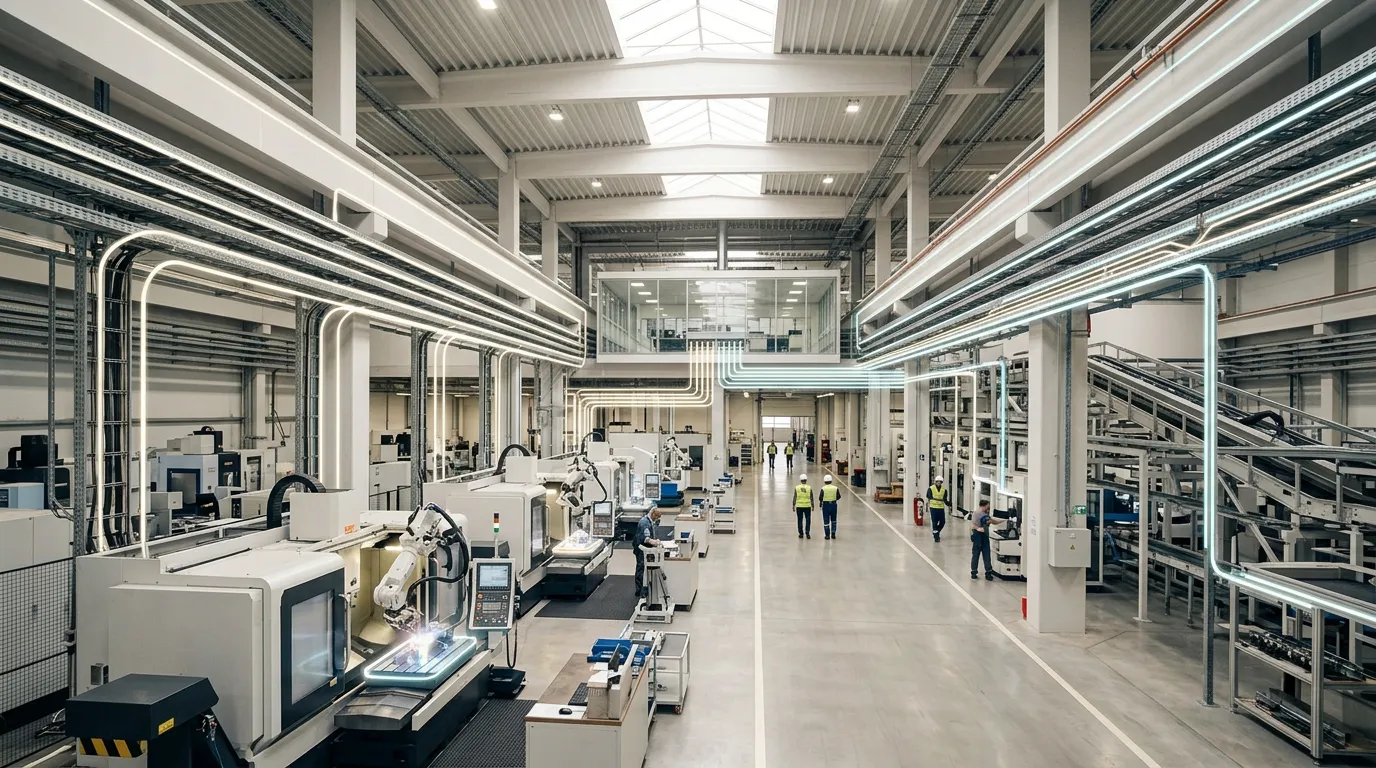
The IG-RSE upgrade is a response to current market challenges. Following the departure of Western vendors, demand for reliable Russian-made solutions is growing. Companies continue to operate mixed equipment fleets, with legacy systems using serial interfaces needing to work alongside new controllers. At the same time, the widespread adoption of IIoT is multiplying telemetry traffic.
The converters make it possible to integrate legacy and new systems seamlessly, but the upgraded software with expanded buffers is what makes sure growing traffic does not overwhelm communication channels during peak loads. That is why the IG-RSE upgrade is an important step toward building an independent industrial infrastructure, where reliable data exchange determines the stability of power generation, the oil and gas industry and complex manufacturing operations.