

Rosatom’s Cargo Patrol
Rosatom has begun testing a system that weighs trucks while they are moving – directly from lighting poles, without permanent gantries or construction work.
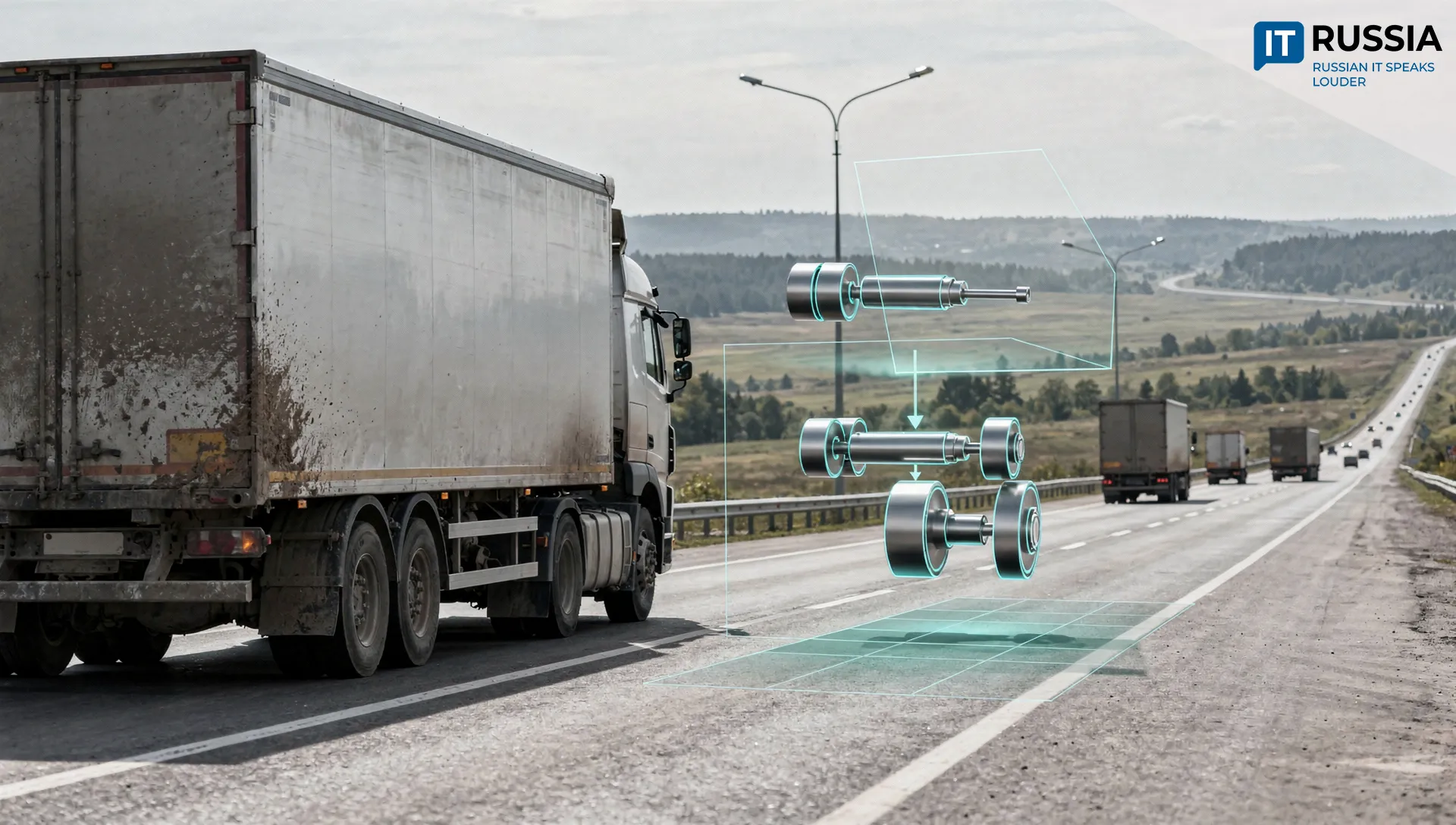
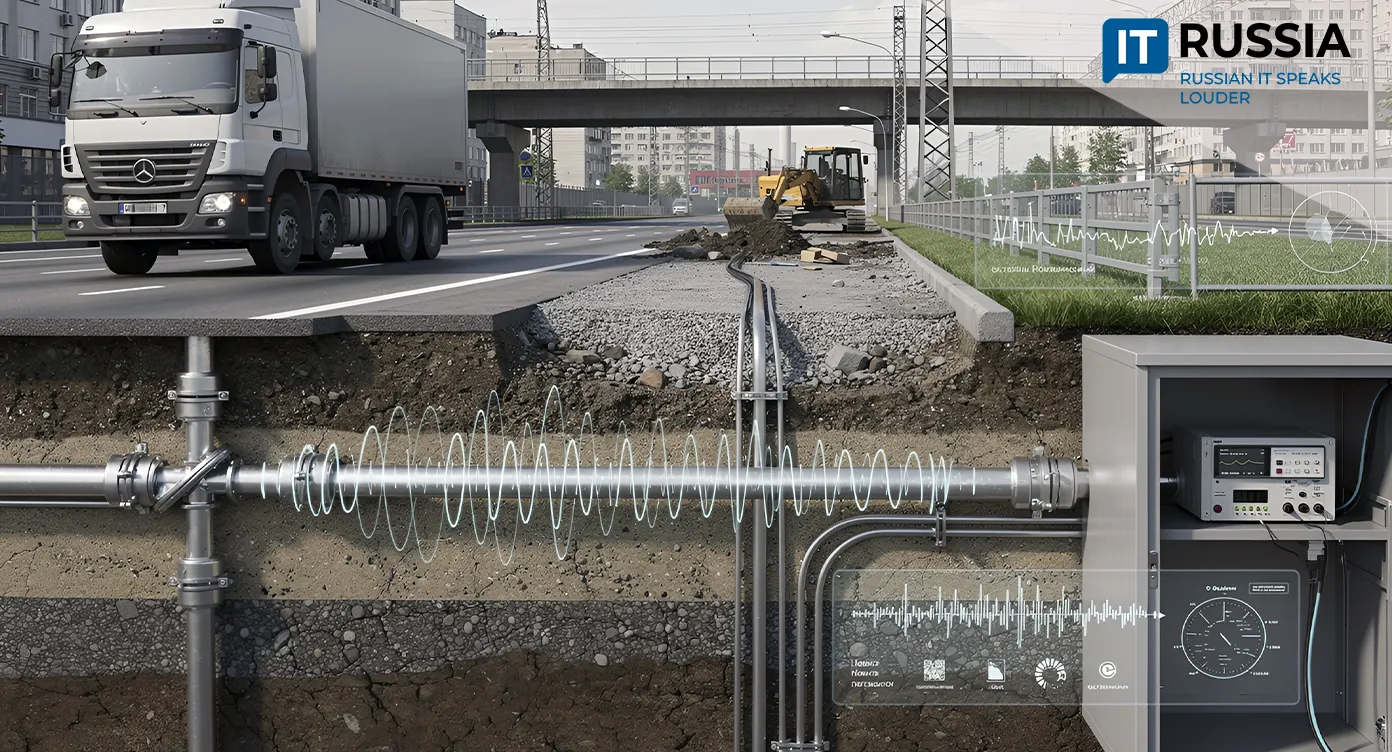
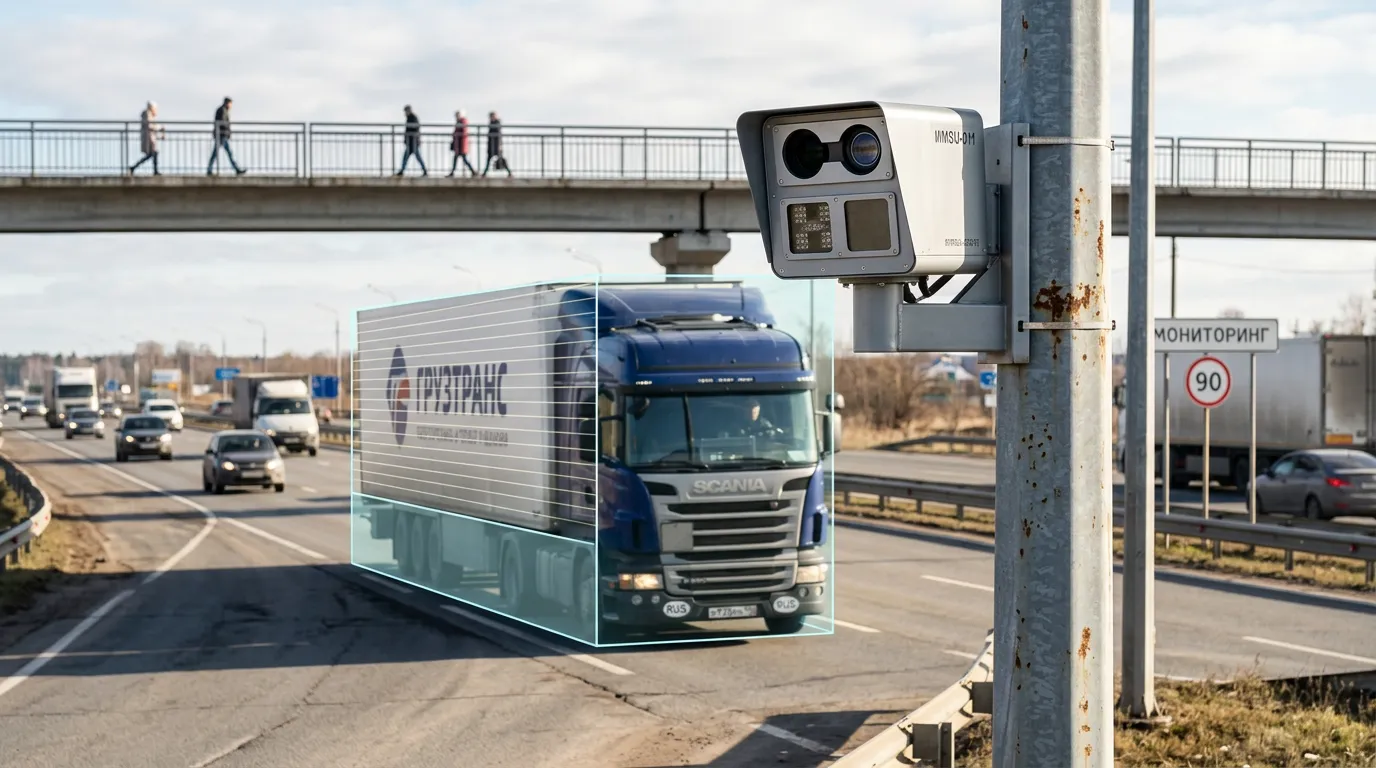
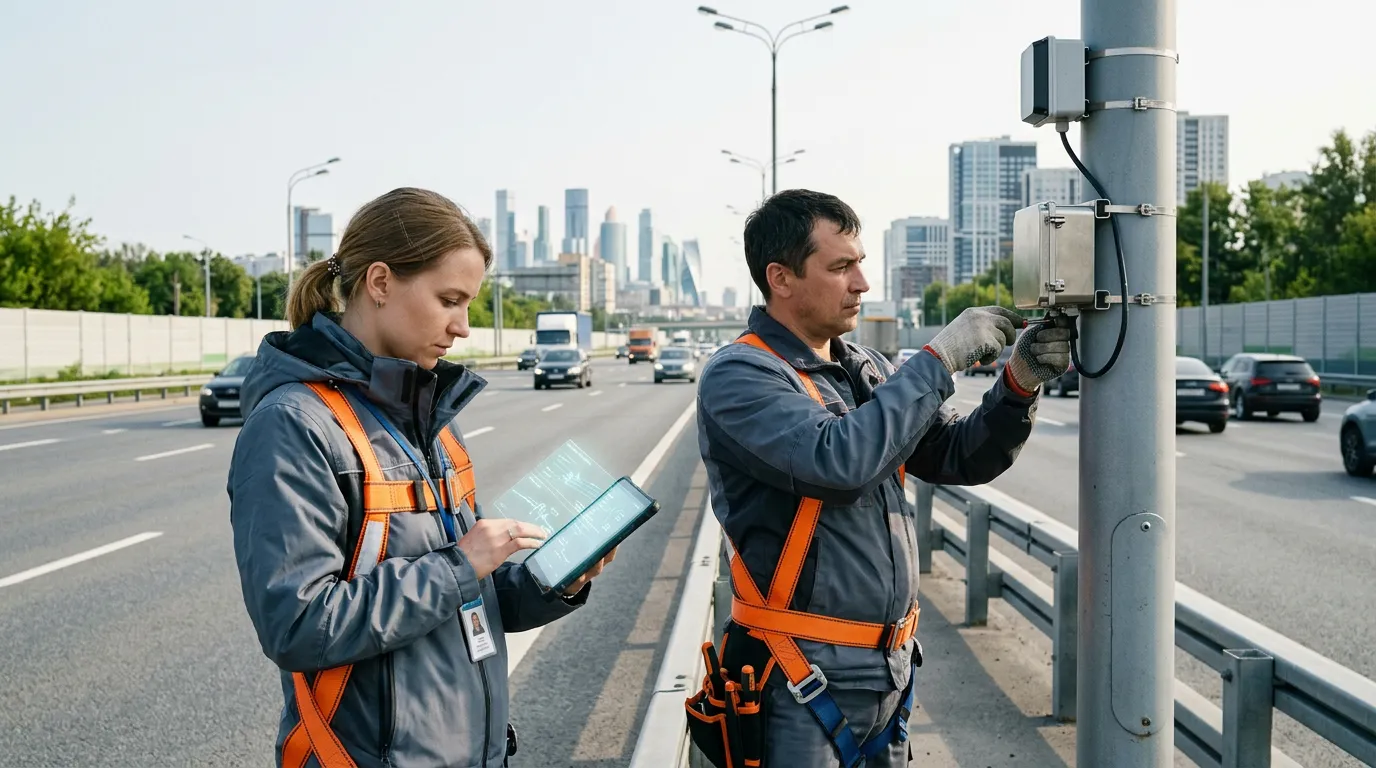
Rosatom’s digital division, Atomdata Integration JSC, has begun pilot testing of the Gruzovoy patrul (Cargo Patrol) automated weight-control system in the Irkutsk Region. The systems identify trucks whose weight exceeds the permitted limit, while the equipment is mounted on ordinary lighting poles and does not require special gantry structures to be built. Technologically, the solution combines hardware for weight monitoring with software for data analysis. The systems provide 360-degree coverage, recognize vehicle license plates from distances of up to 150 meters, and offer 30x optical zoom. Notably, the system’s Russian-developed neural network delivers accuracy of about 99%.
Unlike traditional weight-and-dimension control stations, which require extensive infrastructure, the new version is designed for rapid deployment in cities and on regional roads.
The significance of the development lies in the digitalization of transportation infrastructure, where software solutions are becoming an effective tool for managing road networks. For regions, this could reduce the cost of repairing roads damaged by overloaded trucks.
From Siberia to Friendly Countries
The project’s main prospects are currently tied to regional-scale deployment. The Irkutsk Region is being considered as a testing ground for the technology before it is rolled out to other transportation hubs. Potential areas of development include integration with traffic-management centers, automatic transmission of violation data, integration with traffic-control systems, and the use of artificial intelligence to analyze traffic flows. In the future, solutions like this could become part of the digital infrastructure of cities and federal highways.
Export opportunities are also being discussed. Potential markets could include countries with rapidly developing road infrastructure and regions that need affordable systems for monitoring freight transportation.
From Autopilot to “Scales” on a Pole
The development of Gruzovoy patrul fits into the broader trend of deploying artificial intelligence in transportation, which has been clearly visible in Russia since 2021. That year, the Ministry of Transport, together with industry participants, began implementing a project for autonomous freight transportation on the M-11 Neva highway, where a digital transportation corridor with infrastructure for autonomous trucks was being developed. Computer vision, machine learning and data-analysis systems began operating not only inside vehicles but also in conjunction with road infrastructure.
From 2022 through 2024, autonomous-transport technologies continued to develop. The Ministry of Transport established experimental legal regimes for operating highly automated vehicles, while industry participants tested commercial applications for autonomous trucks. In 2024, Yandex introduced a transformer neural network into its autonomous-transport control system, marking a shift from conventional algorithms toward AI capable of handling complex road scenarios. By 2025–2026, the development of AI in transportation had moved beyond individual pilots toward the creation of industry-specific platforms.
Thus, Russia is successfully developing approaches to using artificial intelligence in logistics, including autonomous freight transportation, intelligent route planning, traffic-flow analysis, and infrastructure automation.
From Sensor to Ecosystem
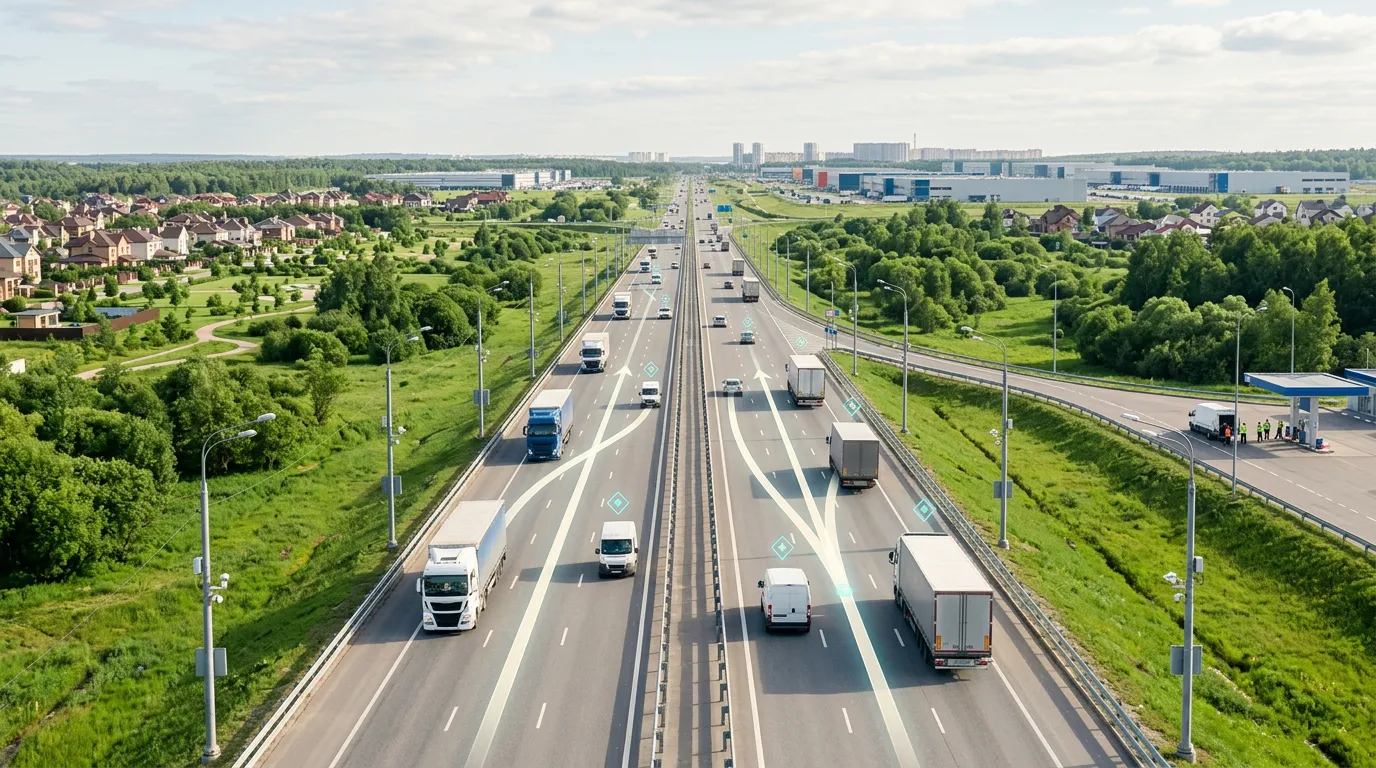
The launch of Gruzovoy patrul demonstrates a shift from traditional transportation-control facilities to compact digital systems. For Russia’s regions, solutions like these could provide a way to deploy road-management technologies more quickly without major capital expenditures. The project follows the broader digitalization trend in transportation – moving from standalone tools toward a unified analytics infrastructure.
In the longer term, systems like these could be integrated with smart-city platforms, artificial intelligence, and government transportation information systems. If the pilot in the Irkutsk Region confirms the technology’s technical and economic effectiveness, Gruzovoy patrul could be scaled to other regions – while also creating a viable export product.