Russian Scientists to Improve the Accuracy of Near-Earth Orbital and Lunar Mission Trajectories
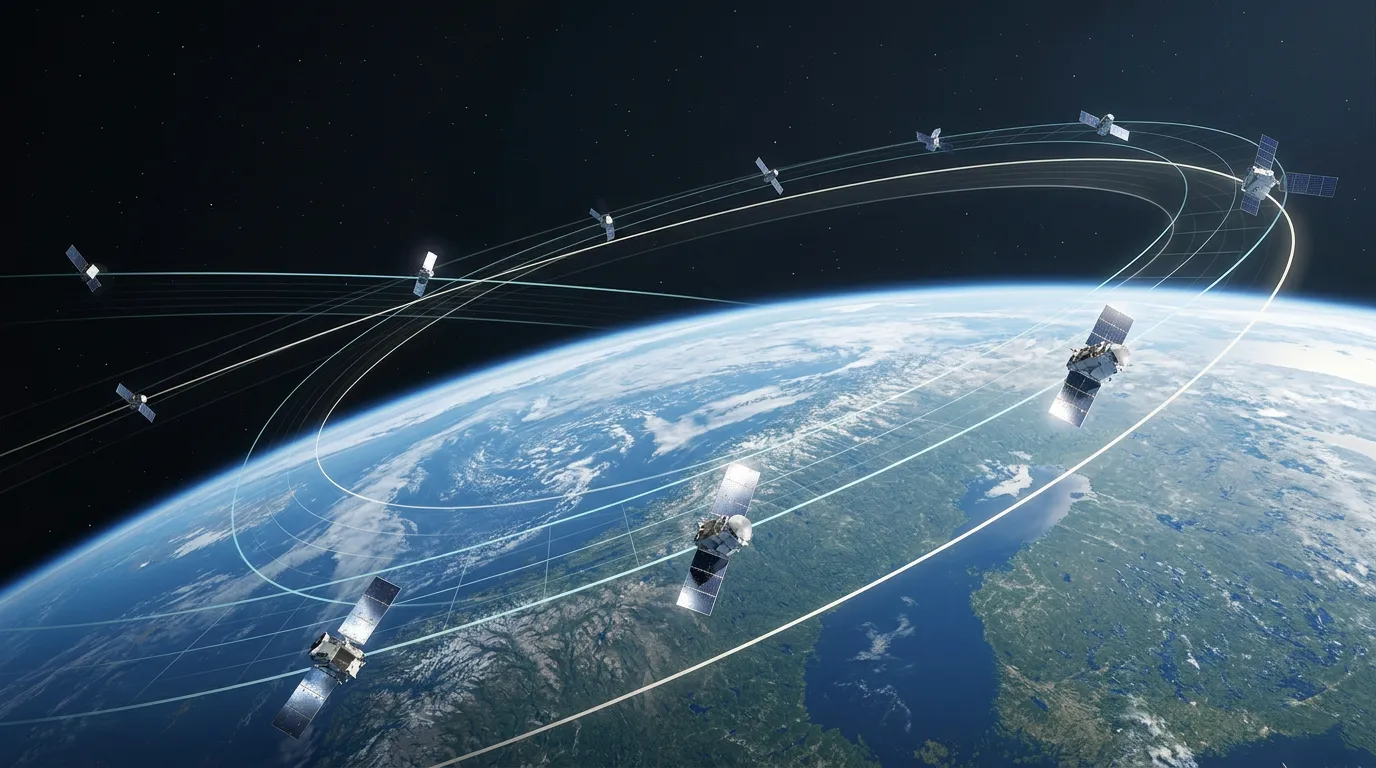
Moscow Aviation Institute scientists have developed a suite of algorithms designed to improve the accuracy of spacecraft trajectory determination. The methodology makes it possible to identify potential collisions in time to prevent them involving satellites, artificial orbital objects, space debris and other uncontrolled objects in time.
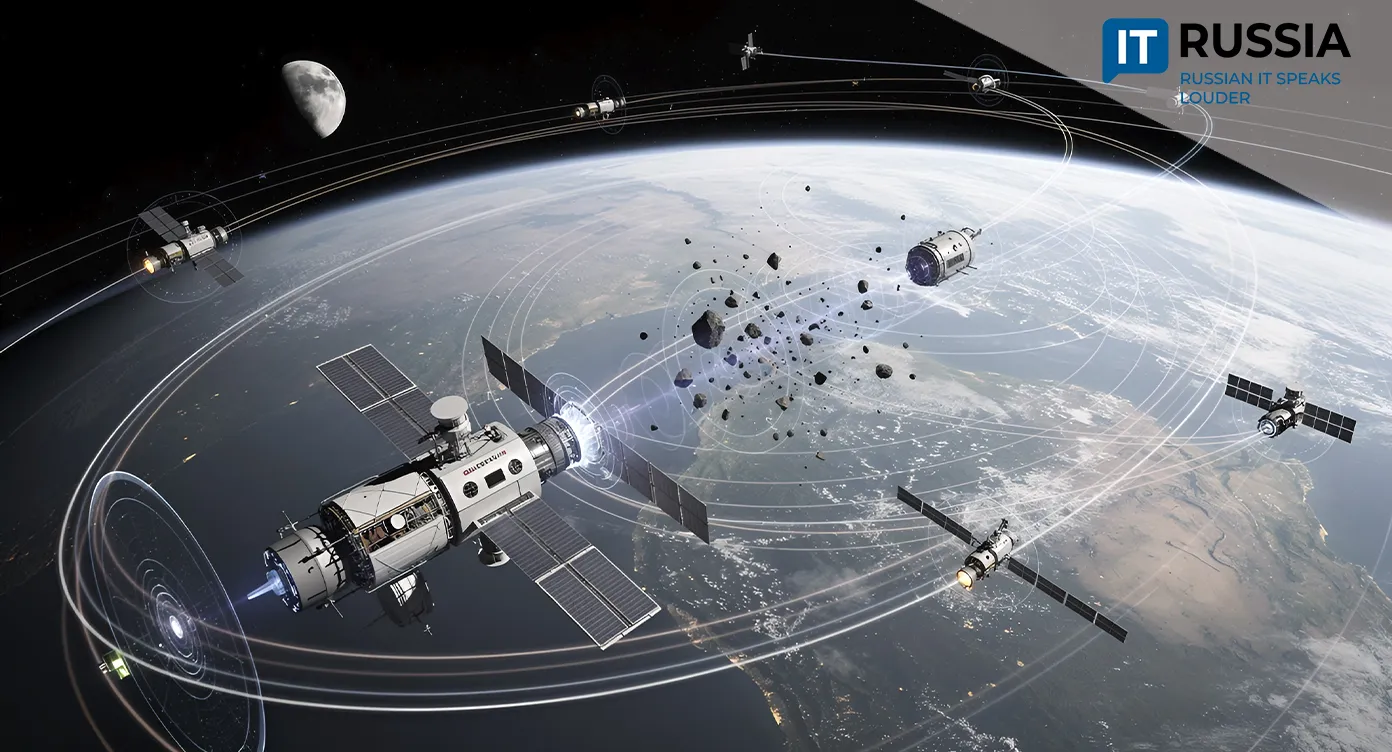
Near-Earth orbit is rapidly becoming both a giant junkyard and a crowded highway. Thousands of active spacecraft and millions of pieces of space debris are moving at enormous speeds. Under these conditions, a calculation error can cost billions of rubles (tens of millions of U.S. dollars) and potentially disrupt entire industries, from global navigation to emergency communications. That is why the development from the Moscow Aviation Institute (MAI) represents more than a scientific achievement – it is also a matter of technological sovereignty and national security.
The Threat Evolves: From Isolated Incidents to a Systemic Crisis
Back in 2021, the Russian Kanopus-V No. 5 Earth-observation satellite and Japan’s ASNARO-1 optical-electronic satellite came within a critical distance of each other in space, estimated at between 188 and 200 meters. Both spacecraft were traveling at several kilometers per second, so any collision would have destroyed them completely and generated thousands of new hazardous fragments.
At the time, this appeared to be an isolated incident. By 2022, however, the number of dangerous approaches involving Russian spacecraft had doubled to 70,000 incidents. By 2024, the International Space Station had to perform up to 20 collision-avoidance maneuvers a year. Manual trajectory analysis and conventional forecasting methods could no longer handle the torrent of data. Orbit needed a new kind of intelligence.
MAI’s Digital Shield
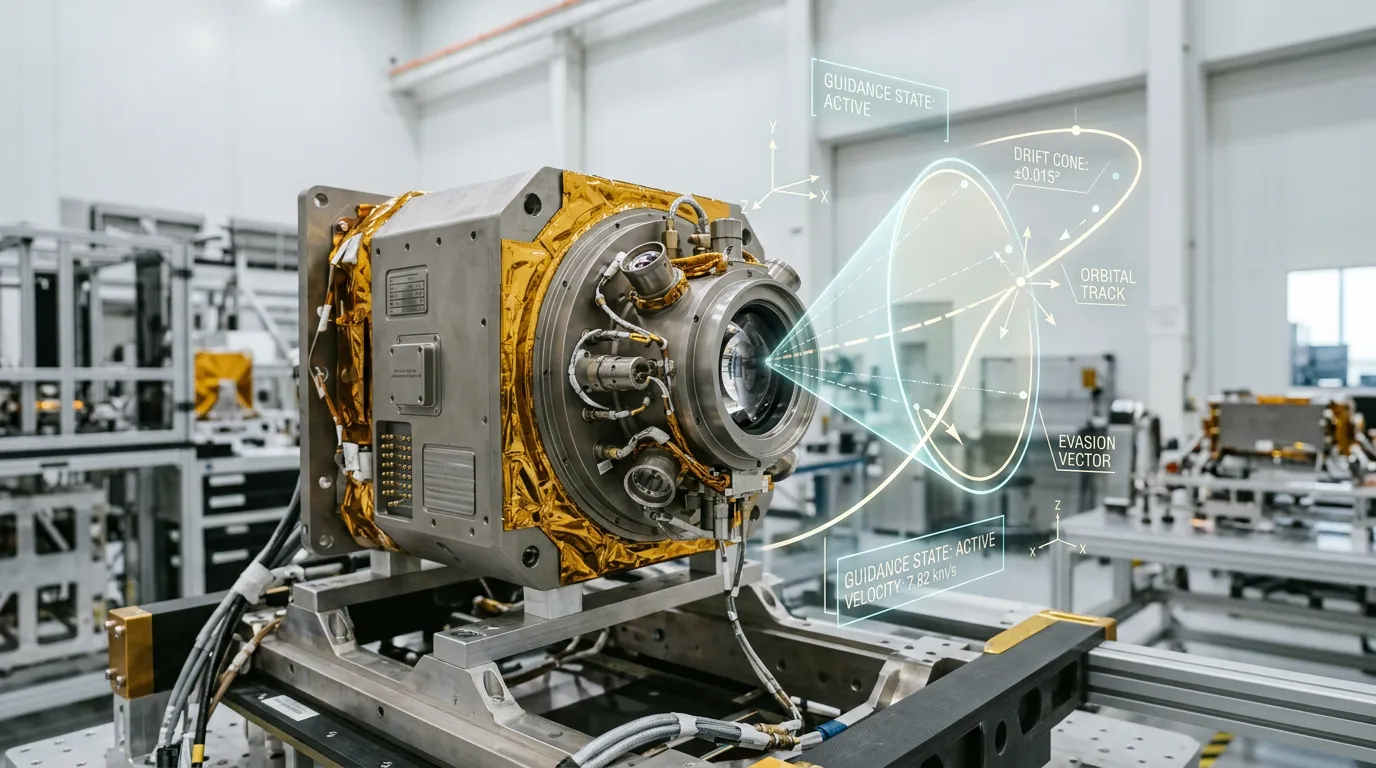
The suite of algorithms developed by MAI scientists for Roscosmos changes the underlying approach. Where earlier systems could only identify that two objects were approaching each other, the new methodology can predict their motion more accurately while accounting for all perturbations. The AI not only identifies collision risks involving debris or a neighboring satellite but also calculates an optimal avoidance maneuver, saving valuable fuel.
The technology also lays the groundwork for future missions. The algorithms will be used as early as the design stage for new satellite constellations and lunar programs, helping engineers select safe orbits and flight scenarios beyond Earth. This is intended to ensure the uninterrupted operation of GPS, satellite communications and disaster-monitoring systems.
A Global Race
Researchers around the world are working on similar solutions. The global space industry is undergoing a fundamental shift. In 2025, the European Space Agency was actively developing the CREAM project, aimed at automating risk assessment and reducing the workload on operators. The global trend is clear: moving from reactive responses to proactive space-traffic management.
The Russian technology has significant export potential, although realizing it would depend on geopolitical conditions and integration with international standards. But geopolitical conditions and the need to integrate with international standards are the main obstacles to realizing this potential. Even so, having a domestic, competitive tool for protecting orbital infrastructure is a significant advantage in an era of mega-constellations.
A Step Toward Full Autonomy
MAI’s development is only a first step toward an era of fully autonomous spacecraft. In the coming years, machine-learning algorithms will allow satellites to assess risks independently, coordinate their actions and perform maneuvers without delays caused by communication with ground control.
With the intelligent systems developed by Russian scientists, near-Earth space and lunar routes are gaining long-awaited “traffic code,” written in the language of mathematics and artificial intelligence. How quickly these technologies are deployed will determine whether we can keep space safe and predictable for future generations of researchers.