SberMobile to Deploy Russian Subscriber-Tariff Management Module
PUMA Billing will supply the software to SberMobile.
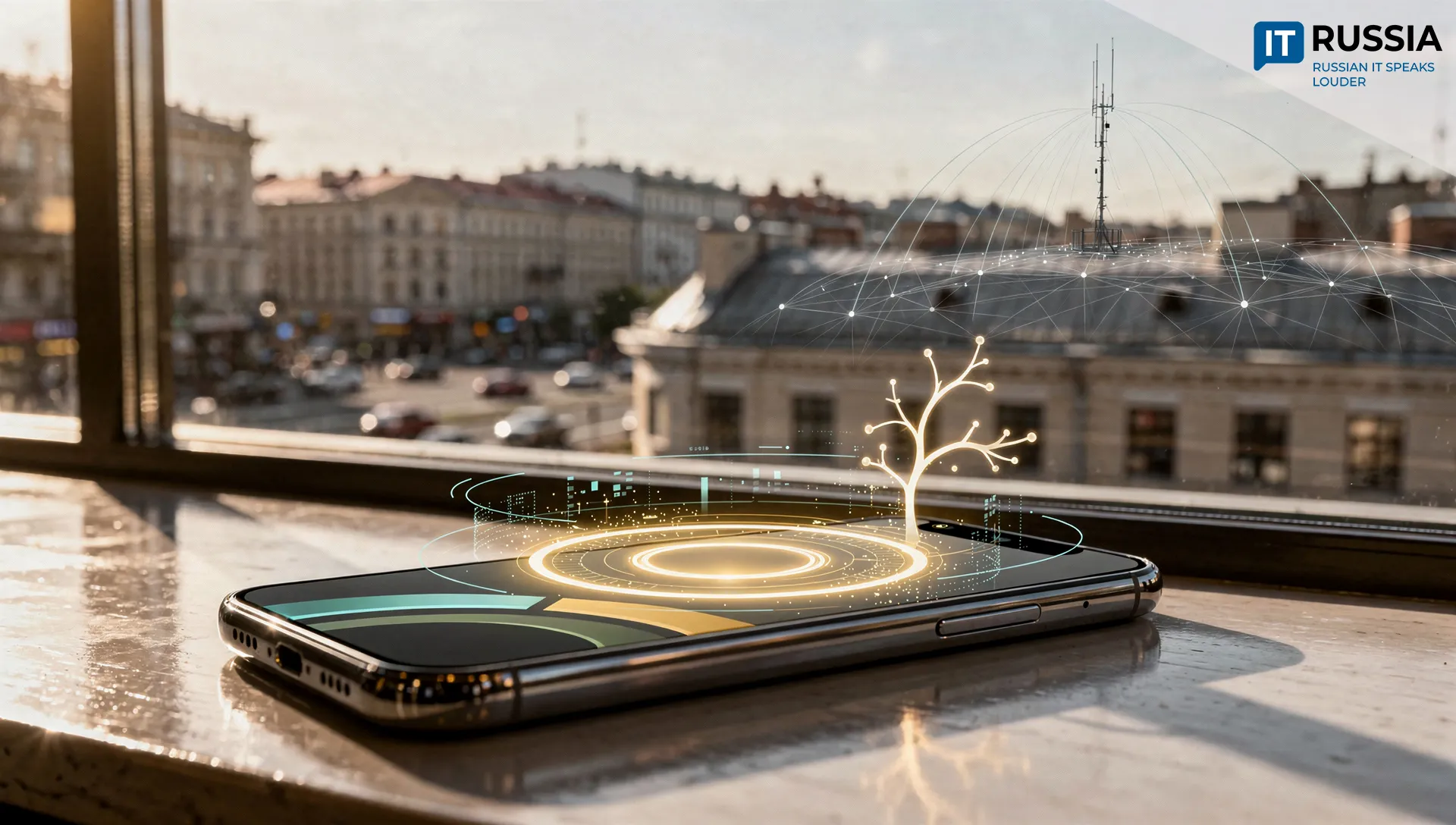
Import substitution in Russia’s telecom industry is gradually moving to a new level. Operators need more than hardware. High-quality software is equally important for ensuring independent technological development.
The Industry Needs Mature Solutions
SberMobile has signed a contract with PUMA Billing to supply the virtual mobile operator with a domestic OCS (Online Charging System) module. This is one of the key elements of any telecom operator’s IT infrastructure.
The module provides real-time charging for communications services and subscriber-balance management, so when selecting a partner, SberMobile was looking for more than a replacement for foreign technology. It needed a solution that was genuinely mature from a technological standpoint, with the flexibility to be configured for business requirements and the potential for long-term development. One of the key requirements was for the platform to scale with the operator, support the launch of new products and services, and at the same time reduce dependence on foreign components.
According to SberMobile representatives, cooperation with PUMA Billing will address all of the company’s immediate needs. The agreement also gives the virtual operator the right to modify the software itself if necessary. This is expected to allow SberMobile to adapt the OCS functionality to its own IT architecture and business requirements and make necessary changes quickly without depending on the supplier.
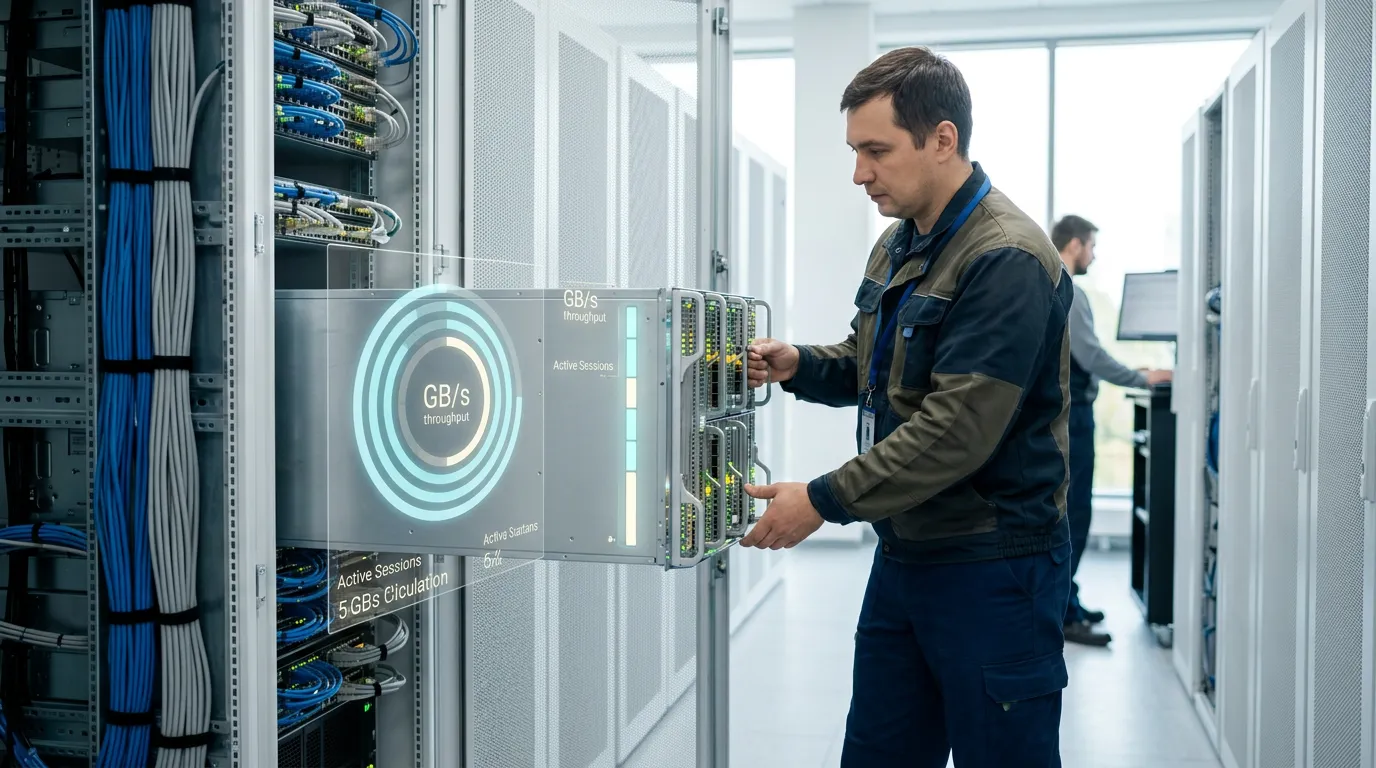
Synchronous Development
The partners praised the developers’ comprehensive approach. “It is important for us that the technology platform develop at the same pace as our business. That is why, when selecting an OCS, we evaluated not only its current capabilities but also its long-term development potential. Having the right to modify the solution ourselves gives us the flexibility we need and allows us to respond more quickly to changes in the market and our customers’ needs,” said Olga Barynina, SberMobile’s strategy director.
The process of replacing foreign software in the telecom industry could play a major role. Operators will be able to launch new tariffs and services more quickly without relying on foreign suppliers. Consumers will gain access to higher-quality and more diverse services. Developers, meanwhile, will have access to new markets. This is not limited to orders from Russian telecom companies. A range of software solutions could also be exported to countries seeking to reduce their dependence on Western technology giants.
Import Substitution Covers Every Area
As noted above, import substitution in Russia’s telecom industry covers every area. Independence is needed not only by mobile operators.
For example, back in 2022, Rostelecom signed an agreement with T8, a Russian equipment developer. The agreement covered a broad range of technology supplies, including equipment for optical-channel transmission multiplexing. T8 also provided the software needed to manage the network infrastructure.
Another area involves expanding the use of Open RAN architecture. This approach allows mobile-network equipment and software components to interact through open standards. In effect, it is another tool for reducing operators’ dependence on a limited number of foreign suppliers. The development of Open RAN is also encouraging the growth of Russian software developers for the telecom industry. Among other things, this is helping bring new OCS platforms to the market.
The telecom industry is now becoming one of the most promising markets for Russian IT companies. Many software developments can later be scaled to other industries. They could be used in manufacturing, transportation, Internet of Things applications and government digital services. As for export prospects, more work will be needed to ensure that Russian solutions fully comply with international standards.