TPU Scientists Develop Method to Produce Methane from Coal Seams Using Waste and CO₂
Scientists and engineers at Tomsk Polytechnic University have developed an integrated approach to modeling methane production from coal seams, combining several processes within a single mathematical model.
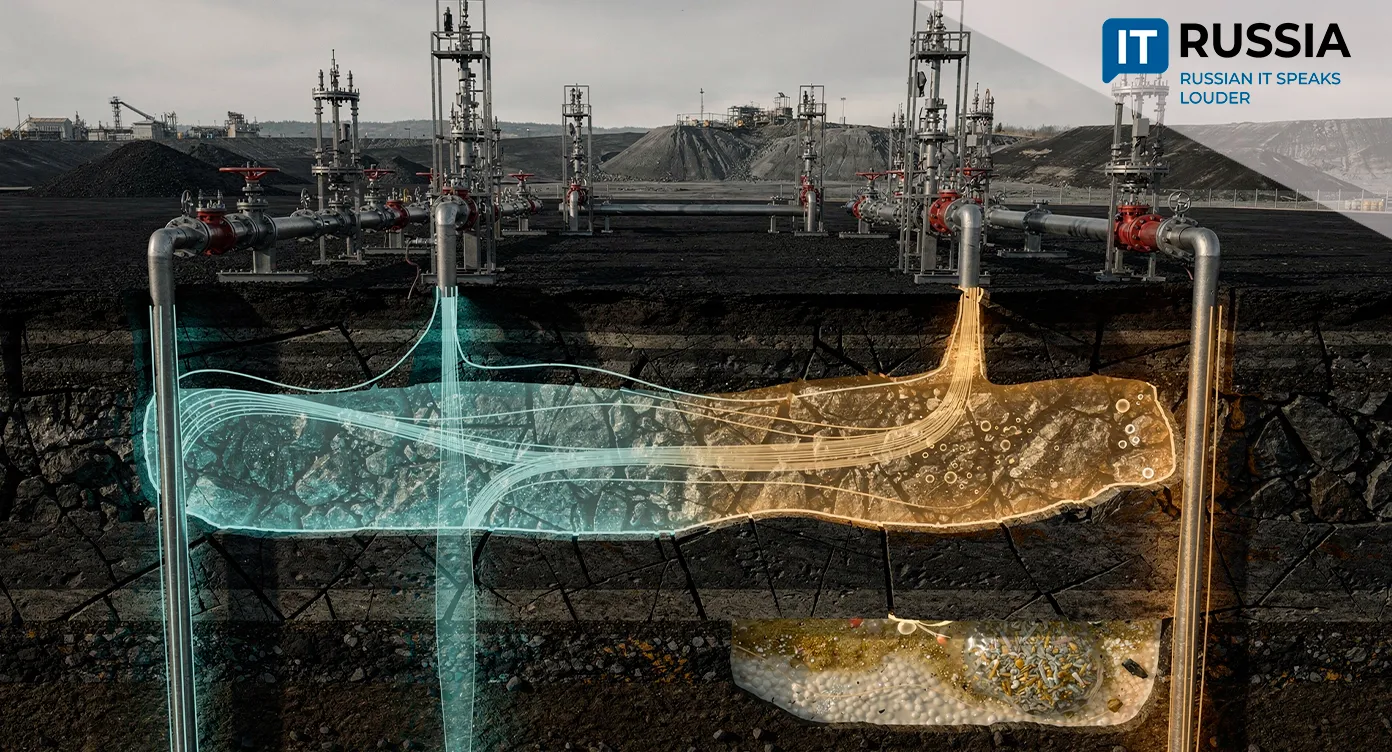
The new model accounts for three different processes simultaneously. First is the extraction of methane contained in the coal seam. Second is the injection of carbon dioxide (CO₂), which displaces additional methane from the coal, promoting desorption. Some of the CO₂ remains in the seam, providing a potential way to address greenhouse gas storage. Third is biogenic methane generation. Organic waste from agricultural processing and microorganisms are injected into the seam, where they break down the nutrient medium in an oxygen-free environment and produce additional methane. CO₂ released during decomposition can also be adsorbed by the coal.
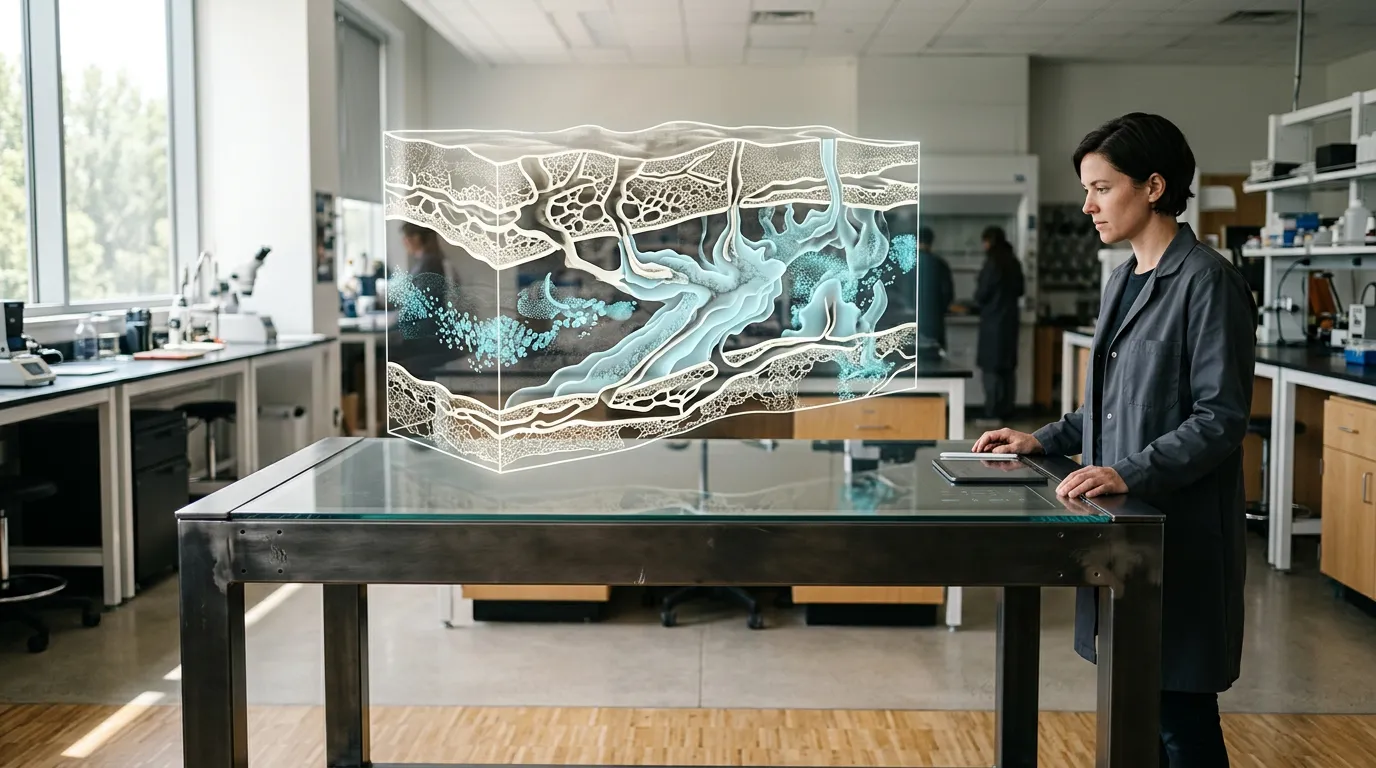
To model this complex mechanism, which involves multiple processes occurring in parallel, the researchers integrated several types of models. A hydrodynamic model describes the movement of liquids and gases through the porous medium of a fractured coal seam. A geomechanical model accounts for changes in the properties of the coal and surrounding rock under pressure during injection and as fluids move through the formation. A chemical model tracks reactions involving CO₂, water, coal components and products of organic-matter decomposition. A biological model simulates the rate and pathways by which bacteria break down the nutrient medium, producing methane, CO₂ and water.
Demand for the Technology
Experts estimate that Russia’s major coal basins contain more than 80 trillion cubic meters of methane. Such a large resource, with potential applications in both the energy sector and the chemical industry, underscores the potential significance of the Tomsk engineers’ development.
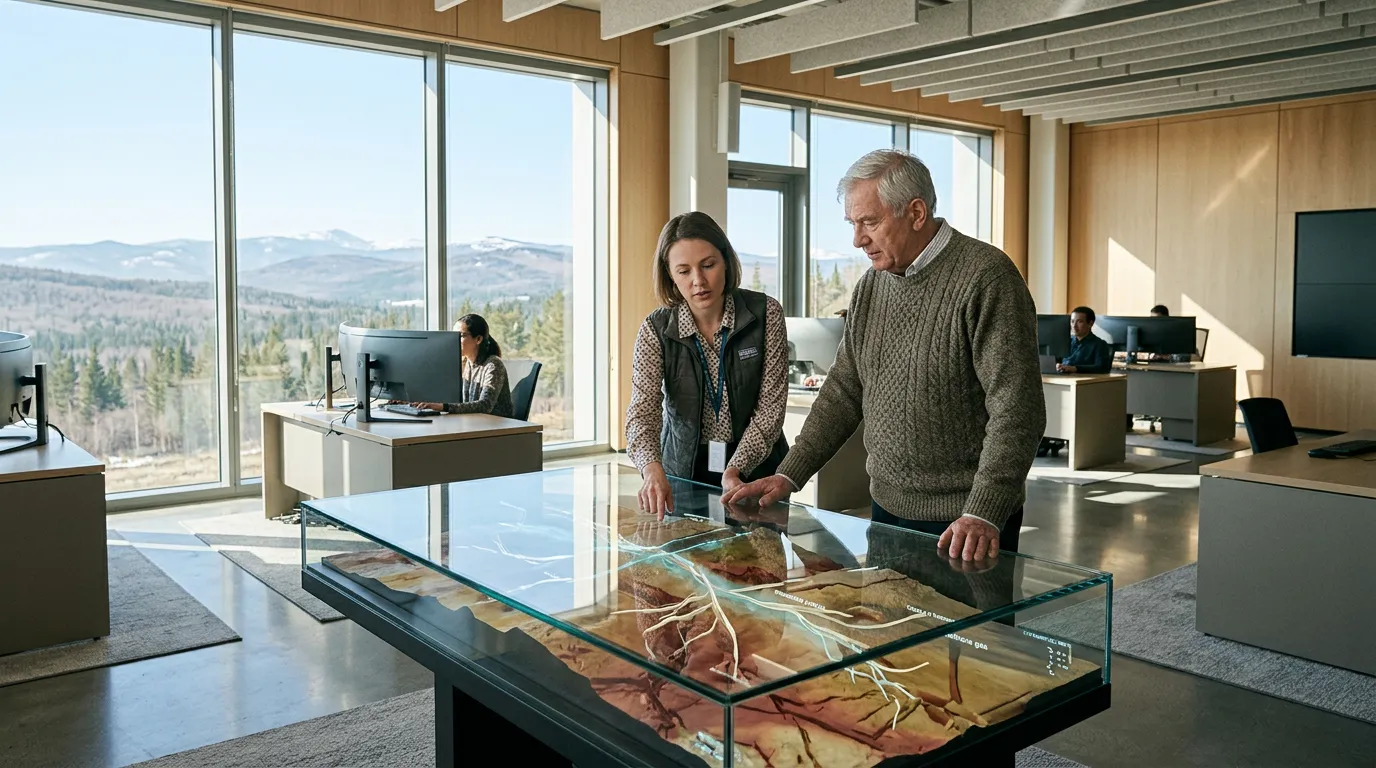
This integrated approach is particularly valuable during the early stages of field development. The model helps “probe” the seam to identify zones where the highest concentrations of methane or other components have accumulated. This can help optimize well placement and determine where CO₂ or a nutrient solution should be injected.
Methane extraction from coal seams is viewed not only as an industrial safety measure in coal mining, but also as an energy resource in its own right. The development accounts for actual geological characteristics of a deposit, including how heterogeneous the seam is, how its fractures are interconnected, and the composition and age of the coal. These factors directly affect how effectively the nutrient medium can be injected.
One of the development’s major advantages is the ability to separately calculate the contribution of each methane source: how much methane was released from the coal matrix itself, how much was displaced by CO₂ and how much was produced by bacteria. This makes it possible to adjust the project economics accordingly. If one mechanism is shown to deliver the greatest output, it can be used more extensively.
The project, which received a grant from TPU’s Advanced Engineering School, is currently a prototype. Its performance has been demonstrated using a synthetic sector model of a coal seam. The next question is how successfully the laboratory results can be scaled up to real-world field conditions.
Experience, Prospects and Expectations
Methane, which has a high explosion risk, is one of the main hazards in underground mines. Pre-drainage of coal seams can reduce risks during coal extraction while also providing an additional energy resource.
Using coal seams to inject CO₂ and agricultural-processing waste could also help address environmental challenges. The approach therefore goes beyond energy production, creating an opportunity to apply technologies for large-scale waste processing.
Russia’s first industrial-scale methane extraction from coal seams was carried out in the Kuzbass region under the management of Gazprom Dobycha Kuznetsk. The project began in 2007 to address several objectives, foremost among them improving coal-mining safety. It was also intended to support significant gas production, as the Kuzbass contains about 13 trillion cubic meters of methane, comparable to the conventional natural gas reserves at the Urengoy field. Methane produced from the seams could replace up to 4 billion cubic meters of gas supplied to the region from the north each year. In addition, reducing methane emissions into the atmosphere improves environmental conditions and cuts payments associated with greenhouse gas emissions.
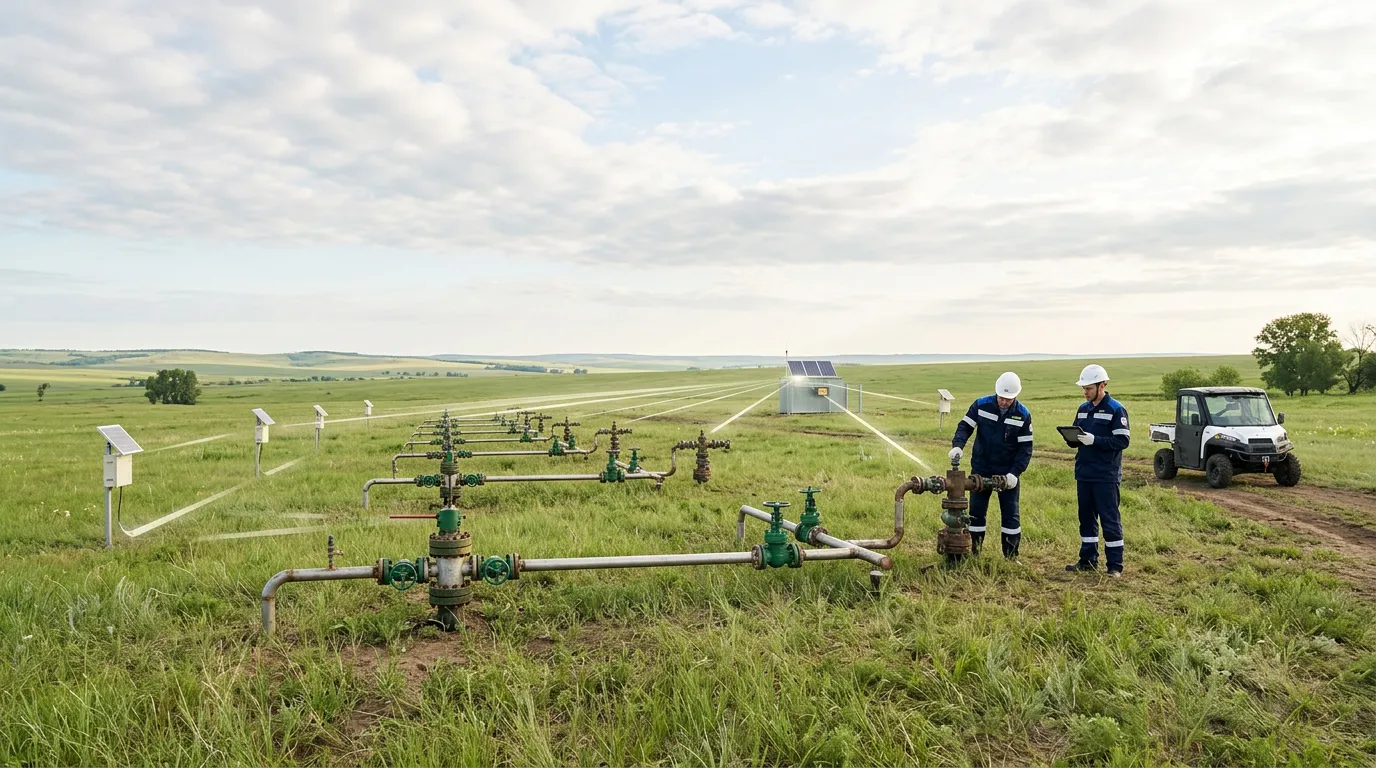
The TPU development demonstrates the industry’s shift from coal-seam methane extraction toward the use of integrated digital models that account for a large number of factors simultaneously.