3D Printer Speeds Up Production at Nordgold’s Mining Operations
Gold mining company Nordgold has begun using 3D printing to manufacture certain mining equipment parts in-house. This eliminates the need to rely on third-party suppliers and wait extended periods for deliveries.
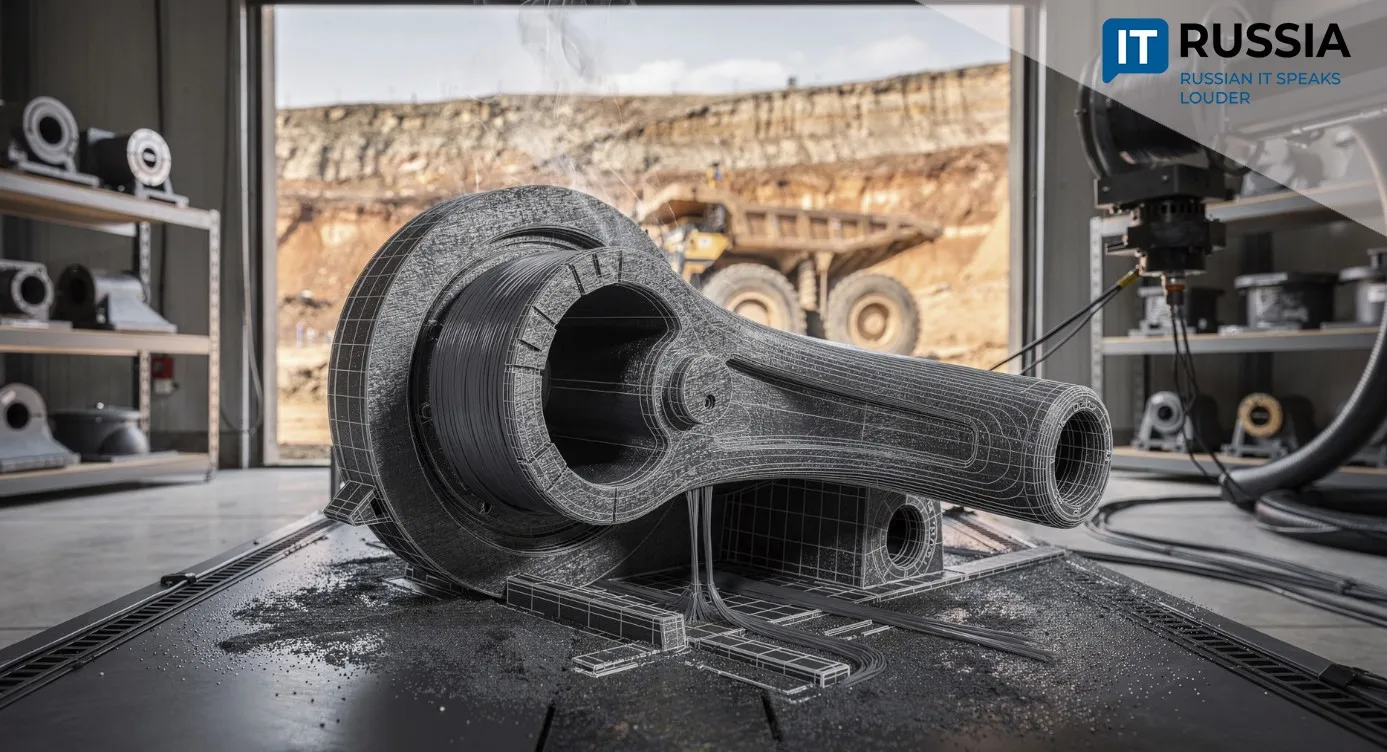
The project was implemented in Yakutia at the repair facility of the Gross mine. The introduction of additive manufacturing has either fully or substantially resolved local supply issues involving necessary components. Speed is particularly important because long-distance logistics previously often took up to four weeks.
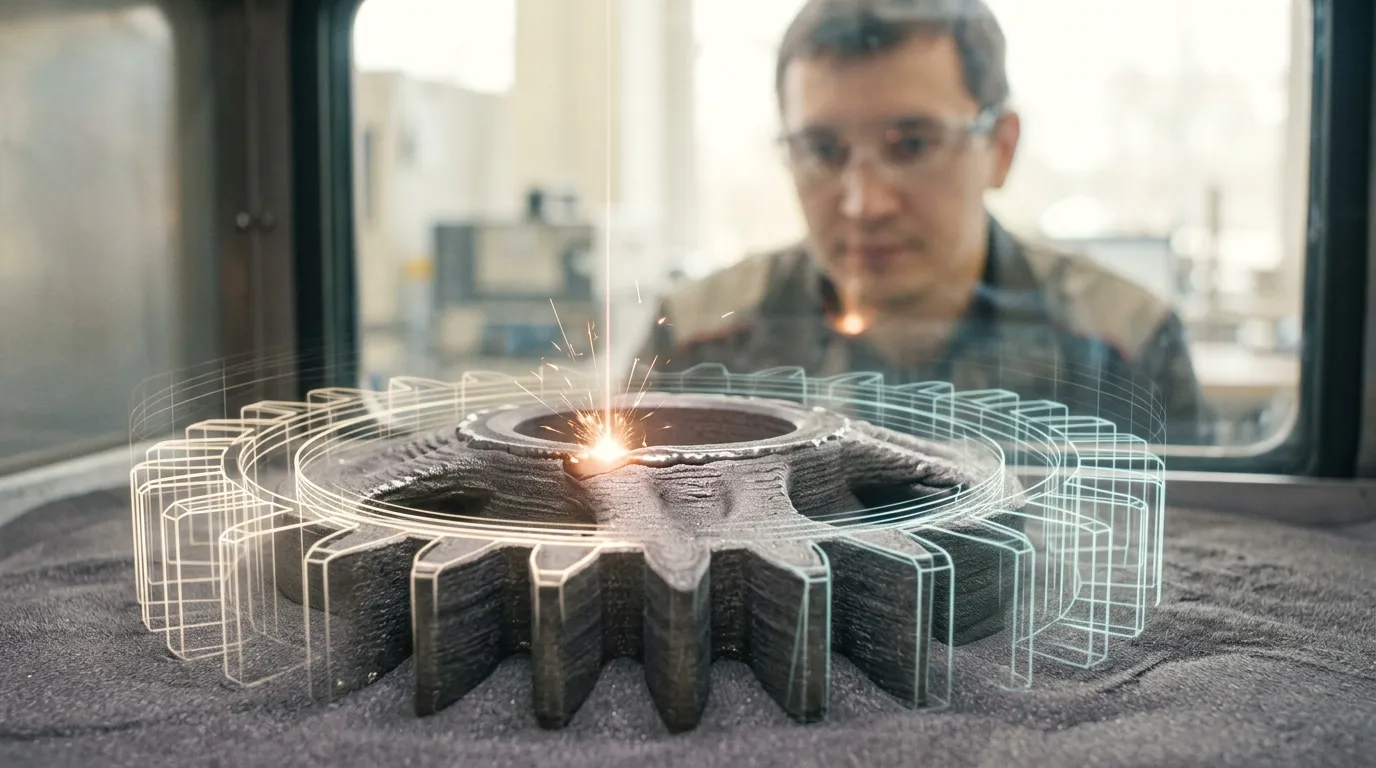
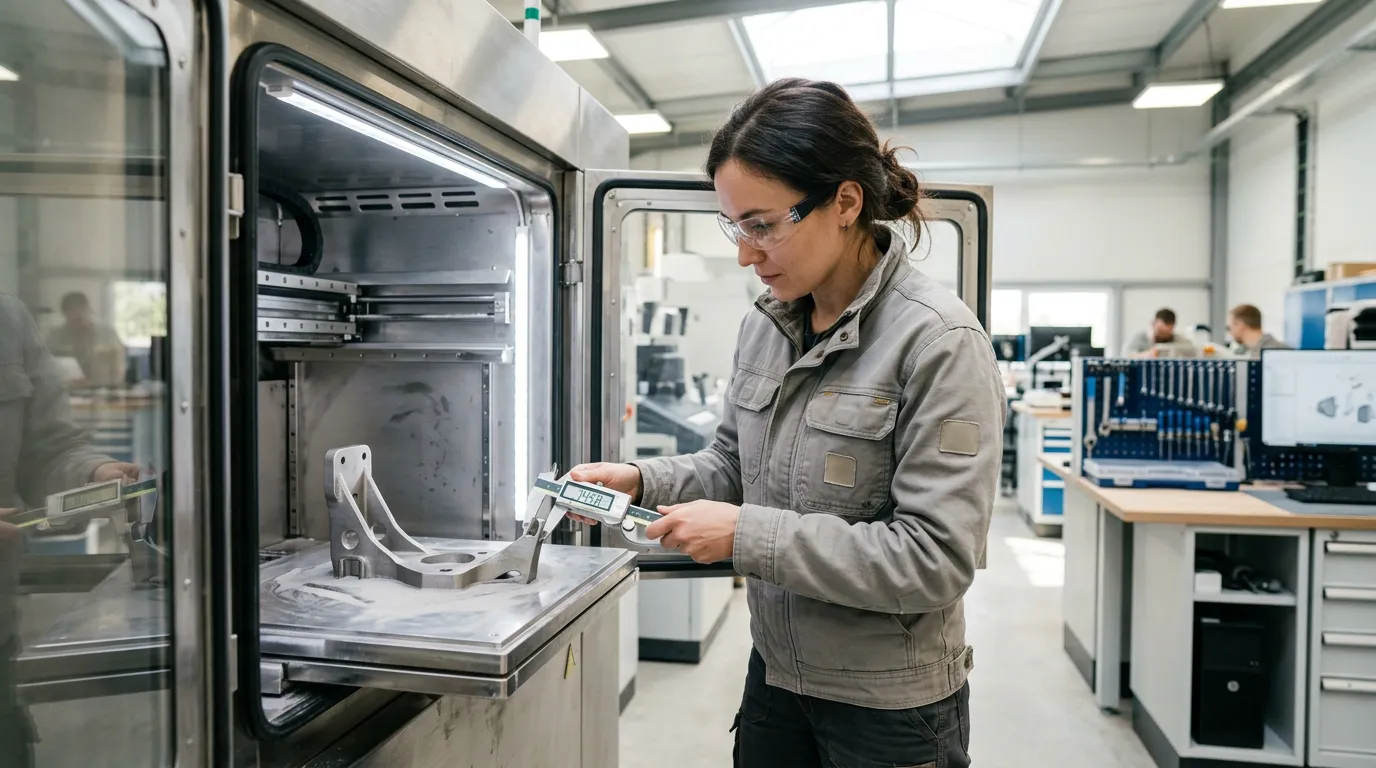
Since the printer, which operates in 3D and 5D modes, was commissioned, employees have printed more than 100 parts. These include seal kits, levers, retainers, covers and housings. Printing time ranges from 15 minutes to 48 hours, depending on the complexity of the part.
The printer uses carbon-filled plastic, which is essentially a composite material. The reinforcement makes the parts four times stronger than those made from conventional polymer filament.
The process is designed to save as much time as possible. A request to manufacture a part is submitted through an online form, after which the task is assigned a priority and a position in the production queue. An employee of Nordgold’s Fast Track repairs service designs the required 3D model and coordinates the work. The part model is stored in the mine’s database, significantly speeding up the process when similar requests are submitted later.
Made In-House
Notably, the project was initiated and fully implemented by Nordgold employees themselves. The technology is particularly useful when a required part is not sold separately, when shipping costs more than the part itself, or when the design needs to be adapted for a specific task.
This approach is especially important for the company because it operates numerous remote production sites. Nordgold now plans to expand its additive manufacturing infrastructure. Another printer is expected to be installed, allowing the company to handle a growing flow of requests.
Nordgold has assets not only in Russia but also in Kazakhstan, Burkina Faso, Guinea and other countries. The Gross mine in Yakutia, however, which began operations in 2018, is now considered one of the most advanced operations in the industry.
The Additive Manufacturing Trend
The company’s approach is fully in line with both Russian and international trends. Industrial 3D printing has become an increasingly important application. Rostec, for example, uses the technology to manufacture components for aircraft, including aircraft engines.
New service models have also emerged, including 3D printing farms built around specific orders – scalable facilities with large fleets of printers designed for high-volume parts production. Additive manufacturing centers also provide printing, engineering, product development, scanning, training, research and development, and other services.
Among major industrial companies, Nornickel is actively adopting the technology. For example, engineers at the Polar Division printed a large pump volute. The part weighs about 500 kg. The conventional process for producing it, including drafting and manufacturing, takes about a year. The first time around, the engineers completed the job in several months. Using a similar method, they produced a 313-kg backliner for the Talnakh Concentrator. Nornickel also uses reverse engineering: scanning a broken part can solve the problem of lost original drawings. Technologies are often combined, with 3D printing followed by machining or heat treatment to relieve internal stresses.
The Potential of 3D Printing
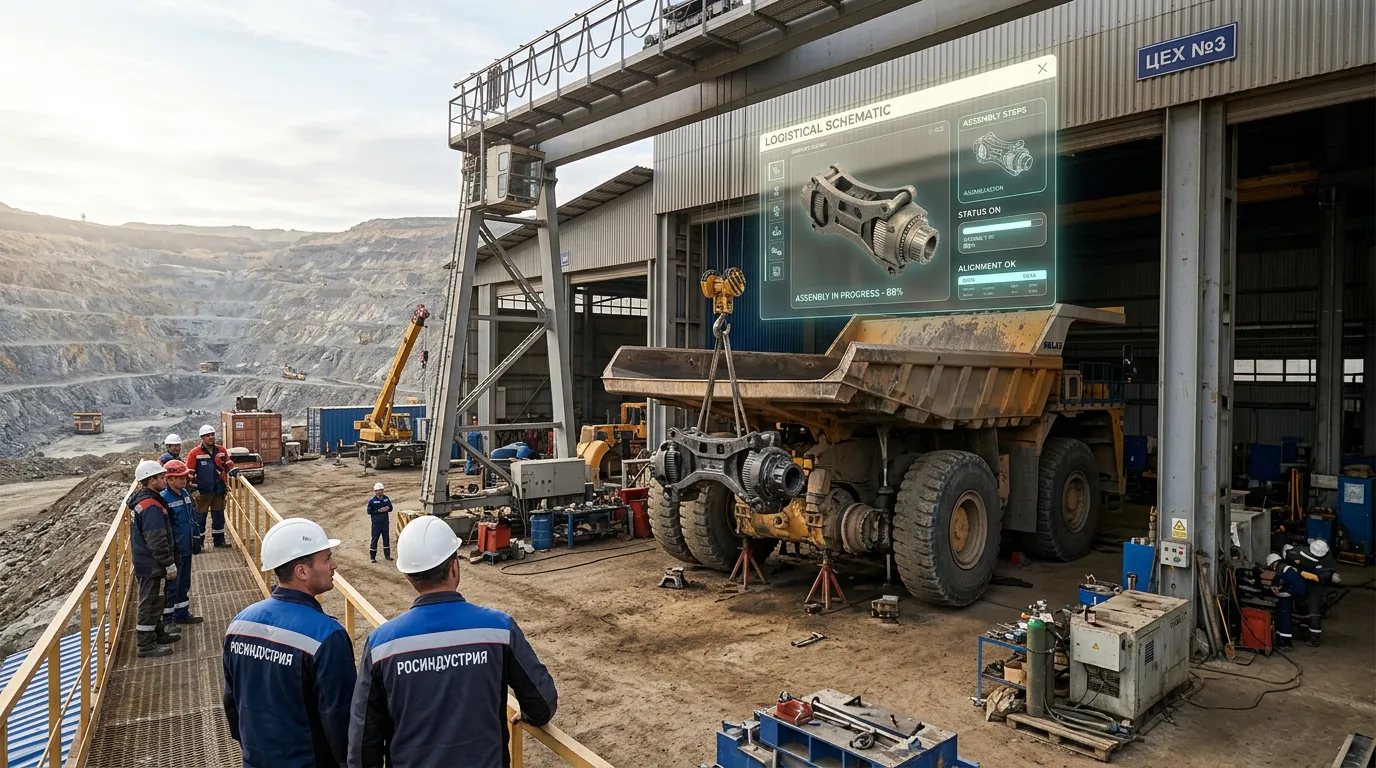
Additive manufacturing can help address the replacement of equipment parts previously supplied by foreign manufacturers. The Innoprom 2025 exhibition showed that 3D printing has become part of industrial digitalization, in which a physical object is produced directly from a digital model.
Experts forecast that mining will become one of the largest consumers of additive manufacturing because downtime is costly. They also expect repair facilities to be established at industrial sites on a large scale, along with industry-specific digital catalogs of parts.