EnergyCS: Russian Engineering Software Is Reshaping Digital Design in Power
Russia is rapidly advancing the substitution of imported engineering software with domestic alternatives. At the 48th Engineering Systems Forum in Moscow, Russian developers presented new integrated solutions for the power industry.
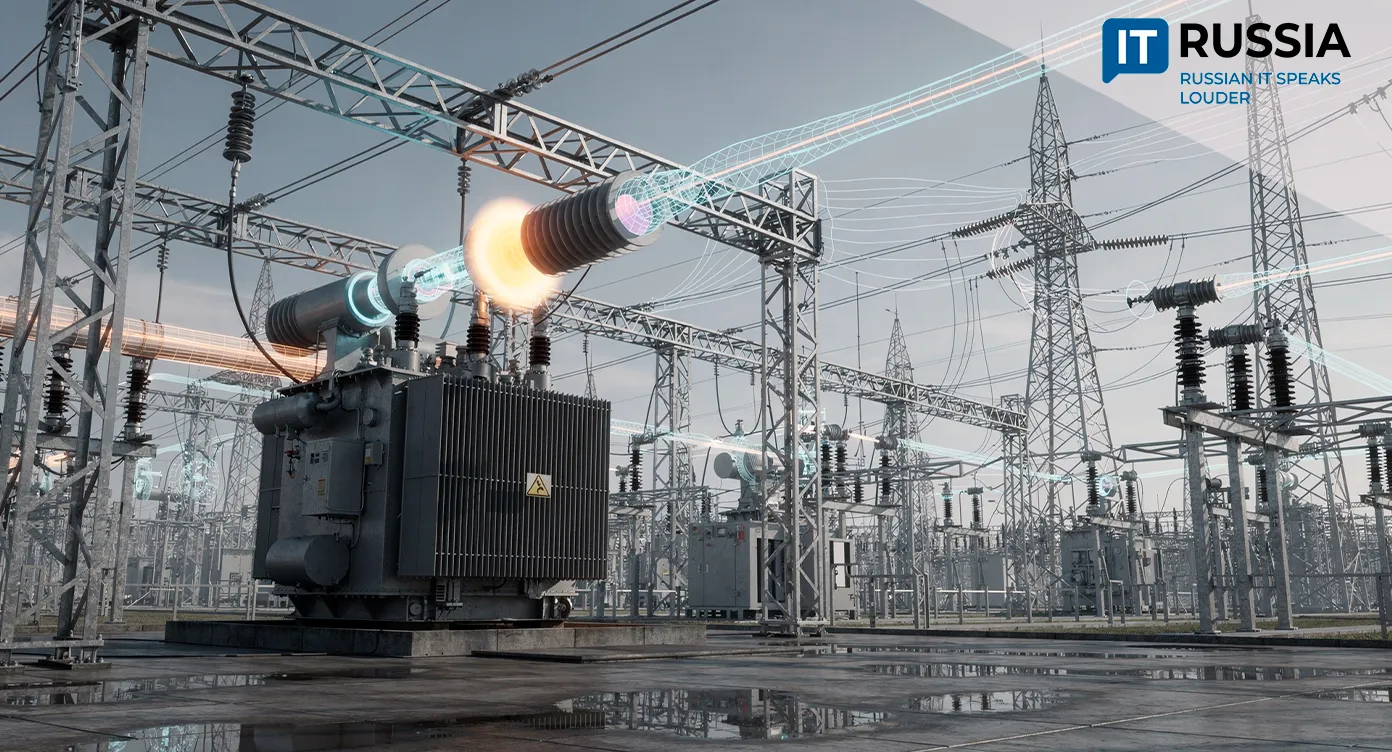
JSC CSoft Development presented an updated EnergyCS software suite designed for the design and operation of electric power systems. It comprises five independent programs, each focused on specific tasks within an information model of an electrical grid.
“EnergyCS Rezhim” (EnergyCS Operating Modes) is designed for steady-state calculations; “EnergyCS TKZ” (EnergyCS Short-Circuit Currents) determines short-circuit currents; “EnergyCS Poteri” (EnergyCS Losses) analyzes and forecasts electricity losses; “EnergyCS Elektrika” (EnergyCS Electrical) can be used to calculate low-voltage distribution networks; and “EnergyCS Line” automates the design of the mechanical components of overhead power lines and fiber-optic communication lines.
All the modules can be integrated into the Model Studio CS information modeling system, which is designed for industrial and civil construction projects. This means power companies adopting specialized EnergyCS software can build a unified workflow for developing their facilities, from creating an information model through to highly specialized engineering tasks.
Experts say Russian design products have already surpassed their foreign counterparts in some respects. Their advantage, they argue, is that the platforms were designed from the ground up with the benefit of lessons learned from other systems. Unlike foreign competitors, Russian developers also offer fully integrated solutions covering the full range of engineering disciplines.

From Localization to Industry Platforms
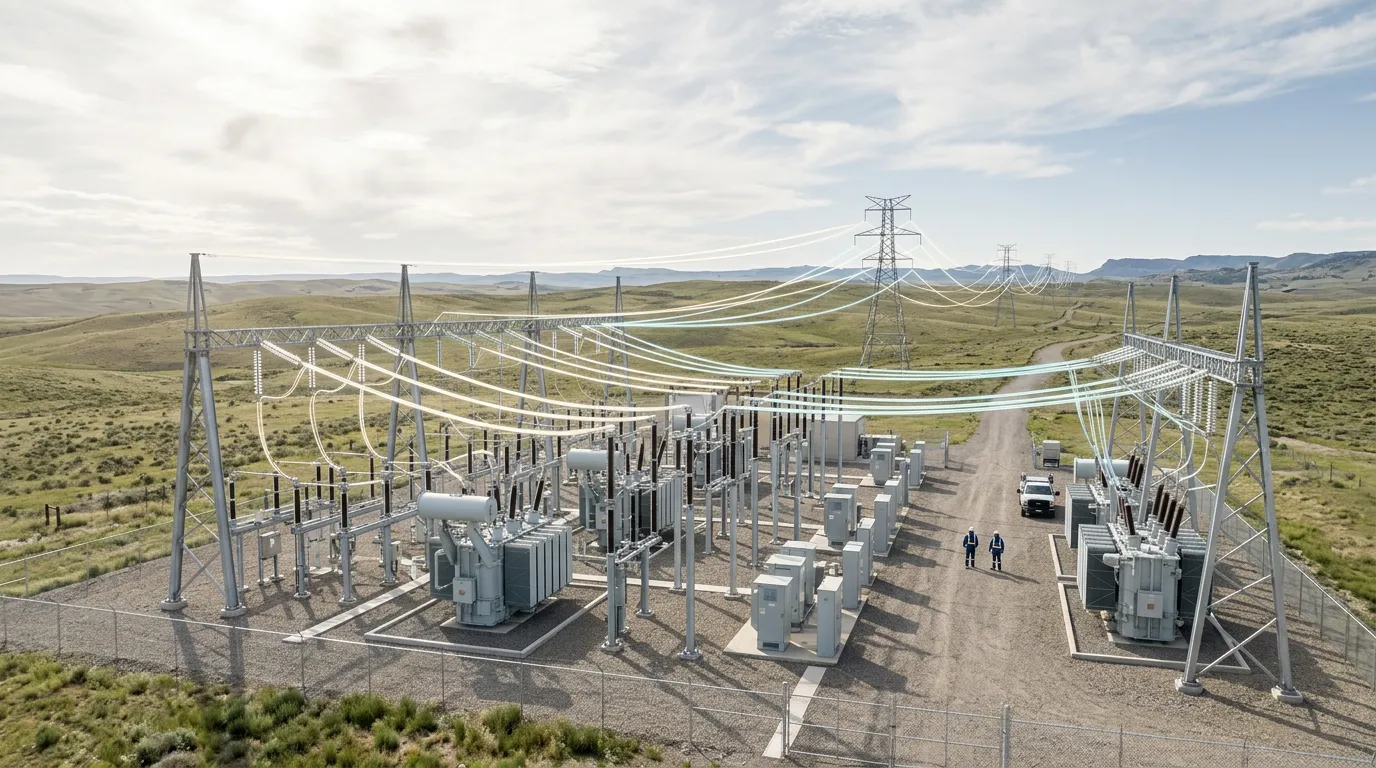
This approach opens significant opportunities for deploying platforms such as EnergyCS across Russia’s power industry. Companies are not merely replacing imported software. The process is also driving a shift from collections of calculation programs supplied by different vendors toward integrated digital platforms. In practical terms, power companies get a product that can support the design of combined heat and power plants, nuclear power plants, substations, high-voltage transmission lines and distribution networks. The same platform also handles the calculations associated with operating these facilities.
According to the developers, these advantages could eventually find demand in international markets as well. There are virtually no direct equivalents to such integrated products worldwide. Their broad functionality and the quality of Russian engineering software allow it to compete with imported solutions.

Five Years of Engineering Software Evolution
Although foreign products such as Intergraph (Hexagon), AVEVA, Autodesk and Bentley Systems dominated Russia’s CAD market until the early 2020s, successful domestic competitors already existed. For example, in 2000, Ascon launched the Kompas-3D system. In 2002, it began developing the SPAR TP Vertikal system. The first software products in the Model Studio CS family also appeared during that period.
Russian developers made a major leap, however, with the launch of the large-scale import-substitution program. Information modeling technologies began expanding rapidly in 2022. By 2023, the industry had begun moving beyond the simple replacement of individual imported applications toward the creation of complete engineering design ecosystems.
Within just a few years, Russian developers have not only supplied customers with capable software but also significantly strengthened their technological security. Servers used to run foreign products, as well as access to those systems, were controlled by foreign companies. This created substantial risks for users, including potential access to confidential information and the possibility of software being disabled remotely.
What Lies Ahead for the Industry
The release of the updated EnergyCS version illustrates how Russia’s CAD and industrial software market is moving toward a comprehensive digital environment.
In the coming years, such software is expected to be integrated more frequently with digital twins of existing power systems and to make broader use of neural-network technologies. For the power industry, this is expected to improve design quality significantly and make the management of operating systems more reliable. Meanwhile, the major leap made by Russia’s IT industry has enabled it to develop products that, taken together, have no direct equivalents on the global market.