Glucose on Screen: Russian Technology Helps People Manage Diabetes
Continuous glucose monitoring systems can be transformative for people living with diabetes. Users of these devices report feeling more confident, experiencing less anxiety and finding it easier to manage their daily lives.
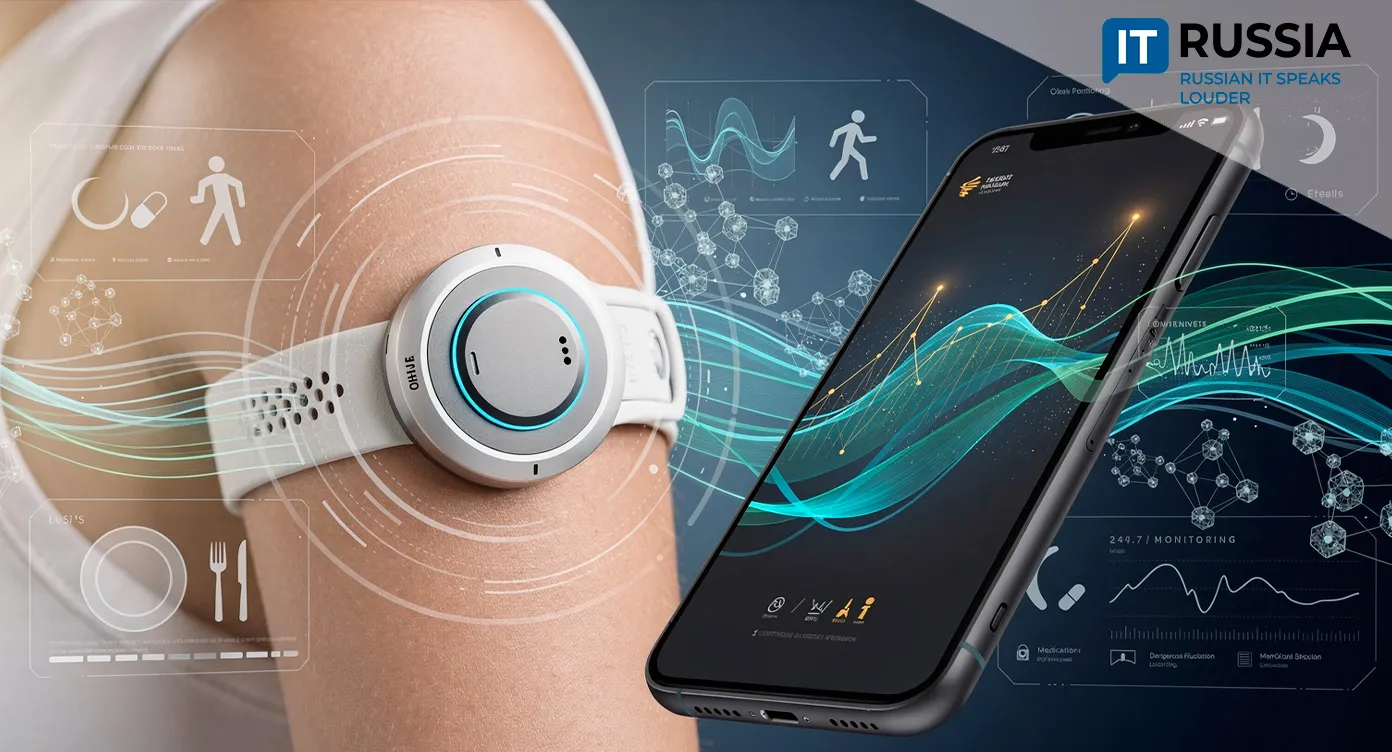
Diabetes is more than a diagnosis – it becomes almost a lifestyle. For someone with the condition, each day begins with a question: “What’s my blood sugar?” The answer can affect how the person feels that day and what they eat. For millions of people in Russia, finding out still means pricking a finger, drawing a drop of blood and using a glucose meter. But there is another option: continuous glucose monitoring (CGM) systems. A small sensor worn on the skin measures glucose and warns users about dangerous spikes or drops.
A study by the independent Russian research center Russian Field, presented at the Izvestia press center, found striking results: 94% of CGM users reported an improved quality of life, 93% said glucose management had become easier, 71% reported less anxiety, 70% said traveling had become easier, 54% said the same about exercising, and 42% reported better sleep. The findings suggest that digital technology does more than simplify glucose management – it can help people regain a sense of normalcy in their daily lives.
What CGM Is and How It Works
A continuous glucose monitoring system is a small device attached to the skin that measures glucose levels in interstitial fluid. Data from the sensor is transmitted to a mobile app every few minutes. Patients can see not only their current glucose level but also the trend – whether it is rising or falling, how quickly it is changing and whether there is a risk of hypoglycemia.
That represents a fundamentally different level of diabetes management. Instead of isolated snapshots of their glucose levels, patients receive a continuous stream of information around the clock. That matters even at night, when a dangerous drop in glucose could otherwise go unnoticed. If that happens, an alert is sent to the user’s phone.
What the Numbers Show
The Russian Field study is one of the few in Russia to assess how CGM affects the everyday lives of people with diabetes. It involved 1,000 respondents and 35 experts, including patients, parents of children with diabetes, endocrinologists and representatives of medical technology companies.
The results are notable: nine out of 10 CGM users feel that managing diabetes has become easier. Parents of children with diabetes also highlighted the importance of the devices. For them, a sensor can mean being able to sleep through the night instead of waking every two hours to check their child’s glucose level. Seven out of 10 respondents said their anxiety had decreased.

Sensors for Everyone
Russian healthcare professionals are now separately working on ways to expand patient access to CGM systems and provide government support, based on medical indications, for adults with type 1 diabetes. Children, meanwhile, receive sensors through a government program.
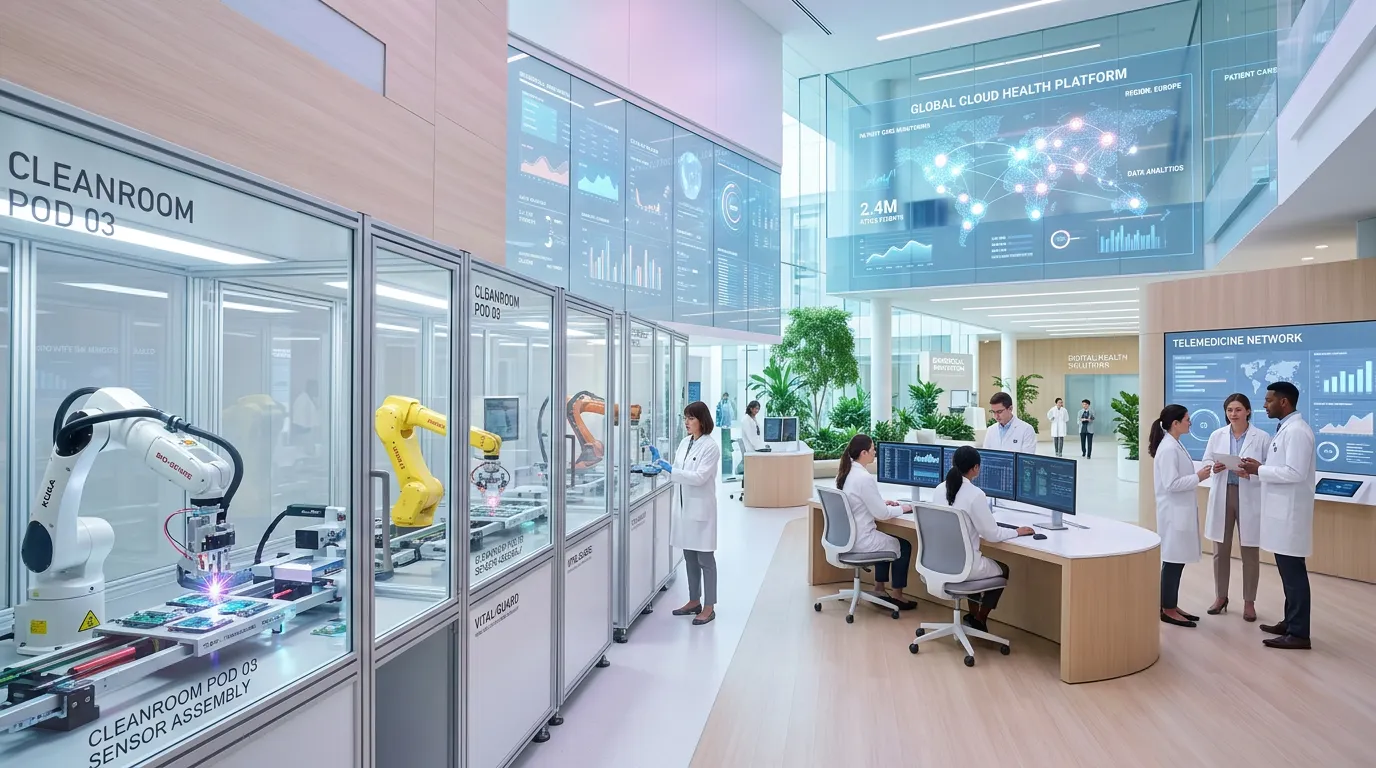
One way to expand access is to localize CGM manufacturing in Russia. Viktor Valuev, CEO of Sinocare Trade, said a production operation with capacity for 800,000 sensors a year is being developed in the city of Artyom in Russia’s Primorsky Krai. Beyond replacing imports, domestic manufacturing could make the technology less expensive and more accessible to patients across the country.
Widespread CGM use will clearly reduce the number of emergency hospitalizations caused by hypoglycemia, improve diabetes management and give physicians objective data to adjust treatment. That, in turn, means patients can live longer, require hospitalization less often and place less strain on the healthcare system overall.
From Sensor to Digital Ecosystem
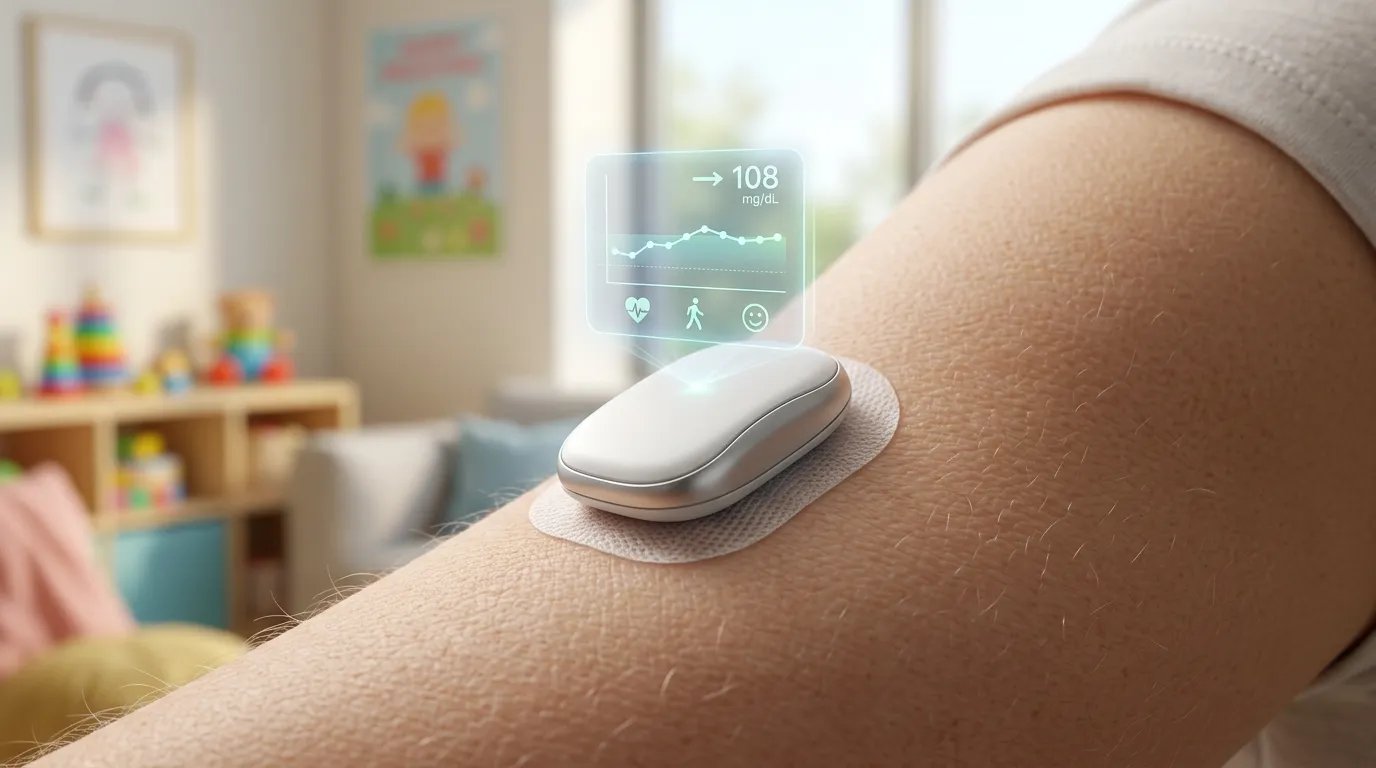
The next stage in CGM development is to build a complete digital system around the patient. In the future, monitoring data could be combined with information about physical activity, nutrition, medication use and other health indicators. Physicians would then have a more complete picture of a person’s condition, while patients could better understand how different factors affect their glucose levels.
Another promising area is intelligent data analysis. AI algorithms could help identify recurring patterns, warn of potentially dangerous conditions and flag information that deserves a physician’s attention.
For Russian developers, this represents a substantial market opportunity. Monitoring systems are in demand beyond Russia as well. Diabetes remains a common chronic disease worldwide, and digital tools are increasingly becoming part of its management.