AI to Help Manage Leningrad Region’s Agriculture Sector
Specialized version of GigaChat Pro will process subsidy applications from agricultural producers.
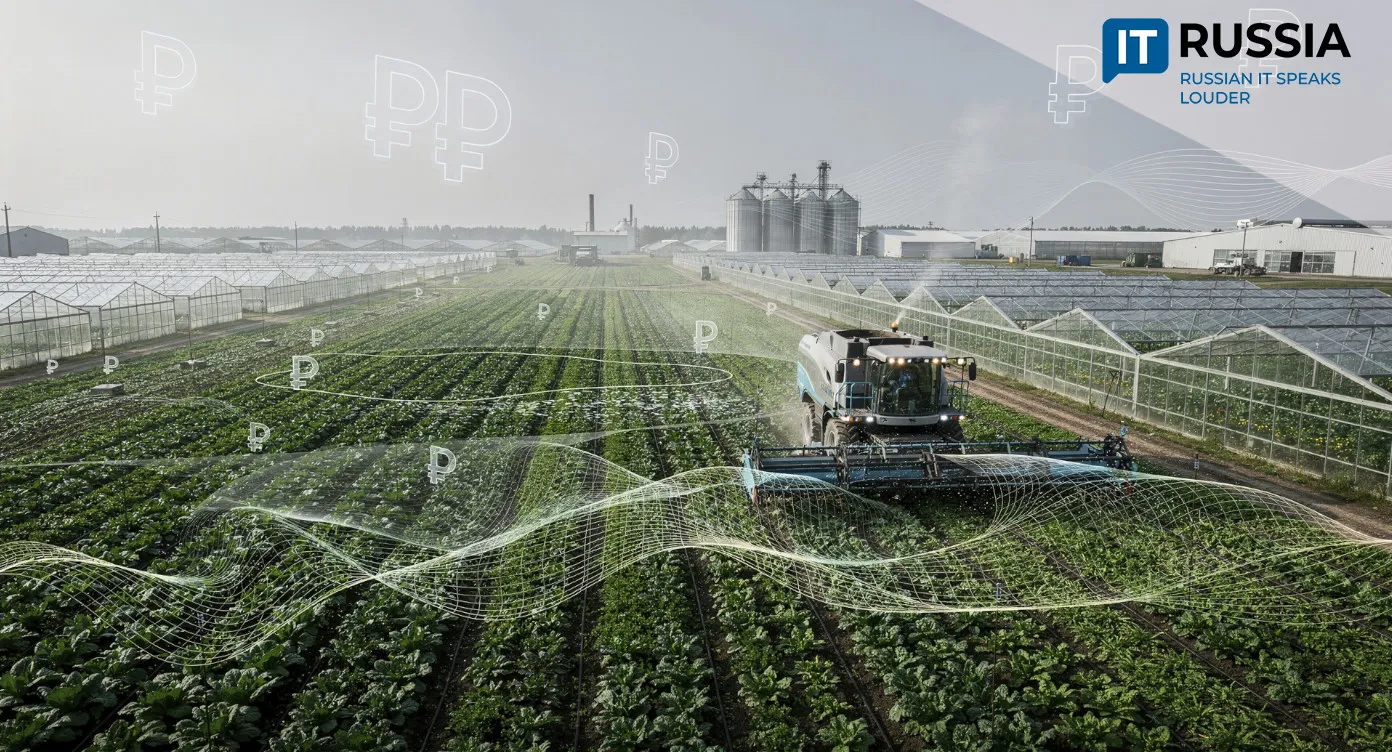
The Government of the Leningrad Region, together with the management of Sberbank’s Leningrad regional office, is launching a pilot project to use GigaChat generative AI in managing the agricultural sector. Under an agreement signed at the AgroRus exhibition, the region plans to become the first in Russia to test a specialized version of GigaChat Pro for processing subsidy applications in agriculture.
Projects like this are aimed at advancing a “digital government,” where generative models become tools for processing large volumes of documents, preparing decisions and streamlining administrative processes. GigaChat is emerging as a technology platform for building specialized assistants across sectors ranging from business and industry to government and agriculture.

AI to Support Agricultural Workers
Over time, systems like these could become digital assistants for agricultural business managers and government agencies overseeing the sector. Generative models could be used not only to process applications but also to advise professionals, analyze regulations, prepare reports, find information about support programs and assist with management decisions. Agriculture involves a substantial amount of this kind of routine work, so automating it could provide tangible support for employees.
Russian developers will need to demonstrate that they can build specialized AI solutions that meet demand in international markets across industries, including agriculture. Scaling these solutions will require integrating AI with industry-specific information systems, improving the quality of specialized data and creating mechanisms to verify the accuracy of model responses. Reliability is especially important here because AI errors in document processing could affect the distribution of financial support. But for now, the Leningrad Region will be building practical experience with generative AI in agricultural administration.

Digital Farming
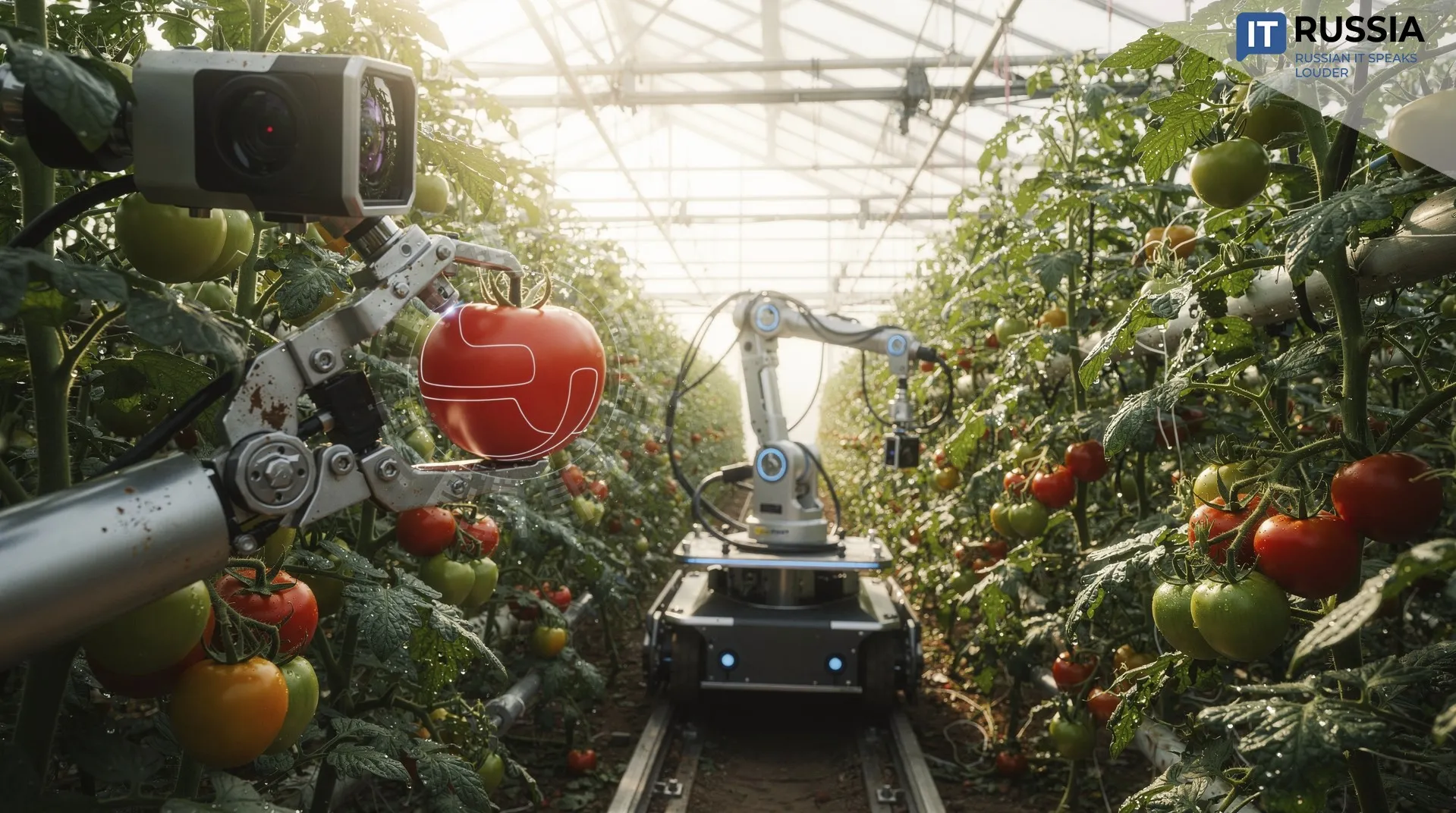
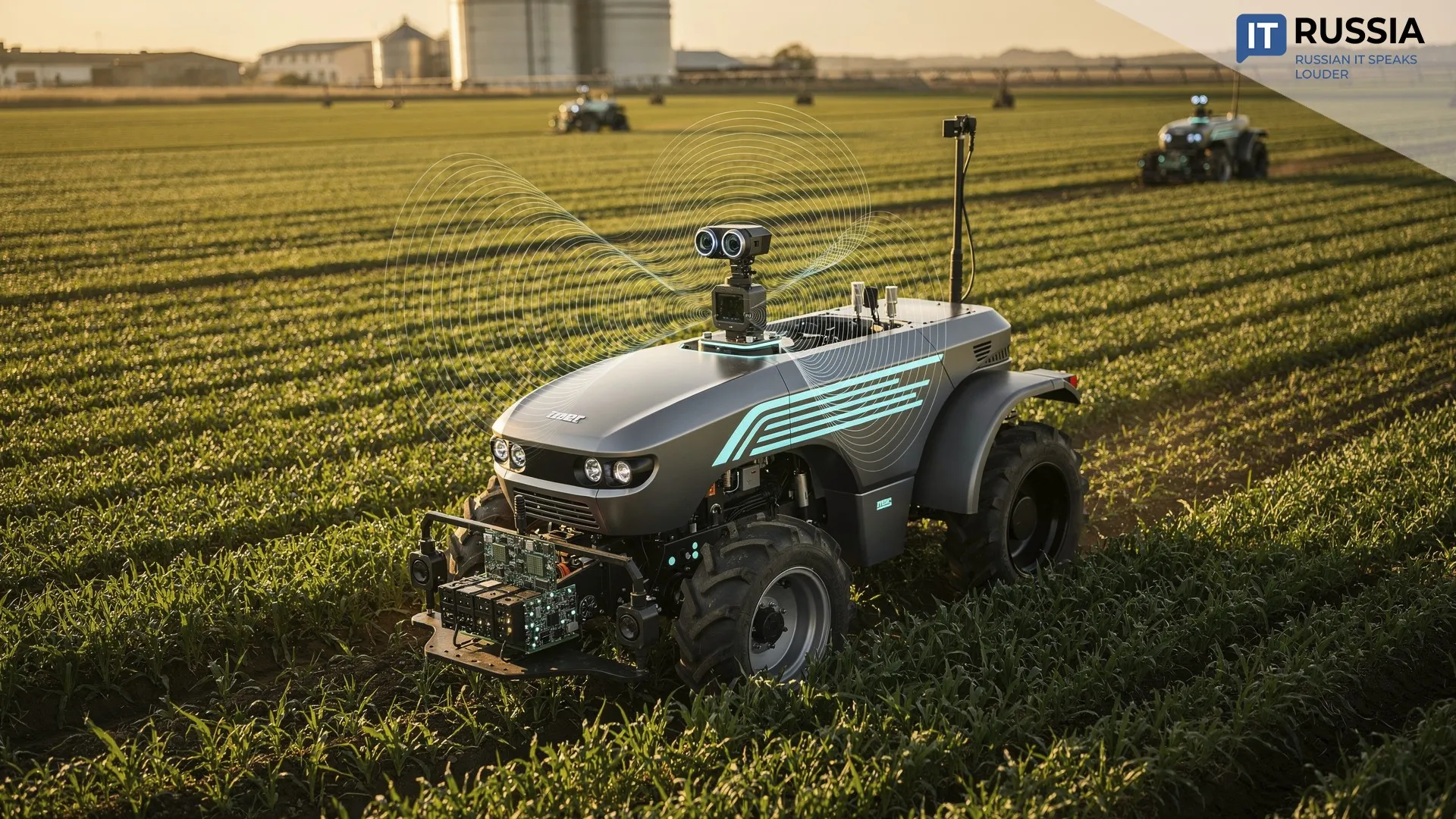
In 2020, Sber and Cognitive Pilot deployed Cognitive Agro Pilot autonomous control systems for agricultural machinery. AI-controlled farm equipment was used to cultivate fields in 35 Russian regions, covering more than 160,000 hectares and harvesting more than 720,000 metric tons of crops. Russian companies subsequently continued developing digital farming technologies, including satellite monitoring, analysis of field conditions and yield-forecasting systems.
In 2023, Sberbank introduced GigaChat, a Russian generative AI model initially used as a general-purpose assistant for generating text, analyzing information and handling user requests. It later evolved into an infrastructure platform for building specialized solutions. The following year, Sberbank was already demonstrating AI use cases in agriculture, ranging from digital agronomists to systems for analyzing production data. In 2025, the company introduced the updated GigaChat 2.0 family, designed to handle more complex business tasks. The model was also adopted in services for businesses, government organizations and consumer devices.
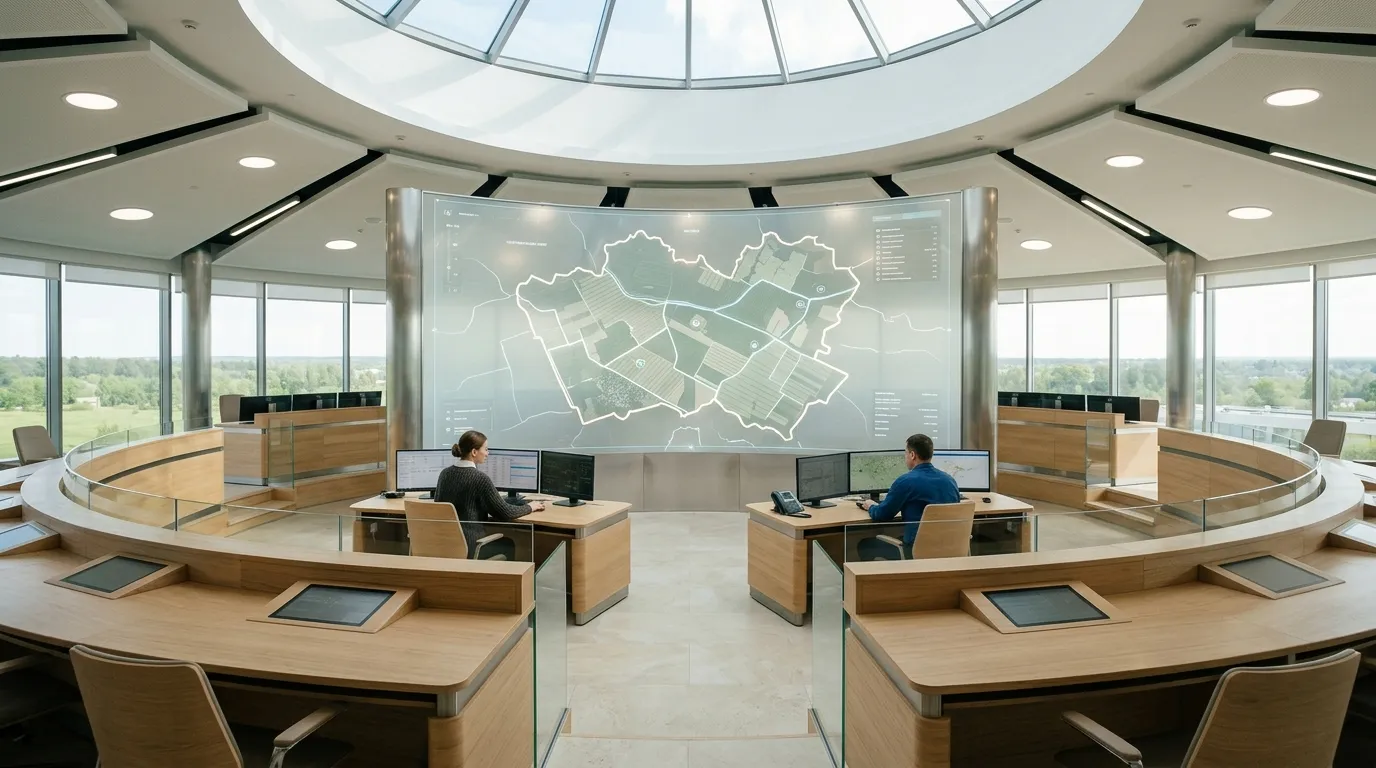
The launch of the GigaChat pilot for agricultural administration in the Leningrad Region is another indication that Russia’s AI market is moving toward specialized industry solutions. More projects of this kind can be expected in the coming years, with generative AI used to analyze documents, support government decision-making, handle public requests and automate processes across different sectors of the economy. Agriculture could become one of the main areas because many of the sector’s processes are well suited to automation.
Over time, successful regional pilots could provide a foundation for deploying these solutions more broadly across Russia and developing export products for international markets where digital agricultural management technologies are in demand.