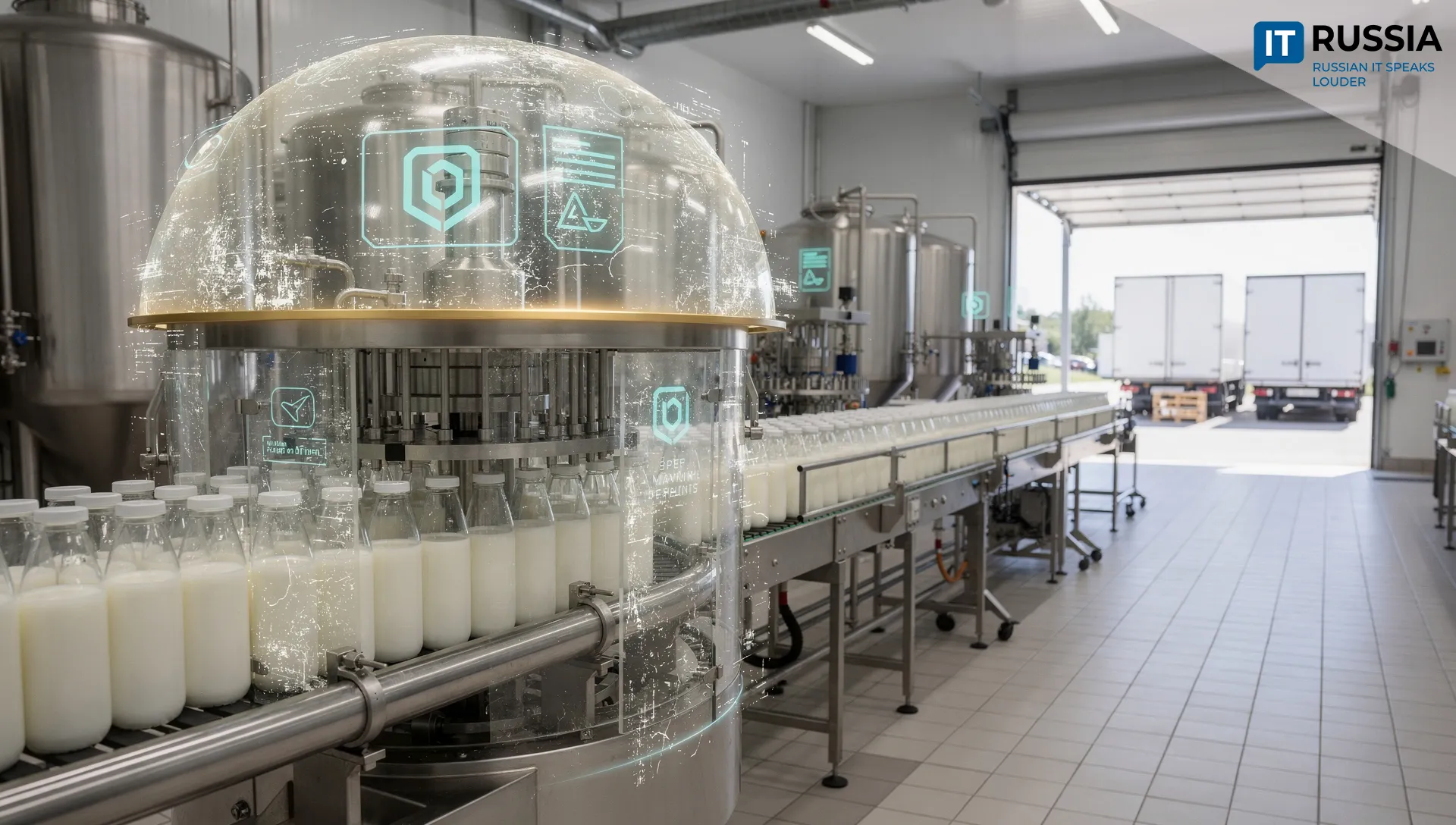
Milk Quality Checked by AI
Scientists at Kazan State Agrarian University have trained a neural network to detect adulterated and substandard milk.

Technologies that can quickly and accurately analyze the composition of milk and dairy products are essential for building an effective system to protect Russian consumers. When milk fat is replaced with vegetable oils and other non-dairy components, the product loses nutritional value. The situation is even more serious when potentially harmful substances such as antibiotics and preservatives get into milk. Consuming such products can cause digestive problems and allergic reactions and, over the long term, may contribute to illnesses.
According to Russia’s Federal Service for Veterinary and Phytosanitary Surveillance (Rosselkhoznadzor), the share of adulterated dairy products on Russian store shelves approached 18% in 2025. Digital technologies can help identify suspicious products quickly and accurately.
A Complex System for Detecting Adulterated Products
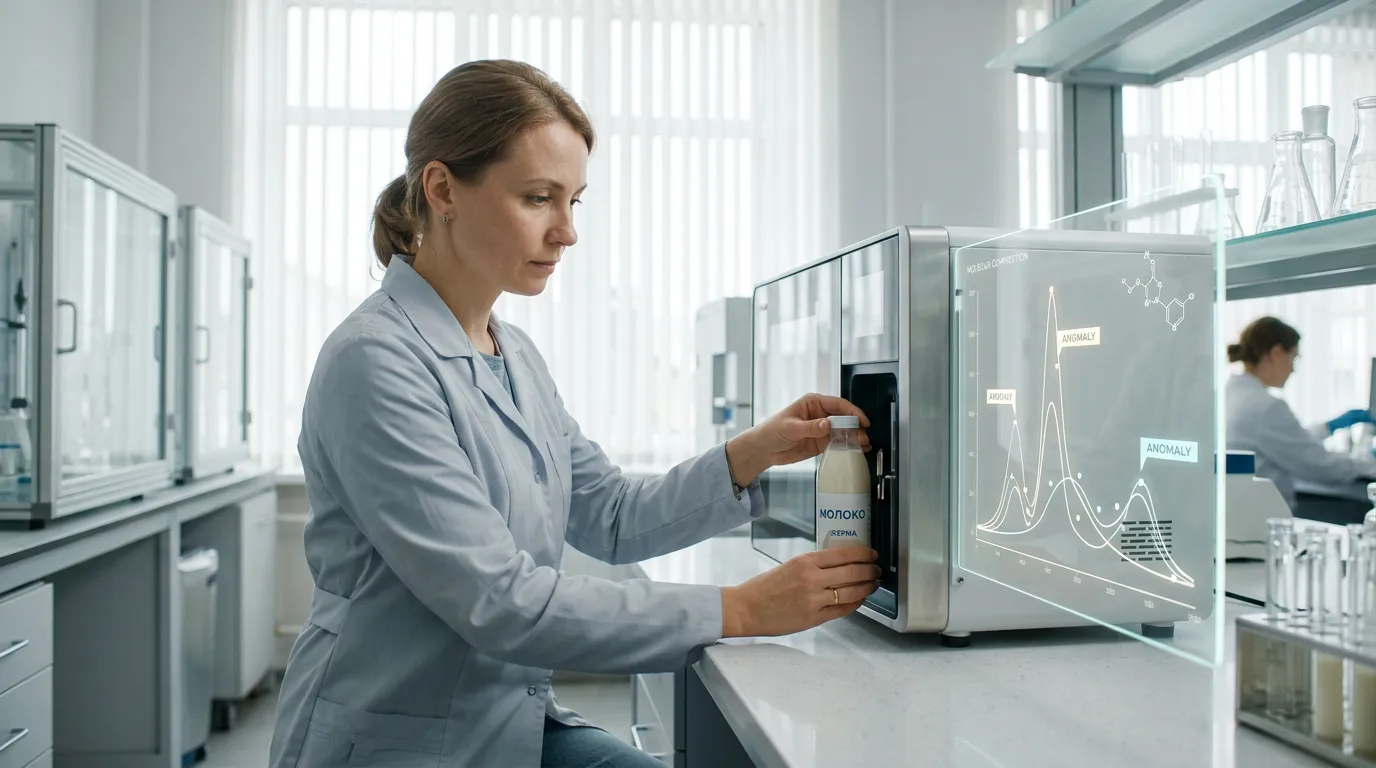
Experts at Kazan State Agrarian University (Kazan SAU) have proposed using a specially trained neural network to detect adulterated or substandard milk. Its advantage is that AI algorithms can analyze dozens of parameters simultaneously.
Today, the market offers many types of substandard dairy products. Unscrupulous producers replace some of the milk fat with various plant-based substitutes, dilute whole milk with water or a skim-milk base, and sometimes even pass off milk from one animal species as milk from another. They may also falsify information on packaging or in accompanying documentation, failing to disclose additives or harmful substances in the product.
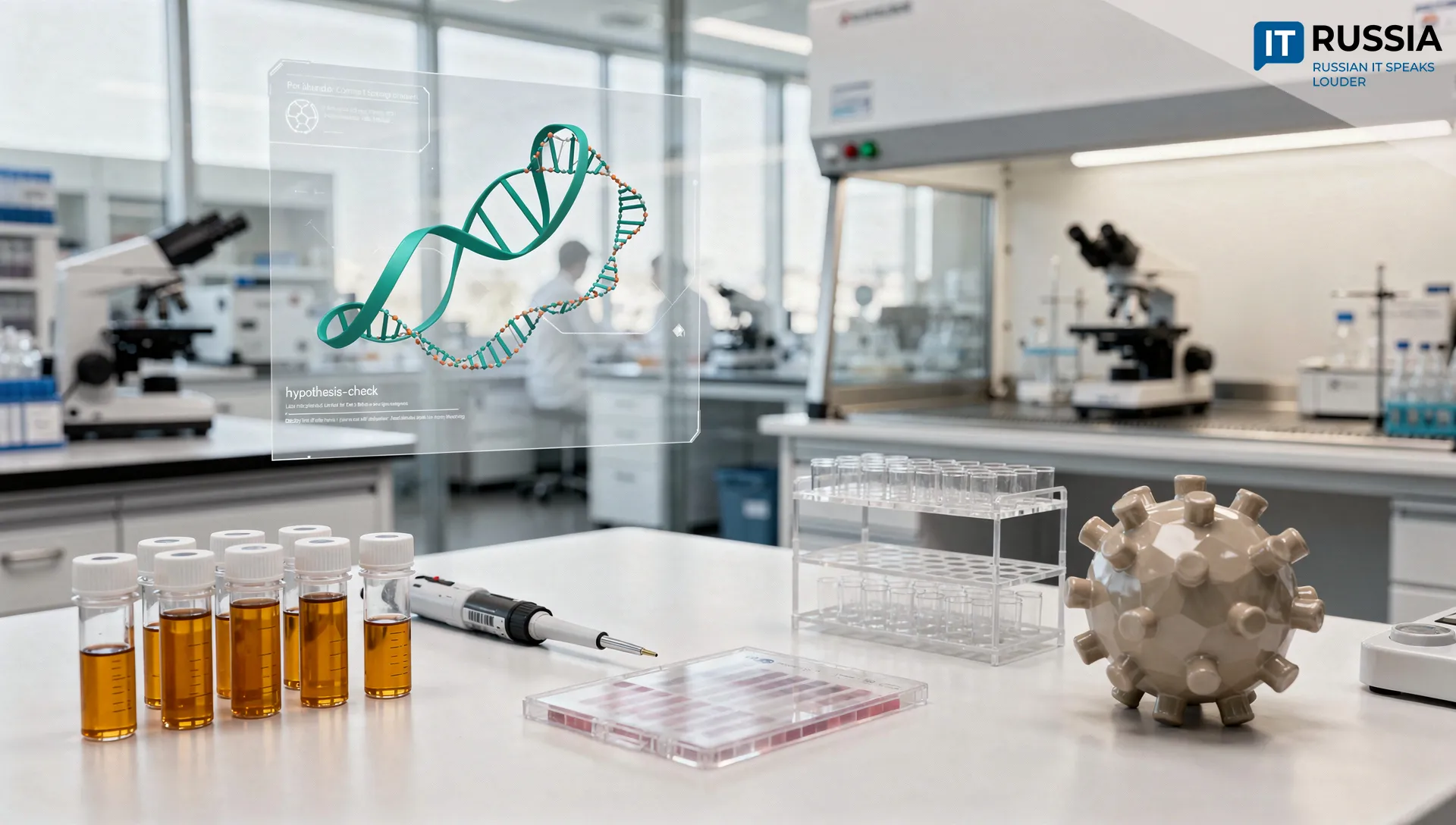
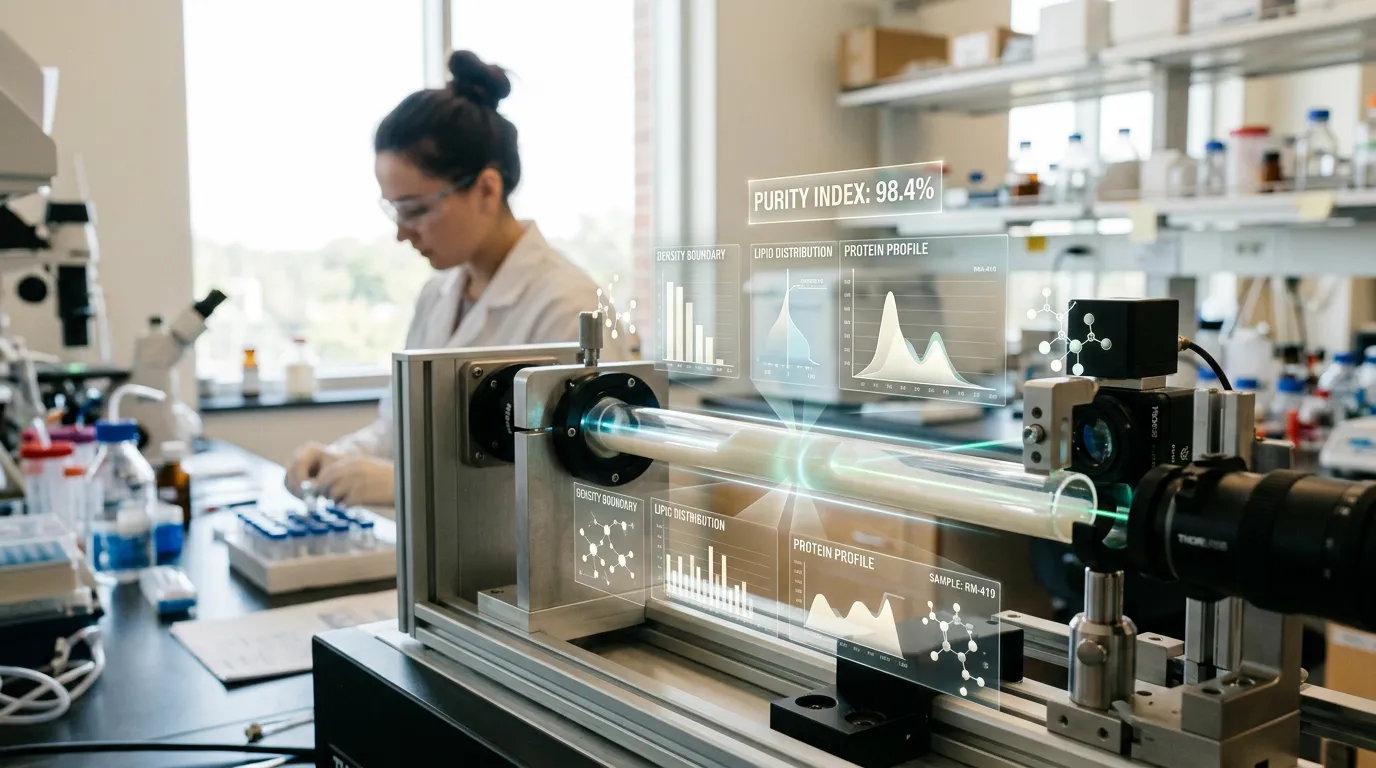
Professionals use various methods to check product quality. For example, physicochemical measurements provide data on fat and protein content, while chromatography and spectroscopy can detect antibiotics, preservatives and added water. However, only molecular biology methods can identify the animal species from which the milk came, detect plant proteins or identify genetically modified components. Combining the results into a single analytical assessment is done manually, making the process highly labor-intensive because each sample generates a large volume of data.
Digital Taste
Artificial intelligence takes on a large volume of complex, routine work, significantly speeding up the process and helping make sure adulterated products do not go undetected. Algorithms are particularly effective when working with large datasets from different sources. The neural network considers dozens of parameters simultaneously while identifying hidden relationships among them. For example, it compares the final results obtained using different technologies for analyzing product composition with the information provided on the packaging.
Experts at Kazan SAU are not replacing laboratory testing with a neural network but using it as an analytical tool. They propose a multi-level system for testing and assessing dairy products. The first stage involves non-destructive screening. Samples identified as potentially suspicious are then subjected to additional testing using all available technologies.
This model makes the process more cost-effective. It improves the effectiveness of food safety controls without increasing the workload on laboratories, because complex, high-tech testing methods are used selectively when analytical data indicate a potential problem.
Smart Quality Control
The experience of scientists in Kazan is not the only example of digital technologies being deployed in Russia to monitor food quality. For example, scientists at ITMO University are developing a method that uses electrochemical sensors to analyze milk for the presence and concentration of antibiotics. AI is being used to build a database that will enable the device to be used by different users in the future.
Scientists at Kaliningrad State Technical University have developed a method for rapidly identifying caviar substitutes. The platform can quickly provide data on the product's composition and even determine the technology used to produce the adulterated product.
In 2024, Rosselkhoznadzor used AI to identify 164,200 metric tons of unsafe products and prevent them from entering the market.
Thus, 2026 saw the start of the development of specialized AI platforms designed to work with specific food products and monitor production processes and quality from farm to store shelf. In the future, such solutions are expected to be integrated into digital management systems at food-processing companies.

Demand for smart food-quality control technologies is expected to grow rapidly, giving Russian developers access to a promising market segment. Because the problem affects countries around the world, Russian solutions could also find demand in developing countries with rapidly growing food markets.