Proryv (Breakthrough) Project Presents Robotics Training Base at Sirius University Competition
Rosatom’s Proryv (Breakthrough) technology project has demonstrated the capabilities of a robotics training and experimental facility at Sirius University of Science and Technology.
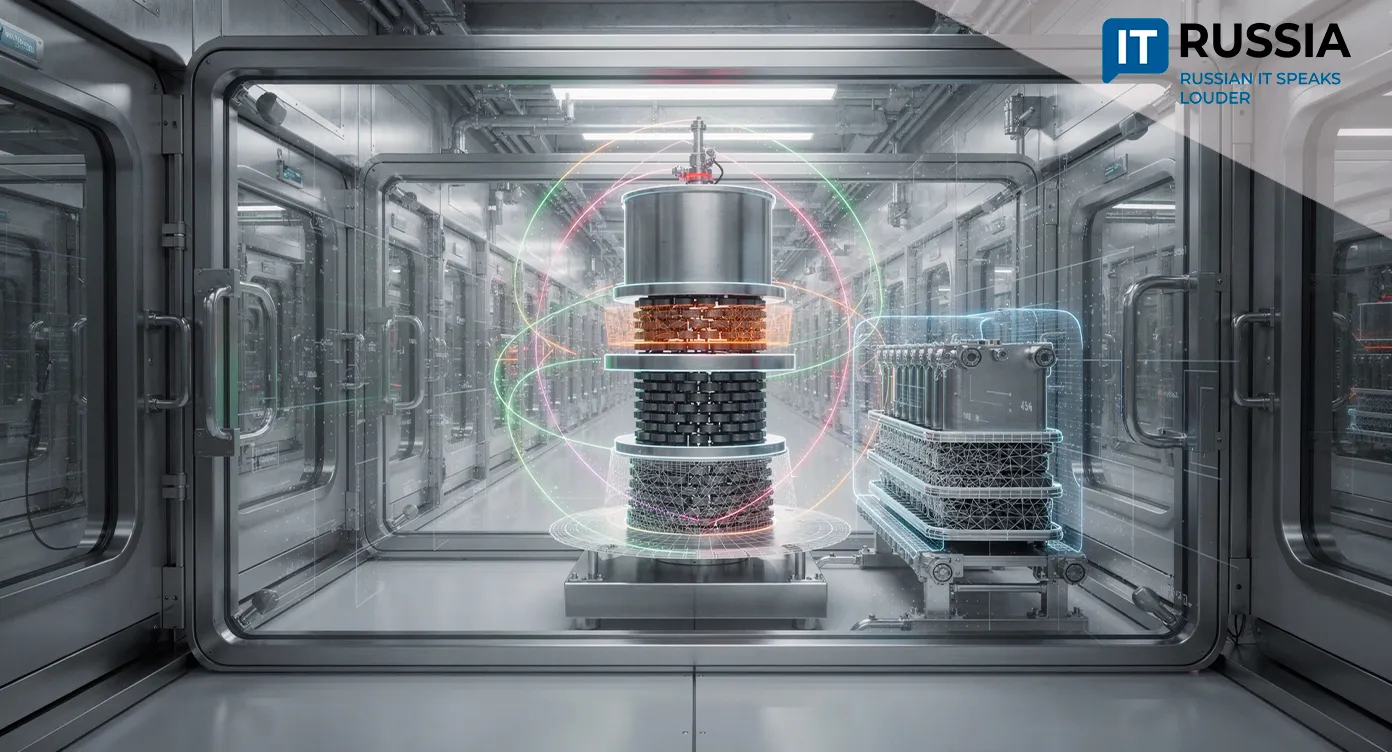
The presentation took place as part of the nationwide Best in Profession competition. Engineers and software developers on the project are being trained, among other things, to help create unmanned production facilities for a closed nuclear fuel cycle.
Robotic Lines for the Closed Fuel Cycle
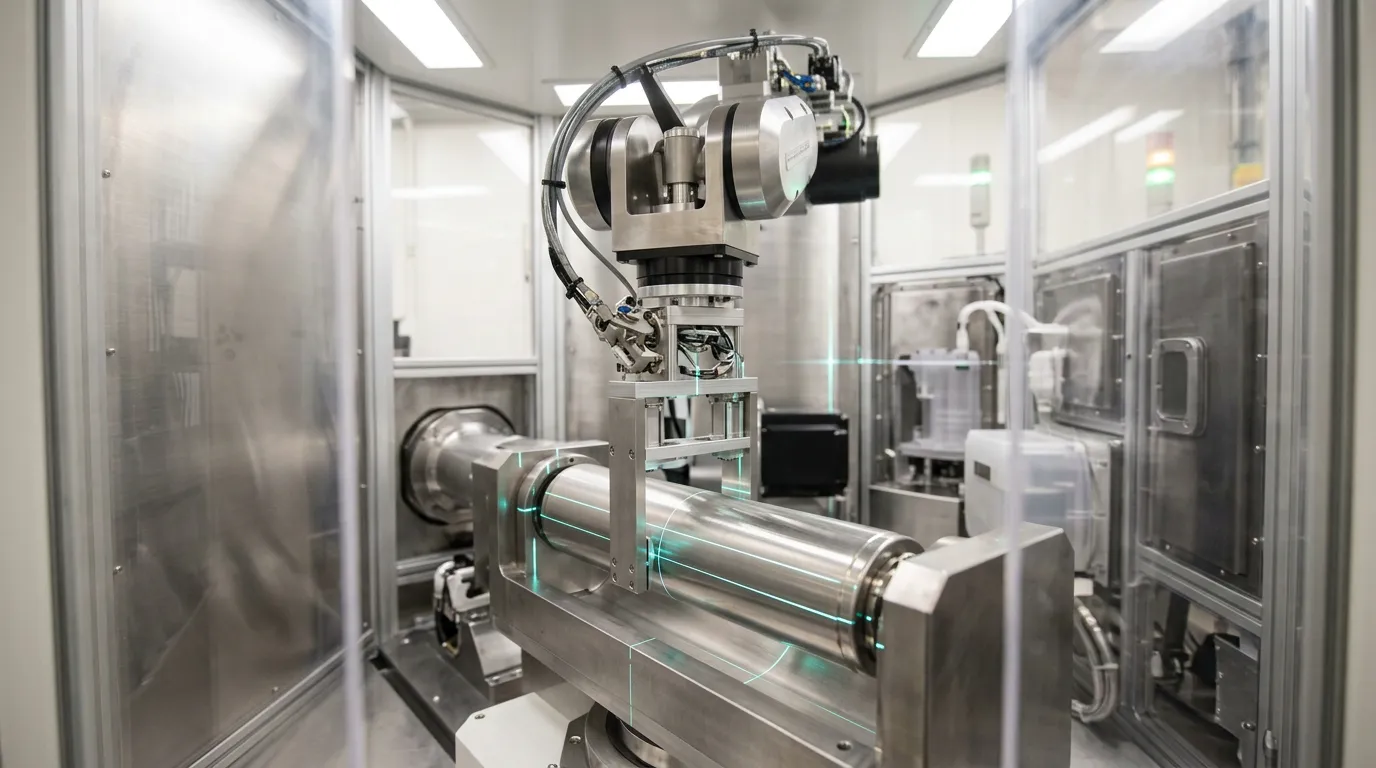
The project’s training and experimental facility provides a full range of skills needed for modern production. Students and young professionals work with robotic manipulators and advanced equipment for assembling and welding fuel elements. They practice every stage of nuclear fuel production, from pressing fuel pellets to producing completed fuel assemblies.
All the equipment has been developed around the concept of unmanned production. The manufacturing lines are built from quickly replaceable modules that can also be serviced by robots. This eliminates or minimizes human presence in areas with high radiation hazards. That capability is particularly important when working with mixed uranium-plutonium nitride fuel.
The modern production lines are based on developments by Rosatom’s Fuel Company. Unique fuel assemblies with a sodium liquid-metal underlayer have already been manufactured, while robotic systems can assemble fuel elements without the risk of loss of containment.
Digital Modeling and Software Development
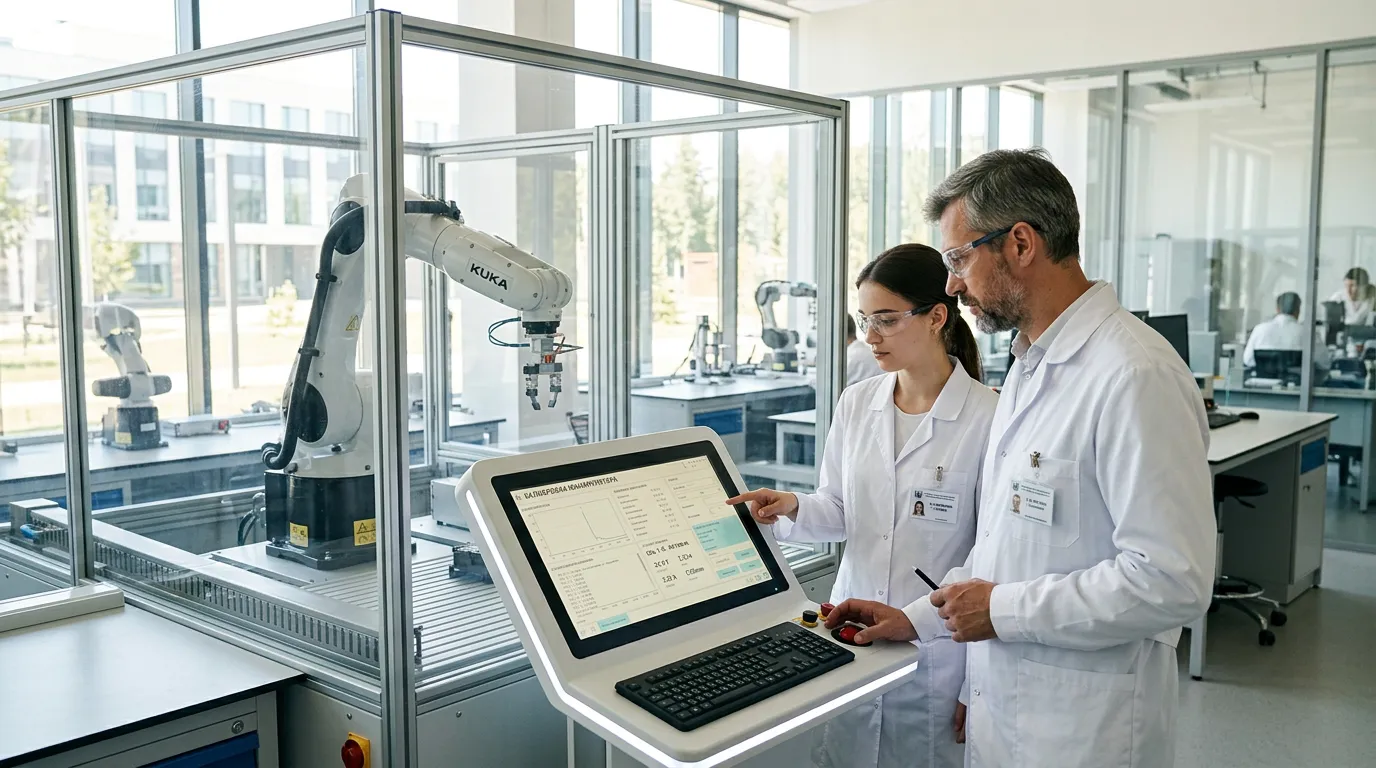
School students, undergraduates and graduate students take part in work at the facility. They operate finished machines and even develop software for them, including manipulator control algorithms and machine-vision systems for monitoring assembly quality.
Three Tomsk universities play a key role in workforce training. Among them are Tomsk Polytechnic University, Tomsk State University and Tomsk State University of Control Systems and Radioelectronics. Tomsk Polytechnic University is responsible for digital modeling of production facilities and the development of customized robotic systems.
University professionals create digital twins of robotic production lines, while early-career engineers can use virtual environments to test manipulator trajectories and optimize assembly cycles. Digital modeling shortens the time required to commission physical equipment.
Workforce Potential for New Energy Complexes
The transition to fourth-generation energy systems will require large-scale robotics. Closing Russia’s nuclear fuel cycle will require several thousand specialized robotic systems. The industry urgently needs engineers capable of designing, programming and maintaining such systems.
The nationwide Best in Profession competition has provided a venue for demonstrating these skills. Participants learn about advanced technologies and assess career opportunities in the nuclear industry. The Proryv project alone is expected to require about 45,000 professionals by 2035. A significant share of these jobs will involve operating automated modules for processing spent nuclear fuel.
A closed nuclear fuel cycle fundamentally changes the environmental profile of nuclear power because repeated use of uranium and plutonium reduces the volume of radioactive waste. Automating these processes also makes nuclear power safer for personnel and the environment by having robots perform hazardous operations to extract useful components from spent fuel.
Integration Into the Educational Environment
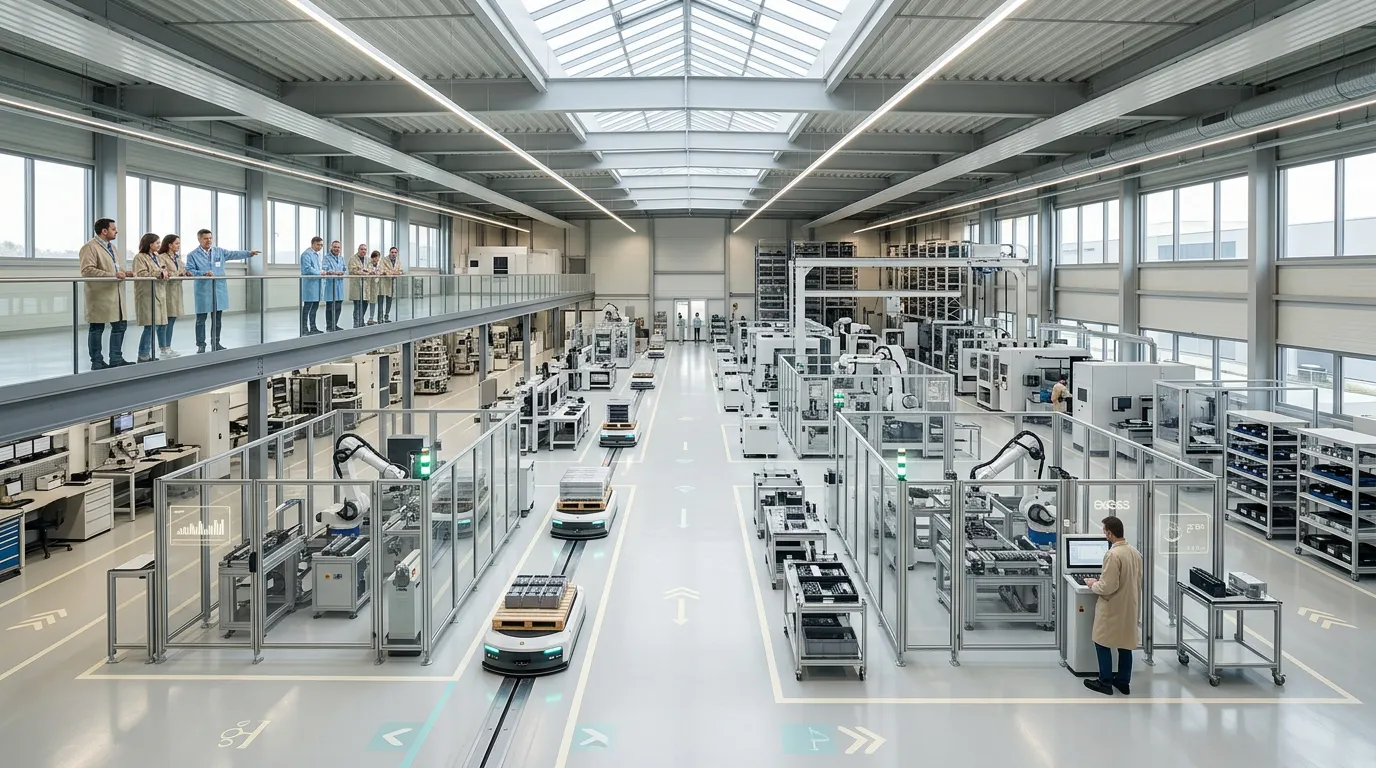
The training and experimental facility of the Proryv project was opened at Sirius University in late 2023. It has become a link between fundamental science, engineering expertise and hands-on training. The university gives students access to unique equipment unavailable at conventional universities, while young professionals learn how to work with innovative materials.
Integrating production expertise into the educational environment accelerates graduates’ transition into the workforce, while employers gain engineers already familiar with the specifics of nuclear equipment manufacturing. This reduces the cost of retraining personnel when new energy complexes are commissioned and builds a sustainable talent pool for Rosatom’s strategic projects.