Rosatom to Deploy Machine Vision Systems at Nuclear Fuel Manufacturing Plants
State Atomic Energy Corporation Rosatom plans to deploy industrial machine vision hardware and software systems at facilities operated by TVEL Fuel Company, strengthening automated quality assurance across nuclear fuel production.
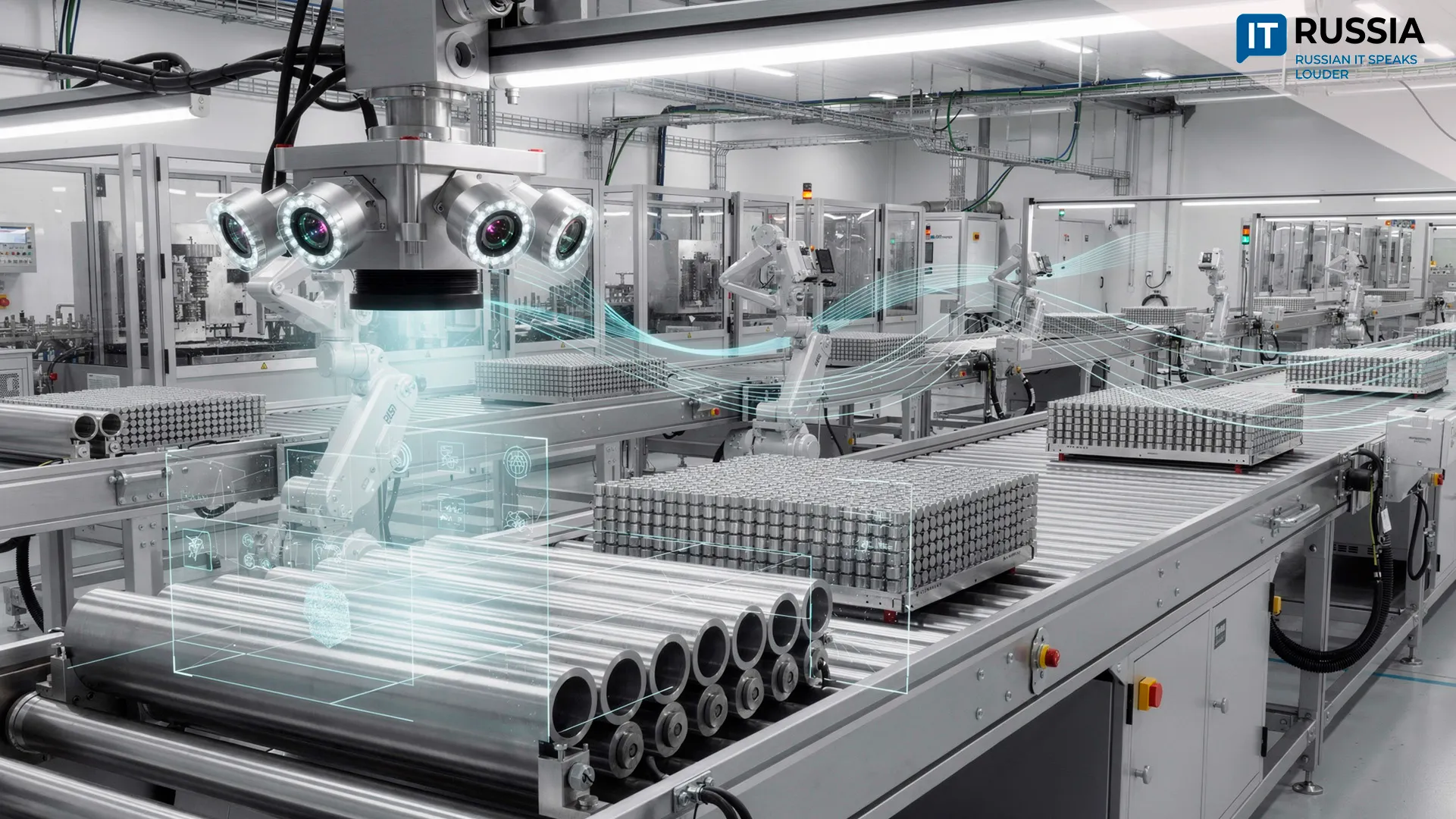
The systems are designed to automate quality control and minimize the risk of human error in the production of nuclear fuel, zirconium alloys, and equipment used for uranium enrichment.
What the Systems Are Designed to Inspect
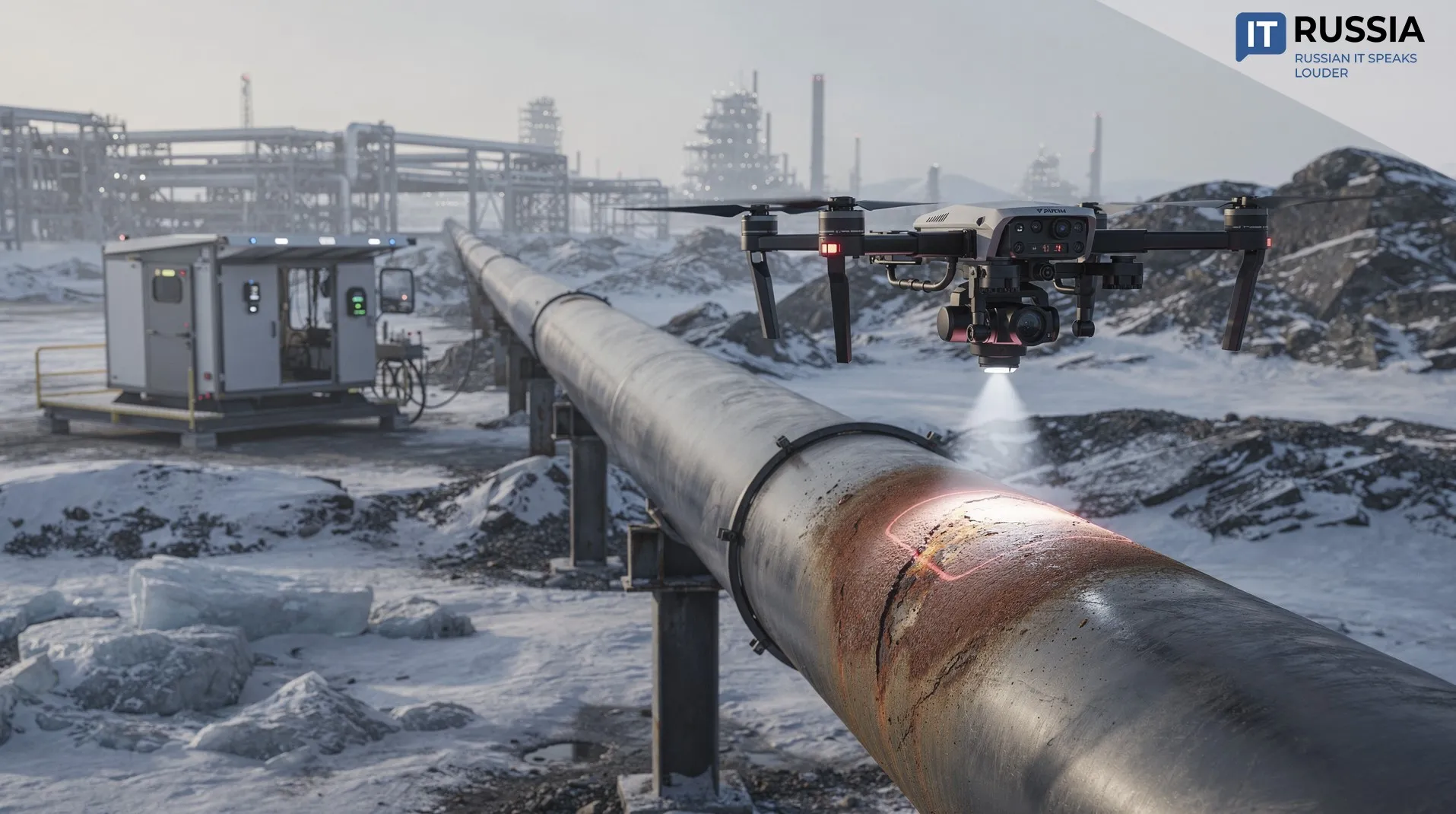
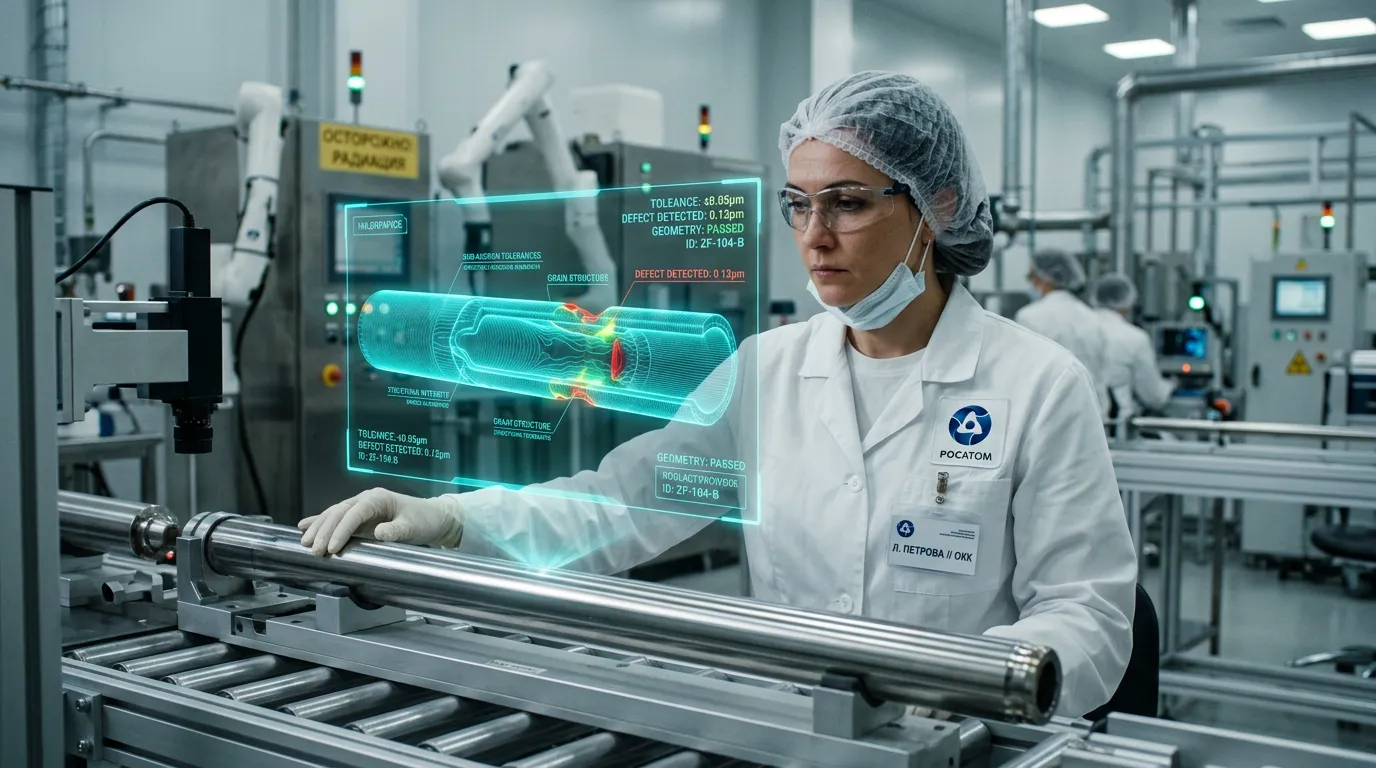
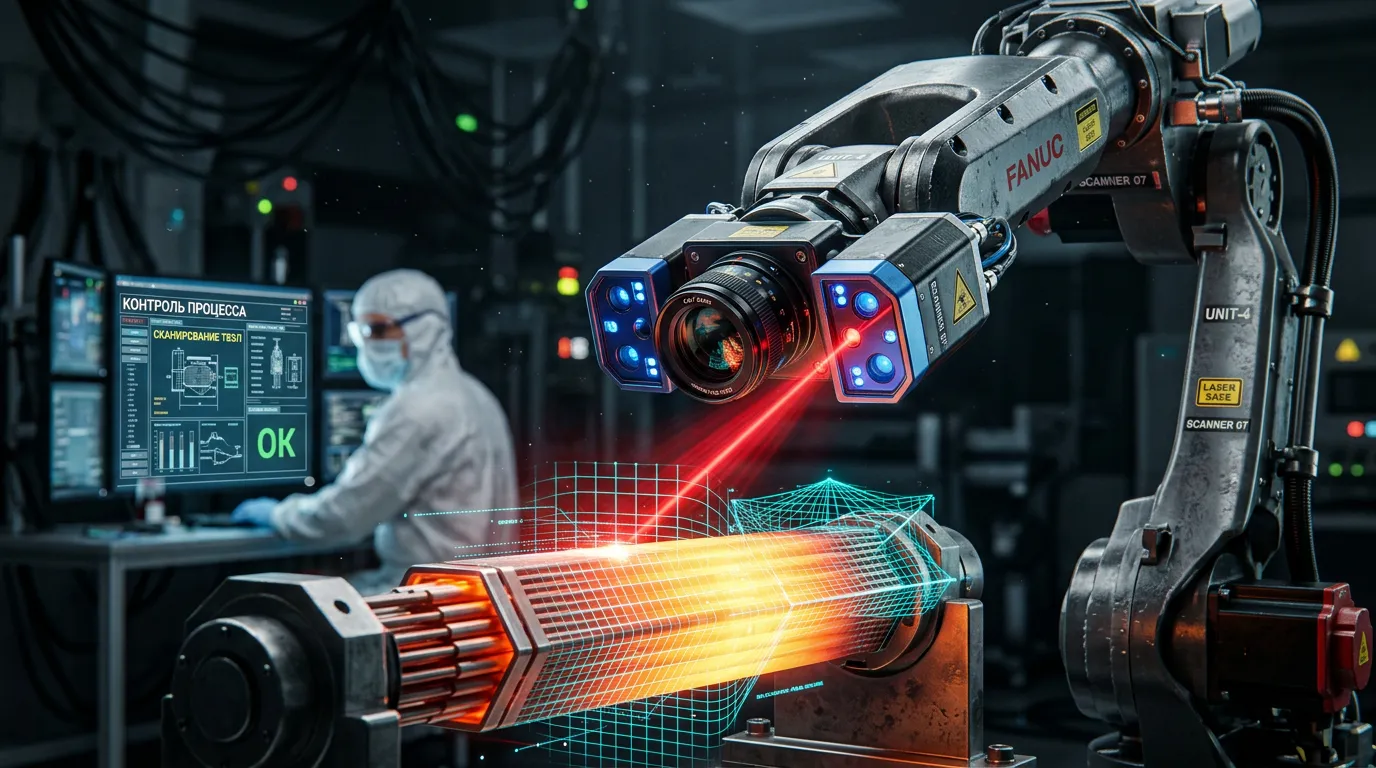
Industrial machine vision hardware and software systems automatically detect product defects at multiple stages of the manufacturing process. Cameras and sensors measure component geometry, assess surface conditions, identify microcracks, and detect deviations from specified parameters. Machine vision algorithms process images in real time and determine whether products meet quality requirements without operator intervention.
This capability is particularly important for nuclear fuel manufacturing. Fuel assemblies consist of hundreds of fuel pellets and zirconium claddings, each of which must comply with stringent dimensional and material tolerances. Even minor deviations in geometry or material structure can affect reactor operating safety. Manual visual inspection cannot deliver the speed required for continuous production.
Machine vision is also used to inspect welds, verify cladding integrity, and monitor equipment condition. The systems operate continuously, do not experience fatigue, and do not overlook defects because of human inattention. That reduces the share of defective products and lowers the number of customer claims.
Platform and Technology Base
The project calls for the development and serial production of machine vision hardware and software systems based on Russian-made components. The systems are expected to incorporate Russian processors, cameras, controllers, and software. Independence from imported components is particularly important for critical information infrastructure facilities, including enterprises throughout the nuclear fuel cycle.
The software architecture is built on AtomMaynd (AtomMind), an industry platform for industrial artificial intelligence. The platform enables rapid development and deployment of AI models for a wide range of manufacturing applications, from quality control to predictive equipment maintenance. AtomMaynd is already operating at facilities within Rosatom's fuel division.
Using a unified platform simplifies large-scale deployment. AI models trained on data from one facility can be adapted for plants with similar manufacturing processes. That shortens deployment timelines while reducing implementation costs.
Scale Demands Automation
TVEL ranks first globally in uranium enrichment and third in nuclear fuel production. The company brings together enterprises in Russia and abroad that manufacture fuel for nuclear power plants operating in dozens of countries. TVEL's revenue increased by 43% in 2025, reaching RUB 488.9 billion (approximately USD 6.1 billion).
At this production scale, manual quality inspection is no longer practical, while automated systems make it possible to inspect every product without increasing staffing levels. This is particularly important as TVEL's order portfolio continues to grow. The company supplies fuel to nuclear power plants in China, India, Türkiye, Egypt, Bangladesh, and Hungary, as well as to operating nuclear plants across Russia.
In addition to nuclear fuel, TVEL enterprises manufacture zirconium alloys for fuel rod cladding and equipment for gas centrifuge uranium enrichment. Each product category has its own inspection requirements, making it necessary to develop dedicated machine vision algorithms for every type of product.
Economic Benefits
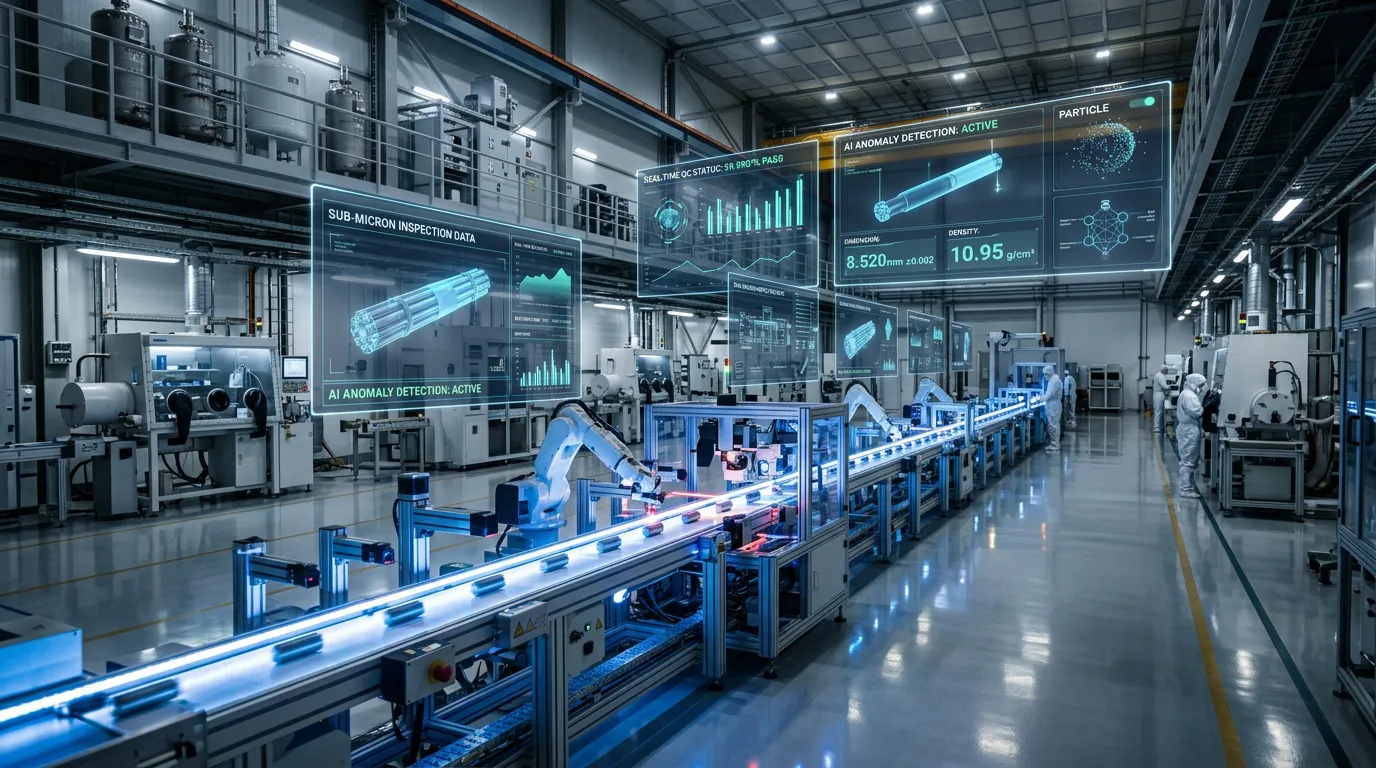
At facilities within the fuel division, AtomMaynd-based algorithms already analyze manufacturing parameters and predict finished product characteristics. The platform also supports equipment maintenance planning and optimization of production processes. The cumulative economic benefit generated by AI tools across the fuel division has exceeded RUB 2.5 billion (approximately USD 31 million).
Predictive analytics forecasts equipment failures and optimizes operating modes, while machine vision verifies product quality at the final inspection stage. The project is currently in the contractor selection phase, alongside preparation of technical requirements. Once contractors have been selected, Rosatom will begin designing and manufacturing prototype hardware and software systems, testing them at pilot facilities, and then rolling them out across TVEL plants.
Deploying machine vision systems across TVEL facilities will automate quality control for nuclear fuel production while reducing dependence on human factors in critical manufacturing operations.