Rostelecom Brings Smart Irrigation to Russia’s Astrakhan Region
Strong harvests in southern Russia depend on reliable irrigation. Even a minor disruption in the water supply can lead to crop losses. Rostelecom has launched its first pilot project for digital monitoring of water levels in irrigation canals.
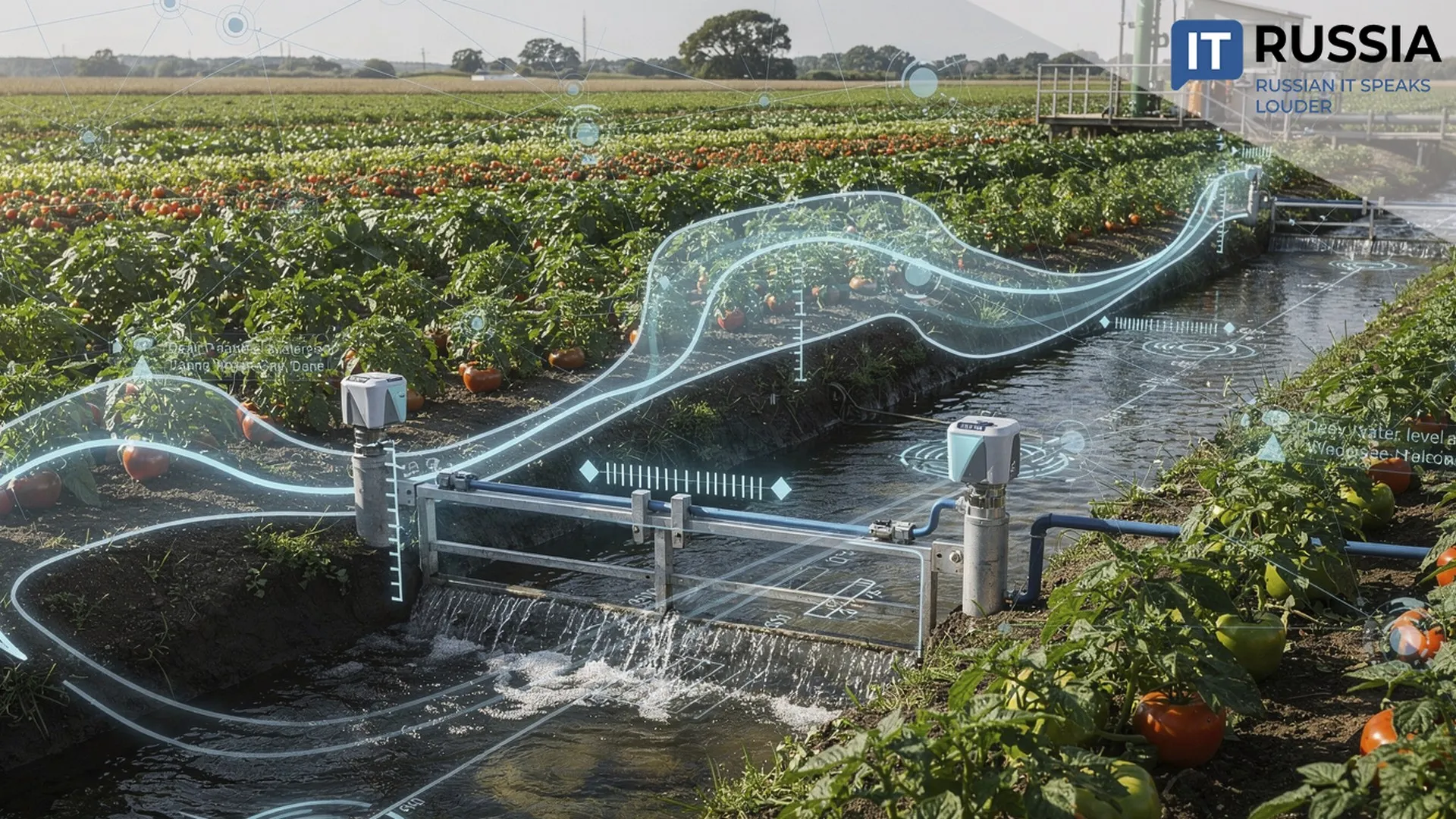
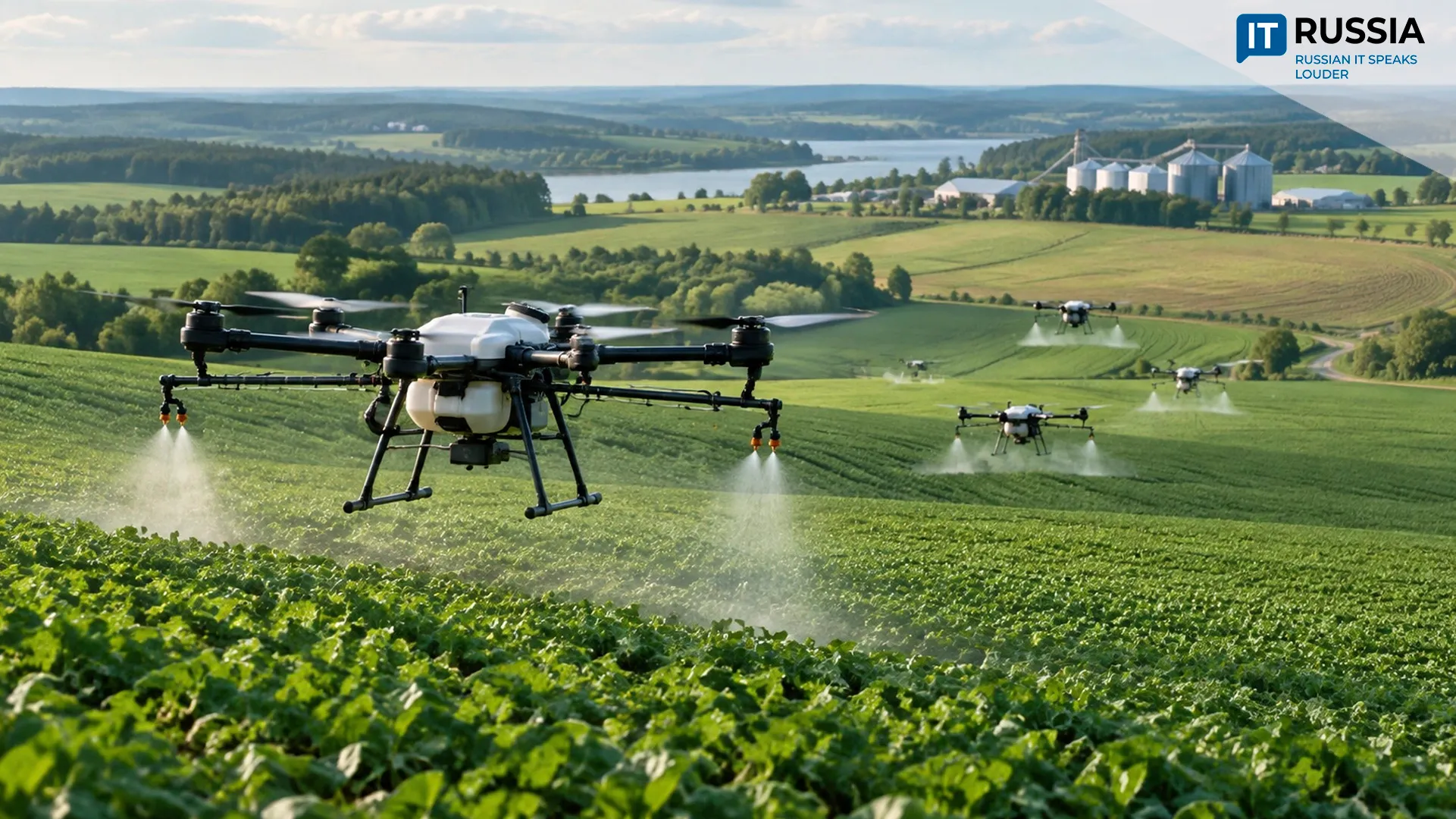
Agriculture is a source of pride for the Astrakhan region, one of Russia’s leading agricultural centers. Last year, local farmers harvested a record 1.8 million metric tons of vegetables. Potato production was also strong, reaching 465,300 metric tons. Results on that scale depend on modern irrigation technology.
Digital Irrigation for Southern Fields
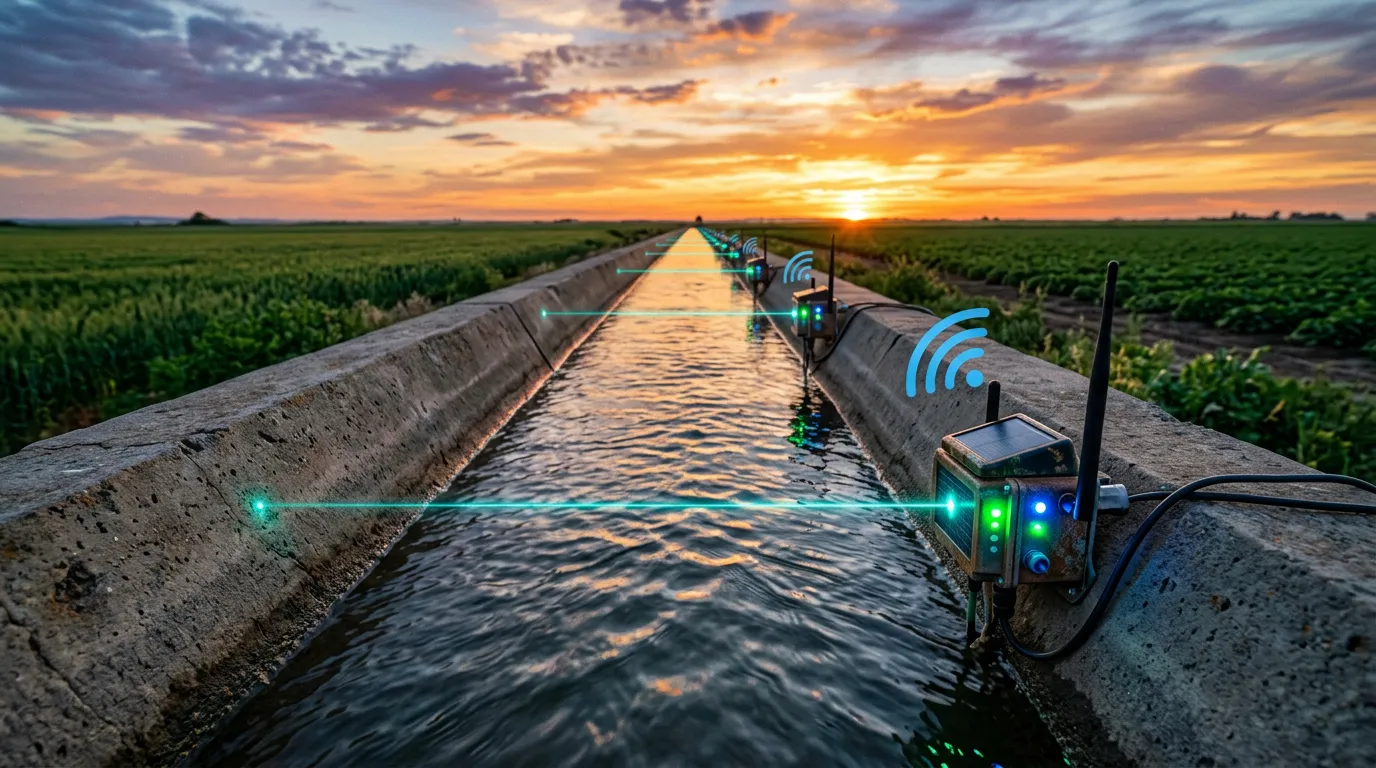
The Limansky district of the Astrakhan region has begun operating its irrigation systems in a new way. Rostelecom engineers installed 10 autonomous sensors at key points along the canals, creating the first distributed remote-monitoring system of its kind in Russia’s Southern Federal District. The devices operate in an unlicensed radio-frequency band and continuously transmit water-level data to network gateways. They can run for up to five years without battery replacement.
Previously, hydrometric measurements were taken manually. Workers traveled between monitoring points and recorded readings from waterways. The process was labor-intensive as well as imprecise: a change in water level occurring at night or during bad weather might not be detected until after the fact. The digital system, by contrast, creates a continuous stream of real-time data. Irrigation-network operators can spot deviations as they emerge, adjust the water supply and prevent fields from either drying out or becoming waterlogged.
“Rapid monitoring and management of water delivery across an irrigation system are essential for using water efficiently and conserving water resources,” said Pavel Ryabtsev, director of Astrakhanmeliovodkhoz.
In Russia’s Krasnodar region, for example, an AI-powered irrigation management system cut water consumption by 40% while preserving crop yields. Precise monitoring of moisture around plant roots and reduced nutrient leaching also lowered fertilizer use by 15%.
Smart Irrigation, Strong Harvests
Land reclamation helps preserve and improve soil fertility. Russia currently uses 1.2 million hectares of irrigated land. By 2030, the country plans to expand irrigated acreage by 40%, to 1.7 million hectares. Since 2022, the state Zemlya (Land) program has supported the development of Russia’s land-reclamation infrastructure. Funding under the program is set to rise to 12.7 billion rubles (about $153 million) in 2026.
Russia has ambitious plans for its agricultural sector. Under the Razvitie ovoshchevodstva i kartofelevodstva (Development of Vegetable and Potato Farming) project, potato production is expected to increase 20% and vegetable production 18.9% by 2030. Southern Russia is the country’s main center for irrigated agriculture, making accurate water accounting particularly important. Rostelecom’s system is emerging as a marker of the shift toward smart farming. Dispatchers gain a clear picture of canal conditions, allowing them to respond more quickly to blockages, pressure fluctuations or the risk of dam erosion. More precise water distribution can do more than reduce the risk of irrigation disruptions – it can also save electricity at pumping stations by avoiding the unnecessary movement of excess water.
Digitalization Gains Ground
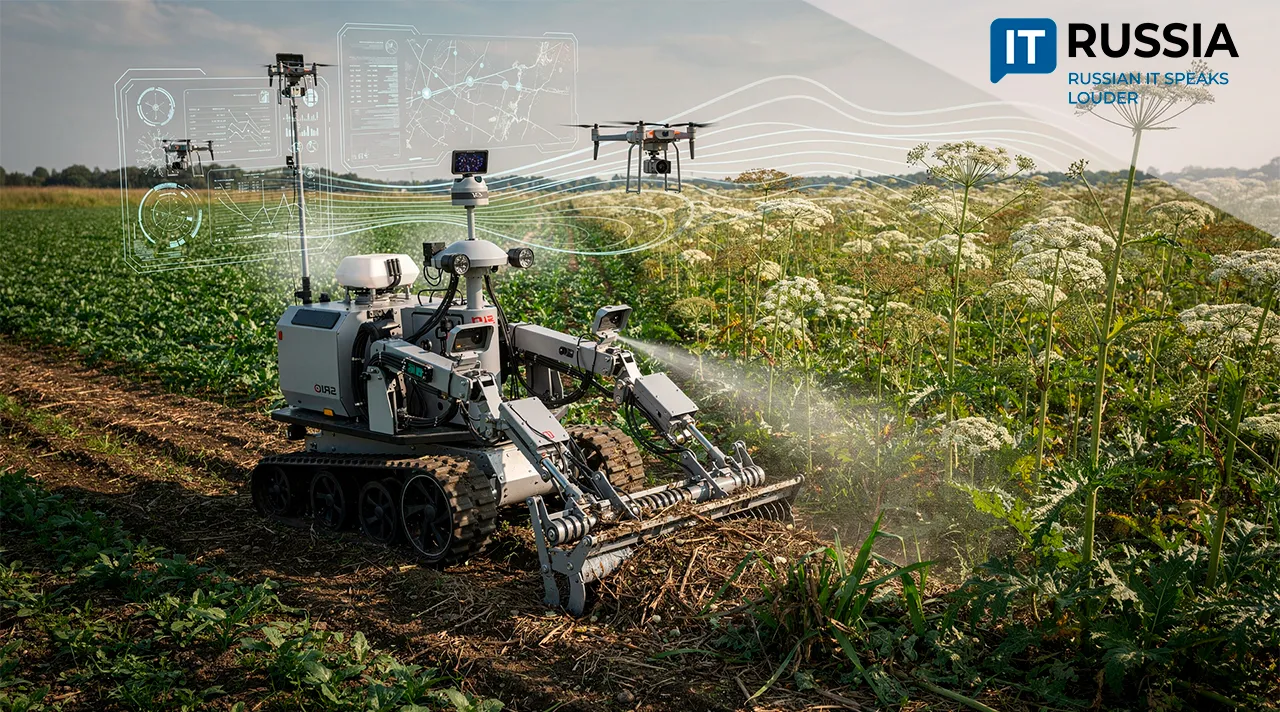
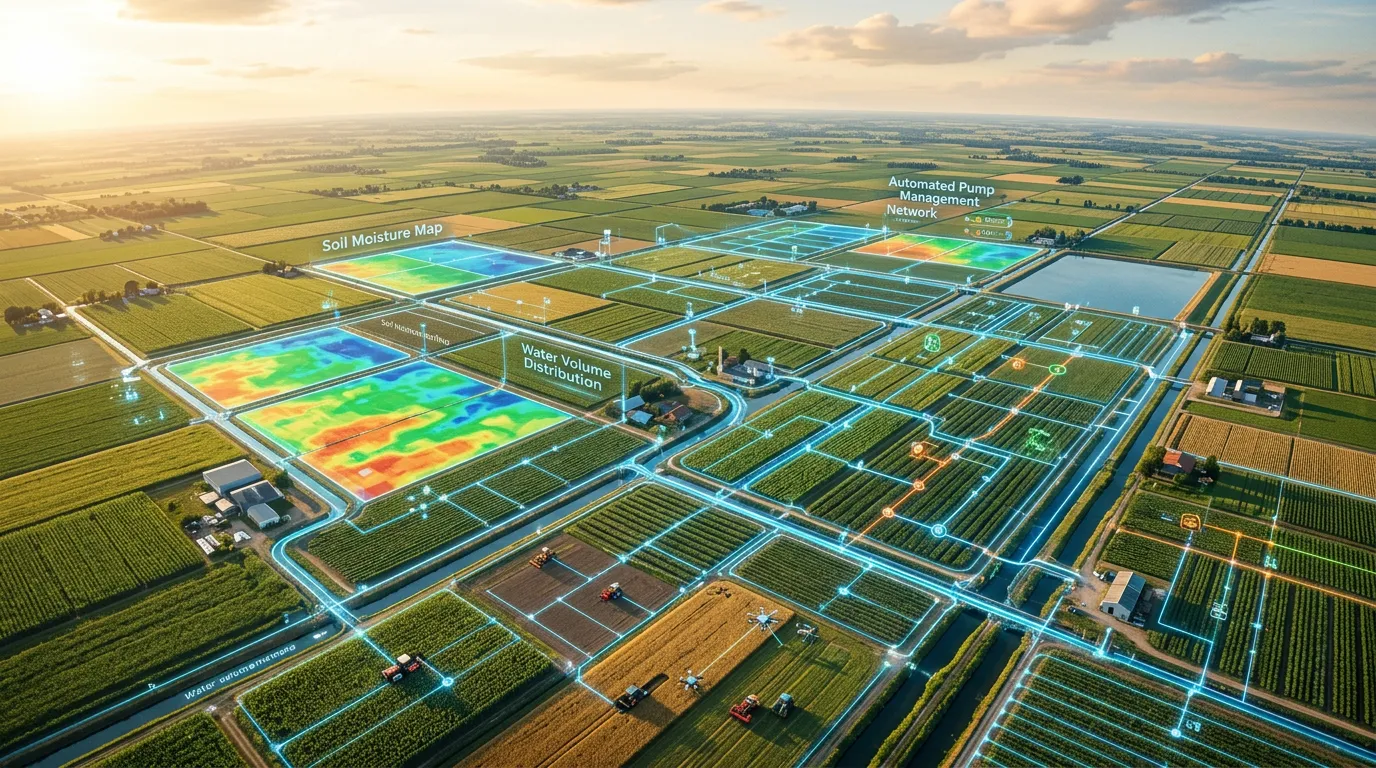
Rostelecom’s Astrakhan project marks the beginning of a broader effort to digitize Russia’s irrigation infrastructure. Other regions are expected to adopt the technology as well. Water-level sensors will also be integrated with weather data, satellite monitoring and soil-moisture analytics. This approach matters for food security. The 10 sensors in the Limansky district could eventually be followed by hundreds of monitoring points across the country, moving Russia’s agricultural sector toward digital management of its irrigation networks.
The Skolkovo Foundation and Rosselkhozbank rank smart irrigation and water-resource management among the most promising areas of agricultural technology. Global investment in the segment has already exceeded $1.5 billion, doubling over the past five years. Increasingly, the main driver is not developing technologies from scratch, but deploying them and scaling them up.