Digital Twin Plus AI: St. Petersburg Scientists Speed Up CHP Optimization 16-Fold
The hybrid architecture developed at Peter the Great St. Petersburg Polytechnic University makes it possible to optimize the operation of a combined heat and power (CHP) plant 16 times faster. The solution has already been tested under real-world conditions.
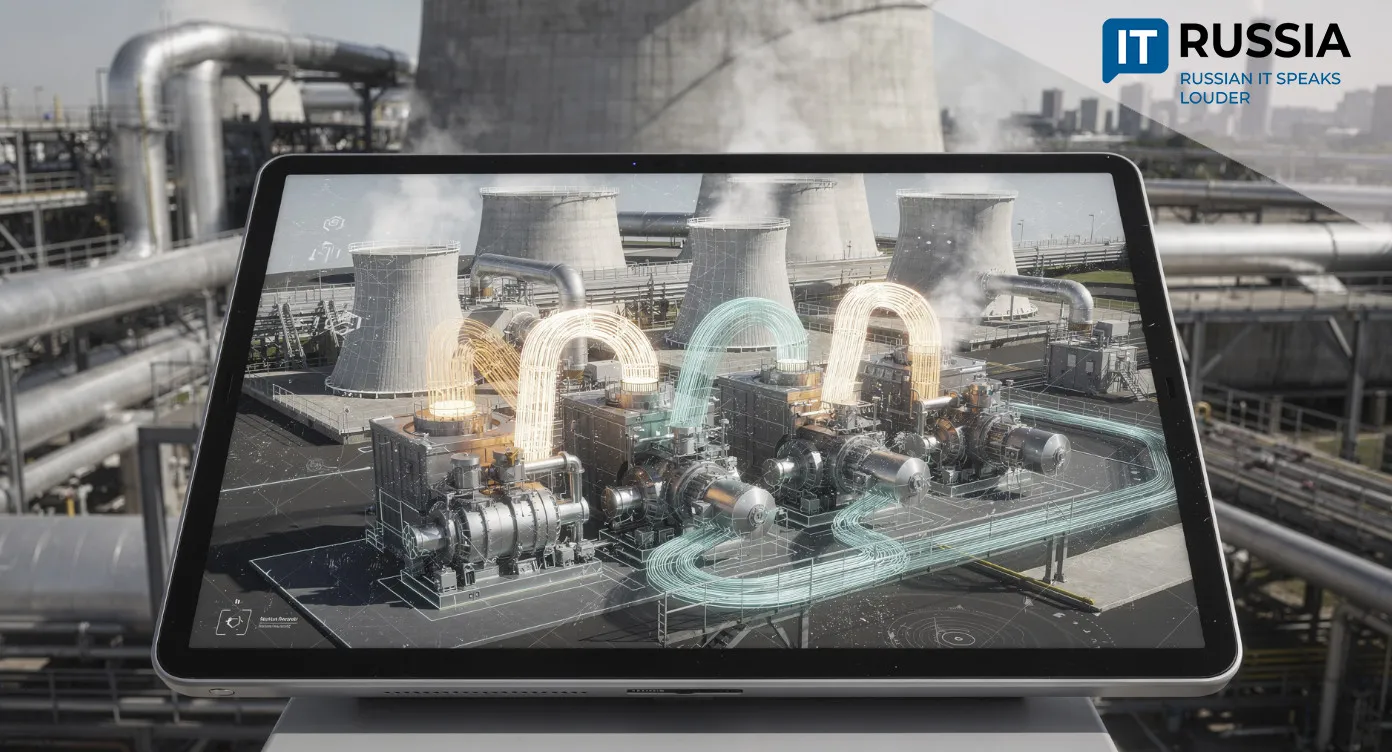
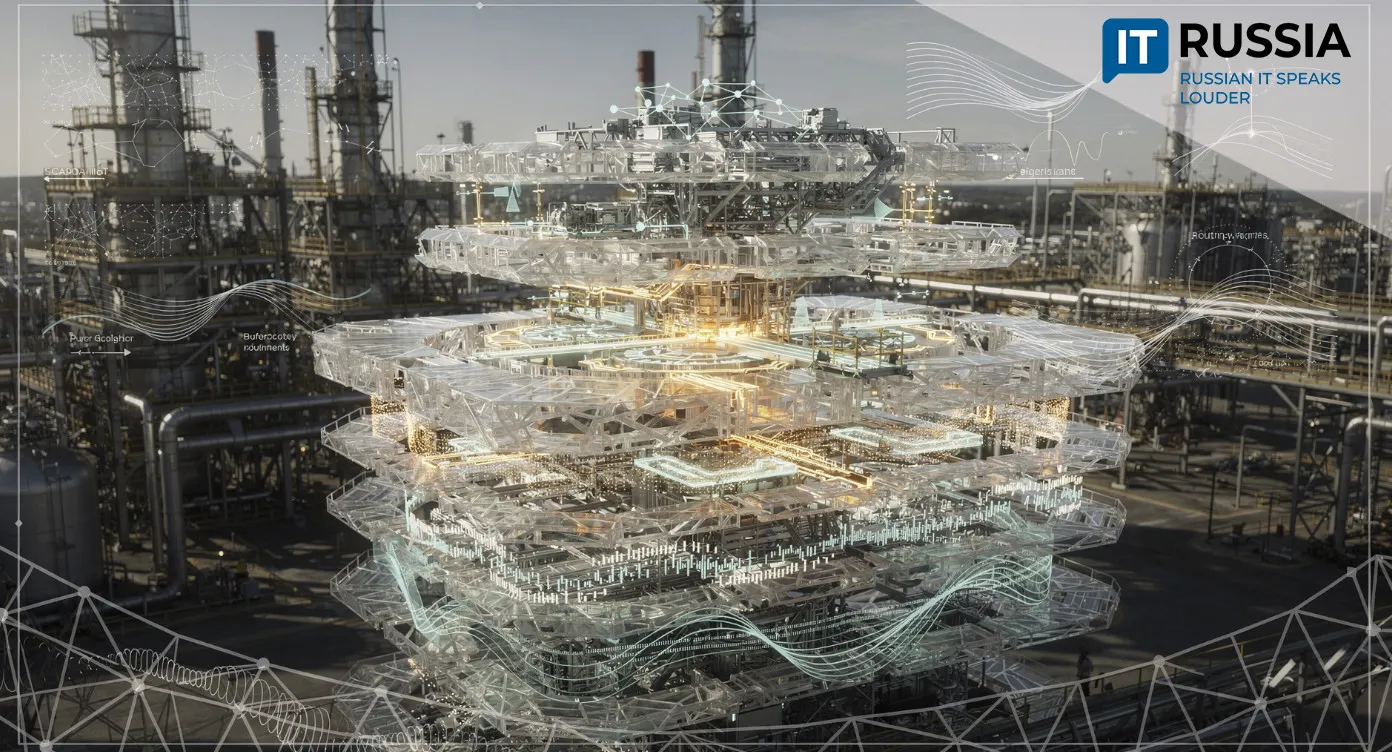
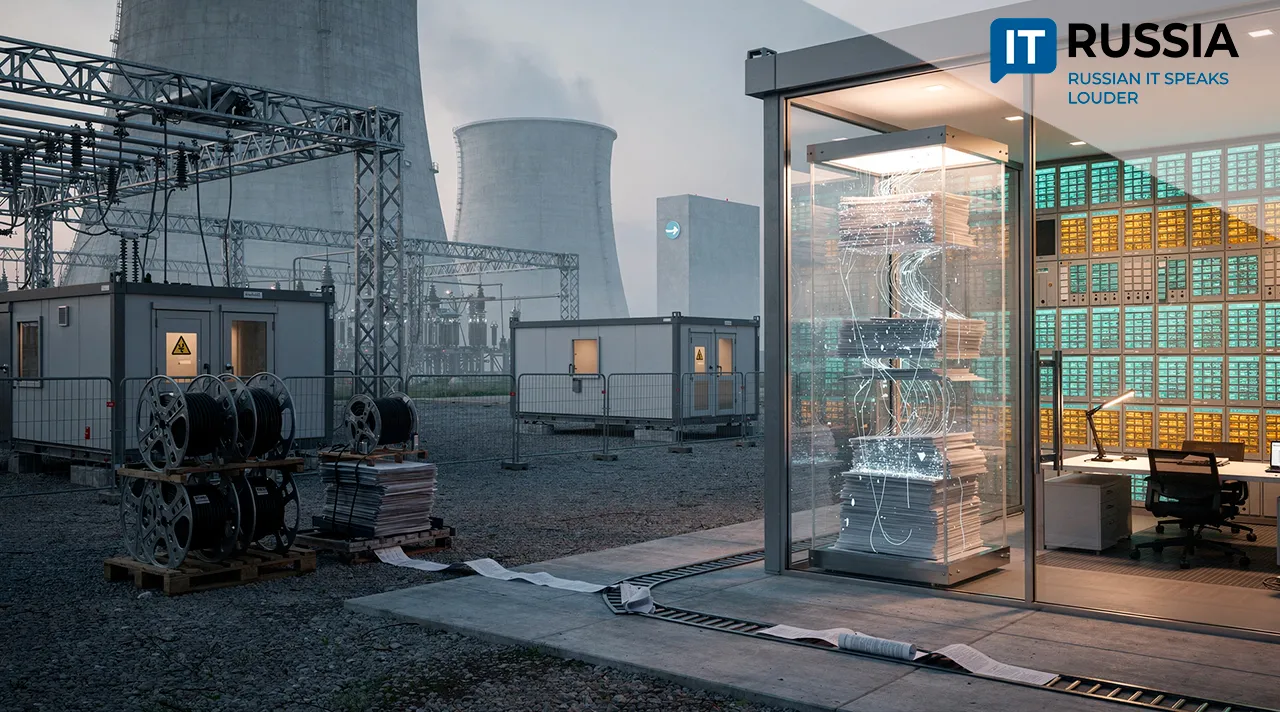
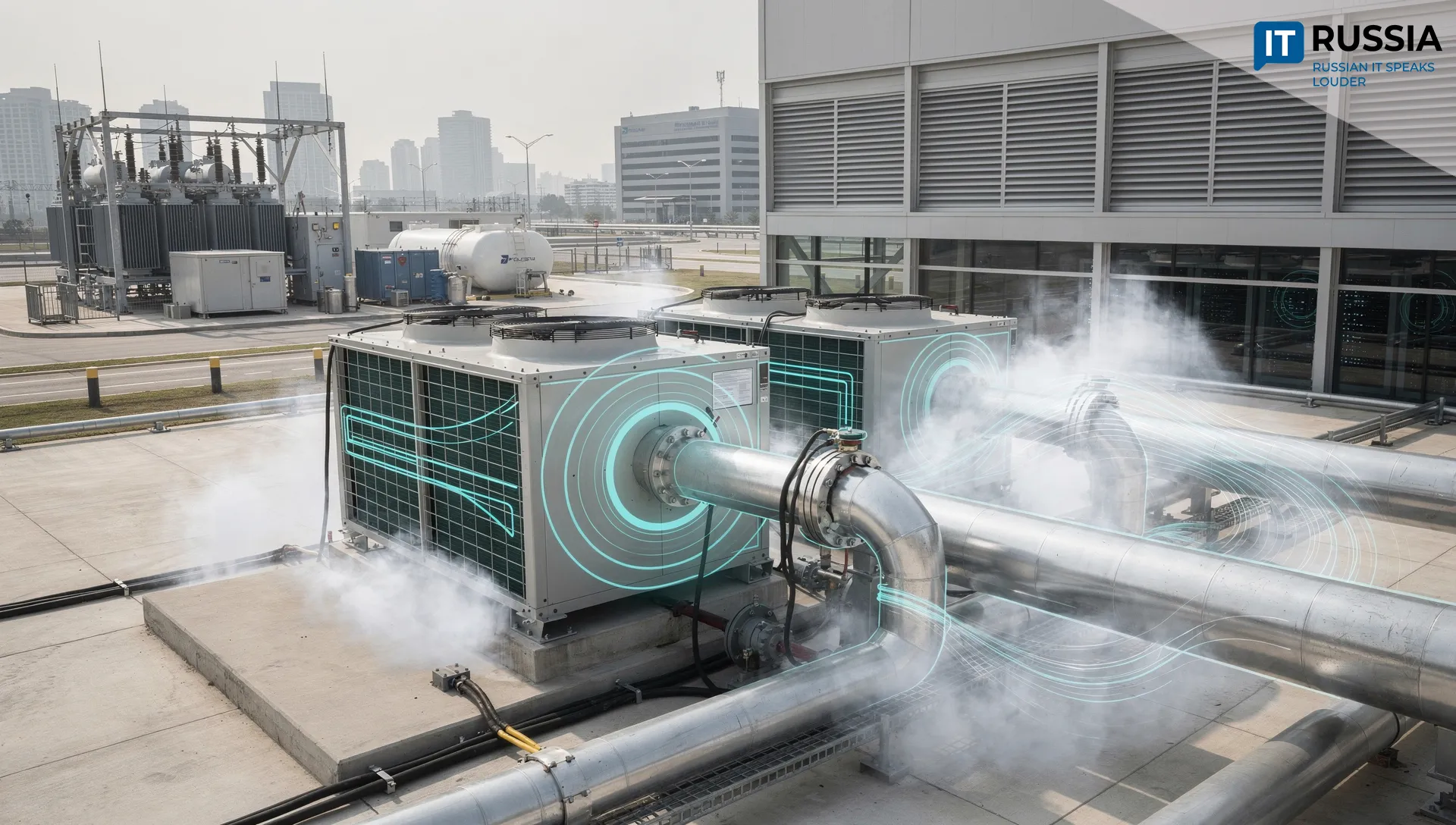
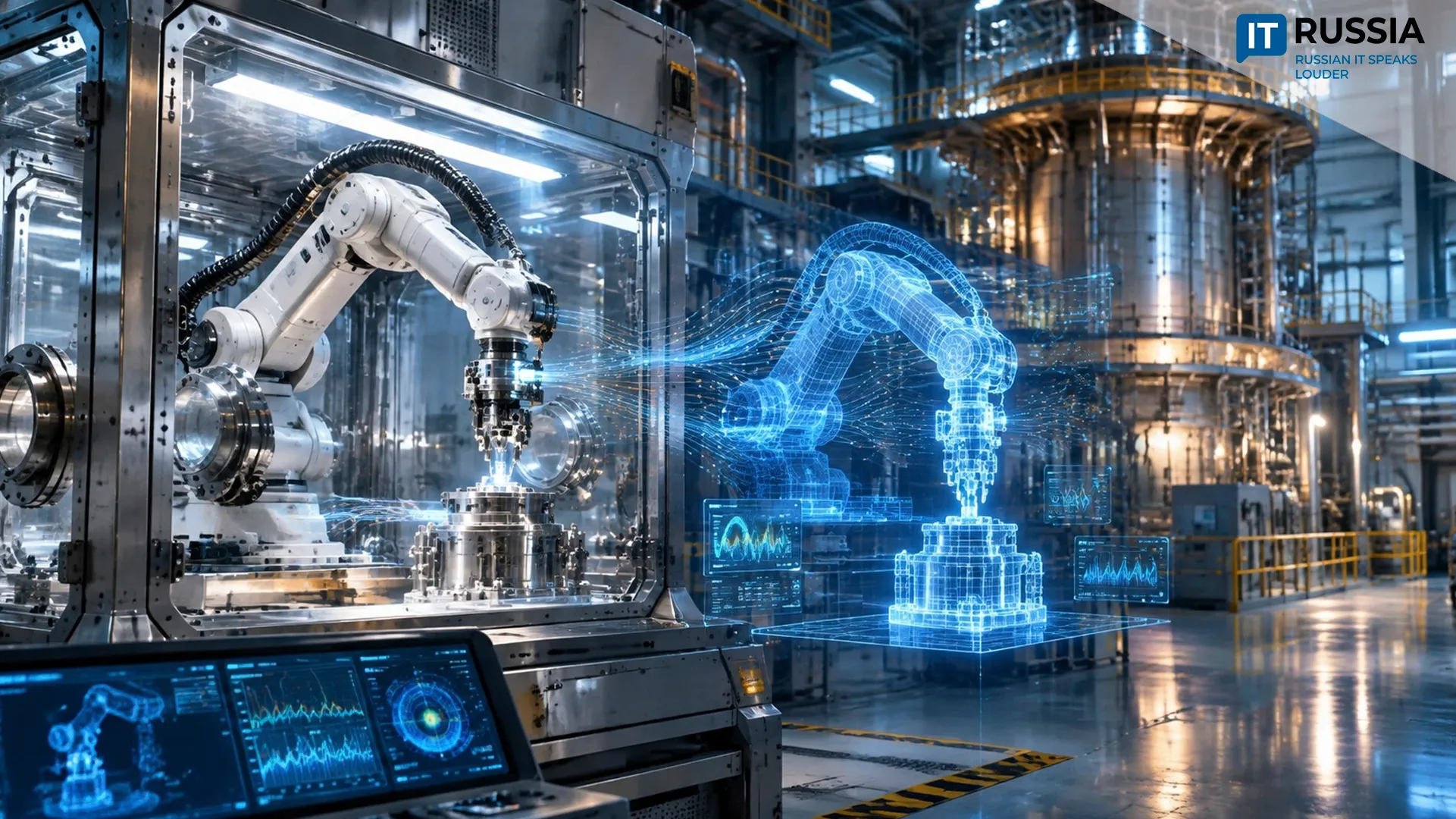
A software suite being developed by specialists at Peter the Great St. Petersburg Polytechnic University (SPbPU) is designed to optimize the lifecycle of power plant equipment using predictive analytics tools. The hybrid architecture consists of two parts. The first is a digital twin of a CHP plant based on conventional mathematical models and accounting for about 280,000 equipment states. Researchers tested it using a specific plant with five T-100 power units. The second module is an AI-based optimizer. It calculates optimal operating modes for the equipment, after which the selected parameters are checked again in the digital twin.
This combination has accelerated optimization compared with a process based solely on a digital twin and mathematical models. The calculations now take just 15 seconds – 16 times faster than conventional methods.
The analysis results are delivered to plant personnel as a set of recommendations, allowing them to adjust the operating modes of CHP equipment. This can address a range of objectives – improving reliability and extending the service life of turbines, boilers and other equipment, reducing fuel consumption and harmful emissions, and ultimately increasing revenue. Preliminary data indicate that the operating modes calculated using the hybrid architecture for the simulated CHP plant could have increased margin revenue by one-third over six months.
The hybrid architecture can benefit not only power companies but also consumers. They can receive more reliable power supplies, including through a reduction in the number of unplanned CHP plant repairs.
From One Plant to the Power System
Once the model's effectiveness has been confirmed at operating power plants, the St. Petersburg researchers' technology could have significant deployment potential. Solutions that work with individual CHP plant parameters already exist in Russia. Until recently, however, there was no comprehensive system capable of optimizing the entire lifecycle of a plant. Similar products are being developed by foreign companies, but they cannot be used in the Russian market because they lack the calculation parameters required there.
The hybrid architecture developed at SPbPU can be scaled to Russian CHP plants as well as plants in neighboring countries with similar parameters. Several practical challenges will need to be addressed, including the transfer of data from the automated process control systems operating at CHP plants into the digital twin.
In the future, large power generation companies could deploy the technology to manage all of their CHP plants from a single dispatch center.
From Specialized Tools to Large-Scale Systems
The SPbPU researchers' development is a logical continuation of processes that have been underway in Russia's district heating and power sector since the 2010s. At that time, the focus was on pilot projects at individual CHP plants designed to address specific tasks.
Large-scale deployment of CHP digital twins began in the 2020s. T Plus initially implemented its Digital Plant project as a pilot at two CHP plants in Yekaterinburg, after which the technology was deployed at other power facilities operated by the company.
In parallel, Russian companies were replacing foreign software with platforms developed by domestic vendors.
From Faster Calculations to an Industry Platform
Over the past several years, CHP digital twins have evolved from modeling tools into operational systems that help plant personnel make decisions and optimize plant operations. Russian platforms are increasingly using machine-learning algorithms and predictive analytics to address practical challenges and deliver specific economic benefits.
The SPbPU development combines digital-twin architecture with the optimization capabilities provided by artificial intelligence technologies. In the coming years, the focus will be on turning the experimental technology into a working industry product.