Digital Integrator for Power Retail: ESB Solutions Turn Disparate Systems into a Unified Platform
Ensuring interoperability between information systems built on different technology platforms has become one of the most pressing challenges facing Russia's power sector. Bell Integrator FabricaONE.AI, whose shareholder is Softline Group, is carrying out another stage of enterprise service bus (ESB) modernization for one of Russia's leading electricity retail companies, creating a unified digital environment for its business processes.
Before the project began, the customer's IT landscape reflected a common situation across many large energy companies. Systems developed at different times and built on different data formats interacted poorly with one another and frequently required manual intervention, slowing business processes while increasing the risk of errors.
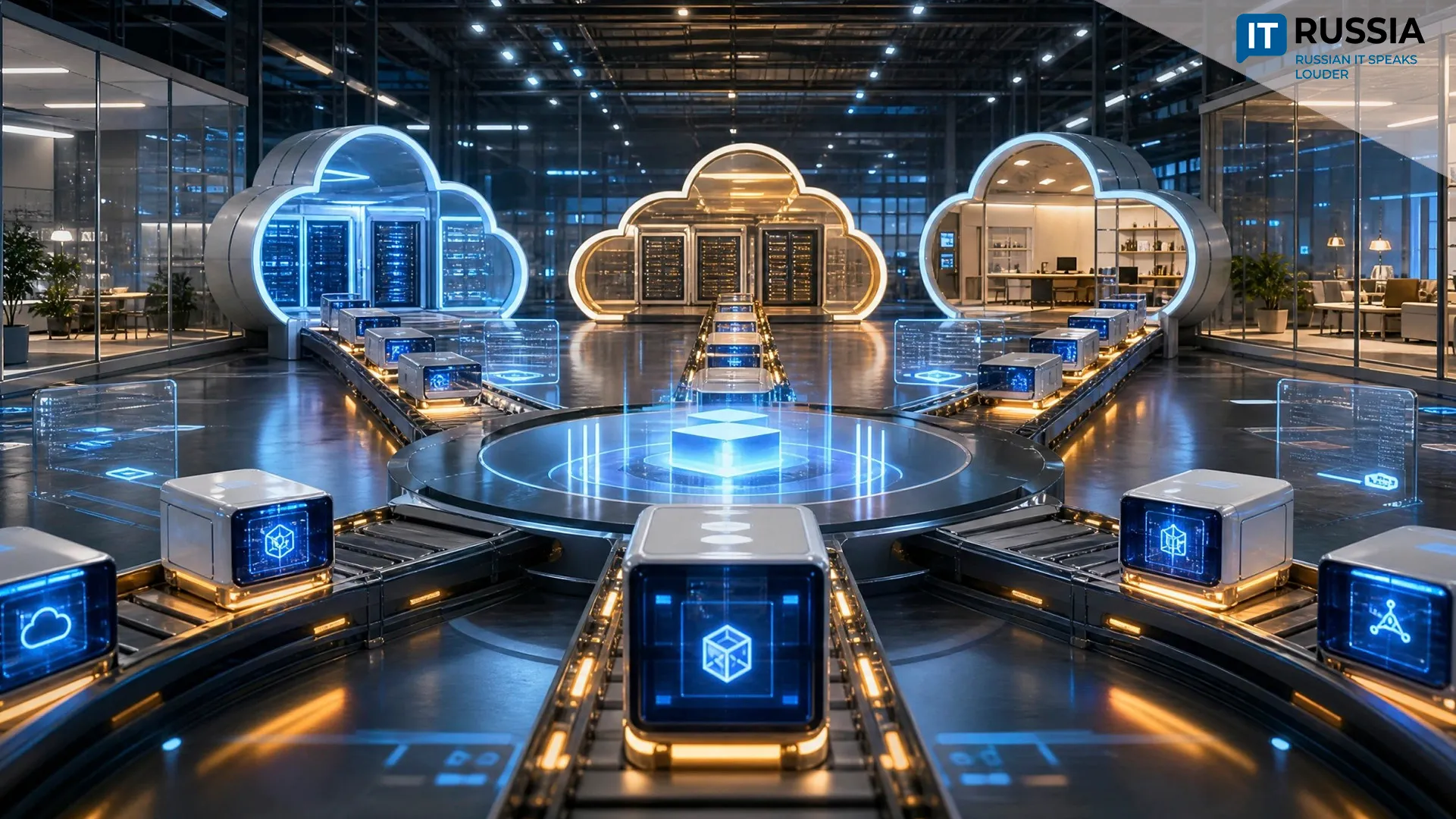
Bell Integrator FabricaONE.AI professionals, working together with the customer's team, enhanced the architecture of the enterprise service bus, a comprehensive set of services that functions as a network of intelligent adapters. Each service receives data from one system, validates it, converts it into the required format, and transfers it to the destination system. The solution is built on established open-source technologies including Spring Framework, Apache Camel, and RabbitMQ, providing high processing speed and reliable operation.
As a result, automated data exchange reduced errors while shortening the time required to process customer requests, invoices, and reporting. Deploying the enterprise service bus allowed the customer to focus on developing new customer services rather than resolving technical failures. Consumers also benefited through shorter waiting times, while future digital services are expected to simplify interactions with the electricity retailer by introducing new digital technologies.
Demand for Russian Solutions
Demand from Russian energy companies, as well as major industrial enterprises and fintech organizations, continues to drive the growth of developers such as Bell Integrator FabricaONE.AI. Russia's ESB market has changed dramatically in recent years. Following the exit of major Western vendors, demand for domestic integration platforms has expanded sharply.
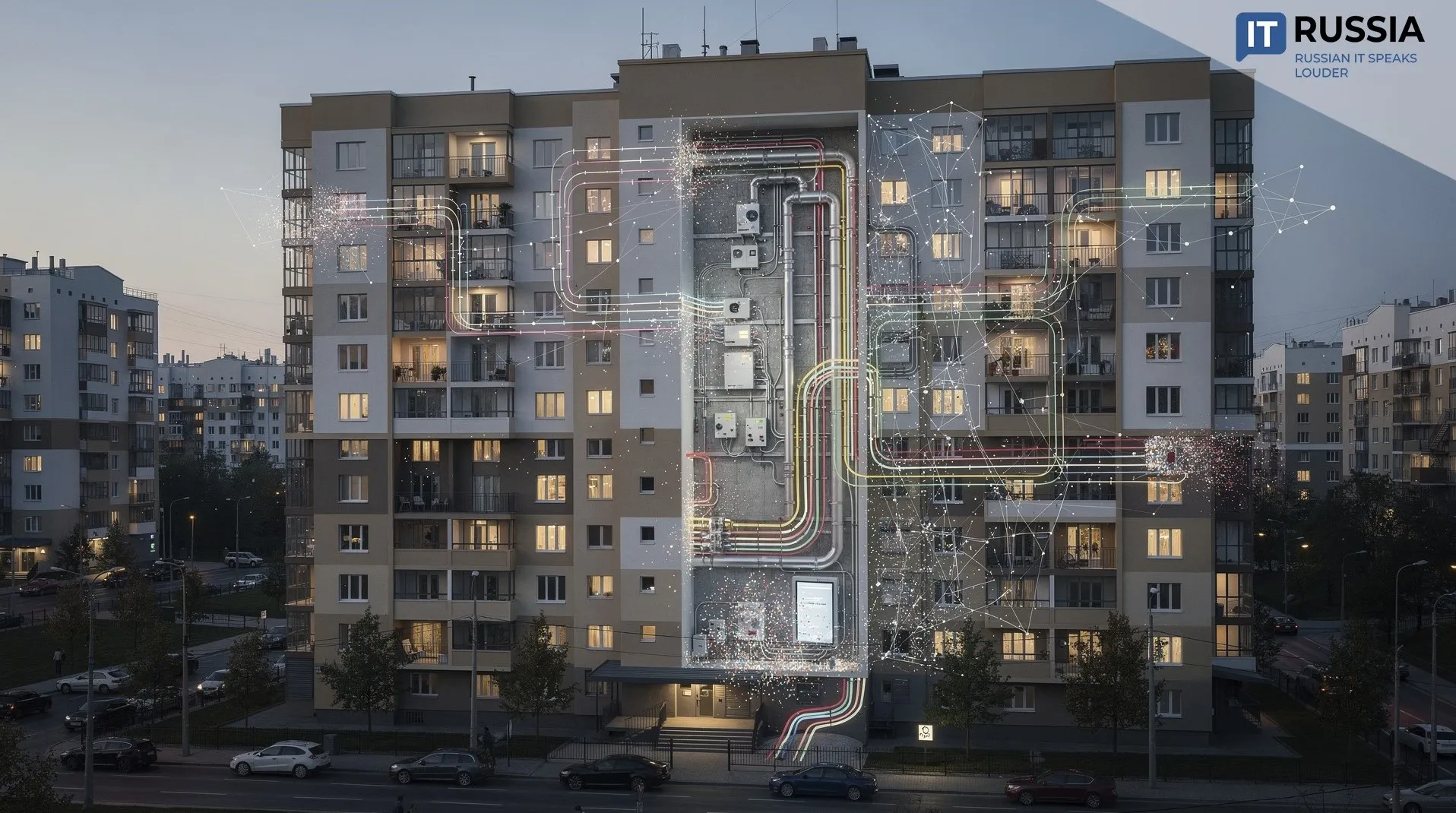
For the energy industry, however, an enterprise service bus is far more than another technology introduced as part of digital transformation. It is critical infrastructure that connects billing, metering, customer service, and analytics systems while also integrating mobile applications and other digital services without requiring companies to replace their entire software stack or redesign their IT architecture.
The strongest opportunities for Russian ESB platforms remain in the domestic market. At the same time, experience gained by integrating products from multiple vendors under demanding operating conditions could also prove valuable in friendly countries.
From Early ESBs to a Mature Ecosystem
The first pilot deployments of Russian enterprise service buses date back to the mid-2010s. At that time, however, strong competition from Western vendors limited large-scale adoption. Even so, several major companies were already implementing their own technologies. For example, Rosatom (State Atomic Energy Corporation Rosatom) began using an enterprise service bus within its engineering division as early as 2019.
Rapid market development began in 2022, when import substitution became the industry's primary growth driver. One of the pioneers in the electric power sector was Novosibirskenergosbyt, where an enterprise service bus unified the company's information systems.
In 2023, Integra (Integration Platform) developed by Sventek was added to Russia's official software registry. The platform was designed from the outset as a full-scale integration platform rather than as an extension built on foreign products.
By 2025, Russia's ESB market had been fundamentally reshaped. The departure of foreign vendors accelerated development of domestic platforms and intensified competition among Russian companies. At the same time, major energy companies continue to expand their own technologies. Rosseti, for example, is actively deploying a corporate enterprise service bus.
Infrastructure Foundation for Digital Energy
Products developed by companies such as Bell Integrator FabricaONE.AI are particularly well suited to smaller electricity companies that do not maintain dedicated enterprise IT departments. Although these ESB platforms remain invisible to end users, customers experience the benefits through faster and more reliable digital services across the company. Demand for enterprise service buses across Russia's power sector is expected to continue growing over the next several years.