A Second Pilot for Physicians: Russian Students Develop an AI Diagnostic Assistant
Russian students are developing a mobile application for initial symptom assessment and preliminary diagnosis. The system structures clinical information for physicians, reducing workloads and helping minimize the risk of diagnostic errors.
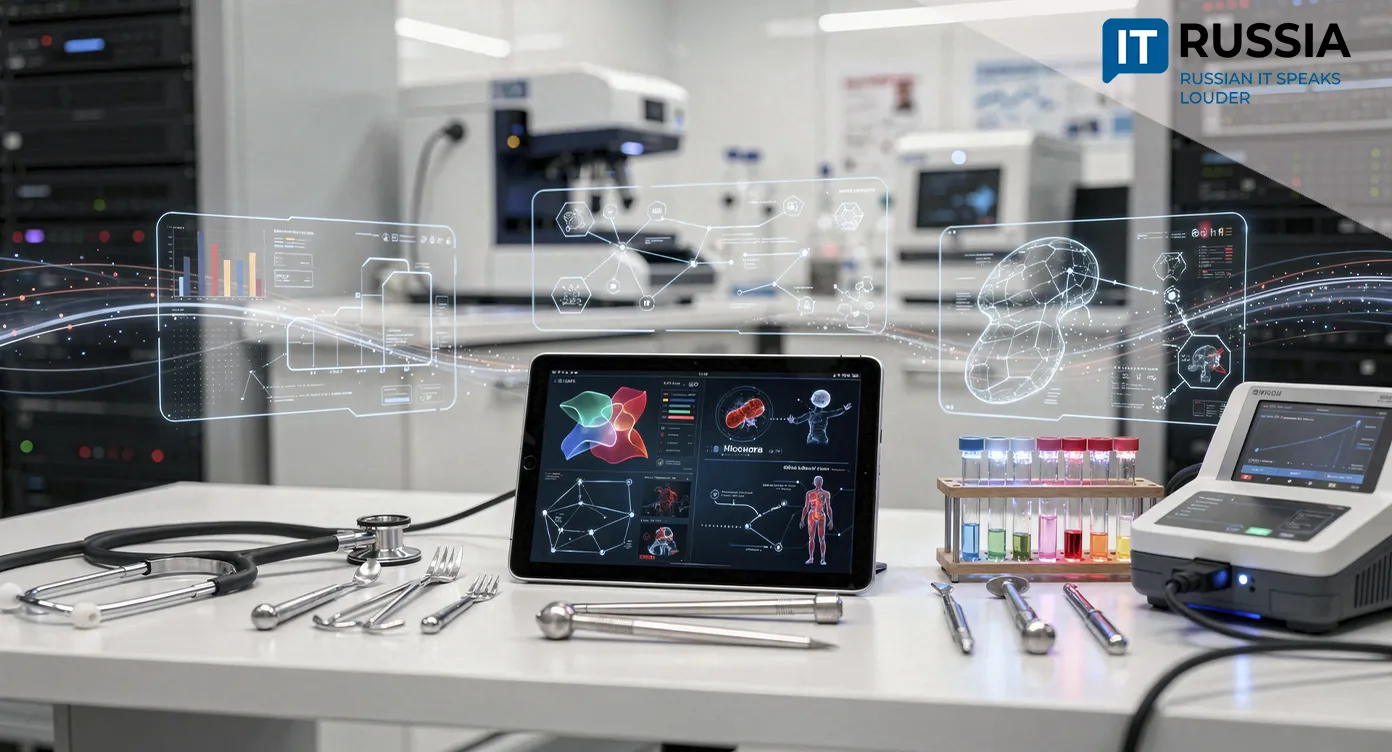
Diagnostic errors remain one of healthcare's most serious challenges. Physicians may spend weeks seeking second opinions on complex cases, while patients can face the consequences of delayed diagnoses or inappropriate treatment. Students at RTU MIREA (Russian Technological University) are developing a solution designed to become a reliable clinical assistant. Their mobile application, Fusion, is an AI-powered tool for initial symptom assessment, preliminary diagnostic support, and generating patient evaluation plans.
Effective and Easy to Use
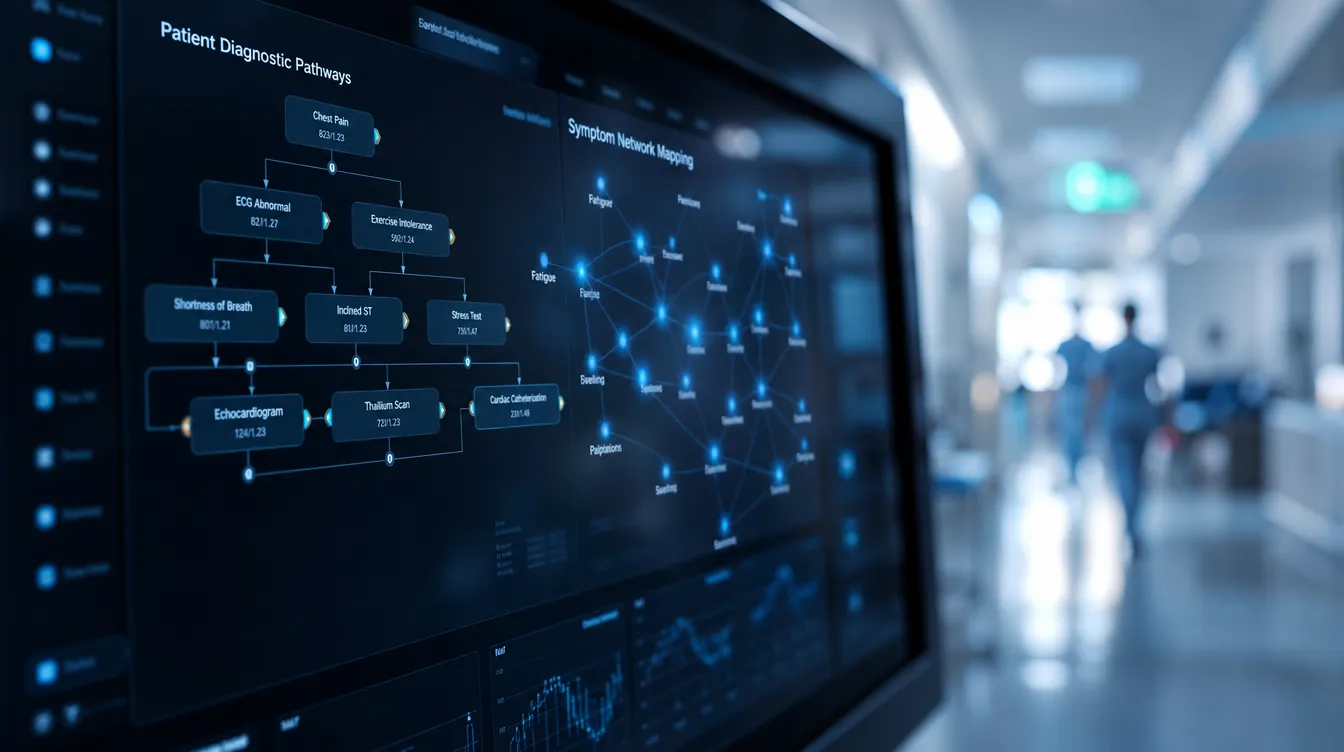
The workflow is straightforward. A patient opens the application and describes their symptoms – what hurts, where, and how. Using scientific evidence and machine learning models, the system analyzes the reported symptoms before suggesting possible diagnoses and a recommended diagnostic workup. As a result, physicians receive not just a list of symptoms, but a structured clinical summary complete with a proposed examination plan and recommended laboratory tests. This approach significantly reduces consultation time and allows physicians to focus on treatment decisions rather than spending most of the appointment collecting medical history.
"We set out to build a tool that would help both physicians and patients. Our AI does not treat people. Instead, it analyzes symptoms, suggests possible explanations, and structures information so physicians can make informed decisions more quickly and accurately. Think of it as a second pilot in an aircraft: the captain remains in command, but the co-pilot provides support and an additional layer of confidence," says Vladislav Vasilyev, a student at RTU MIREA's Institute of Management Technologies and the project's leader.
A Team Effort
Notably, the project is being developed by young researchers at RTU MIREA. The university has brought together an ambitious multidisciplinary team in which each member is responsible for a specific area. The project leader oversees strategy and partnership development. The project manager designs the user interface and coordinates development processes. The technical director is responsible for system architecture and machine learning models, including natural language processing and data analytics.
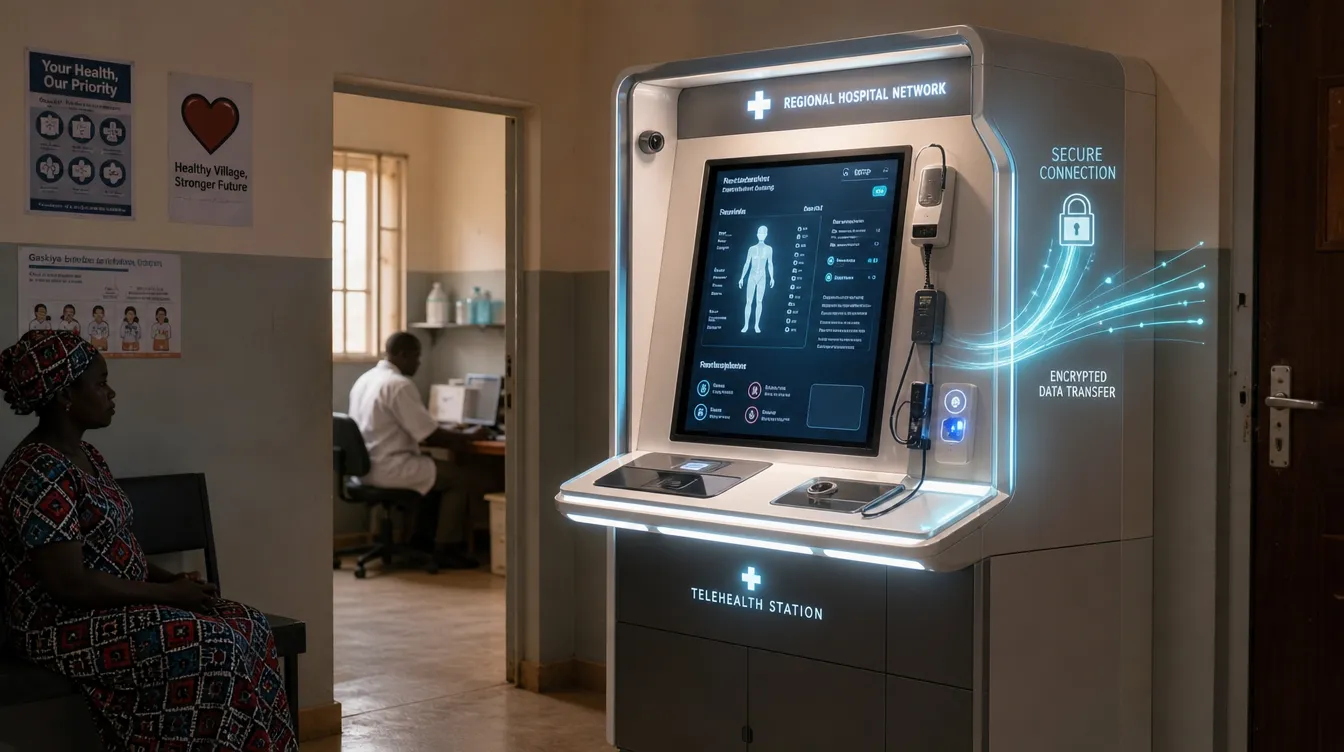
"We are building a system that can be useful anywhere in Russia, from major cities to remote communities with internet access. Patients will be able to perform a rapid screening assessment at home, while physicians will receive a structured clinical case ready for review. That reduces pressure on the healthcare system, lowers the incidence of self-medication, and improves the chances of detecting diseases at an early stage. Our approach is firmly grounded in science: every model is built using validated clinical data and interpretable algorithms so that every recommendation can be explained," explains Sergey Zhiltsov, Associate Professor at the Institute of Management Technologies and the project's academic supervisor.

Data Collection and Model Training
The team is currently developing a prototype and a minimum viable product (MVP). At the same time, researchers are collecting anonymized clinical data to train the models and prepare the application for testing. The project has received a grant through RTU MIREA's accelerator program, enabling the developers to complete the prototype, further train the AI models, and prepare the platform for pilot deployment.
The roadmap includes certification of the system as a medical device and commercial launch by 2027. The primary market is Russia's healthcare system. Beyond assisting with preliminary medical history collection and providing clinical decision support, the Fusion application could also be used by telemedicine providers and regional outpatient clinics.
Digital Medicine
Artificial intelligence is being adopted rapidly across Russia's healthcare sector. As of October 2025, Moscow-developed AI services for medical image analysis were being used by approximately 1,800 healthcare organizations across 72 Russian regions. Russia's Ministry of Health has also announced plans to expand the deployment of registered AI-enabled medical devices. Most Russian AI systems currently entering clinical practice focus on individual tasks, such as interpreting X-rays, CT scans, or medical records.
That gives Fusion a strong opportunity to become a practical clinical tool because it combines several functions within a single platform. It assists patients before they visit a healthcare facility while also supporting physicians during the diagnostic process itself.