AI to Help Breed New Soybean Varieties
Russia’s All-Russian Research Institute of Soybean is partnering with the Timiryazev Genome Center to test the effectiveness of new crop varieties and support development of the Pusk (Launch) accelerated breeding platform.
Modern agriculture is under constant pressure to produce new crop varieties. Farmers need plants that not only deliver higher yields, but also offer additional benefits, including improved nutritional value.
Climate change has become a major challenge as well. Agriculture increasingly requires hybrids capable of tolerating drought and extreme heat. Shifting climate conditions are also driving the spread of new diseases and pests. At the same time, breeders must develop crop varieties compatible with modern harvesting equipment to maintain efficient large-scale production.
Among today’s agricultural crops, soybeans occupy a particularly important position. The crop combines unique biological properties with a broad range of industrial and food applications. Soybean oil accounts for roughly 30% of all vegetable oils produced globally. In addition, soybeans contain up to 50% complete protein with an amino acid profile close to animal protein. A significant share of soybean protein is used as feed for livestock, poultry and aquaculture.
Soybeans also naturally enrich soil during growth by fixing atmospheric nitrogen, improving soil fertility over time. The plant’s deep and highly branched root system extracts hard-to-reach nutrients from lower soil layers, leaving them available for subsequent crops. That is why soybeans are widely used in crop rotation systems as a natural tool for restoring agricultural land productivity.
Digital Analysis of Genomic and Phenotypic Data
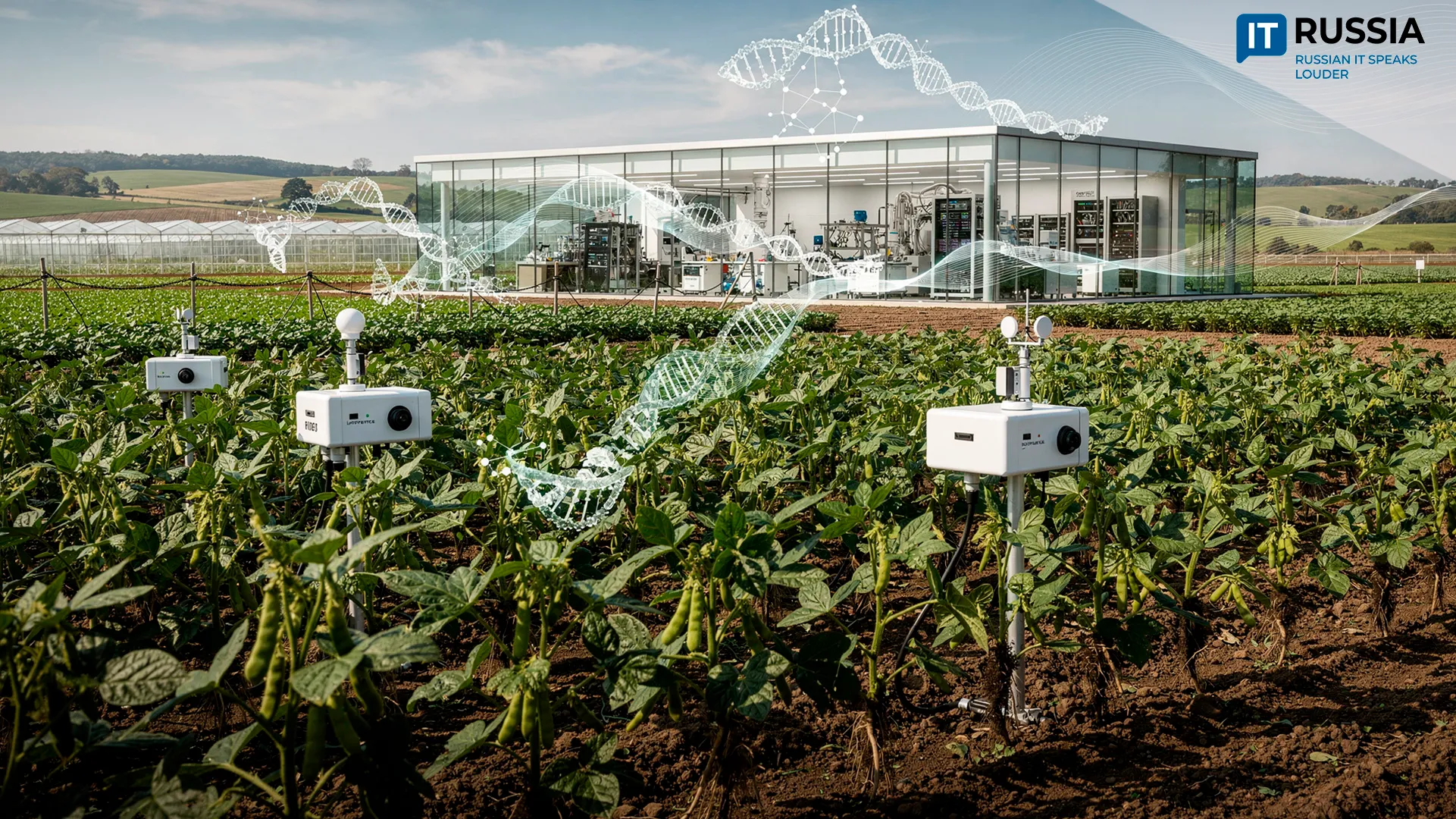
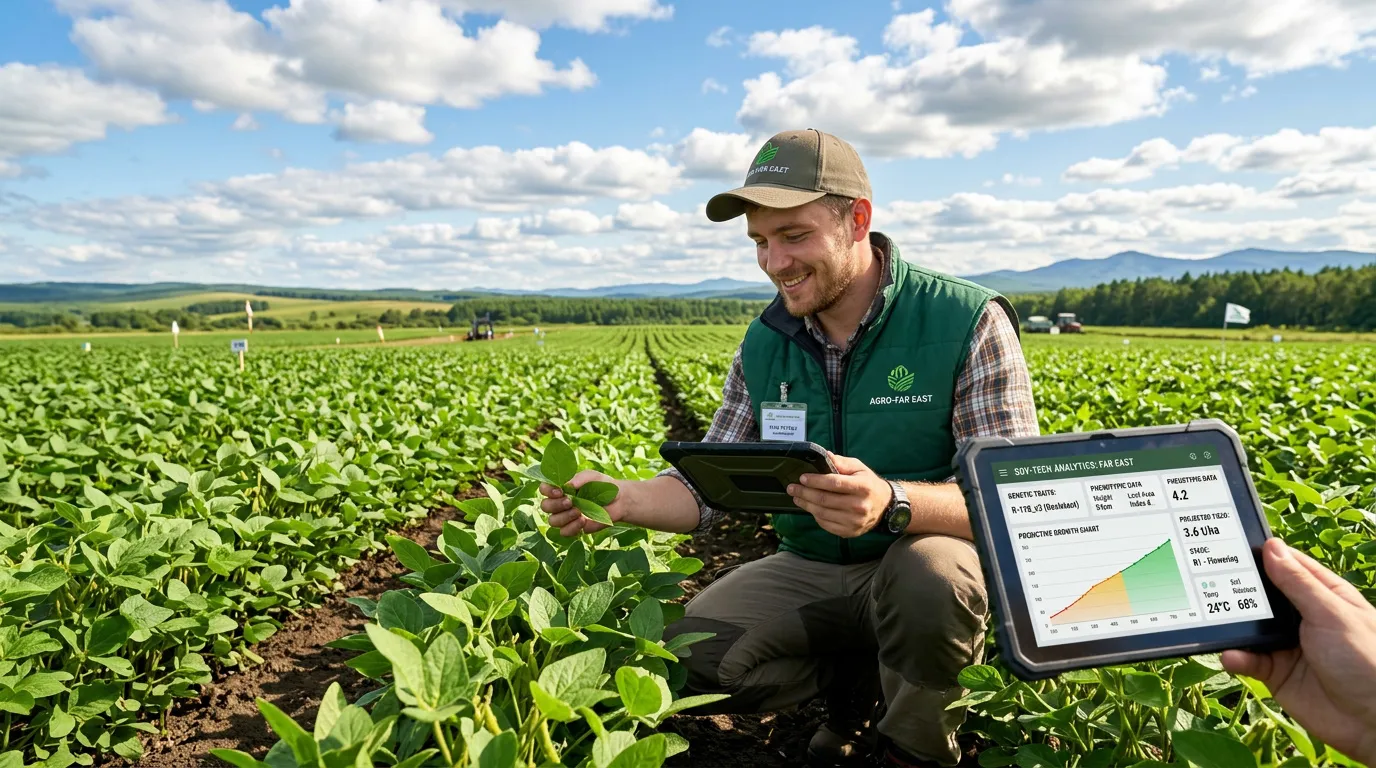
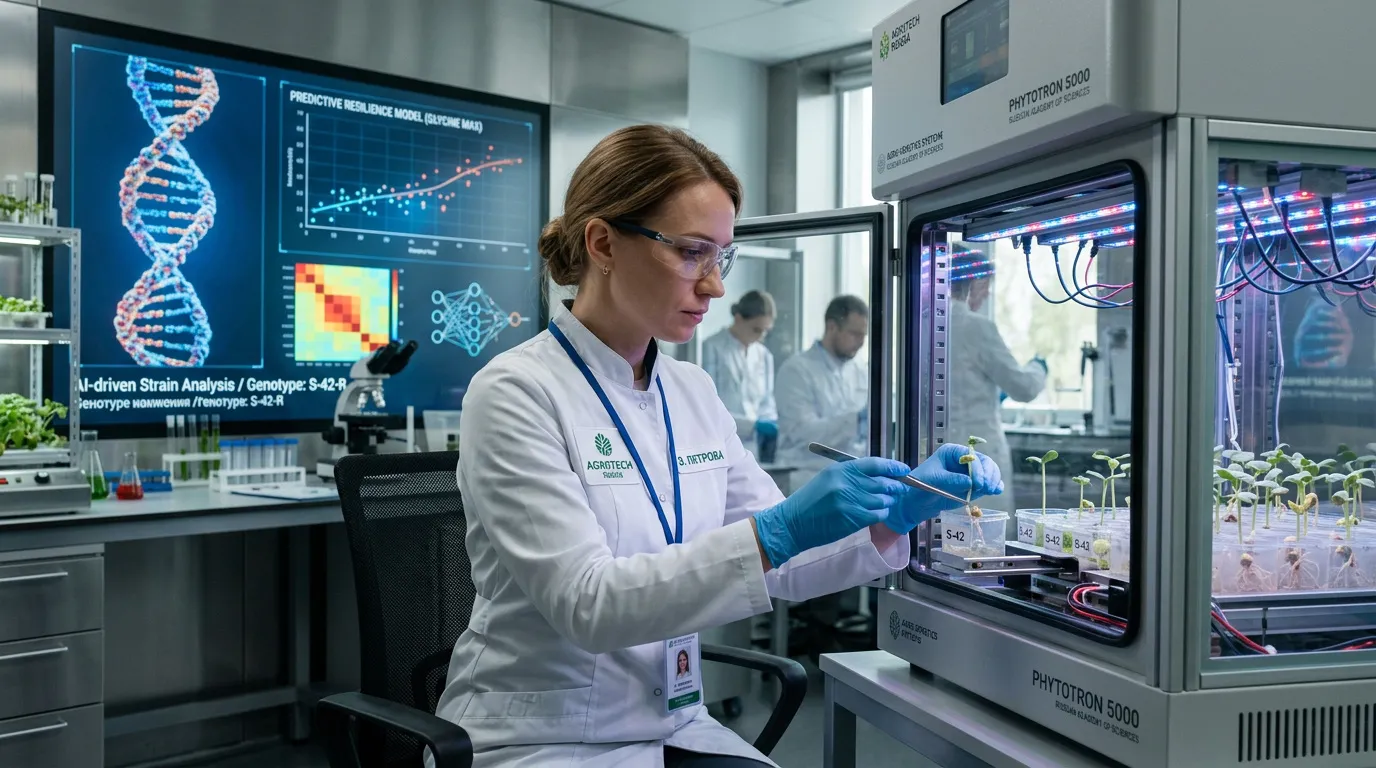
Russia plans to use digital technologies to develop new soybean varieties. Researchers at the Federal Scientific Center All-Russian Research Institute of Soybean, or VNII soi, are participating in the creation of the Pusk (Launch) accelerated breeding platform operating at the Timiryazev Genome Center. The system combines genomic, phenotypic, soil and climate data into a unified digital environment. That makes it possible to evaluate economically valuable traits in future varieties even before they are physically developed. Using AI, large genomic and phenotypic datasets can be processed far faster and more accurately than with traditional statistical methods.
VNII soi researchers have already planted 100 soybean samples in fields operated by the Timiryazev Genome Center. Fifteen similar testing sites are expected to be established across Russia. After planting, scientists plan to conduct phenotyping across 28 indicators. The strongest samples will then serve as the basis for new hybrids.
AI Enters the Breeding Pipeline
The project’s primary goal is to build a full digital genomic-selection system. The resulting datasets will be uploaded to the Pusk platform, allowing AI models to train on critical agronomic information. Neural networks will then be used to forecast breeding outcomes. Breeders will be able to use digital analytics to precisely select parent pairs for crossbreeding and dramatically accelerate the breeding cycle. As the sample collection expands, researchers expect to create soybean varieties with highly targeted characteristics.
That process could eventually take just two to three years instead of the current 10 to 15 years. Russian Agriculture Minister Oksana Lut set exactly that target during the Russkoye pole – 2025 (Russian Field – 2025) forum.
“Artificial intelligence and machine learning have already become part of our lives. Compared with traditional approaches based on statistical analysis, these technologies make it possible to process enormous datasets far more efficiently. As genomic sequencing – decoding nucleotide sequences from samples, varieties and breeding lines – becomes more accessible, we are receiving huge volumes of information. Those datasets must be processed and turned into new insights, and at this stage that is difficult to achieve without AI. We really have no alternative other than fully engaging with AI technologies and applying them to breeding tasks,” said Sokrat Monakhos, director of the breeding and seed-production center at Timiryazev Russian State Agrarian University.
New Challenges for Digital Agriculture
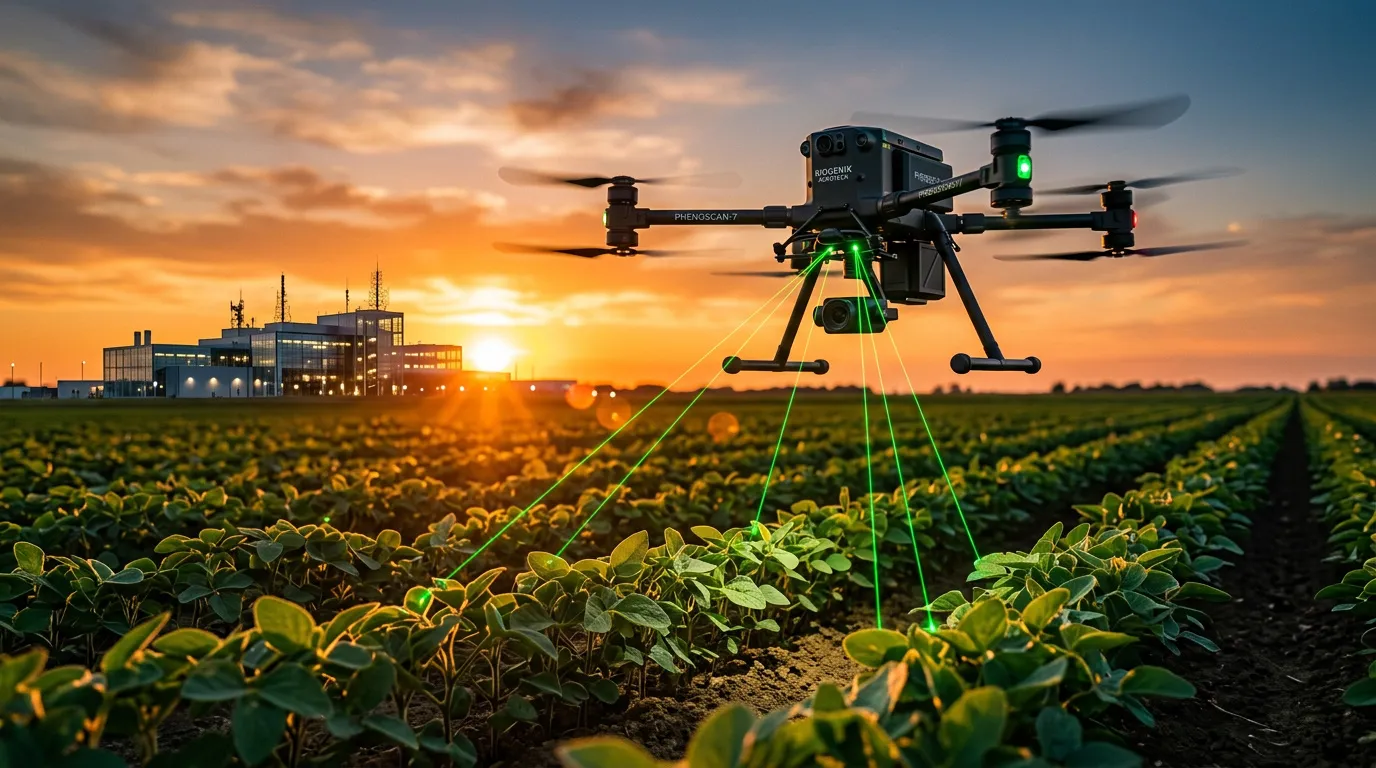
The integration of AI into breeding programs is creating a substantial new workload for Russia’s IT sector. The industry now needs technologies capable of collecting and processing massive breeding datasets, predictive analytics systems and digital plant-trait models. Effective machine-learning methods are also required to forecast the resilience and quality of future crop varieties.
That work is directly tied to Russia’s Prodovolstvennaya bezopasnost (Food Security) program, which aims to achieve 75% self-sufficiency in seeds for major crops by 2030. Significant work remains ahead. According to the Center for Agroanalytics, Russian-produced soybean seeds accounted for 43.5% of the market in 2022, rising to 65% in 2025. At the same time, existing soybean varieties still require constant modernization and renewal.
Reducing the time needed to develop new seed varieties could eventually allow Russia to export not only food products, but also seed material to countries with similar agricultural and climate conditions. Over the longer term, predictive digital breeding platforms could find demand in countries building domestic seed-production industries and looking to accelerate breeding programs.