Where Dreams Lead: Altai Completes the First Stage of the “Digital Laboratory: Territory of Ideas” Competition
School students in Russia’s Altai region are developing real-world social projects for their villages and schools.
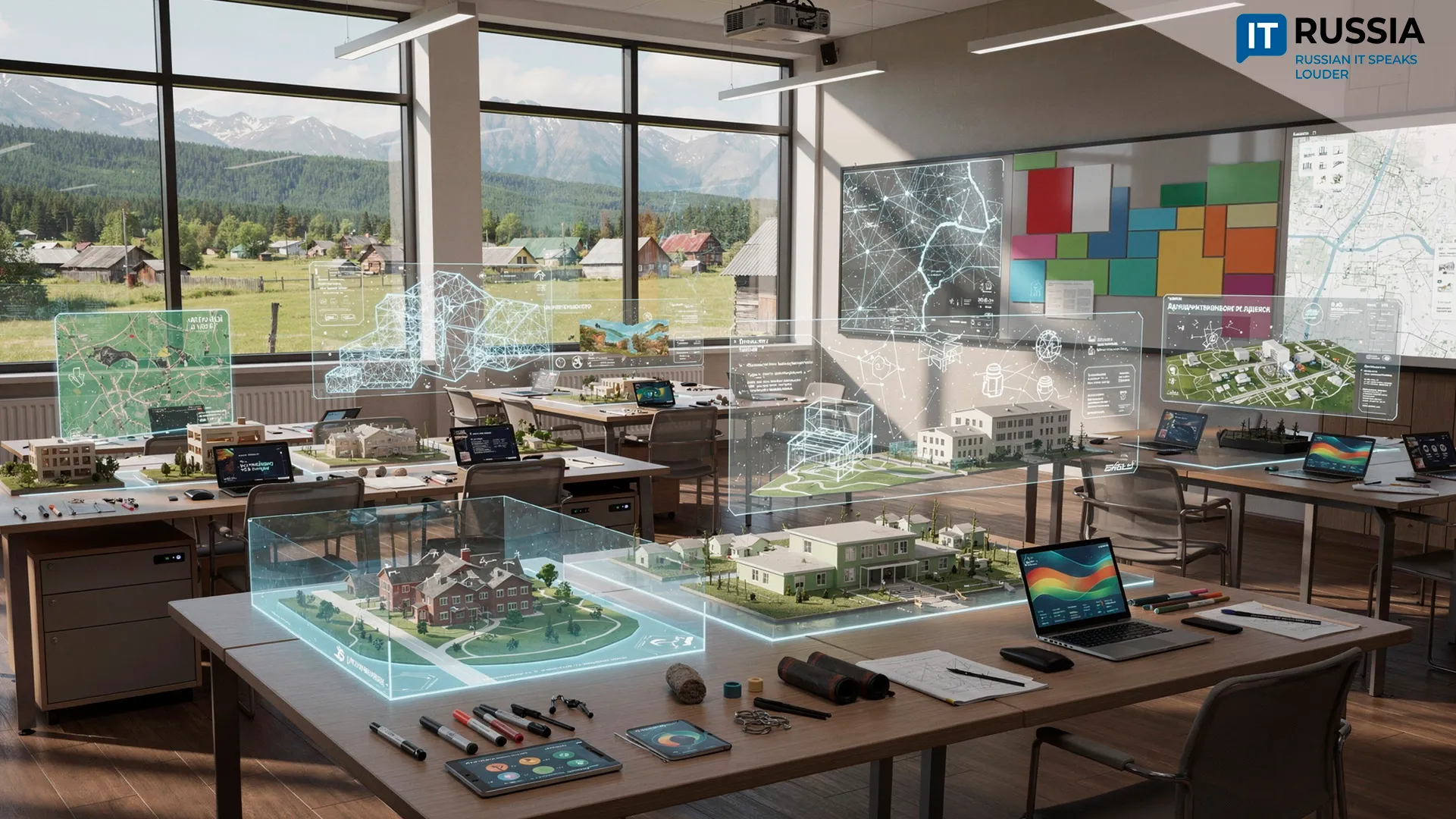
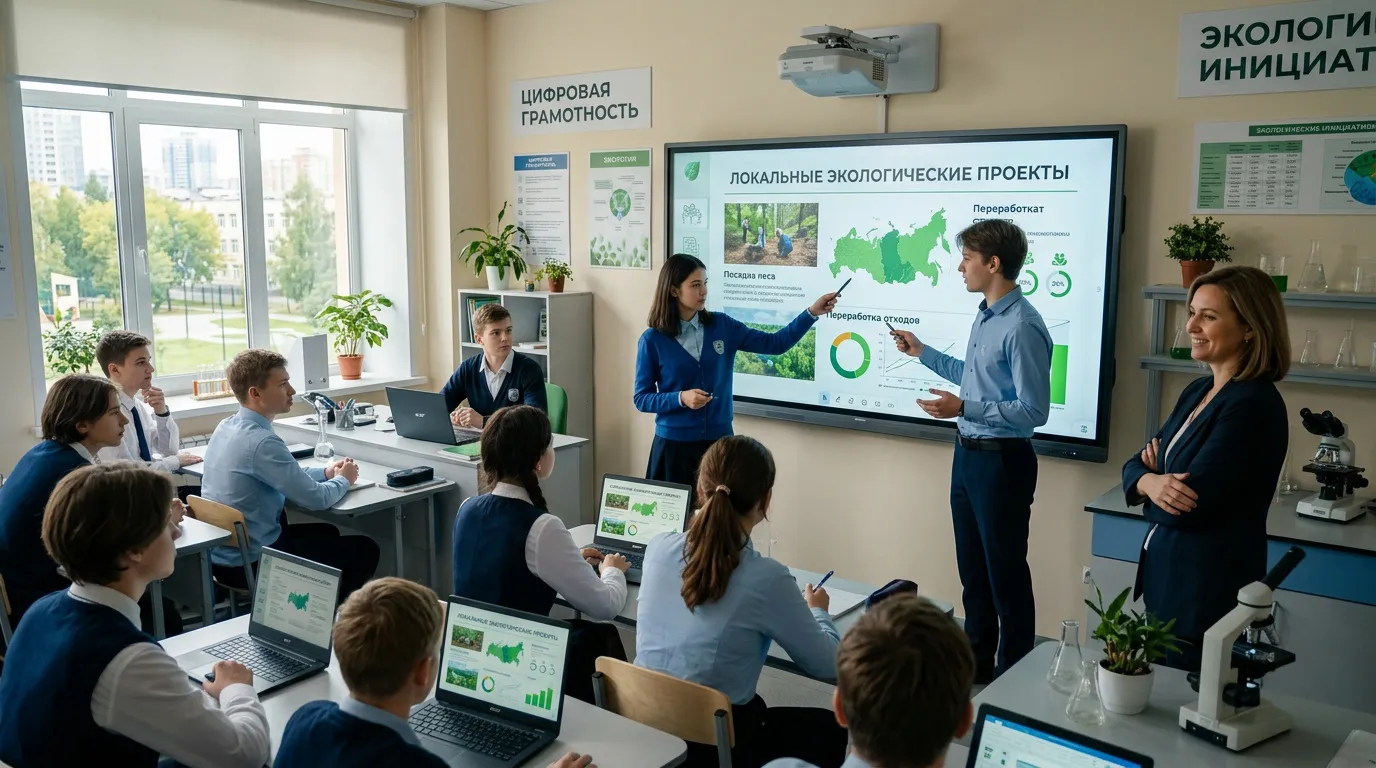
A total of 113 student teams from 28 municipalities gathered online to figure out how to improve life in their communities. To help them do it, organizers introduced generative neural networks into the process. The event became the first regional online competition for project and research solutions called Tsifrovaya laboratoriya: Territoriya idey (Digital Laboratory: Territory of Ideas).
Children Make the Decisions, AI Helps
The neural network was used strictly at specific stages of the project cycle. For example, students relied on AI tools to diagnose problems, organize observations, search for similar solutions and prepare visual materials. But once the discussion shifted to adapting ideas for local conditions, the students themselves took over. The meaning behind the projects, the arguments supporting them and responsibility for the final outcome remained entirely in their hands.
Organizers from the Altai Institute for Digital Technologies and Education Quality Assessment named after O.R. Lvov and the regional Ministry of Education focused heavily on methodology. The topics were deliberately practical: organizing school spaces, environmental issues and digitizing local institutions. There were no abstract concepts or generic presentations, only problems tied to a specific school or a specific neighborhood. As one mentor from the village of Altayskoye, computer science teacher Olga Barabanova, put it, the session became “two hours of interesting but intense work.”
From Critics to Builders
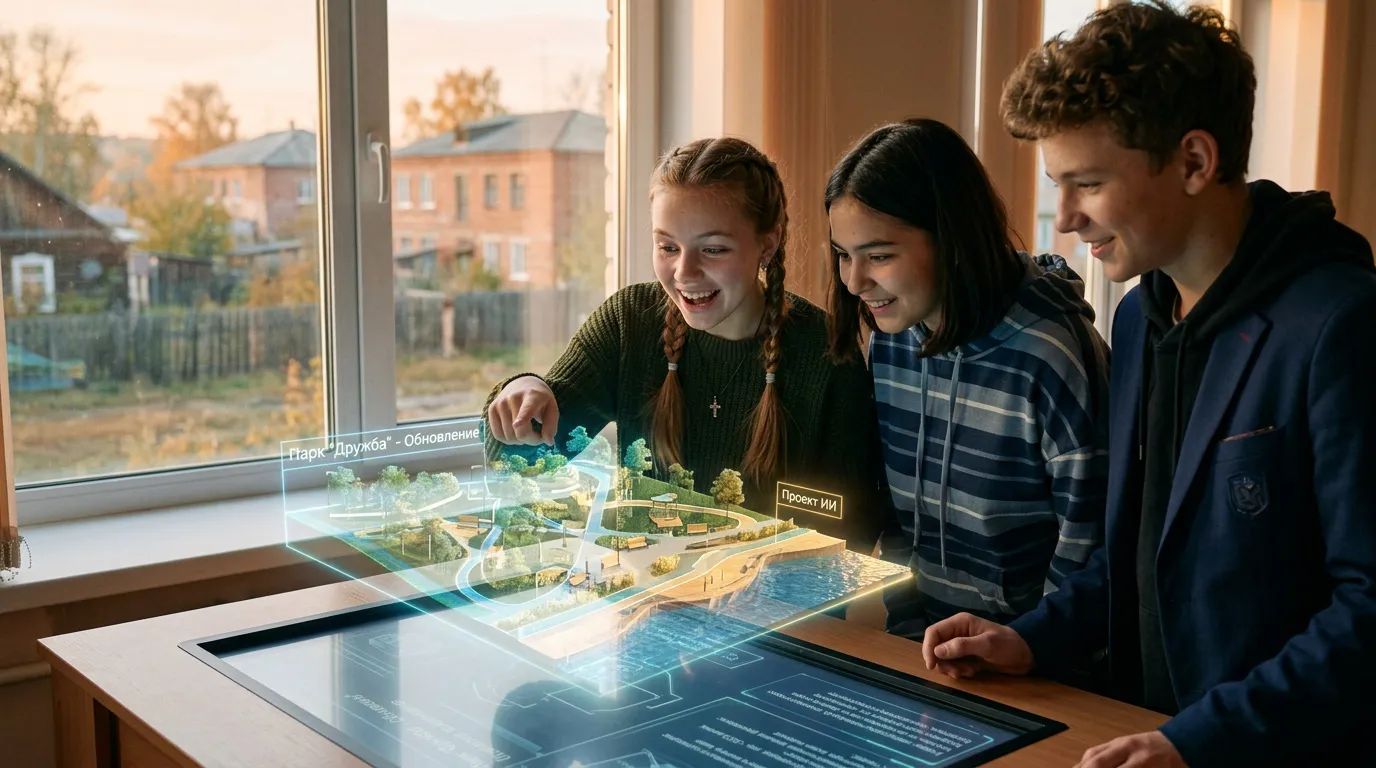
One of the most striking effects is how quickly students stop acting like dissatisfied observers and begin thinking like designers of their own environment. At the same time, teenagers no longer need to spend hours digging through spreadsheets just to define a problem. Instead, they can focus on the bigger question: “What can we actually change?”
The judging panel included methodology specialists from the Altai Institute for Digital Technologies and Education Quality Assessment, researchers from Altai State Agrarian University, hypothesis validation experts from Altai State University and technology specialists from Sber. That combination is designed to ensure that student ideas have a realistic path toward implementation.
The top 10 projects will be included in the “Book of Ideas of Altai Krai School Students,” which will be personally presented to Governor Viktor Tomenko. Some teams will also receive support in preparing grant applications for Rosmolodezh and the Presidential Grants Foundation. The strongest proposals may move into pilot deployment at the municipal level. In practice, that means a student from a remote rural area could see a digital solution developed at school become part of real life in the community.
62% of Students
The groundwork for the competition started taking shape in 2024. That year, Russia launched a Urok tsifry (Digital Lesson) program focused on prompt engineering, with the Vklad v budushcheye foundation serving as a strategic partner alongside Sber and GigaChat. For the first time, schools began teaching students at scale how to structure effective prompts for neural networks. The initiative gained traction quickly: more than 3 million students completed the course, while Sber employees delivered more than 1,000 open lessons across the country. At the same time, Russia also held its nationwide AI Olympiad in 2024, attracting 18,057 participants from all 89 regions. The Altai case, however, stands apart because the focus is not on algorithms themselves but on measurable social impact.
By 2025, researchers found that 62% of school students were already using neural networks. Schools stopped asking whether AI should be allowed and instead faced a new challenge: how to teach students to use it responsibly. That shift is accelerating. In 2026, Moscow launched a pilot AI course for fifth-grade students. Later, the AI Alliance announced that the textbook Vvedeniye v iskusstvennyy intellekt (Introduction to Artificial Intelligence) for grades 5 through 9 had been added to the federal textbook registry. Against that backdrop, the Altai competition is very much aligned with the broader national trend.
Competition for Young Minds
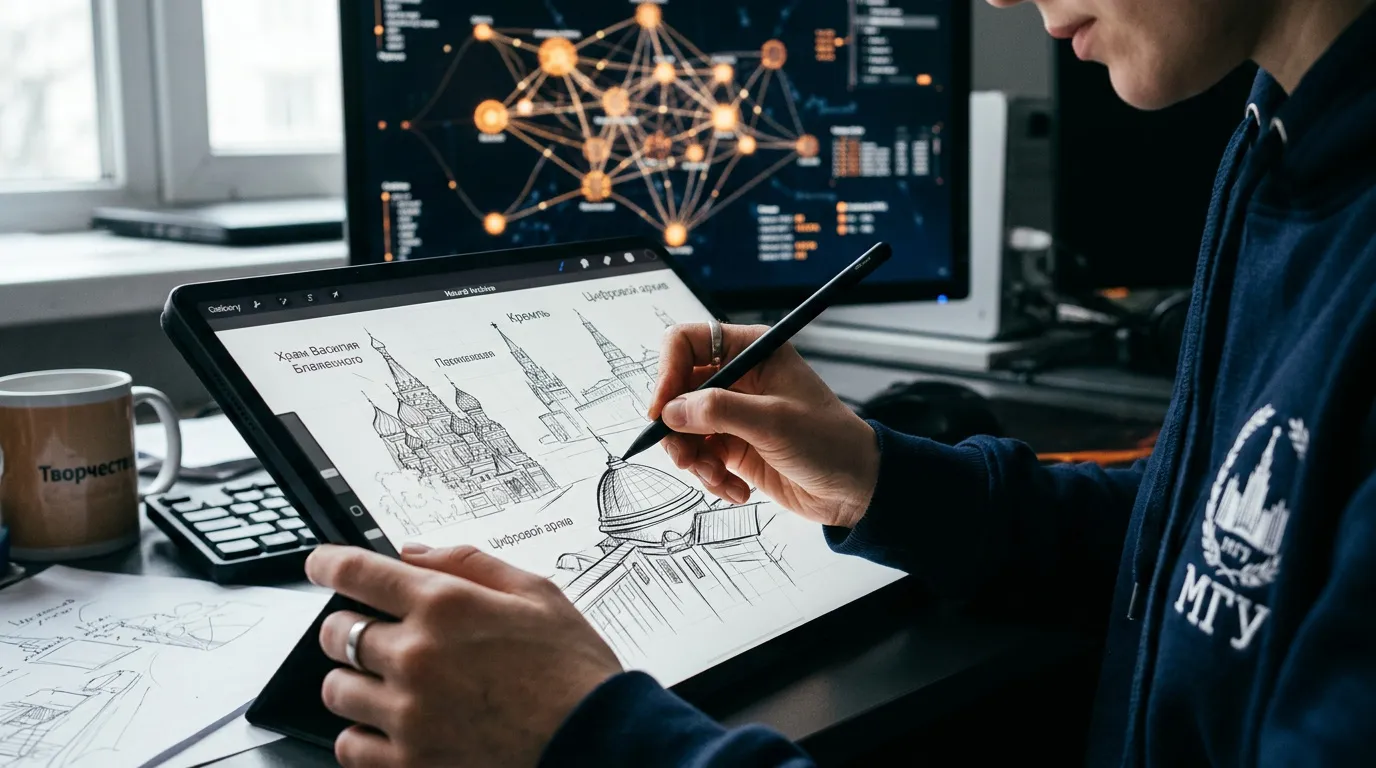
Territoriya idey has a strong chance of becoming a working long-term mechanism rather than a one-time initiative. Organizers have already announced plans to support projects seeking grant funding. More importantly, municipalities are beginning to treat student ideas as a real development resource. According to the Artificial Intelligence Academy for School Students, a project run by the Vklad v budushcheye foundation with support from Sber, more than 6 million students have already learned about AI opportunities. The region that gives those millions a practical tool for influencing their environment may ultimately win the competition for young talent and ideas.
Most likely, competitions like this will soon spread to other regions. They are expected to be integrated with new AI textbooks, Urok tsifry programs and extracurricular technology clubs. The strongest approaches could eventually become standard teaching frameworks for schools nationwide. The competition itself may have limited export potential, but its methodology is a different story. Russia could realistically offer ready-made educational models to partner countries across the CIS.
Altai Krai has demonstrated how AI in schools can become a tool for civic engagement. Even the most advanced algorithm is useless without people who genuinely care about what happens in the courtyard of their school or in their hometown village.