En+ Coal Puts AI to Work Managing Logistics
The company has completed pilot testing of a digital rail-yard management system at the Tulunugol open-pit mine in Russia’s Irkutsk Region.
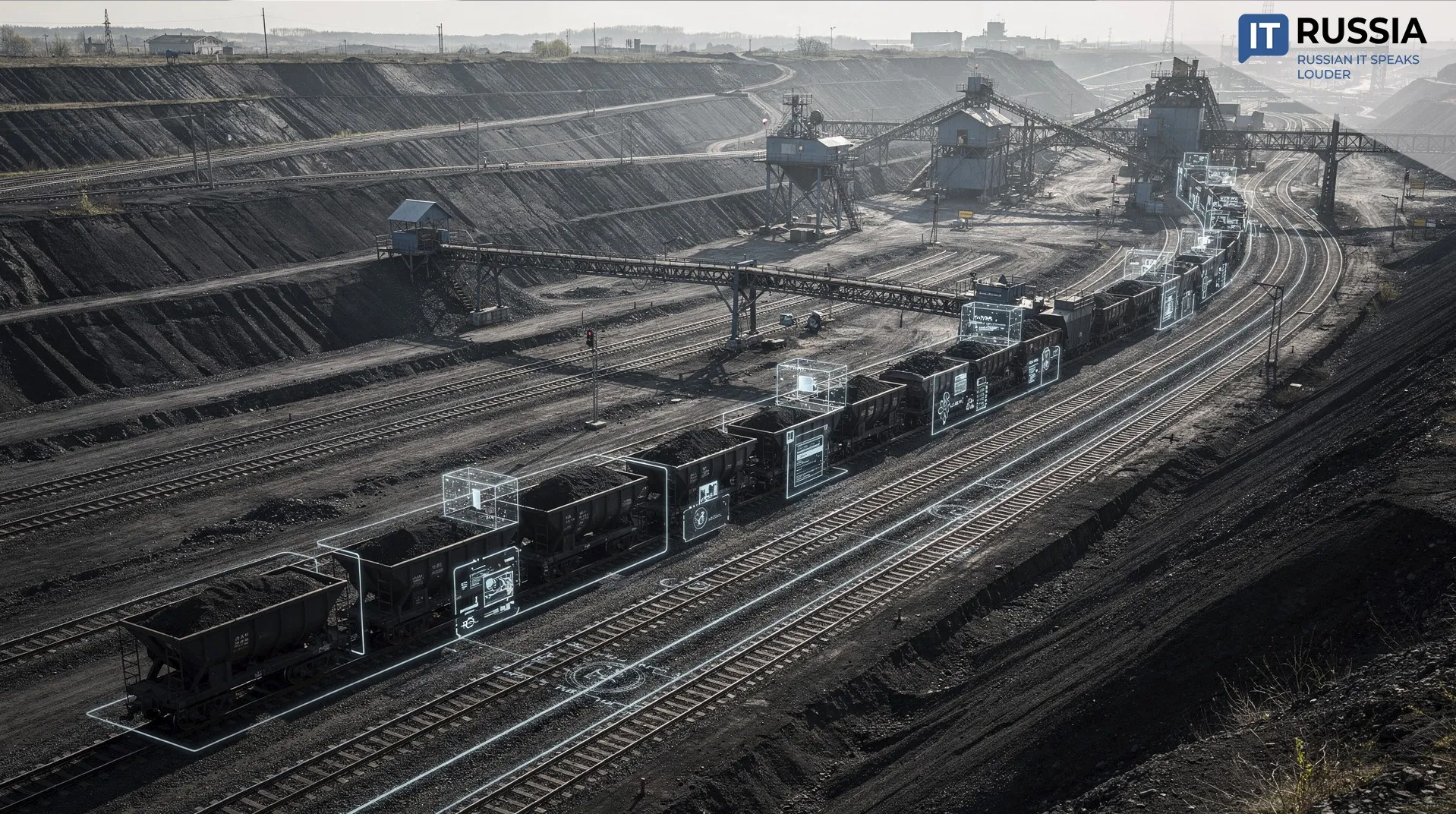
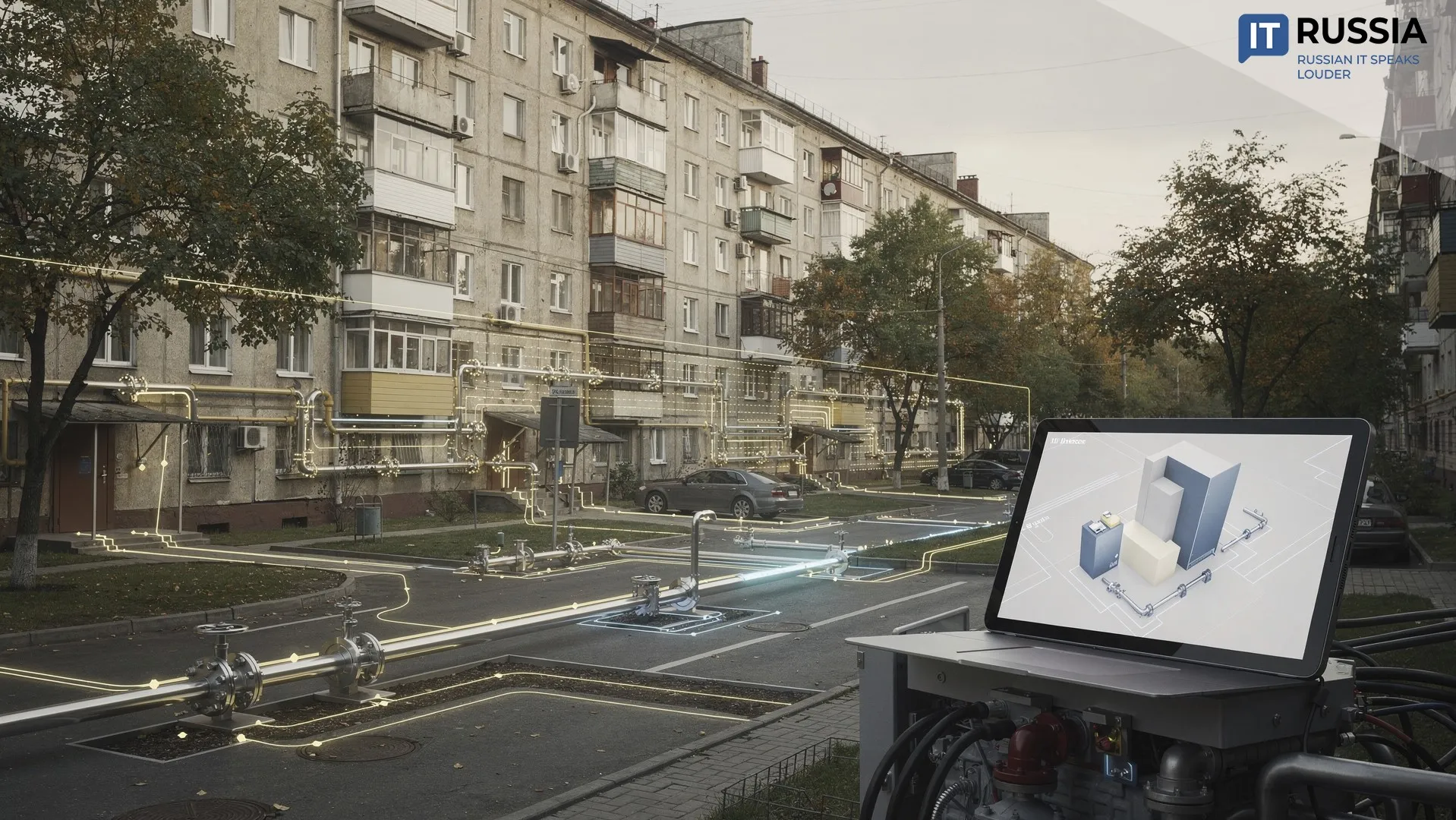
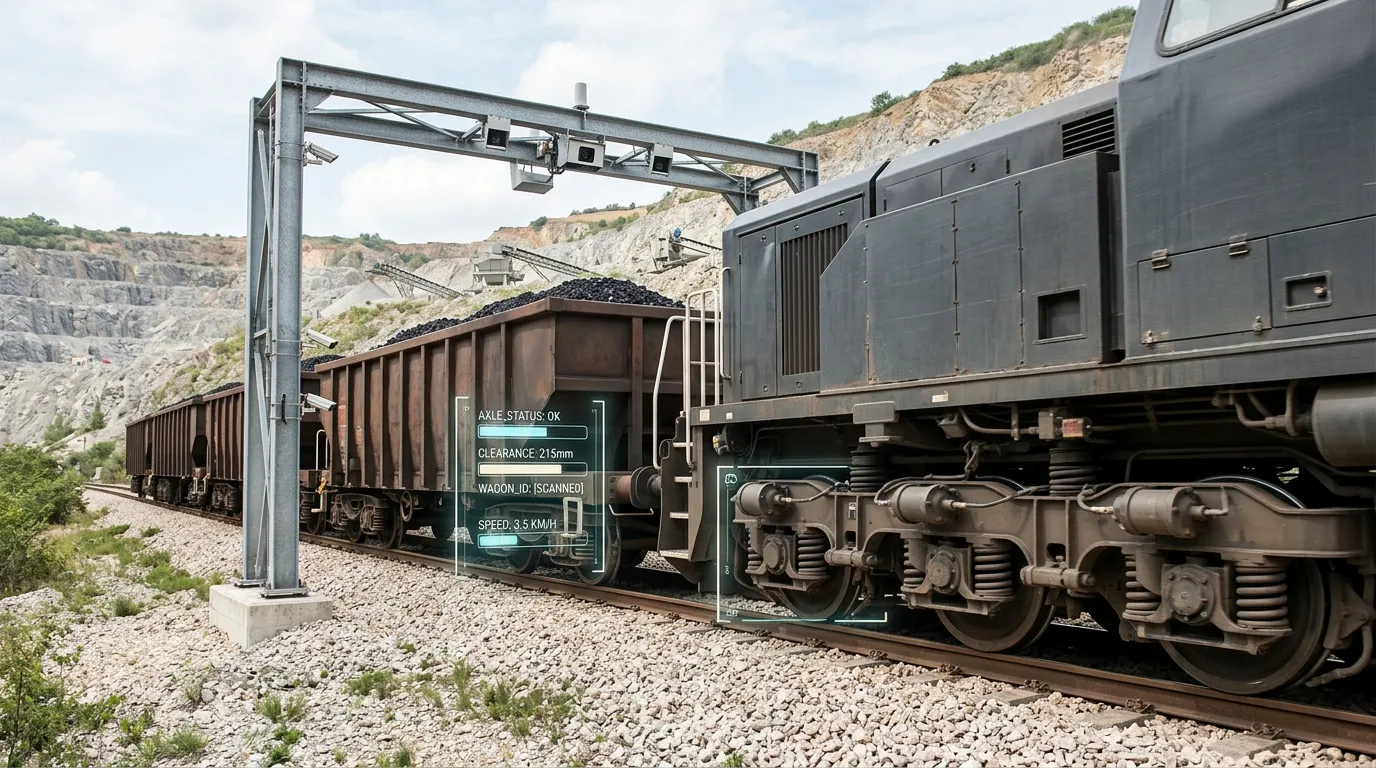
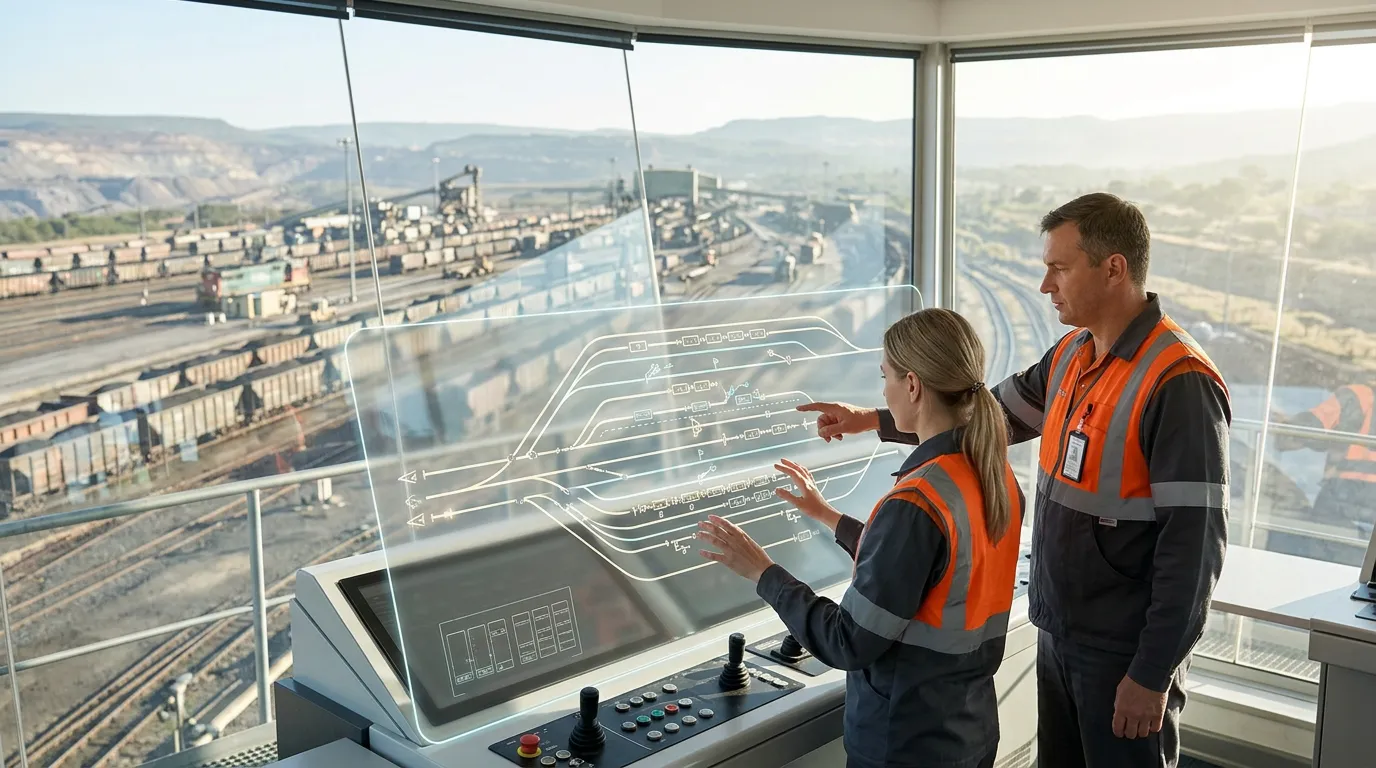
The system tracks the entire logistics chain and evaluates rolling-stock utilization in real time by combining transportation-management solutions, industrial Internet of Things technologies, analytics platforms and production-process automation.
The next stage, scheduled for completion by the end of September, is the rollout of the system across the rail operations of En+ Coal’s Cheremkhovo-area enterprises. Plans for 2027 include deploying computer vision technology. Cameras will automatically read railcar numbers and determine their direction of travel, removing routine tasks from employees and eliminating the impact of human error.
The new system began operating in 2026. For several months, the company carried out intensive work as the system underwent testing and various operating scenarios were developed and evaluated. The pilot delivered an economic benefit of 50 million rubles (about $594,000).
Factors Driving Industry Growth
Following global changes in the oil market caused by the crisis in the Persian Gulf, several Asian countries have been forced to partially switch to coal-fired power generation. China accounts for 56% of global coal consumption, while India has already surpassed combined demand in Europe and North America. Russia has redirected its coal shipments to these countries, which together account for about 70% of global demand for thermal coal.
Against this backdrop, Russia’s coal industry is showing strong growth. In the first half of 2026, exports increased by more than 8% from the same period in 2025. Prices for Russian coal at Far Eastern ports rose by 3-16% by September 1, depending on the grade. Coking coal reached its highest price since early 2024, rising 32.3%, partly due to accidents at Chinese mines and disruptions to supplies from Mongolia.
Logistics remains one of the industry’s constraints: the Vostochnyy Polygon (Eastern Railway Polygon), comprising the Baikal-Amur Mainline and Trans-Siberian Railway, is operating at full capacity. Against this backdrop, one of the most important coal infrastructure projects is the construction of a privately owned 626-kilometer Tikhookeanskaya Zheleznaya Doroga (Pacific Railway), with coal producer Elga as its main investor.
Experts point to the need to develop the entire coal transportation infrastructure in advance. Rail carriers’ plans, seaport capacity and production volumes must be synchronized, or the capacity ceiling of the Eastern Railway Polygon will be reached very quickly.
A Push Toward Fully Digital Logistics
IT systems can take logistics and rail transportation to a new level. Since 2022, changes in the global market have made Russian-developed technologies particularly important. In 2023, for example, coal producer SUEK completed a project to modernize rail equipment at the Borodino Loading and Transportation Department in Russia’s Krasnoyarsk Region using Russian-developed electronic control systems. The Borodino L&T Department operates more than 130 kilometers of track within the coal mine and has a fleet of 76 locomotives of various series. The modernization extended diesel-engine service life by enabling highly precise fuel delivery for each operating mode.
In 2024, Vostsibugol, which is also part of En+, announced its Digital Open-Pit Mine project, incorporating digital deposit maps, production-process automation, an equipment monitoring system and AI elements. The solution included equipment monitoring and data analysis across the rail infrastructure. The project also provided the basis for a railcar fleet management system.
In 2025, Russian Railways itself introduced the Digital Locomotive Depot, a Unified Corporate Automated Locomotive Complex Management System. The solution brought planning, monitoring and analytics together in a single digital environment.
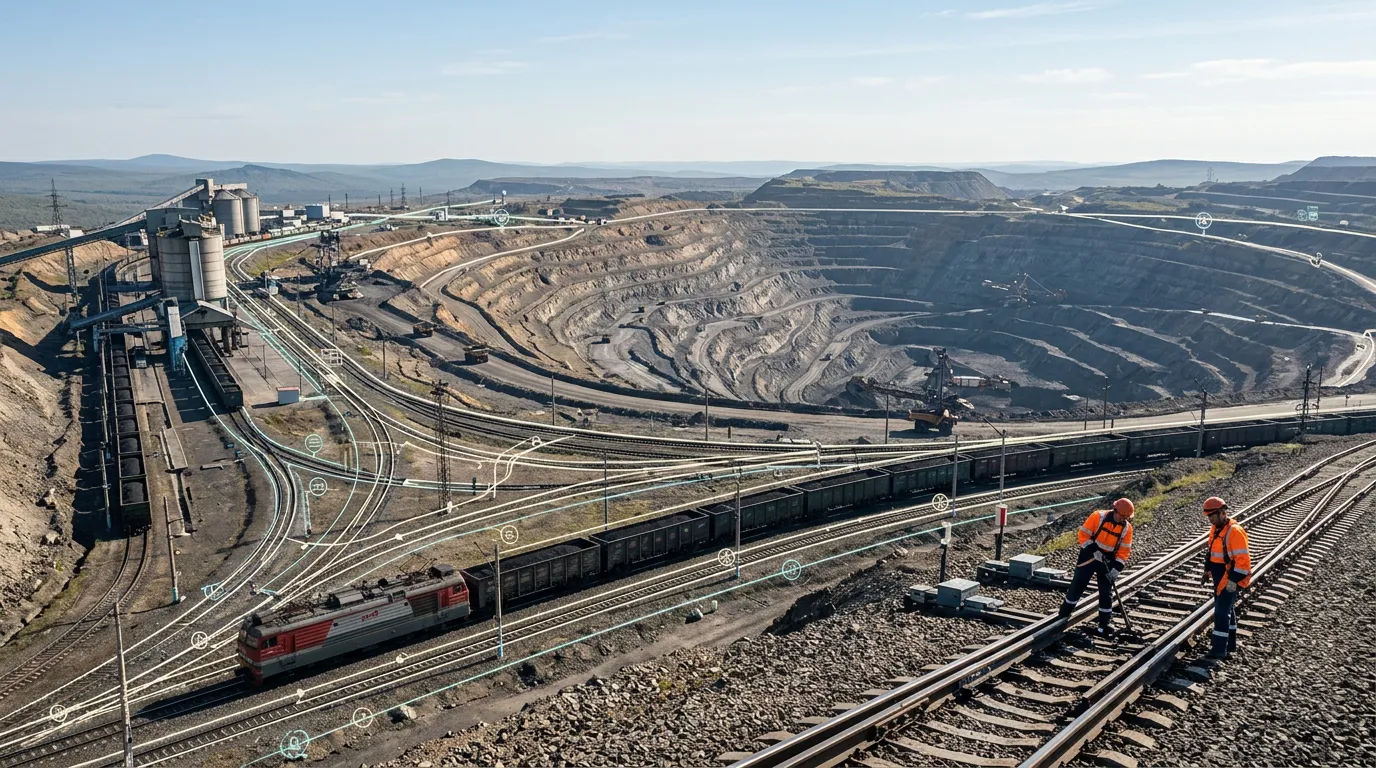
The deployment of En+ Coal’s digital railcar fleet management system reflects a key trend in Russian industry. While digitalization was previously limited to automating individual operations, modern projects are focused on creating a unified digital operating environment.