A New Type of AI Tutor From StudyNinja
In Veliky Novgorod, a digital mentor that can identify exactly where a student is struggling and guide them forward step by step, adapting to their pace and skill level, has been developed.

StudyNinja, a Russian company, has introduced its educational platform in Veliky Novgorod. The project, developed at the Intellektualnaya elektronika – Valday (Intelligent Electronics – Valday) innovative science and technology center, is built around a system of micro-lessons and progress analytics. This allows the program to adapt to each student. The key difference from other services is the role of AI. Rather than simply acting as a chatbot that answers questions, it serves as a digital assistant that manages the learning process.
The Soft Power of Knowledge
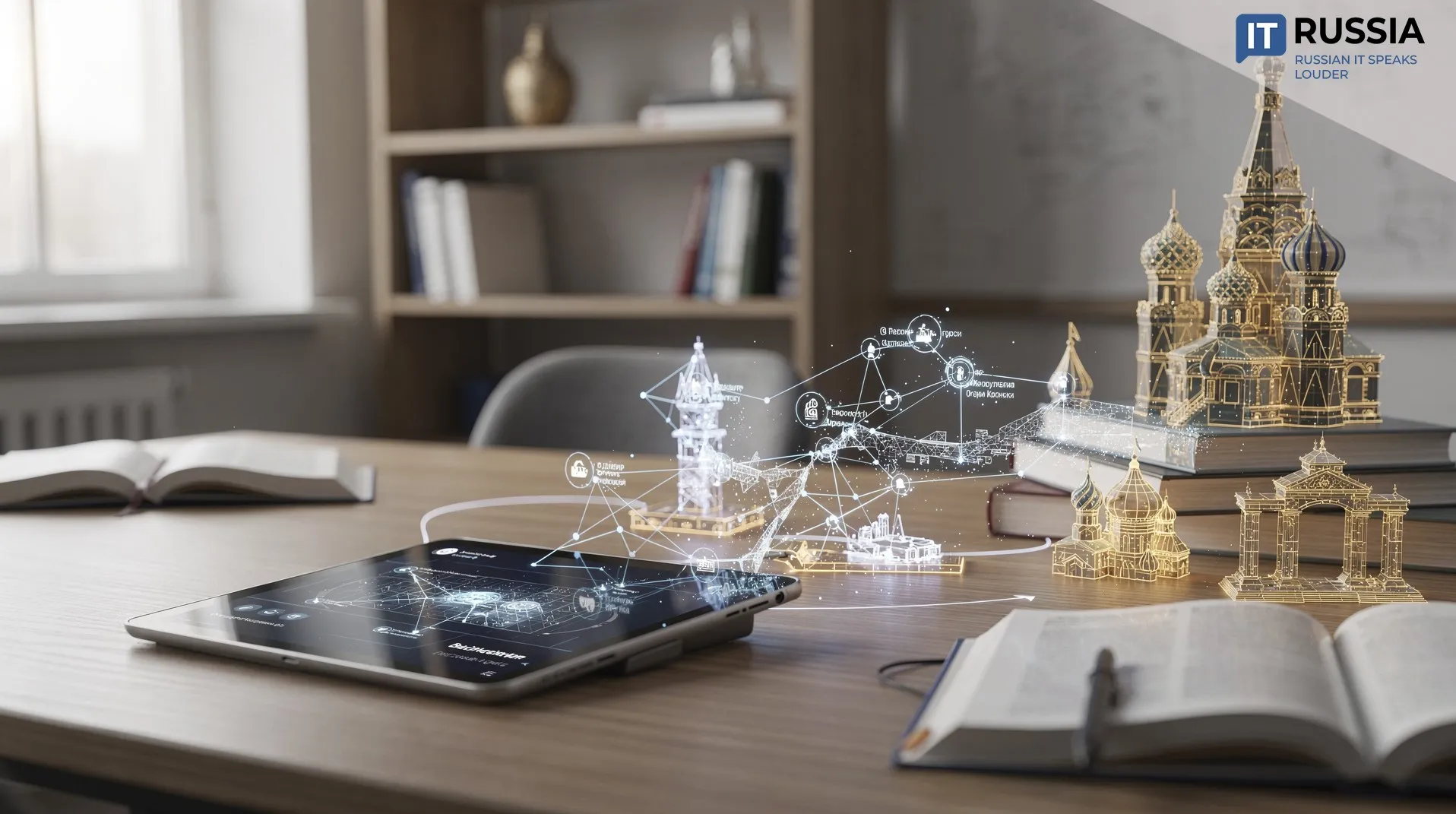
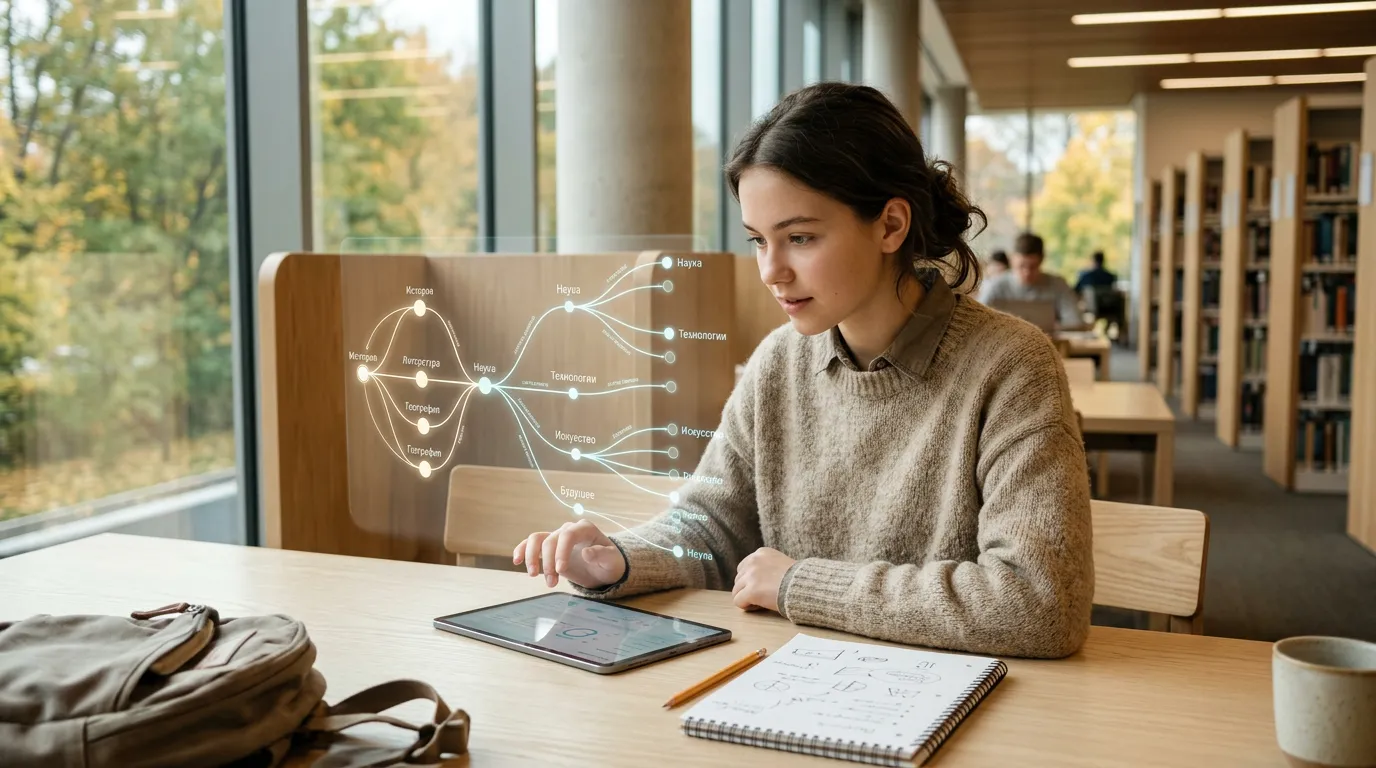
The project was initially conceived as a personalized AI tutor, but the concept evolved into a digital platform during development. In 2024, the project received support from the Foundation for Assistance to Small Innovative Enterprises after winning the Student Startup competition. Over two years of development, the team built not only the AI itself but an entire educational infrastructure around it: a knowledge assessment system, a graph of learning dependencies, mechanisms for identifying gaps, individual learning road maps, micro-lessons and continuous adaptation of instruction. It is this combination that sets the platform apart from simply having a student interact with a general-purpose neural network.
Work in the system starts with a specific goal – improving academic performance, mastering particular topics, filling knowledge gaps or preparing for the OGE and EGE exams. The system then assesses the student’s knowledge to determine which elements of the curriculum have already been mastered, where gaps remain and what knowledge is needed to move on to the next topics. One key principle is that AI should not serve as a collection of answers. It explains the material, asks guiding questions, helps students identify mistakes and guides them through each step of solving a problem. The micro-lessons are based on the I Do – We Do – You Do methodology. First, the system explains the principle and demonstrates an example. Then the AI and student work through a similar problem together, and only afterward does the student apply the knowledge independently. Separate scenarios are also designed for parents and teachers.

Turning Weaknesses Into Strengths
Platforms built around a personalized approach to learning began appearing in Russia around 2022. For example, Yandex announced the development of an educational neural network for learning computer science. It was one of the first Russian examples of generative AI being used in adaptive learning. By the end of that year, Yandex Uchebnik launched an AI-assisted computer science EGE preparation service powered by YandexGPT. It explained how to solve problems, highlighted coding errors and adapted the learning process to the student’s pace.
In 2024, Yandex introduced several AI assistants for school students, college students and teachers. The first was a math tool that helped students work their way to an answer through hints. In 2025, educational AI continued to expand into tools for educators. Solutions based on YandexGPT began to be used to prepare learning materials. AI was no longer serving only students, but also helping educational centers simplify some of their work.
Personal Data, Personal Learning Paths
The approach of using machine learning to build an individual educational path for each student aligns with the global shift toward adaptive learning. For Russia, with its vast territory, this is crucial. Even a child in a small town or rural area can gain access to a digital assistant that previously was often available only through an expensive private tutor.
As Russian language models continue to develop, AI tutors could evolve from tools that help with assignments into permanent digital mentors. They could accompany a person throughout their education. That also makes the technology a potential export opportunity. The Russian solution does not require complex physical infrastructure and can be adapted to different curricula and languages. As a result, it could find demand in CIS and BRICS countries and in countries where teachers are in short supply.