Scientists Develop Method to Predict Thermal Behavior in Next-Generation Nuclear Reactors
The advance marks an important step toward developing nuclear reactors powered by liquid fuel.
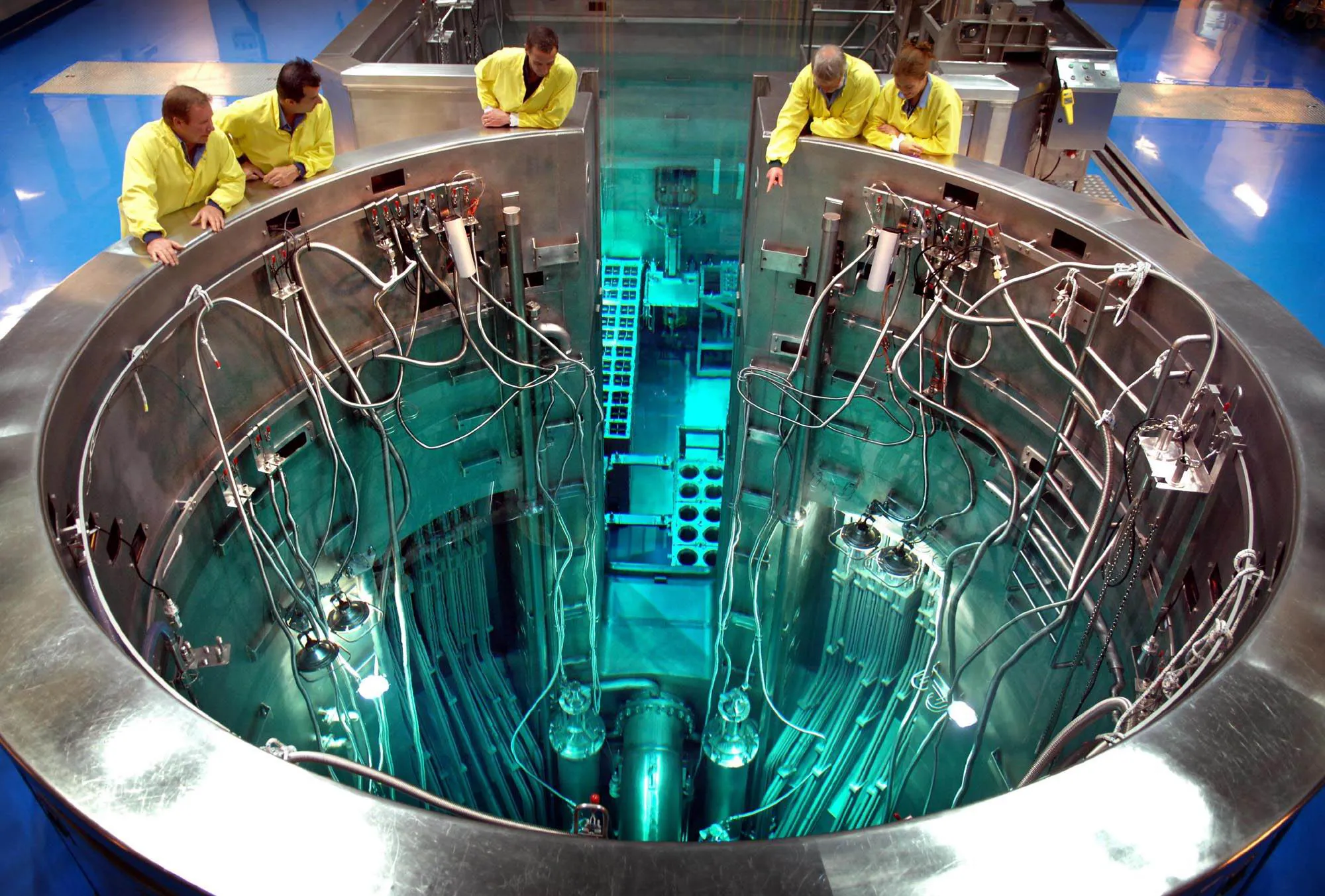
Researchers at the Moscow Institute of Physics and Technology (MIPT), working with international collaborators, have developed an optimized method for calculating the thermal behavior of next-generation reactors designed to operate on liquid nuclear fuel. The reactors could use a liquid chromium-uranium alloy as fuel, an approach that would make far more efficient use of nuclear materials while dramatically reducing the volume of radioactive waste.
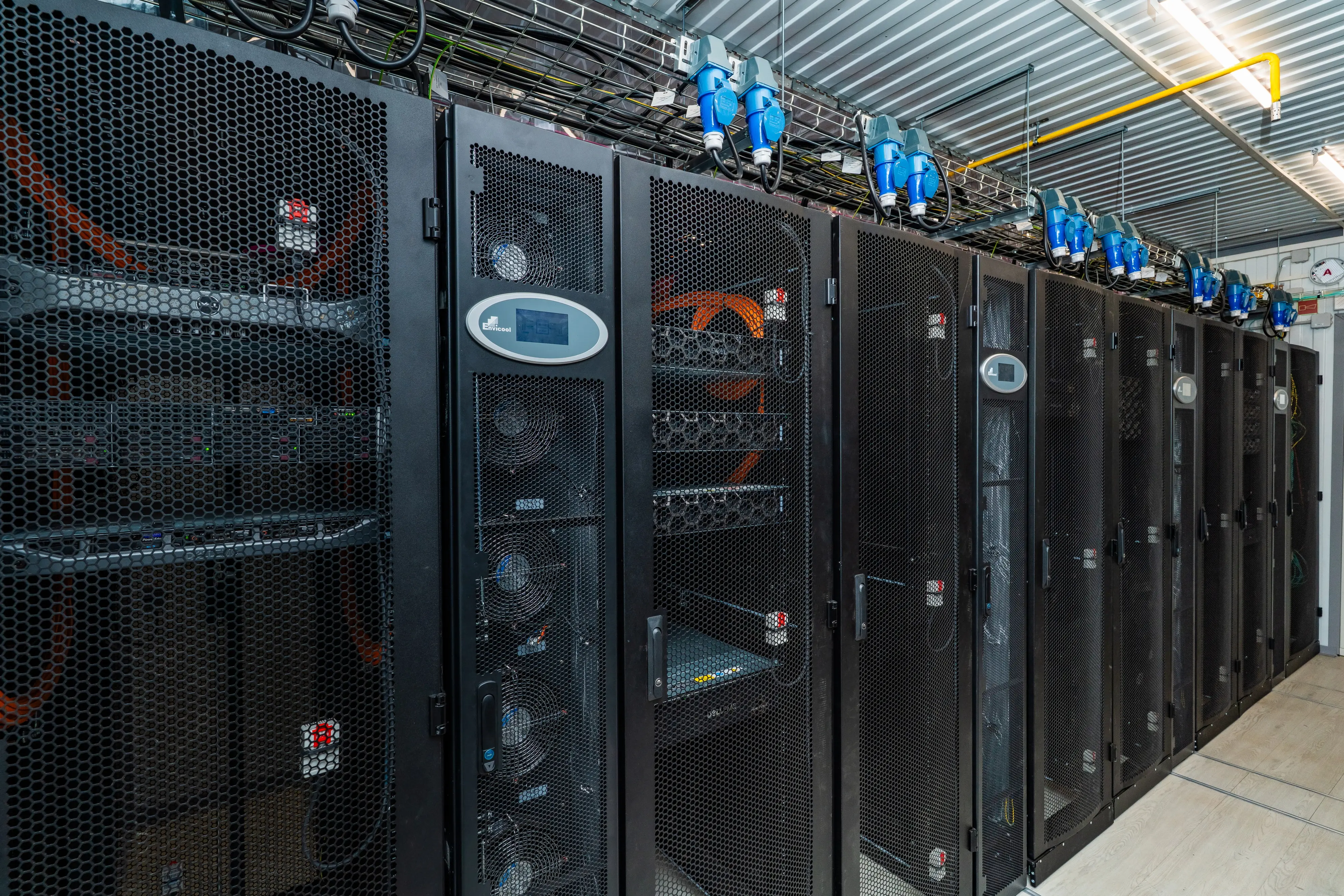
Developing this technology, however, requires solving several engineering challenges. Liquid fuel transfers heat differently than water or air, and existing turbulence models do not fully account for that behavior. The researchers created a computer model of the experimental DFR reactor and used a supercomputer to simulate the movement and temperature of liquid nuclear fuel as it flowed around heat-exchanger rods. They identified the turbulence model that produced the most accurate results, making it possible to generate reliable temperature predictions for validated operating conditions without relying on computationally intensive supercomputer simulations.