Secure Browsers Could Become an Alternative to Virtual Desktops
Workspace virtualization developer Omnissa has introduced a secure browser-based approach that gives employees direct access to corporate applications without relying on full virtual desktops. The concept could also accelerate the development of similar technologies in Russia.
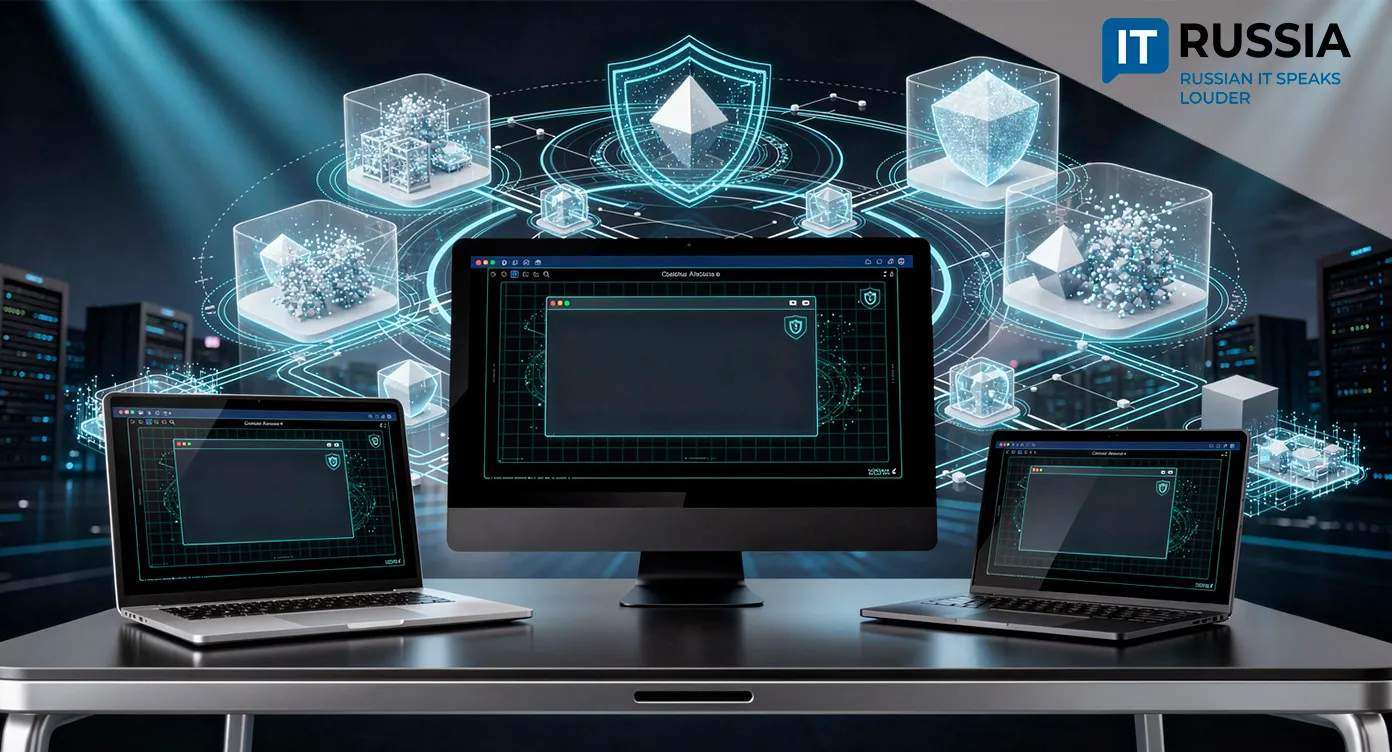
According to industry experts, the approach can prevent users from copying or transferring sensitive files to external services, including public generative AI platforms. For everyday users, it could also make secure remote work from personal computers significantly easier.
The concept could also help move Russia's IT industry forward by encouraging developers to expand enterprise browser technologies for a broad range of organizations. The foundation for that market is already in place. For example, Yandex Browser dlya Organizatsii (Yandex Browser for Organizations) provides centralized administration, supports Russian cryptographic technologies, and enables secure access to internal information systems, including from devices that are not managed by an employer.
Industry observers also expect enterprise browsers in Russia to become increasingly integrated with DLP (data loss prevention) systems designed to protect confidential corporate information from unauthorized access, copying, transmission, or loss. So how does the enterprise browser model work?
Built for Contractors and Temporary Staff
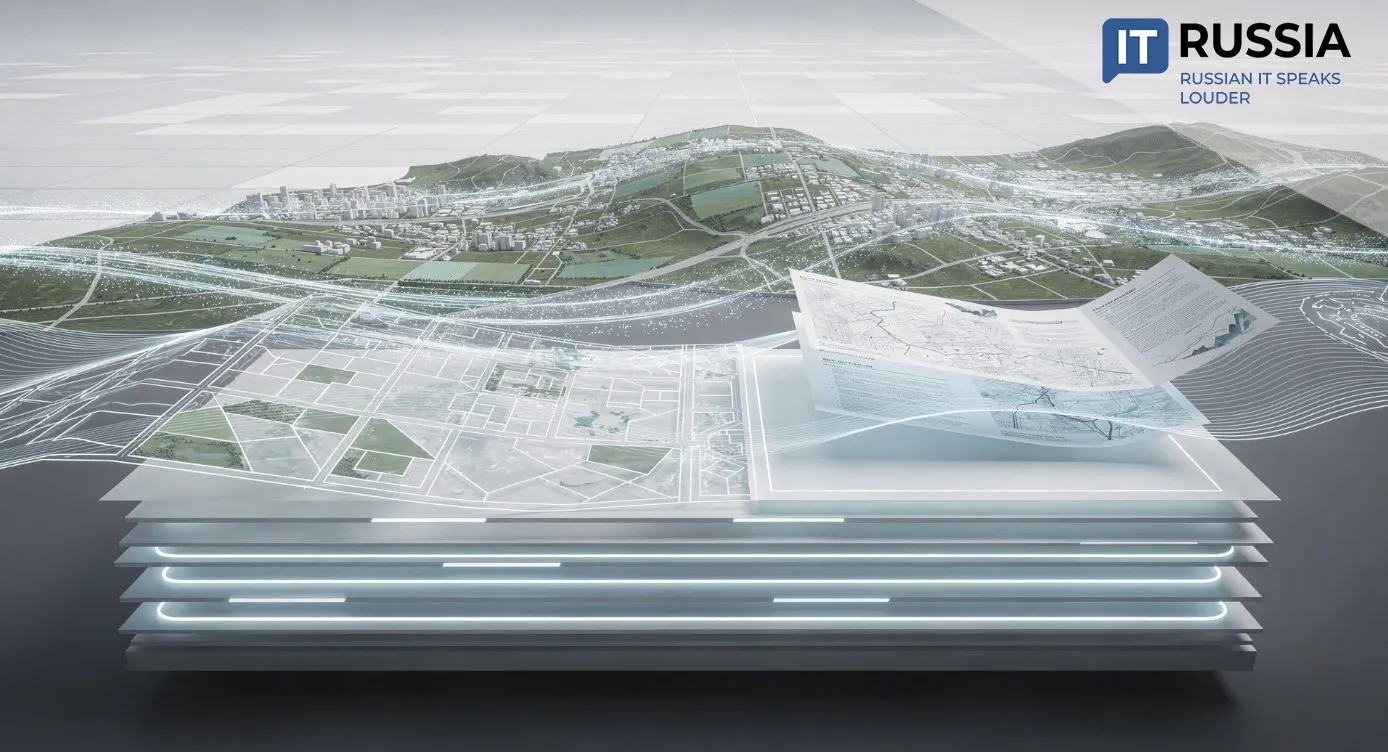
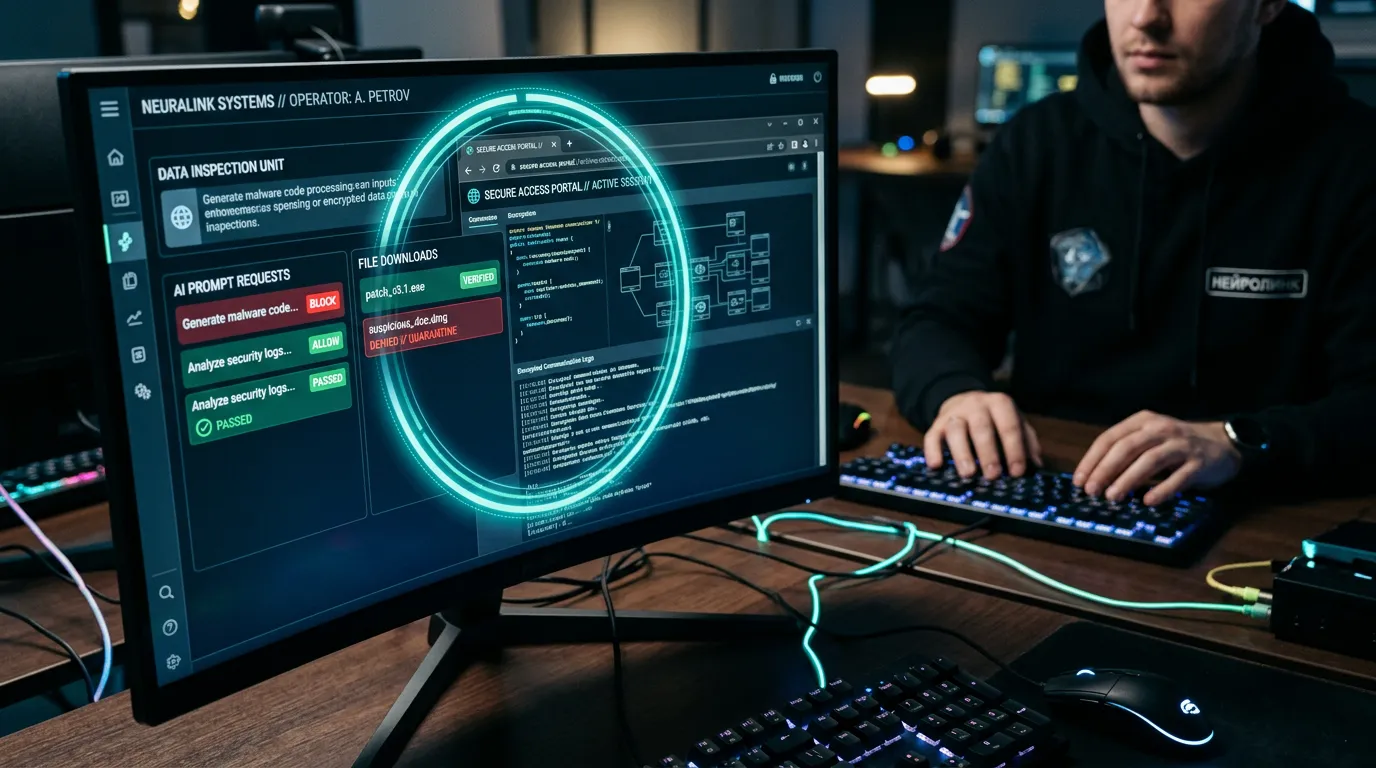
Omnissa's approach brings SaaS applications, web applications, and virtualized applications together in a single application catalog. Security controls are enforced directly within the browser session itself. The model is primarily designed for contractors, temporary workers, employees using personal devices, and users whose work relies mainly on web applications. The platform includes controls that can restrict copy-and-paste operations, file uploads and downloads, and the transfer of sensitive information to external services such as publicly available generative AI platforms. Another feature is device posture awareness: the browser evaluates the security status of the endpoint and can require additional verification or deny access if the device fails to meet security requirements.

Stronger Security, Greater Convenience
Enterprise browser technology could make remote work from personal computers both simpler and more secure while improving reliability. The development of products in this category reflects a broader industry trend away from providing users with fully virtualized desktop environments and toward securing individual work sessions and application-level access instead. For Russia's IT industry, enterprise browsers could become an important new category of secure remote access technology, creating opportunities for browser developers, access management vendors, and virtual desktop platform providers. That is particularly relevant as organizations across the country continue replacing foreign enterprise software with domestic alternatives.

Shaping the Next Stage of Enterprise Browsing
Industry analysts expect Omnissa's approach to encourage the development of Russian enterprise browser platforms as well as deeper integration between browsers, data loss prevention systems, and identity and access management technologies. Enterprise browsers are likely to appeal to organizations where employees primarily work with websites, electronic document management systems, email, and cloud services. They could also provide secure access for external consultants, business partners, outsourcing providers, and temporary personnel without granting full access to the corporate network.
Experts also expect Russia to adopt a hybrid model over time. Employees who depend on complex specialized software will likely continue using virtual desktop infrastructure, while contractors, temporary staff, and cloud-first users connect through managed enterprise browsers. Looking further ahead, Russian enterprise browsers could become export products for countries seeking greater technological independence, local data storage, and support for national cryptographic standards. Success in international markets, however, will depend on meeting global encryption standards, adapting products to customer requirements, and establishing partnerships with international systems integrators.