AI to Assess Cattle Conformation
Scientists at the Timiryazev Academy have developed a platform for contactless monitoring and analysis of the physiological condition of cattle.
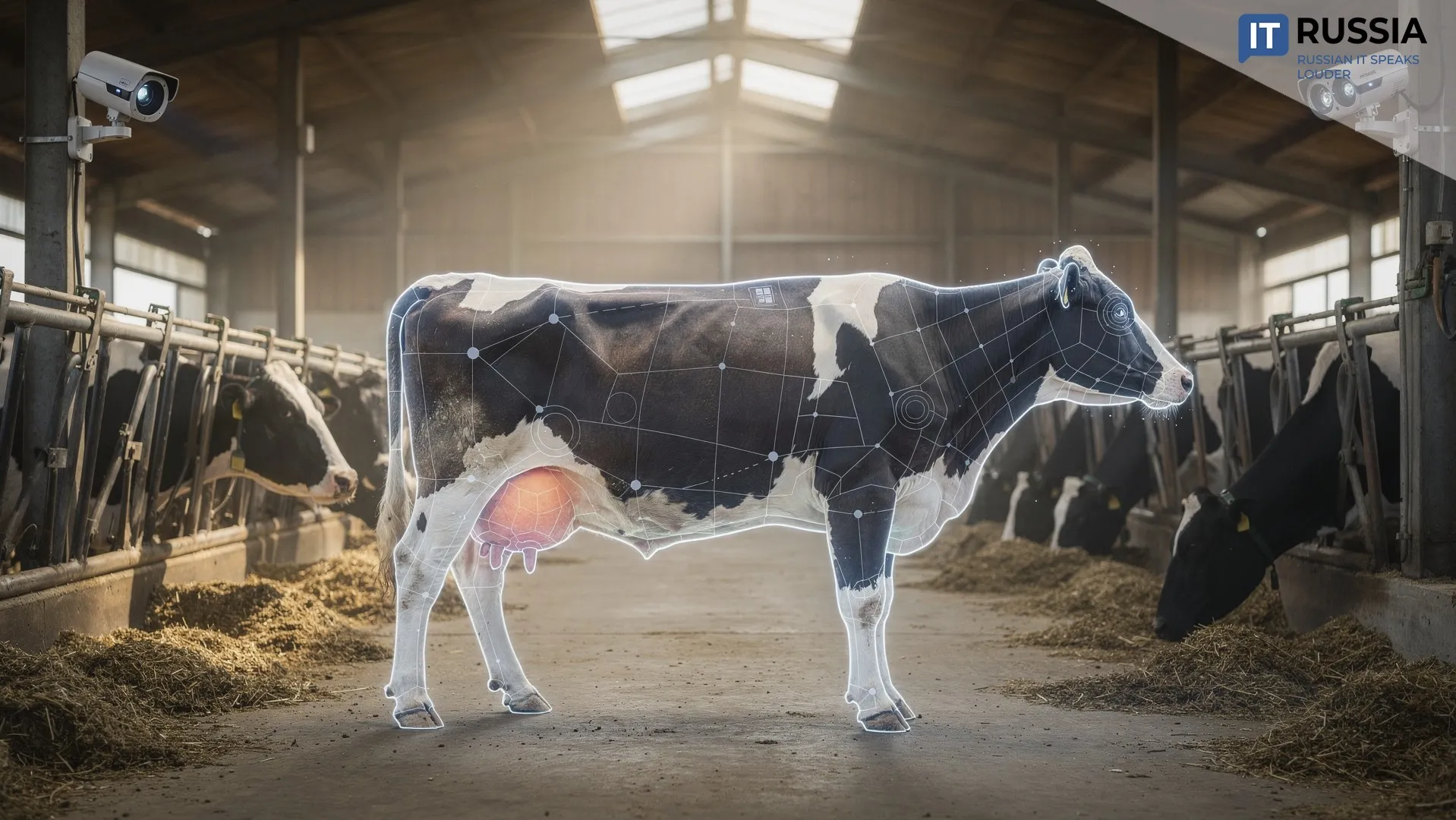
According to livestock producers, diseases of the musculoskeletal system cost the owner of a 10,000-head herd about 24 million rubles ($285,000) a year. Lameness is associated with pain, which reduces an animal’s activity and appetite. As a result, both milk production and cattle weight decline. Musculoskeletal disorders are also widespread. An analysis of nearly 4,000 herds over 30 years found that the average prevalence of lameness with a severity score above 3 ranged from 5.1% to 45%.
Digital systems for early disease detection could help owners of large livestock operations protect herd health. They allow treatment to begin in time and can extend an animal’s productive lifespan severalfold.
Automatic Cattle Health Assessment
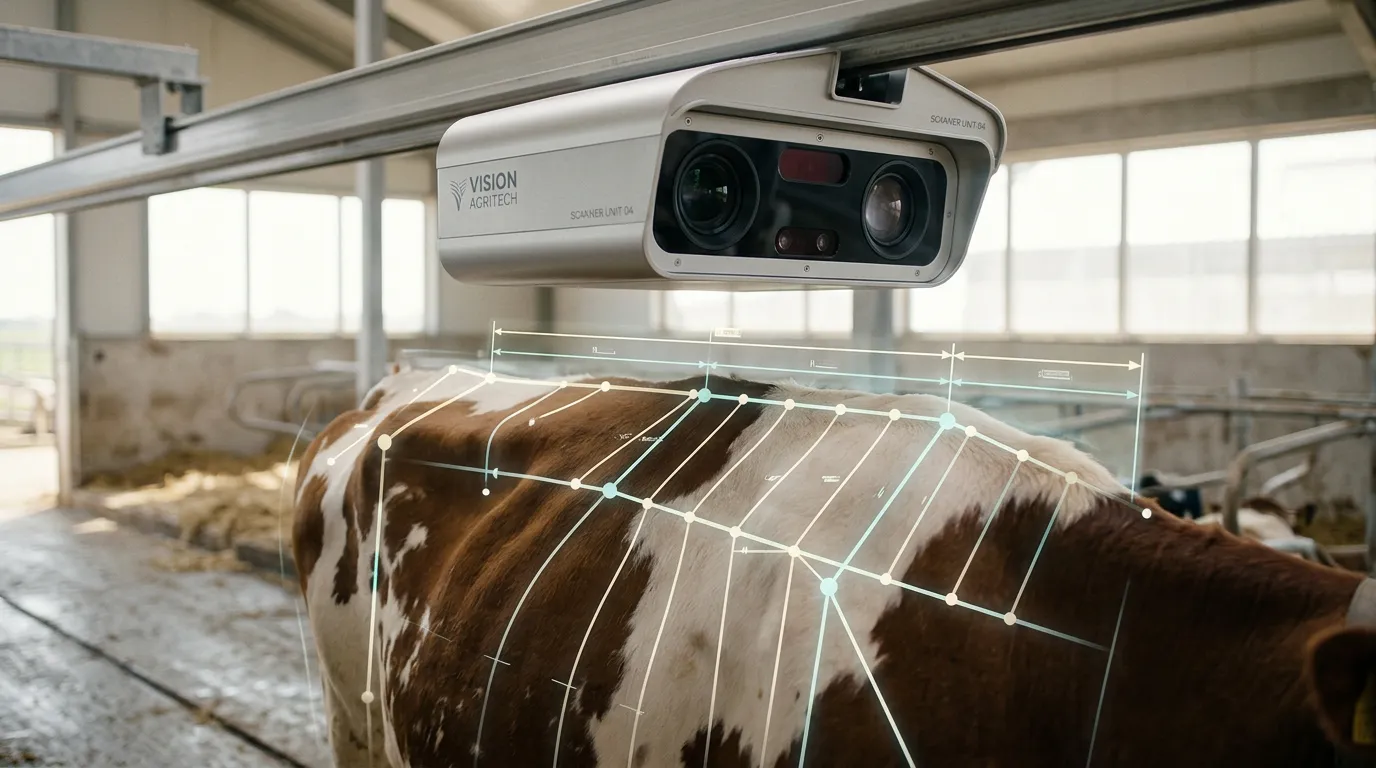
During the 2026 International Youth Festival in Yekaterinburg, specialists from the Digital Transformation Design Institute of the Russian State Agrarian University – Moscow Timiryazev Agricultural Academy (RSAU-MTAA) presented a digital phenotyping system for cattle. The platform is designed to automatically assess an animal’s body conformation, quality of movement and other external characteristics needed for health monitoring and breeding work.
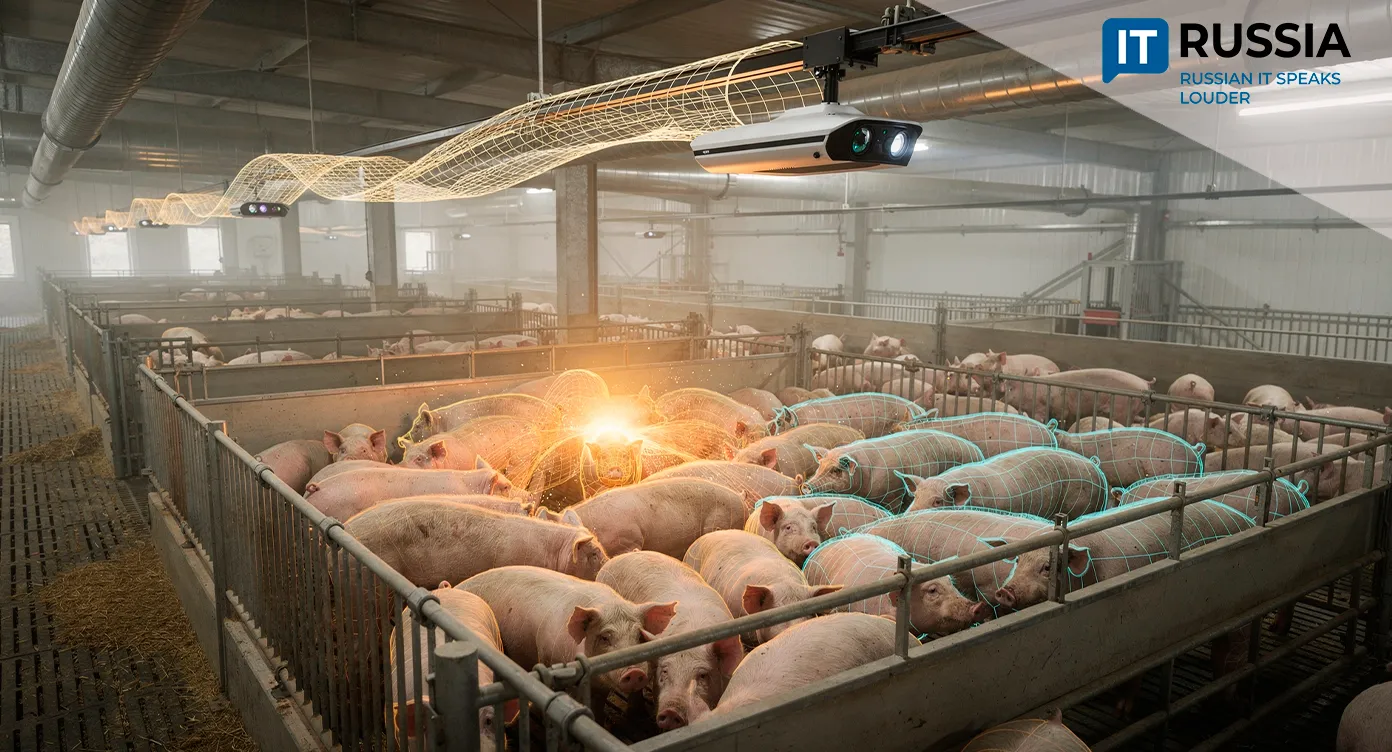
The monitoring system combines computer vision, thermal imaging, 3D video capture and artificial intelligence. Three RGB-D cameras record the animal simultaneously, producing both conventional images and data on reference anatomical points across its body. A neural network uses these data to determine body dimensions as well as angles and proportions. For now, this assessment is performed by a person.
“Today, most farms in the country use a manual method to assess animal conformation, which is subject to human error. Manual assessment also takes a great deal of time and labor. On average, assessing the conformation of three animals manually takes two person-hours, so imagine how many resources would be required to assess 1,000 animals. Contactless conformation assessment will minimize manual labor, prevent measurement errors and reduce the resource costs of livestock operations during annual conformation assessments,” said Sergey Yurochka, Ph.D. in Engineering and senior researcher at the Federal Scientific Agroengineering Center VIM.
AI Can Detect Disease Earlier Than a Veterinarian
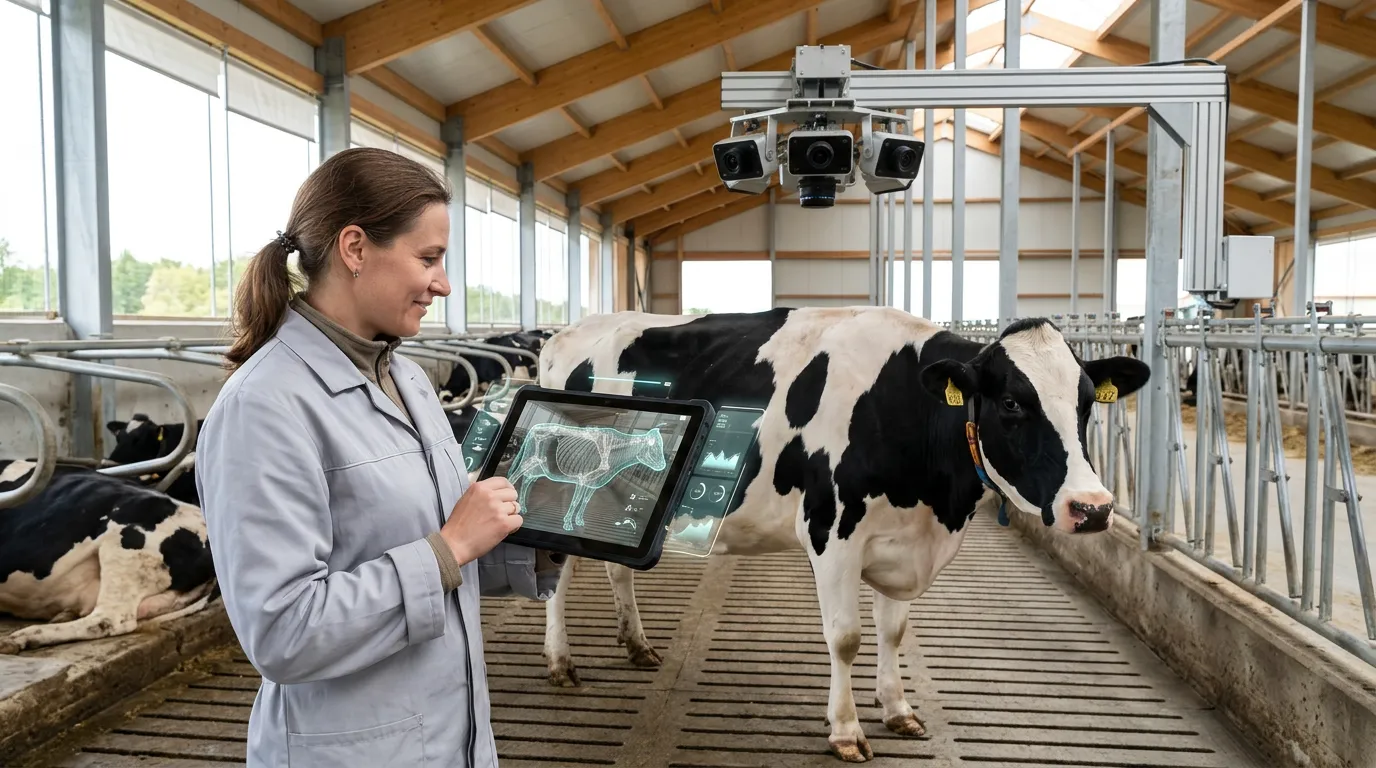
Another advantage of the digital platform is its high diagnostic accuracy, which exceeds 90% with the algorithms already developed and tested. Just as importantly, digital technologies make it possible to monitor every animal in a large herd and detect disease at its earliest stages.
“As a rule, farm personnel can recognize lameness in a cow starting at Grade III, when the chances of treating the animal successfully are 50-50. In a large herd, it is even easier to miss the problem. Artificial intelligence, however, can ‘see’ disease at both Grade I and Grade II, something only a handful of specialists in Russia can do. Even at the early stages of lameness, the loss of milk production is significant, ranging from 0.5 to 3-4 liters a day,” said Niyaz Khaliullin, director of RIVC JSC.
The platform assesses an animal’s torso, pelvis and limbs, while a separate component analyzes udder condition. This makes it possible to evaluate cattle health comprehensively. In addition to breeding value, the system assesses the functionality and productive lifespan of the animals.
“The main task is not to replace professionals, but to give them an objective digital tool. If different people assess the same animal today, their results may vary. The algorithm measures the animal according to the same rules every time,” said Dmitry Proshin, a staff member of the Digital Transformation Design Institute at RSAU-MTAA.
Developing Precision Livestock Farming
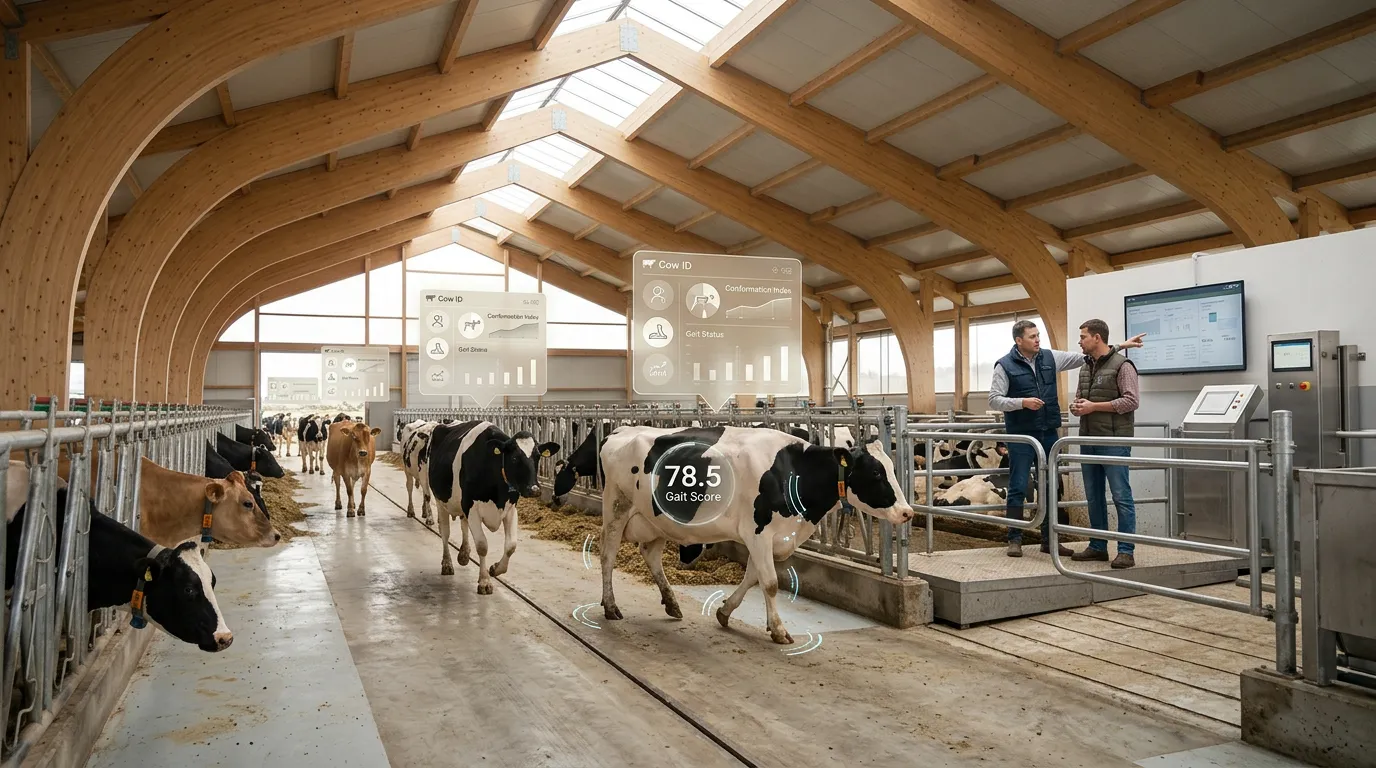
Russian developers have been working on technologies for digital cattle assessment for years. In 2021, students at Saint Petersburg Electrotechnical University “LETI” began developing the Smart Cow Monitoring system to analyze cow health. The solution uses cameras and machine-learning algorithms. Everything that happens in the barn or on pasture is recorded in real time, after which AI assesses the animals’ condition. In 2025, participants in the student technology startup VETAI developed a neural network for monitoring the health of farm animals and detecting visible early signs of disease, including lameness, mastitis, pressure sores and stress.
The next stage in the development of these technologies is to create a “digital twin” of each animal, allowing its conformation to be assessed automatically and the development of diseases to be predicted. This will make large-scale cattle analysis possible. In addition, each animal’s digital profile will become an important tool for breeding programs.
Integrating digital platforms for monitoring and analyzing animal health into smart livestock systems, including farm-management systems, will allow producers to automate their operations. Livestock farms operating on the Industry 4.0 model are expected to become major producers of milk and meat in Russia.