Bankruptcy in a Few Clicks: T-Bank Moves the Process to Its Mobile App
Russia now has a digital Assistent FinUpravlyayushchego (Financial Manager’s Assistant) that moves interactions between banks and financial managers online. People going through bankruptcy proceedings can save time and money, while managers have less manual work to handle.

Sometimes life takes an unexpected turn and a person ends up in a difficult situation, making bankruptcy the only legal way out of financial trouble. But navigating the process properly is not easy. Personal bankruptcy involves not only legal decisions but also a large number of technical operations. A financial manager needs to obtain information about a debtor’s accounts and deposits, review the movement of funds, send various instructions to the bank, obtain documents and monitor compliance with requirements.
Traditionally, interactions between a financial manager and a bank were time-consuming. Paper requests had to be prepared and certified, then sent through Russian Post or delivered in person to a bank office.
Now, for T-Bank customers, the entire process, from requesting a statement to submitting instructions to close accounts, takes place online in near real time. Documents are delivered to the mobile app’s chatbot, signed with an enhanced qualified electronic signature and stored in the conversation history.
Less Time, Stress and Expense
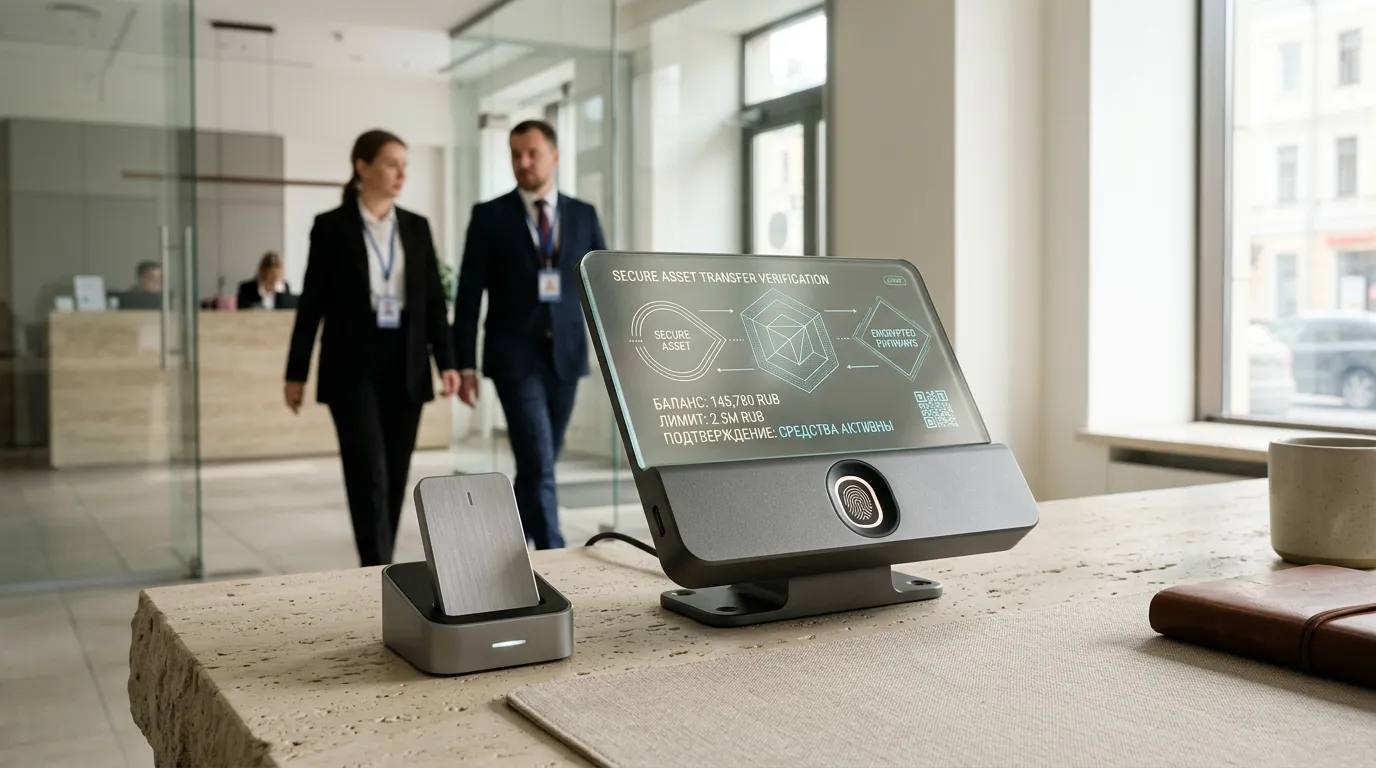
Assistent FinUpravlyayushchego operates not as an information service but as a full-fledged channel for interacting with the bank. When a manager logs in, the system automatically verifies the user’s status as a financial manager against the Yediny Federalny Reyestr Svedeniy o Bankrotstve (Unified Federal Register of Bankruptcy Information). Once the manager’s authority is confirmed, the system shows only the cases the manager is handling that involve T-Bank customers.
This is an important part of the service because managers no longer have to manually compile client information before contacting the bank. Through the digital channel, they can obtain information about a client’s accounts, deposits, credit and investment products, and even broker reports. Managers can also submit instructions to close accounts, transfer remaining balances and set limits on the use of funds.
Another practical feature of Assistent FinUpravlyayushchego is tracking whether instructions have been carried out. The bank’s responses and the conversation history are stored in the system, so managers no longer have to search through email or paper documents or try to remember whether a response to a particular request has arrived.
In effect, the bank turns fragmented document handling into a sequential digital process with a specific, visible outcome. For financial managers, the main benefit is time savings.
Clients benefit as well: their cases can be handled more quickly and with less stress. Related expenses are reduced, too. Where documents once had to be sent by registered mail or courier, requests can now go through a digital channel. At the same time, this does not mean that a financial manager is being replaced by an algorithm. Legal decisions and responsibility remain with the professional. The digital service handles only the routine part of the work.

Economic Impact
The introduction of a digital assistant is also relevant because the number of personal bankruptcy proceedings is growing. According to Fedresurs, about 568,000 court-supervised bankruptcy cases involving individuals and individual entrepreneurs were recorded in 2025, with debtors themselves initiating 97.3% of the proceedings.
As the number of similar cases grows, so does the volume of routine operations: requests, statements, documents and instructions. Banks face additional workloads for their employees, while financial managers have more manual work to handle. That gives digitalization in this area a practical economic rationale. When some standard operations can be handled through an automated channel, professionals spend less time on routine correspondence and can focus on the bankruptcy proceeding itself.
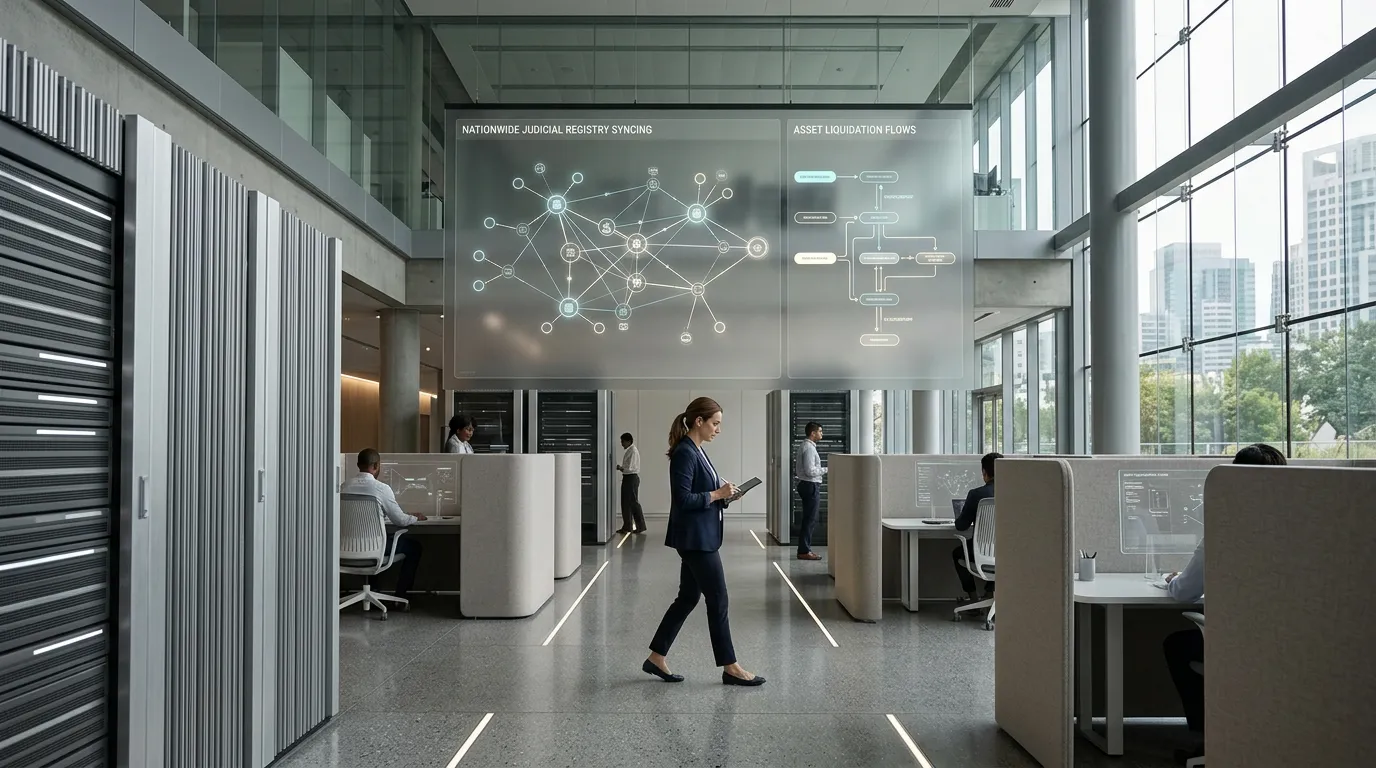
Bringing Digital Processes Into a Single System
T-Bank itself views its assistant as a foundation for further development of the service. The next step could be to expand the number of scenarios, adding more types of instructions, documents and banking products that managers can handle without separate correspondence with bank employees.
The more routine operations can be moved into digital workflows, the less time will be spent on technical procedures. For personal bankruptcy cases, this simplifies interactions between banks and professionals while reducing costs for debtors themselves.