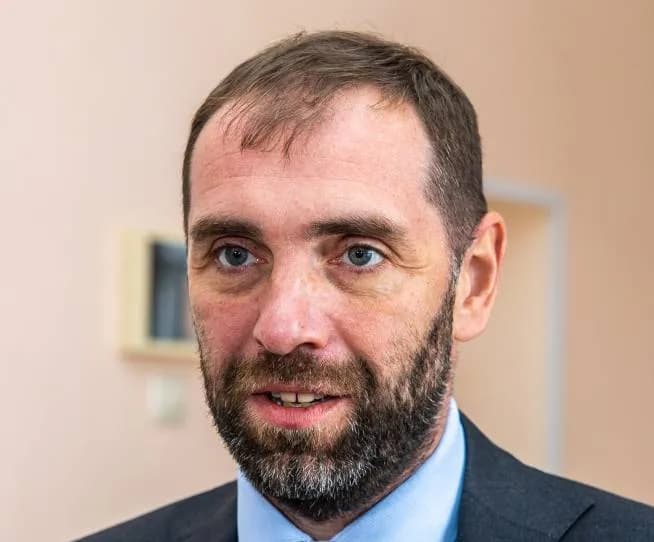
Kurator: Physician Builds Critical Care App with AI Assistance
A physician in Belarus has developed an application called Kurator for intensive care specialists that calculates fluid balance, medication dosages, and prognostic scores. Artificial intelligence helped make the project possible, and the application is already being used in a hospital setting.

In 2025, young anesthesiologist and intensive care physician Nikolai Svobodin began working at the Krupki Central District Hospital in Belarus. Senior colleagues quickly outlined the realities of critical care medicine: every day, physicians managing seriously ill patients must monitor fluid balance, determine the optimal method and volume of nutritional support, adjust medication dosages, and track kidney function and electrolyte levels. All of these decisions must be tailored individually to each patient.
To calculate every parameter, physicians had to move between multiple services and calculators. Some functions were partially available within medical information systems. For a practicing intensive care specialist, however, the available tools fell short, prompting Svobodin to look for a better approach.

How the App Was Built
Nikolai Svobodin had never worked as a software developer, so he first had to learn the basics of coding. Using a foundational understanding of programming and assistance from AI tools, he created a demonstration version of the Kurator application and presented it to the hospital’s chief physician and trade union chairperson. After securing management support and incorporating feedback from colleagues, Svobodin and his team continued developing the platform.
When building the application, the physicians relied on current clinical guidelines, knowledge acquired through continuing medical education courses, and regulations issued by the Ministry of Health. Today, the latest version of Kurator is already in use at a Belarusian hospital.
What Can Kurator Do?
The application performs required clinical calculations, generates and prints physician examination notes, tracks fluid balance for both the previous day and the entire treatment period, calculates patients’ nutritional requirements and the extent to which selected feeding methods meet those needs, and produces prognostic scoring assessments. It also generates and prints skin integrity assessment forms. This function is particularly important because intensive care units treat bedridden patients who may develop pressure injuries. Together, these capabilities significantly reduce the daily administrative burden on physicians.
The developers believe that although the application was designed for intensive care specialists, it could also benefit other medical professionals after further refinement. Surgeons are one example.

Belarus and Russia Move Forward Together
The development of Kurator is not an isolated case. In 2023, researchers at Siberian State Medical University created an AI-based algorithm that analyses data from medical equipment and helps physicians predict severe conditions associated with hidden blood loss following surgery or trauma. The technology was designed specifically to support clinicians during critical situations.
Russia has also been advancing healthcare digitalization at the policy level. In 2024, the government approved a strategic roadmap for the digital transformation of healthcare, formally establishing this direction as a national priority. In 2025, Roszdravnadzor approved procedures for the automatic transmission of operational data from AI-enabled medical devices. As a result, the sector is moving from experimental adoption toward regulated implementation of these technologies.
What Does This Mean for Patients?
The use of applications like these – more accurate and more versatile clinical support tools – clearly improves physician efficiency and increases survival rates among critically ill patients. They reduce the risk of human error while saving valuable time for healthcare staff.
The application does not replace physicians. Instead, it helps refine clinical decision-making and makes treatment more effective. While Kurator is currently focused on supporting intensive care specialists, it is already clear that similar tools are needed across other areas of medicine. Healthcare systems in both Russia and Belarus are becoming more flexible and more responsive to the real needs of clinicians.

Beyond a Single Hospital
Kurator does not hold an international patent. Even so, its successful testing and real-world use demonstrate that the medical software market has matured to the point where individual initiatives from young and innovative professionals can gain traction.
That means that with further development and certification, Kurator could expand beyond a single district hospital. It could first be adopted by additional hospitals across Belarus and later, after adaptation to Russian clinical guidelines, enter the Russian market as well. The project demonstrates that physicians and AI can work as effective partners regardless of a hospital’s size or national location.