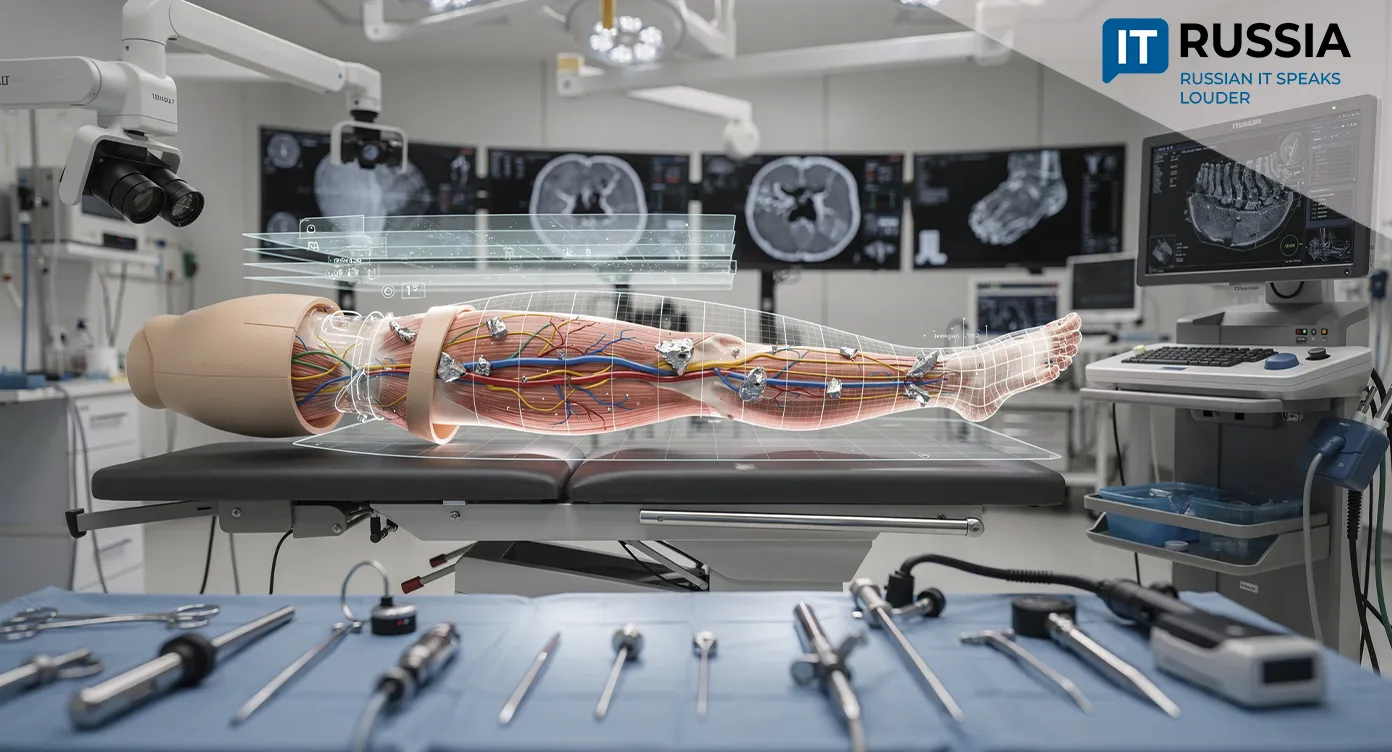
Russia and China Launch a Joint AI Hub for Long-Term Research and Development
Sberbank and the Shanghai Artificial Intelligence Research Institute, or SAIRI, have agreed to establish a joint AI hub in Shanghai at the AI Global Center of Excellence.

The hub is intended to become a permanent platform where Russian and Chinese researchers, engineers, educational institutions, and technology companies can collaborate.
Unlike previous AI initiatives between Russia and China, which largely took the form of temporary exhibitions or one-time memorandums, this project creates a permanent research infrastructure for joint scientific studies, AI model development, and workforce training.
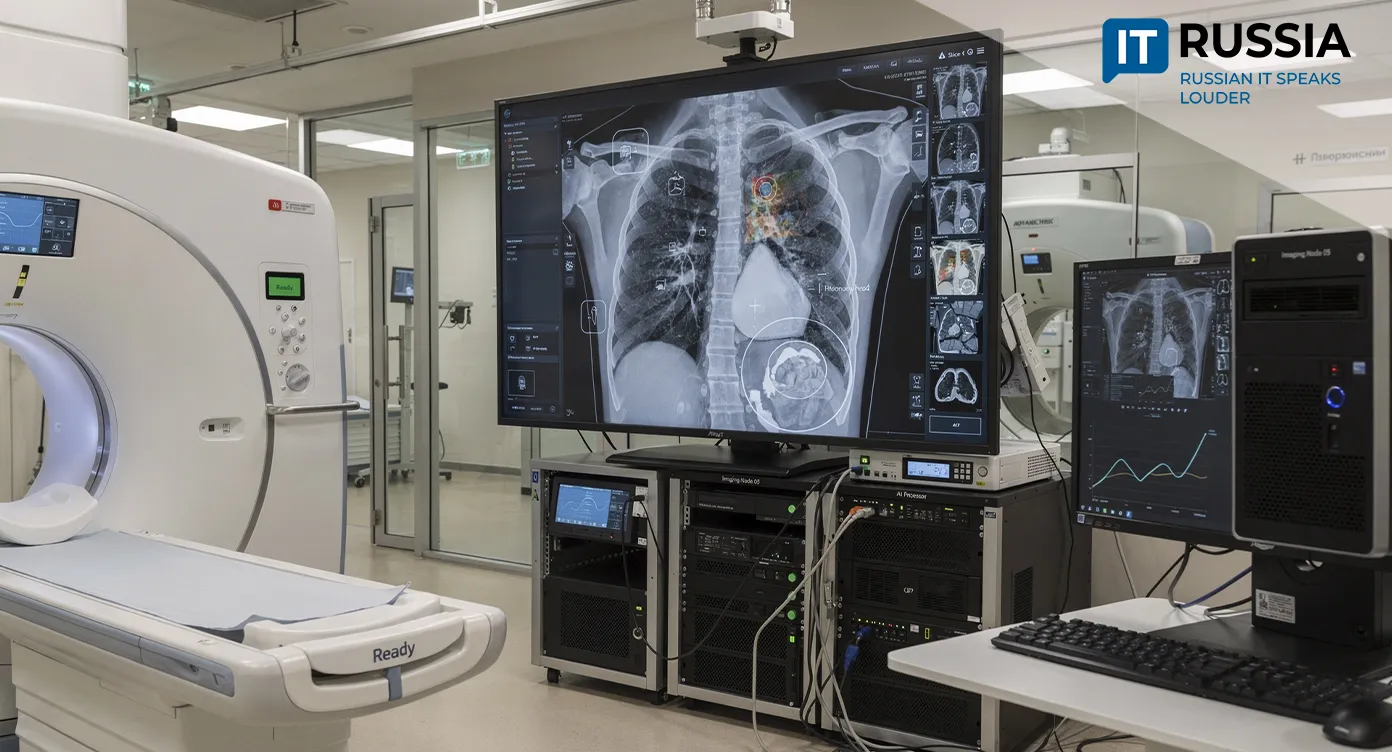
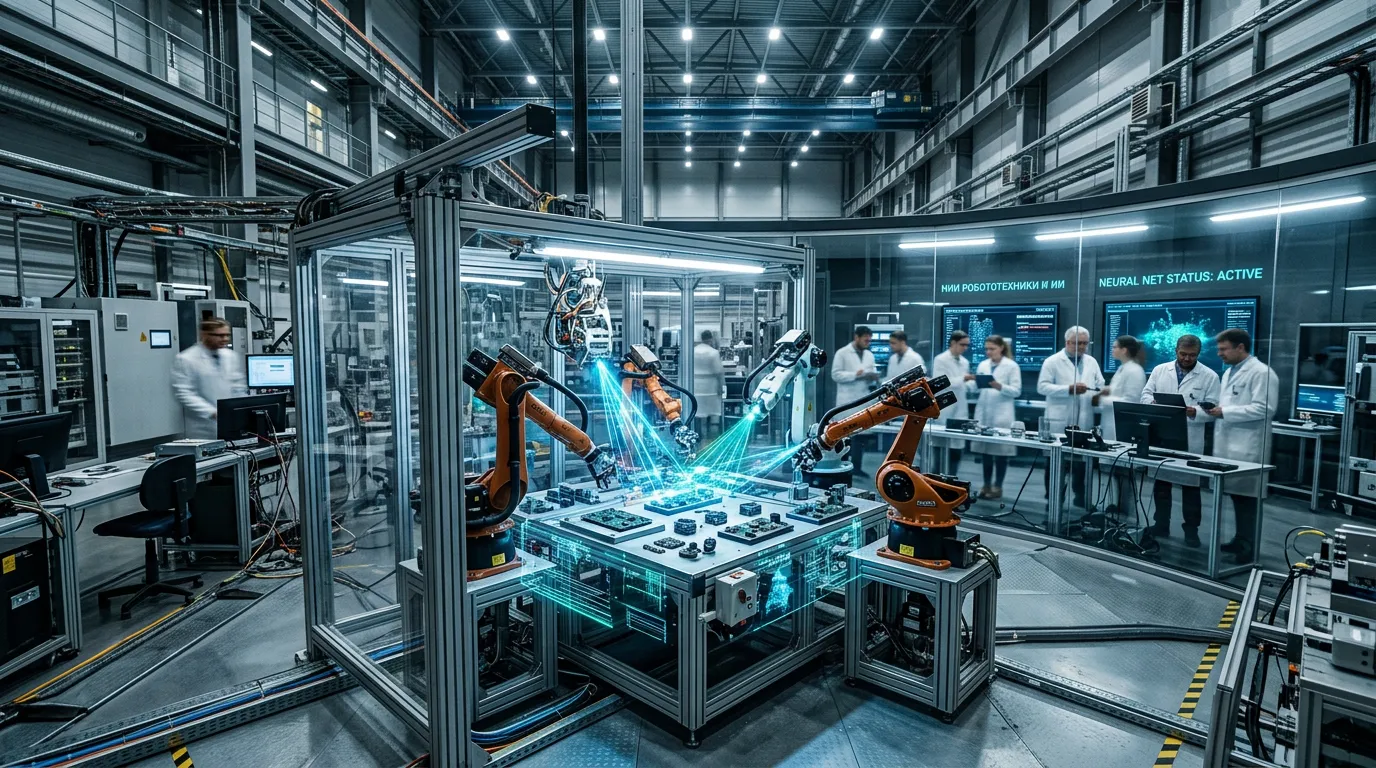
Its scope is broad, spanning large language models, AI agents, robotics, multimodal neural networks, and the development of shared ethical standards for artificial intelligence. The hub is designed as a working ecosystem where researchers, engineers, and industry representatives collaborate side by side on a continuous basis.
A Strategy Built on Complementary Strengths
China brings an enormous domestic market, a powerful manufacturing base, and some of the world's largest computing clusters. Russia has long-standing strengths in fundamental mathematics, computer vision, speech recognition, and advanced algorithm design. Individually, each country addresses its own technological priorities. Together, they have an opportunity to compensate for one another's blind spots.
For Russian developers, the hub provides a direct gateway into China's technology ecosystem. That extends beyond access to datasets and development methodologies. It also offers an opportunity to evaluate Russian AI systems in one of the world's most demanding technology markets. A permanent exhibition of Russian-developed technologies at the SAIRI center will effectively serve as a year-round showcase, allowing potential Chinese customers to explore new products without waiting for the next international conference.

A Two-Year Path
In 2024, Sber and SAIRI signed their first cooperation agreement, outlining priorities that included joint scientific research, AI governance, and workforce development. In 2025, the partnership expanded to the national level when the President of Russia instructed the government and Sber to strengthen AI cooperation with China as part of the country's broader technology strategy. At the same time, the joint laboratory of the MSU–PPI University in Shenzhen received support from China's Ministry of Science and Technology. Finally, at the 2026 World Artificial Intelligence Conference in Shanghai, Russian companies presented GigaChat 3.5 Ultra, the GigaNetwork platform, an industrial humanoid robot, and a broad portfolio of biometric technologies. Establishing the hub represents the next logical step, shifting from occasional demonstrations to sustained scientific and technological collaboration.
At least for now, whether the hub delivers a meaningful economic effect will depend on several demanding conditions: access to computing resources, platform interoperability, protection of intellectual property, and, above all, the ability of Russian technologies to compete with China's leading AI developers, from Baidu to the creators of DeepSeek. During its initial phase, the hub is expected to function primarily as a scientific and educational platform before gradually evolving into a commercial launchpad.

More Than a Bilateral Initiative
If the hub fulfills its objectives, its significance could extend well beyond Russia–China relations. Shared AI safety standards, jointly developed models adapted to multiple languages, and collaborative educational programs could become the foundation for broader technological cooperation across BRICS and the Shanghai Cooperation Organization. At a time when Western countries are increasingly introducing barriers and export restrictions around artificial intelligence technologies, the emergence of an alternative center for AI research and development represents not simply an ambition but, from this perspective, a practical strategic necessity.