Digital Practice for a New Life: Russian Universities Bring VR into Obstetric Training
Russia has unveiled a virtual reality simulator designed to train obstetricians. The system allows clinicians to rehearse childbirth step by step, explore anatomy in three dimensions, and compare their own movements with a benchmark technique – marking a shift toward immersive, data-driven medical education.
Responsibility Under Control
At a final board meeting of the Ministry of Health of the Republic of Tatarstan, Kazan State Medical University presented a VR simulator for training obstetricians in childbirth delivery. The platform is not a simple demo but a full-fledged educational system that places future and practicing physicians inside a digital childbirth scenario.
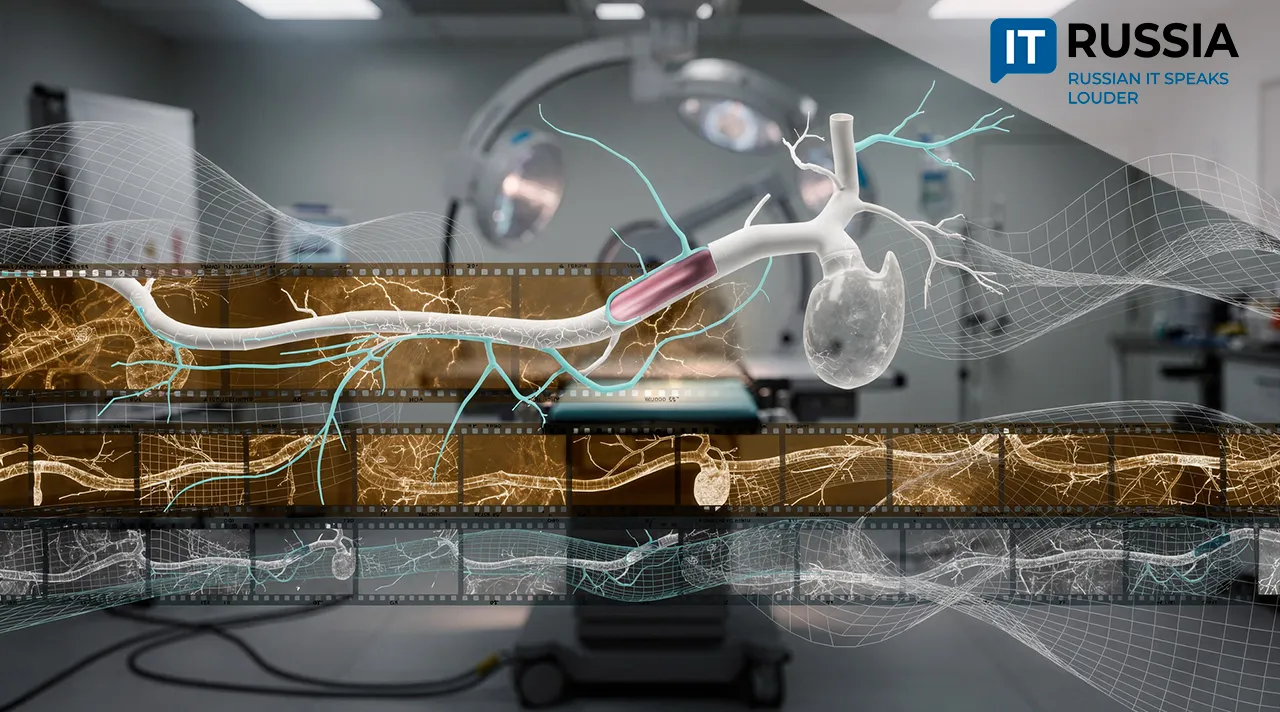
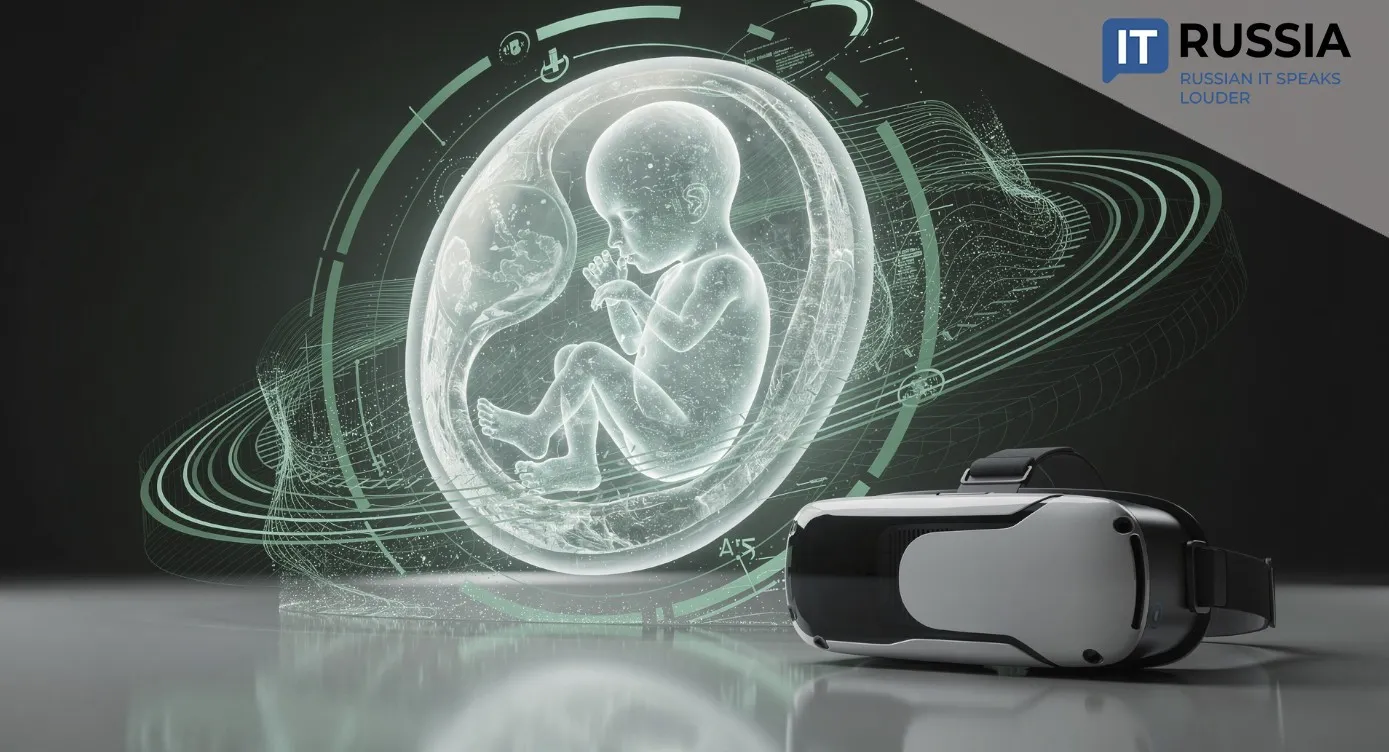
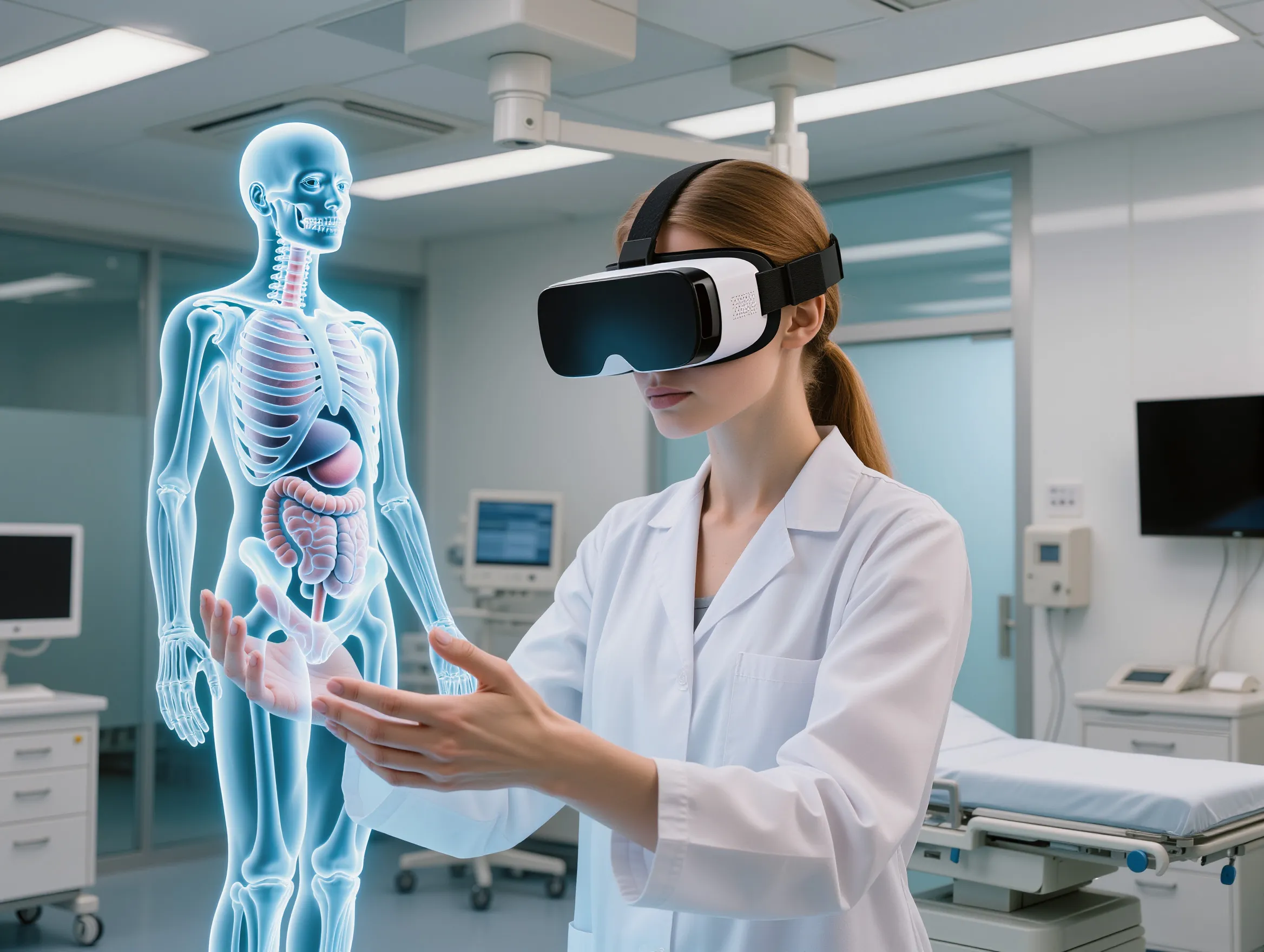
Here is how it works. The user puts on a virtual reality headset and enters a detailed three-dimensional model of labor. In front of them is a reconstructed anatomy, the baby’s movement through the birth canal, and changes in fetal position. Using sensors and controllers, the physician moves their hands in virtual space as if standing in a real delivery room and welcoming a new life. On the display, the doctor sees four hands – their own and “ideal” hands demonstrating correct technique. The task is to align movements and achieve precision.
The system includes multiple childbirth scenarios – from routine deliveries to more complex cases. Each stage can be repeated, revisited, or supported with hints and theoretical modules. Mistakes do not endanger a mother or child because they can be analyzed and corrected. The simulator is already being used to train medical students, residents, and practicing specialists.
Training in a Safe Environment
Obstetrics is one of the most responsibility-intensive fields in medicine. During labor, minutes can determine outcomes, and the cost of error is high. Traditional training has always faced a fundamental constraint – it is impossible to practice repeatedly on real patients without risk.


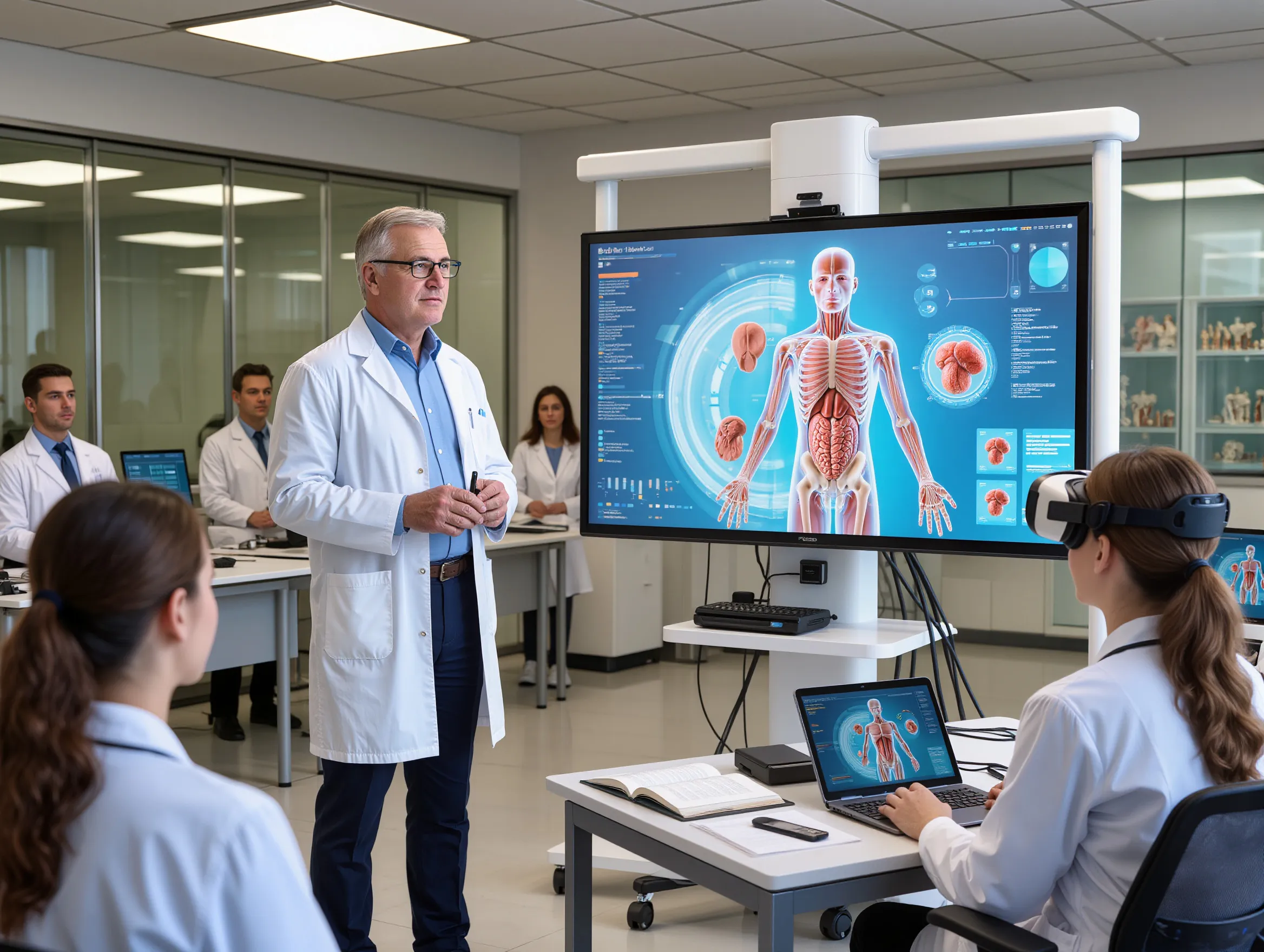
The virtual environment resolves this contradiction. A future physician can rehearse movements multiple times, understand the mechanics of the process, and learn to make rapid decisions in nonstandard situations. This transforms the logic of training – from passive observation and limited hands-on exposure to repeated modeling of complex scenarios. It also strengthens muscle memory and visual memory.
For Russia, this approach means improving specialist training without increasing the workload on maternity hospitals. The technology helps standardize education across regions and establish unified competency benchmarks. Over the long term, this contributes to improved maternal and neonatal safety indicators.
Global Context of Medical Simulation
The use of virtual reality in medical education is a global trend. Simulation of complex clinical scenarios is becoming standard practice worldwide. The emergence of such a platform at a Russian medical university shows that the country is advancing along the same technological trajectory as leading international training centers. Importantly, this is not simple replication but the development of a domestic solution tailored to the specific needs of the national healthcare system.
It is also significant that the project originated not in a major metropolitan technology hub but in a regional university. This demonstrates how digital competencies are distributed across the country and how universities are capable of independently creating sophisticated products at the intersection of medicine and engineering.
What It Means for Patients
For patients, these technologies are invisible – few will ever see the VR headset behind the door of a simulation classroom. Yet that is where a physician’s confidence is built. If a specialist has rehearsed a complex scenario dozens of times, observed how fetal position changes, understood which movements can lead to complications and which result in a safe outcome, they enter the delivery room with a higher level of readiness. This reduces the risk of panic, chaotic actions, technical errors, and human-factor mistakes.
In effect, the virtual simulator becomes an additional layer of protection for mother and child. It does not replace clinical experience, but it makes the path toward that experience safer and more controlled.
Beyond a Single Project
The Kazan simulator illustrates how medical education is evolving under the influence of digital tools. In this field, Russia is acting systematically rather than sporadically: universities, research centers, and developers are building solutions that address concrete clinical challenges.
When advanced technology supports everyday medical practice, it stops being a showcase and becomes infrastructure. Projects like this are likely to scale and potentially enter international markets. In doing so, Russia is helping shape new standards in medical education.