Digital Twin of a Heart Valve: Russian Scientists Model Heart Implants
Russia has developed a method for modeling implants for patients with severe aortic valve disease. A computer can predict how a bioprosthetic valve will perform under load before it is manufactured. The approach could help create longer-lasting implants for treating heart disease.
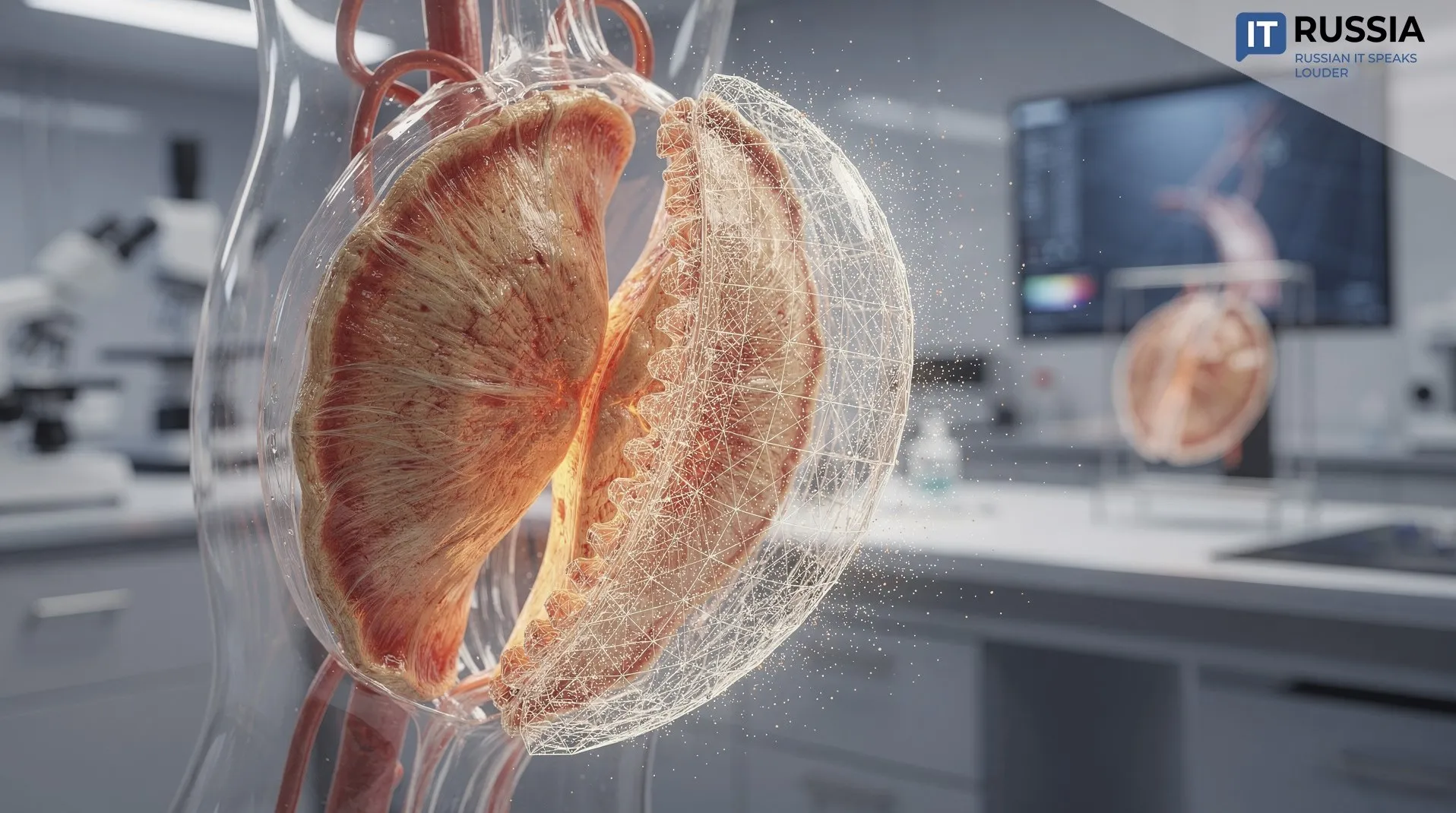
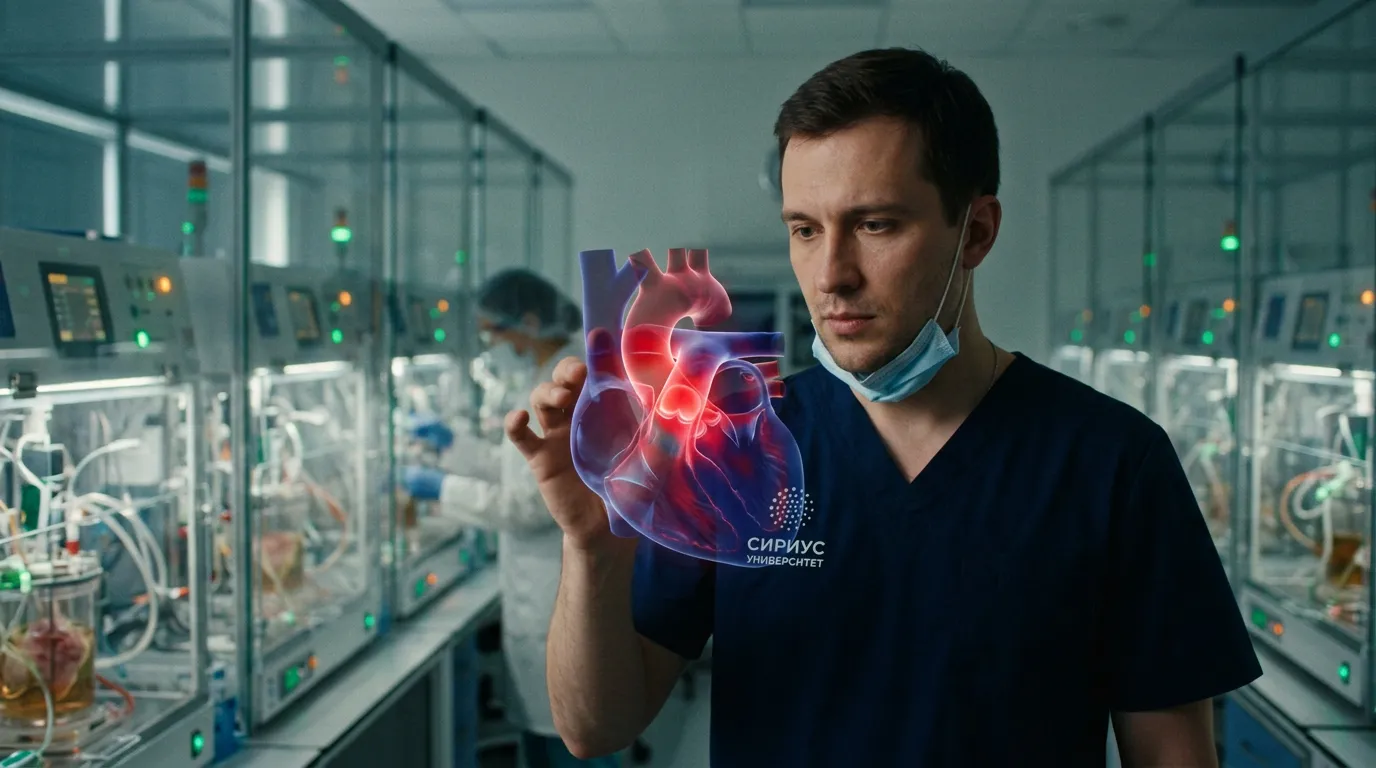
Scientists from Sirius University and Perm Polytechnic Institute, working with colleagues from South Africa, have developed a numerical modeling method for bioprosthetic aortic valves made from animal tissue. The model makes it possible to identify areas of elevated stress in advance and could help guide the development of new valves, including those produced using rotational 3D printing.
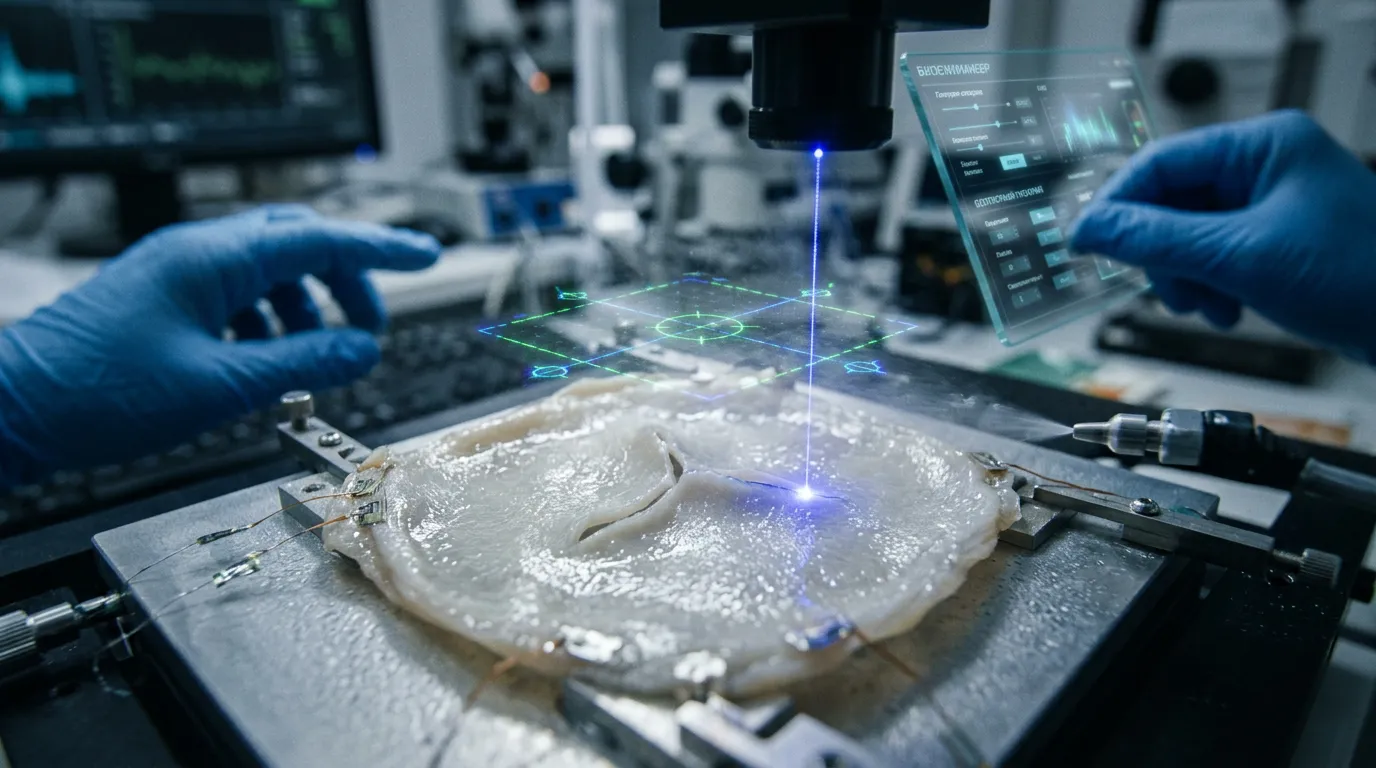
Unlike earlier studies, which focused on material selection and surgical techniques, the new development focuses on digitally modeling how a bioprosthetic valve behaves. The researchers stretched samples of porcine pericardium in two directions to simulate the loads experienced by a working heart and described the resulting data using 10 mathematical models. Two models proved to be the most accurate. They link material properties to its structure, specifically the distribution of fibers in two and four directions. The four-direction model produced the best results.
The findings were published in Frontiers in Bioengineering and Biotechnology. The scientists’ work was supported by the state scientific and technological development program of the Sirius federal territory.
What Happens Inside the Heart
The aortic valve acts as a kind of gateway between the heart and the aorta. It opens when blood leaves the heart and closes to keep blood from flowing back. In a living body, the valve leaflets make this movement tens of thousands of times a day. The material used to make an implanted valve must therefore withstand constant cyclic loading.
Several types of prosthetic valves are used to replace a damaged aortic valve. Mechanical valves can last for many years, but after implantation, patients must take blood-thinning medication for the rest of their lives. Bioprosthetic valves for humans are made from animal tissue, most often porcine pericardium. Their properties are closer to those of natural tissue and they do not require lifelong anticoagulant therapy, but they can wear out over time, lose elasticity and become less effective at closing. That makes it important for engineers and physicians to understand how a valve will behave before it is manufactured and implanted in a patient. This is where computer modeling and AI can help.
A New Level of Bioprosthetic Valve Development
To assess how the valve would behave under future operating conditions, the researchers also calculated shear stress, the frictional force exerted by blood flow on the surface of the leaflets.
As Nikita Pilya, a junior research fellow at the Center for Genetics and Life Sciences at Sirius University, explained, excessively high or uneven shear stress can damage tissue and accelerate its deterioration: “In the simulations, the highest values of this parameter occurred when the valve was closing, particularly near the leaflet edges and where they attach to the aortic wall. These are also the areas where calcifications or damage most often develop in real bioprosthetic valves.”
The computer model therefore shows not only whether the valve works as a whole, but also where the design may be vulnerable. Potential problem areas can now be identified at the calculation stage. That means the valve design can be modified before a physical prototype is made, helping produce a more reliable and durable final implant.
Who Could Benefit
Valve replacement can help people with heart defects when their own valve no longer functions properly. A common example is aortic valve stenosis, a condition in which the valve leaflets become deformed and narrowed, preventing enough blood from flowing from the heart into the aorta. The condition most often affects people over age 60 and occurs in about 4% of older patients.
Another common cause is mitral valve insufficiency, in which the leaflets do not close tightly and blood flows back into the heart. These conditions can cause shortness of breath, weakness and loss of consciousness and eventually lead to heart failure. For such patients, valve replacement with an implant can offer a way to restore normal daily life.