From Images to a 3D Model: Russia Trains AI to Analyze Coronary Vessels
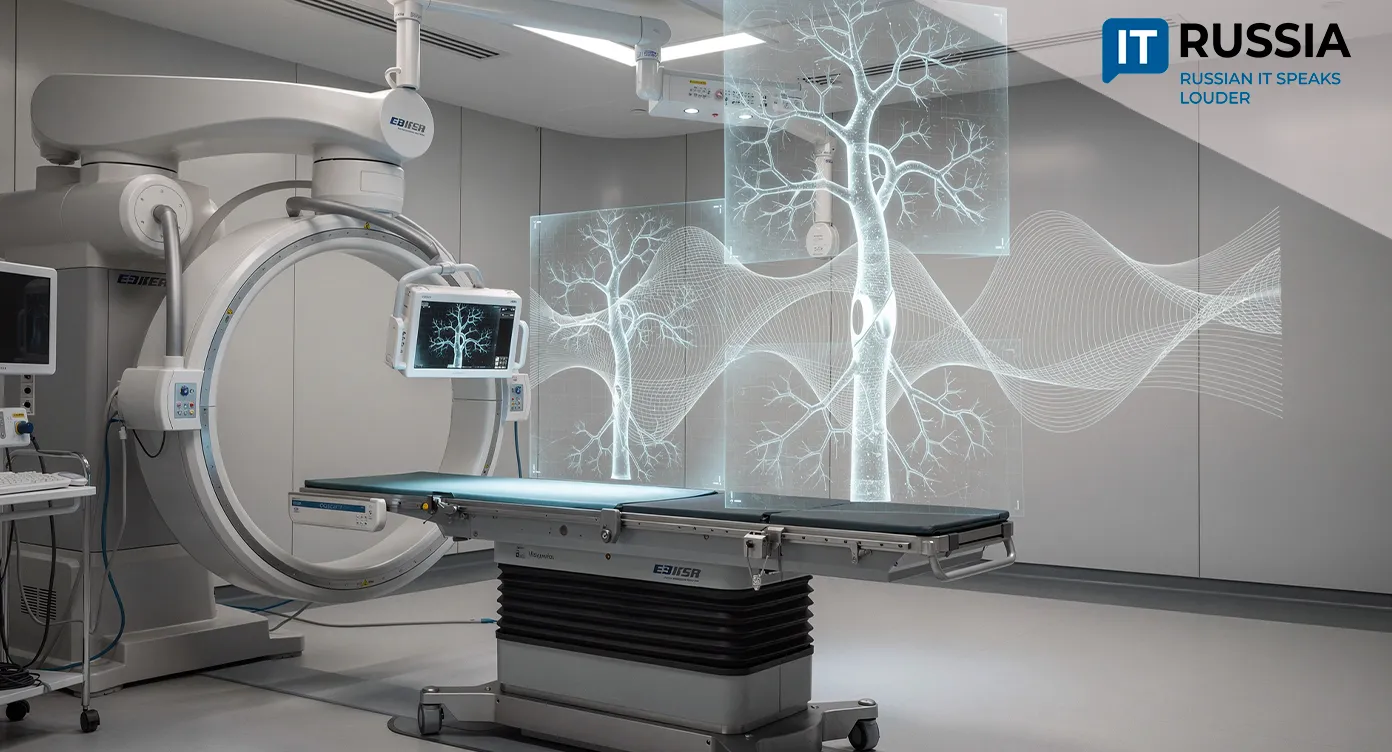
At Southern Federal University, researchers are developing an AI assistant for surgeons who work with the blood vessels of the heart. The project is being developed at the request of a hospital in Taganrog. The software analyzes coronary angiography video recordings. Using artificial intelligence and computer vision, the system helps physicians identify damaged areas of blood vessels.
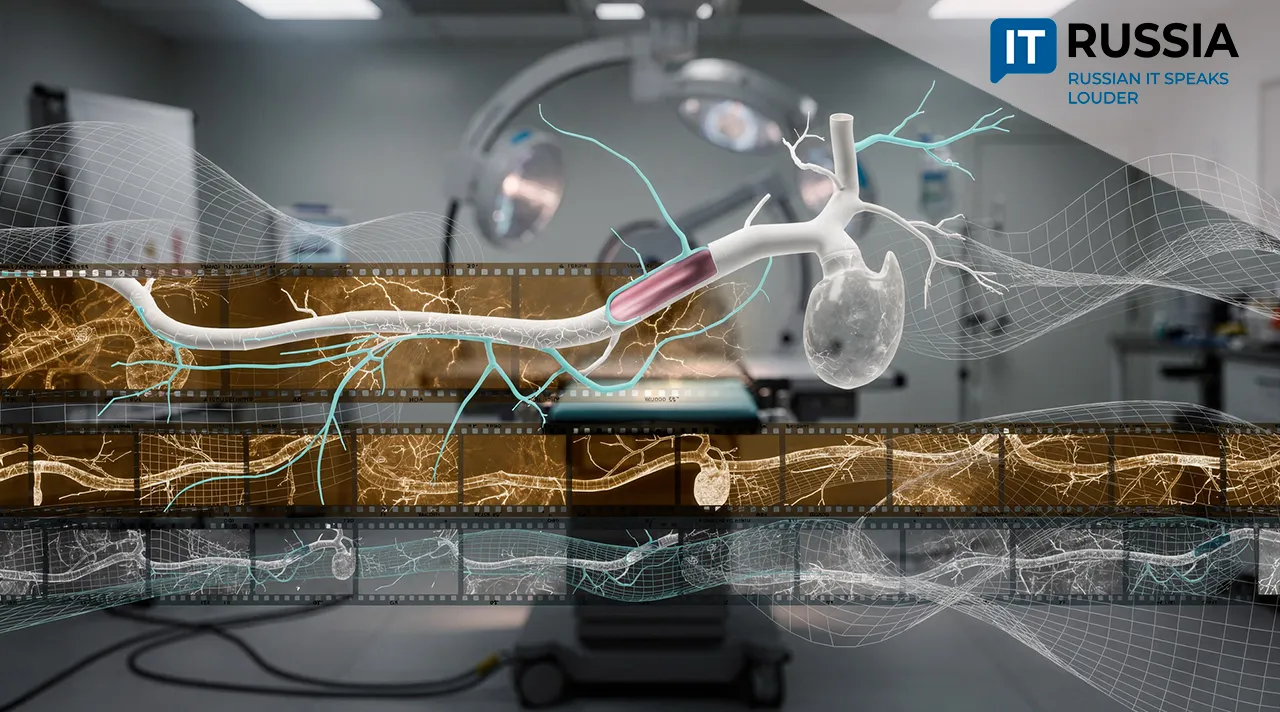
Coronary angiography is an examination of blood vessels using X-rays and a special contrast agent. By analyzing how the contrast is distributed, how quickly it moves through the vessels and how far it travels, physicians can determine whether a patient has problems with the coronary circulation. The method makes it possible to assess the condition of the vessels that supply the heart and identify narrowing or blockages. The examination is particularly important in patients with coronary artery disease and myocardial infarction.
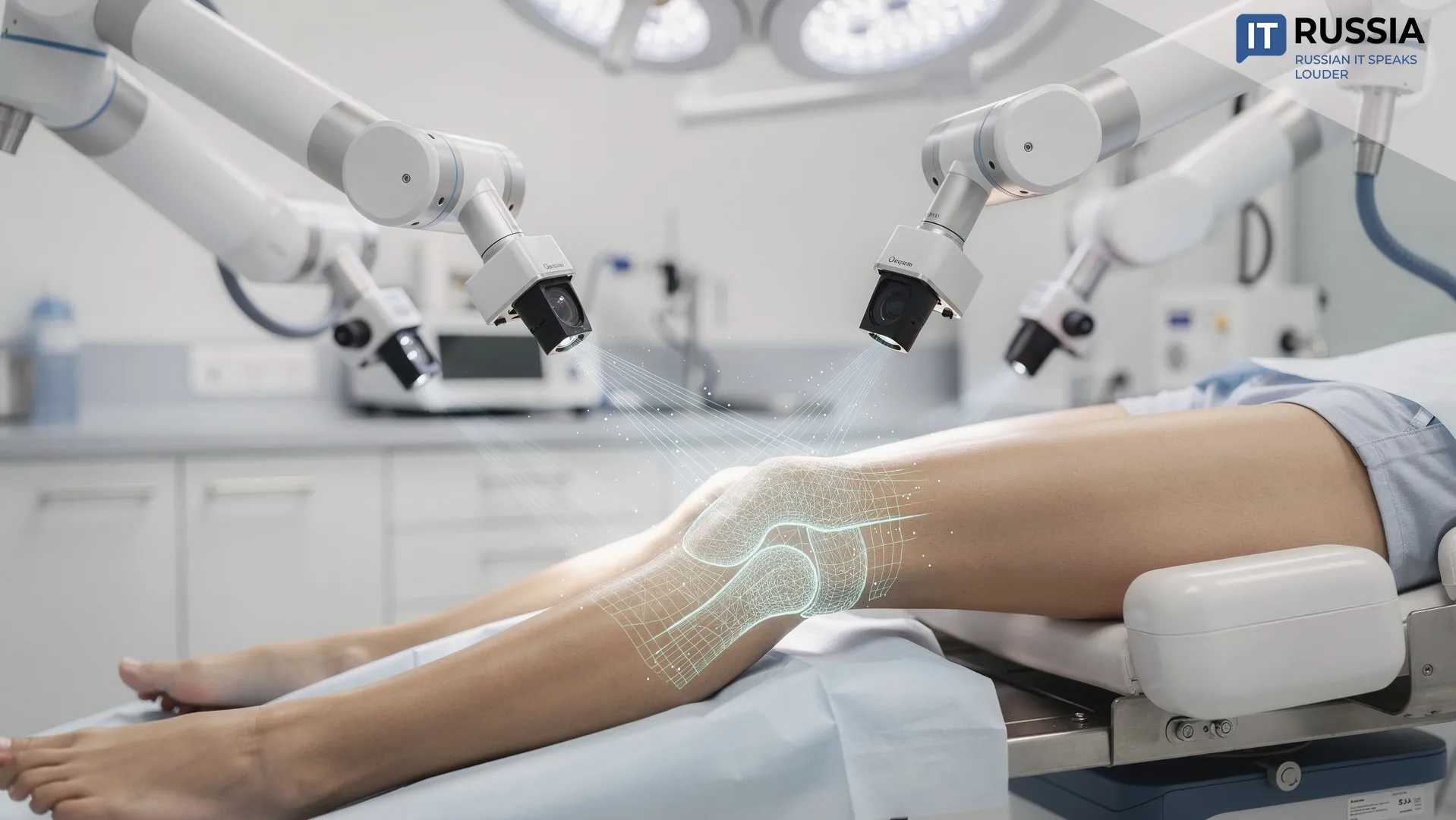
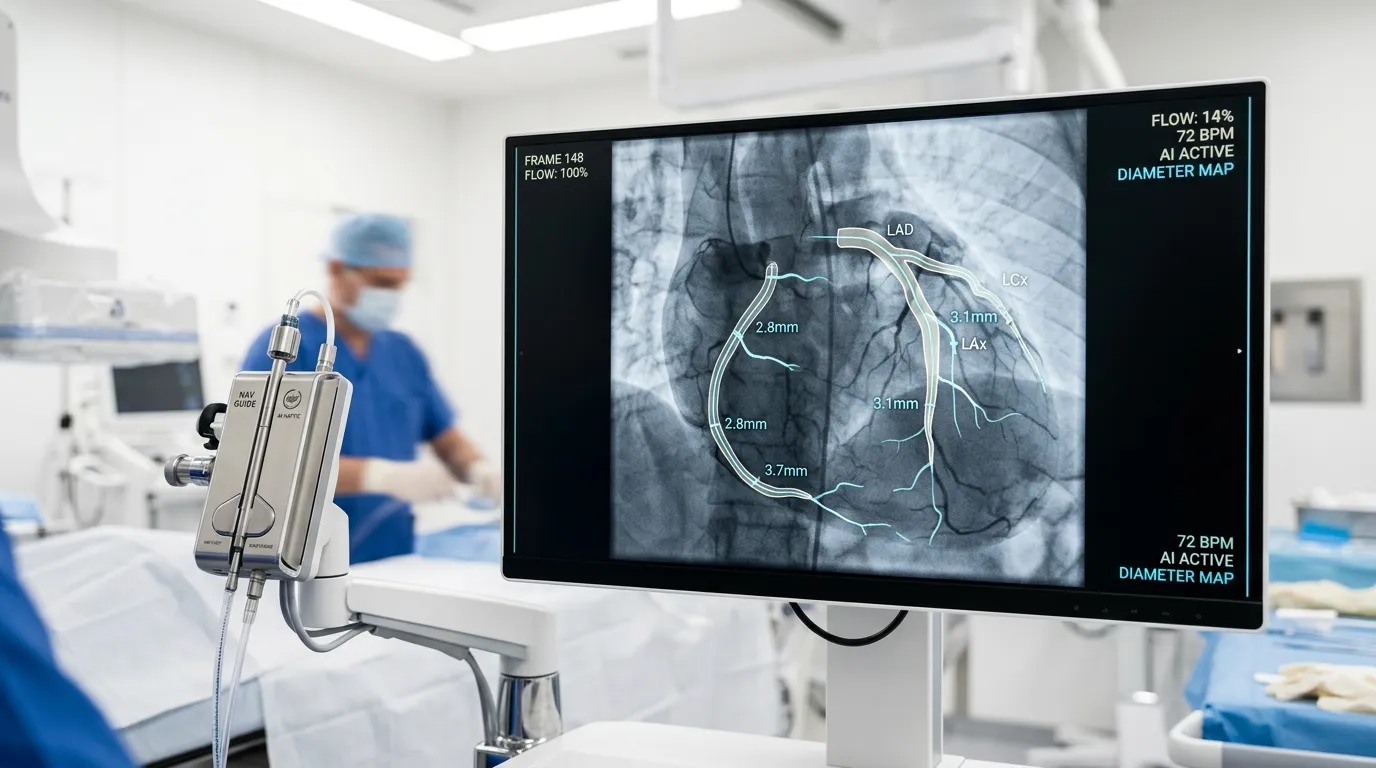
Researchers at Southern Federal University decided to improve the method by treating angiographic data not as a collection of individual frames but as a time-synchronized video sequence. This makes it possible to connect vessel contours, centerlines, the graph structure of the coronary tree and the three-dimensional image into a single reproducible analysis pipeline. The researchers found that 3D reconstruction provides more ways to look inside the coronary tree and identify areas where there is a risk of vessel damage.
The project, called Intellektual'nyy assistent endovaskulyarnogo khirurga (Intelligent Assistant for the Endovascular Surgeon), was one of the winners of Southern Federal University’s competitive selection for seed AI projects.
Why Physicians Need a 3D Vessel
The resulting assistant model can be used to assess the shape of individual vessel segments, clarify the location of stenoses and compare images taken from different projections. The researchers also plan to use it to obtain data for quantitatively assessing the degree of vessel narrowing and damage.
For physicians, this provides a supplementary way to check the results of their own examinations. The system can preprocess a large volume of information, highlight clinically significant areas and present them in a more convenient format. The physician, however, remains responsible for making the diagnosis and deciding on further treatment.
The Future of the Project
For now, the Intelligent Assistant remains a research and technology project. It still needs to be tested on real-world clinical data to determine how consistently the system performs across examinations from different patients.
If the pilot launched at a hospital in Taganrog produces good results, the system would be tested at other vascular centers. In that case, the university-developed technology could become a full-fledged clinical tool for deployment in Russian hospitals.
AI to Help Protect the Heart and Blood Vessels
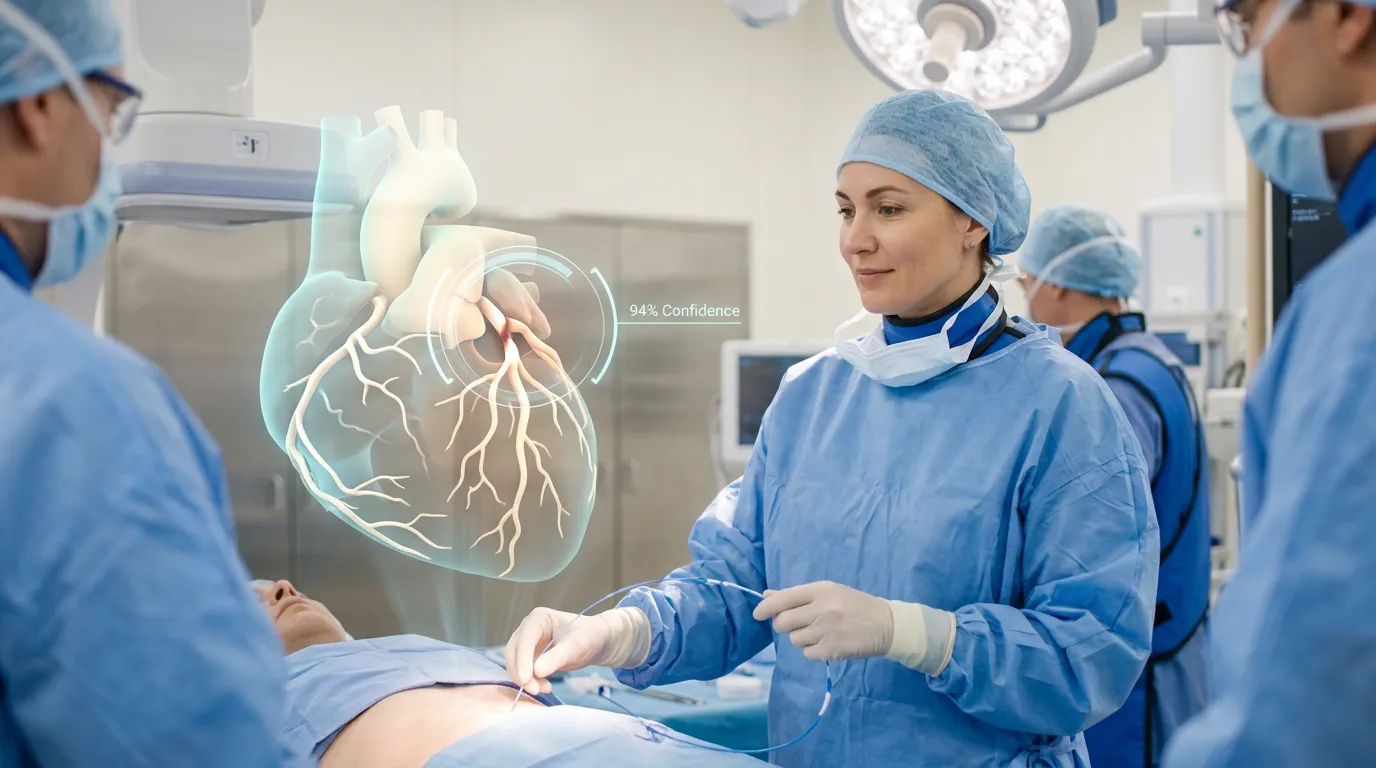
According to the World Health Organization, cardiovascular diseases kill about 19.8 million people worldwide each year. More than four out of five of these deaths are linked to heart attacks and strokes. At the same time, about one-third of these deaths are premature, occurring among people under 70. That is why it is hardly surprising that medicine worldwide is focused on preventing these diseases.
Over the past five years, several technologies for automated coronary vessel analysis have emerged in Russia. In 2021, researchers at Tomsk Polytechnic University and the Research Institute for Complex Issues of Cardiovascular Diseases developed a neural network for detecting stenoses in angiographic images, with accuracy reaching 94%.
In 2024, Sber and the Tyumen Cardiology Center launched AI-based coronary angiography analysis with automatic calculation of the SYNTAX score.
In 2025, Sechenov University introduced the Virtualnyy FRK (Virtual FFR) service for modeling the results of stenting, while Penza State University developed the 3D-CorVasculograph neural network for three-dimensional surgical planning, with artery-diameter prediction accuracy of up to 97%.
For Russia’s IT industry, the project is valuable not only as a research effort by young scientists and their mentors but also as an example of a product that brings together programming, digital technologies and medicine. Solutions of this kind consistently attract interest from the scientific community outside Russia. If the system successfully completes clinical trials and receives the necessary certifications, it could therefore be of interest not only in Russia but also abroad.