Kazan Scientists Patent Temperature Monitoring System for Microwave Reactors
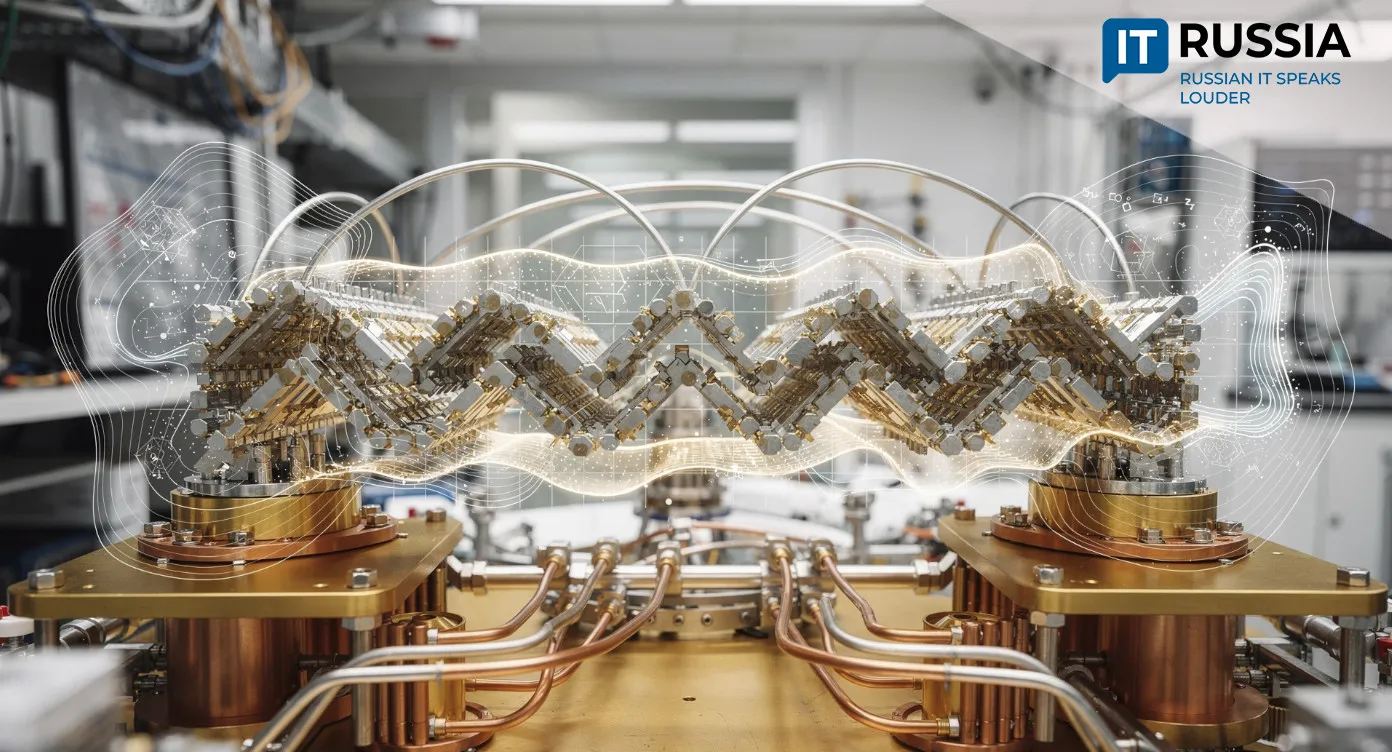
Kazan National Research Technical University named after A.N. Tupolev – KAI (KNRTU-KAI) scientists have patented a device for real-time monitoring of temperature fields in microwave reactors.
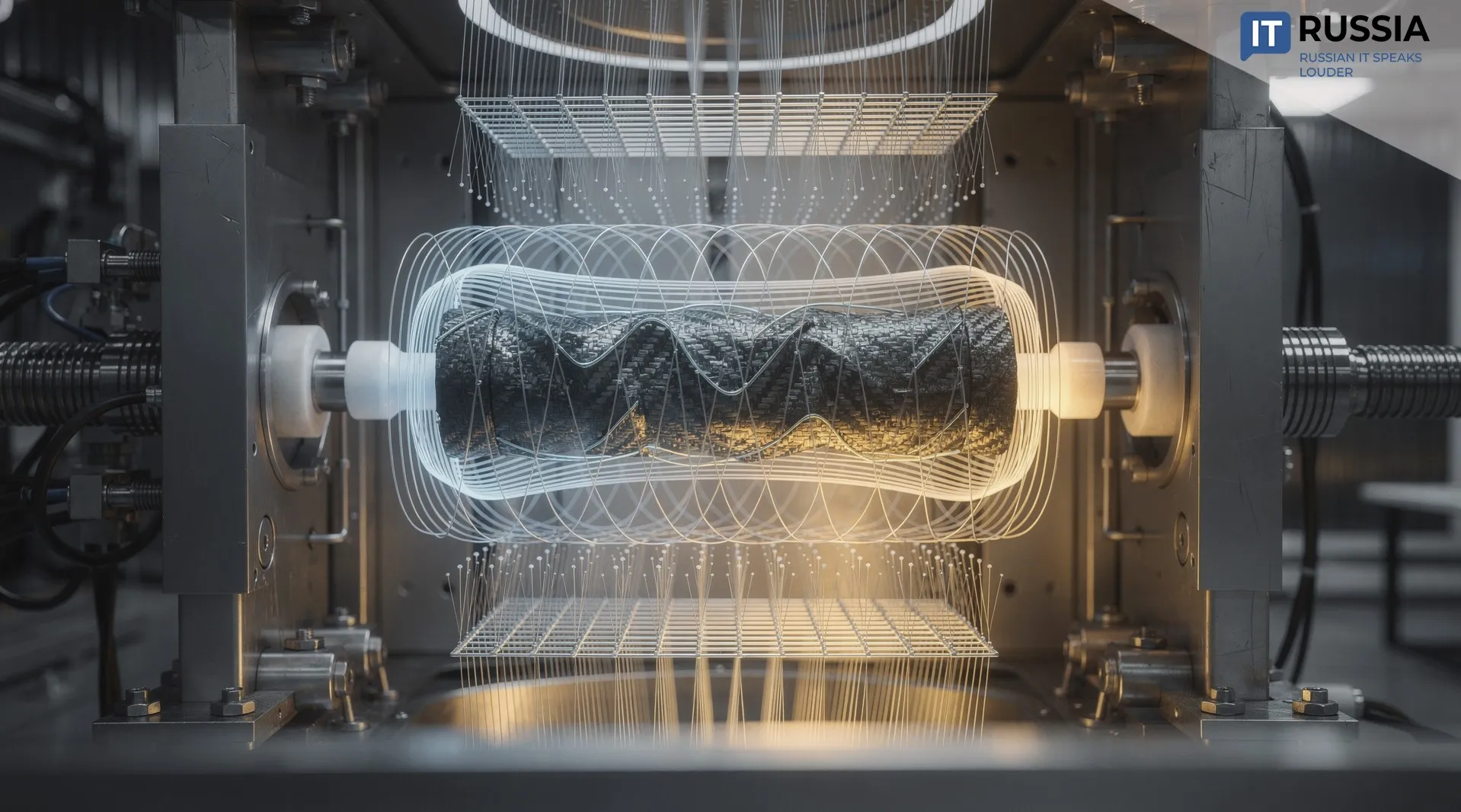
The new system addresses the problem of uneven heating of materials and can also generate three-dimensional temperature maps based on data from fiber-optic sensors. The technology will enable more precise control of complex chemical and physical processes, reduce the share of defective composite materials, and support the synthesis of new materials.
Problem of Electromagnetic Field Nonuniformity
Microwave reactors are widely used in modern industry for rapid volumetric heating of substances. Microwave radiation penetrates the material and causes molecules to oscillate, generating heat. Compared with conventional heating through the vessel walls, this significantly accelerates chemical reactions, drying and sintering.
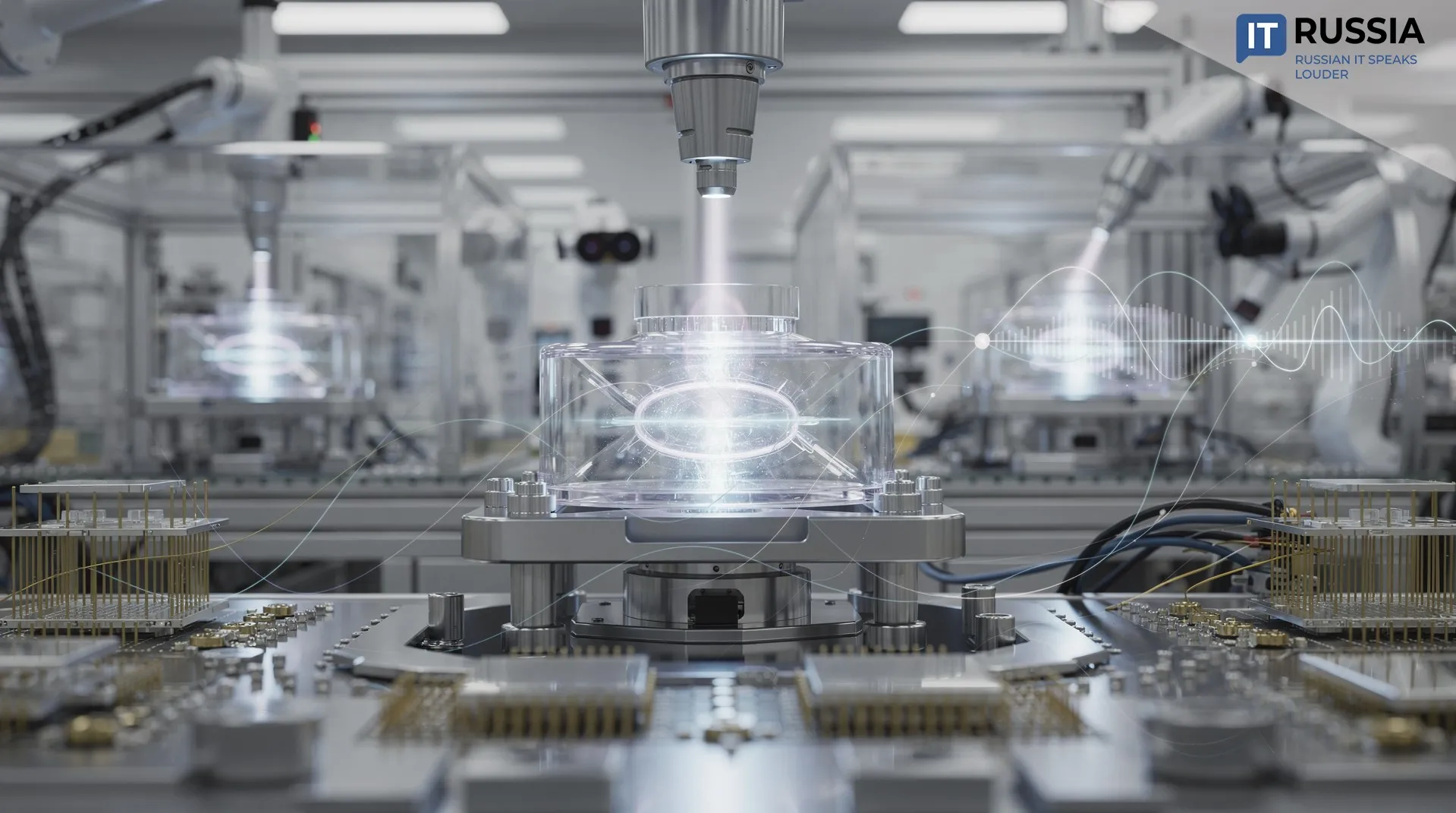
However, the electromagnetic field inside the reactor chamber is highly nonuniform. Reflections from the walls and wave interference create standing-wave zones with field-strength maxima and minima. As a result, some areas overheat while others remain cold. Localized overheating causes thermal degradation, charring and breakdown of the molecular structure of the material being processed.
Until recently, engineers had to address this problem using purely mechanical methods: rotating samples, using stirrers or determining chamber geometry through trial and error. The lack of accurate real-time temperature distribution data made it difficult to develop fully automated and reliable microwave reactors.
Fiber Optics Instead of Metal Thermocouples
Conventional temperature sensors are unsuitable for use inside microwave reactors because metal thermocouples contain conductive elements that interact with the microwave field. They can spark, generate local electrical arcs and distort the electromagnetic field. Metal sensors can also act as parasitic antennas and potentially damage the microwave generators themselves, which are costly pieces of equipment.
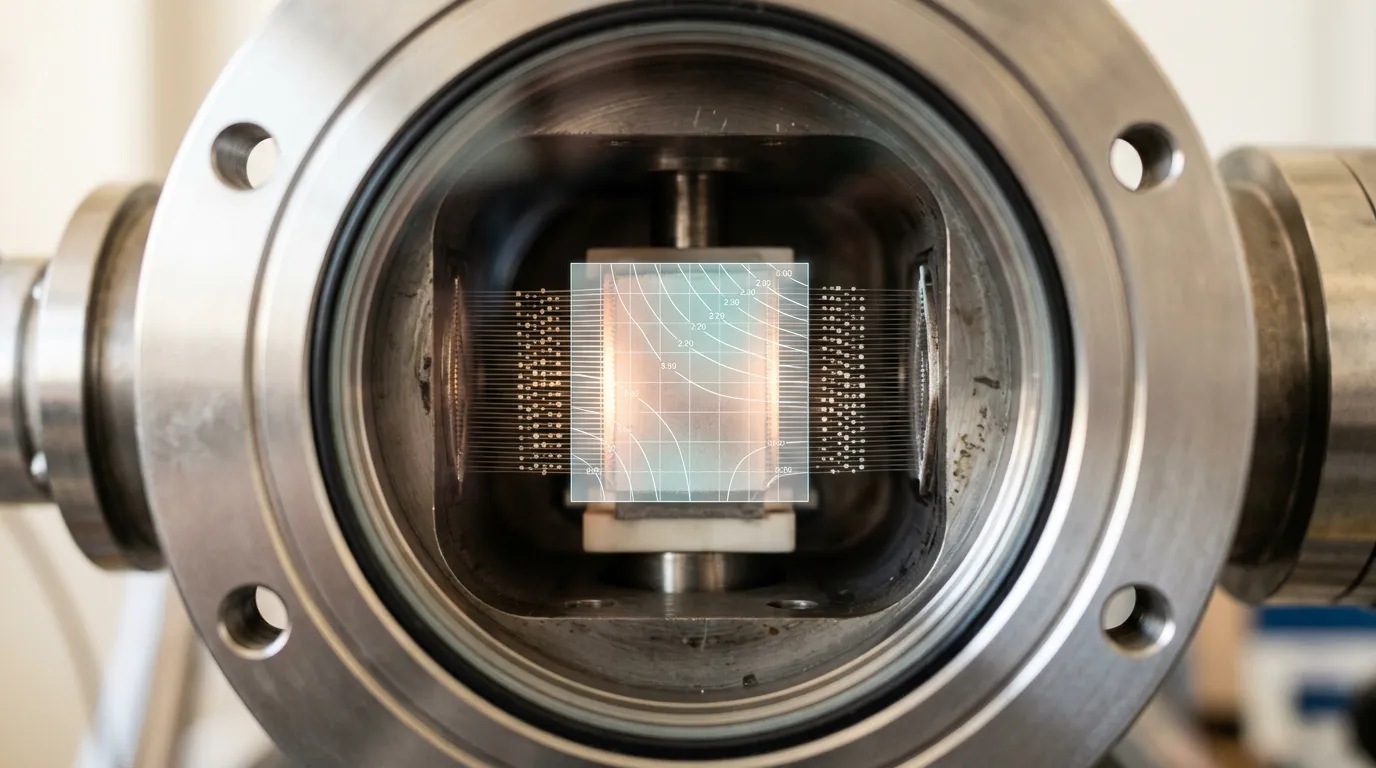
Scientists at KNRTU-KAI overcame this physical limitation by using dielectric optical fiber. Fused silica is transparent to microwaves and does not interact with the electromagnetic field. Fiber-optic sensors therefore do not distort the heating process or affect microwave radiation.
The Kazan researchers used addressable fiber Bragg structures (AFBS) developed in-house as sensing elements. Each structure reflects light only at its own unique wavelength. This makes it possible to place dozens of sensors on a single fiber and collect data from them simultaneously without cross-interference. When the temperature changes, the grating structure changes as well, and an optical interrogator immediately detects the shift.
Dual-Array Architecture and Digital Mapping
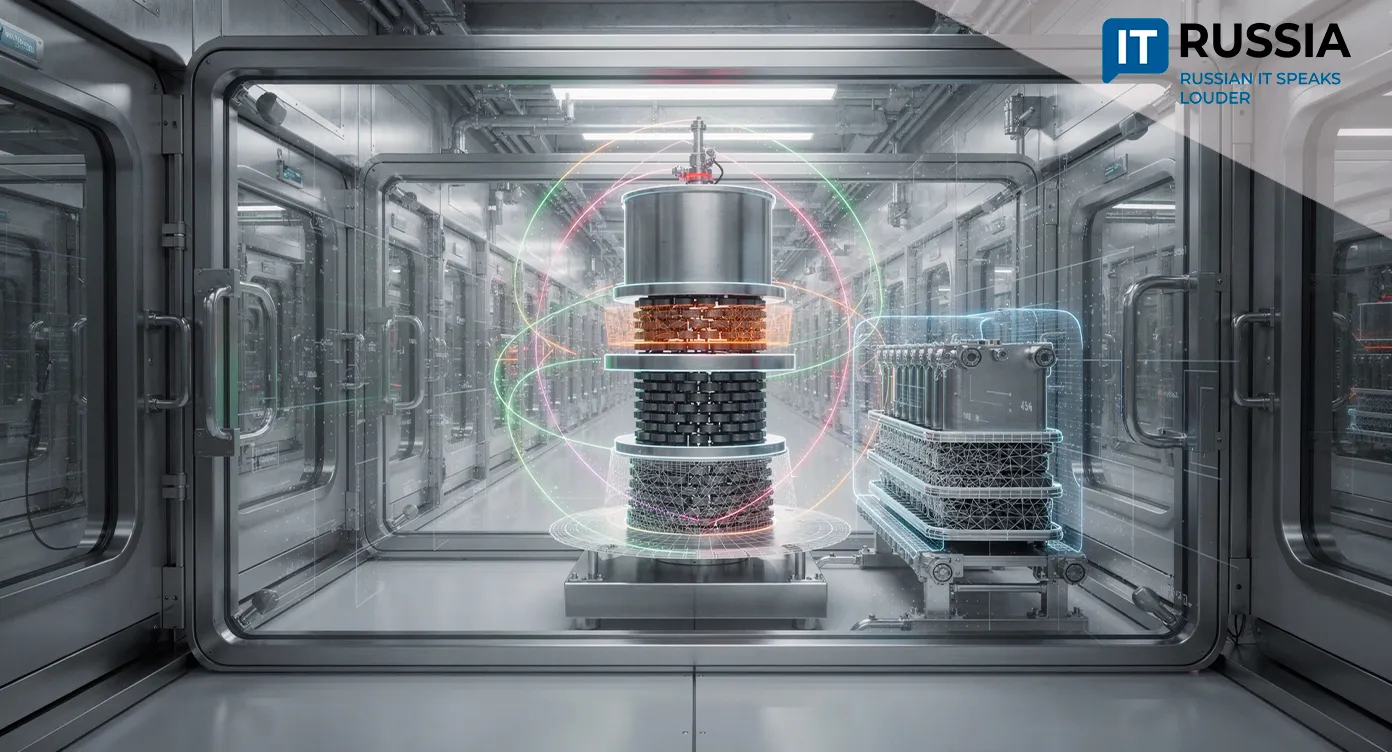
The patented device uses an innovative sensor configuration. Engineers placed two independent arrays of fiber-optic sensors above and below the object being processed, allowing them to analyze the interaction between microwave radiation and the material simultaneously from both sides.
The lower array measures the intensity of microwave radiation that has passed through the object. These data show how much energy the material has absorbed at each specific point. The upper array, in turn, records reflected waves that were unable to pass through the material. Comparing the two data sets provides a complete picture of how electromagnetic energy is distributed inside the reactor.
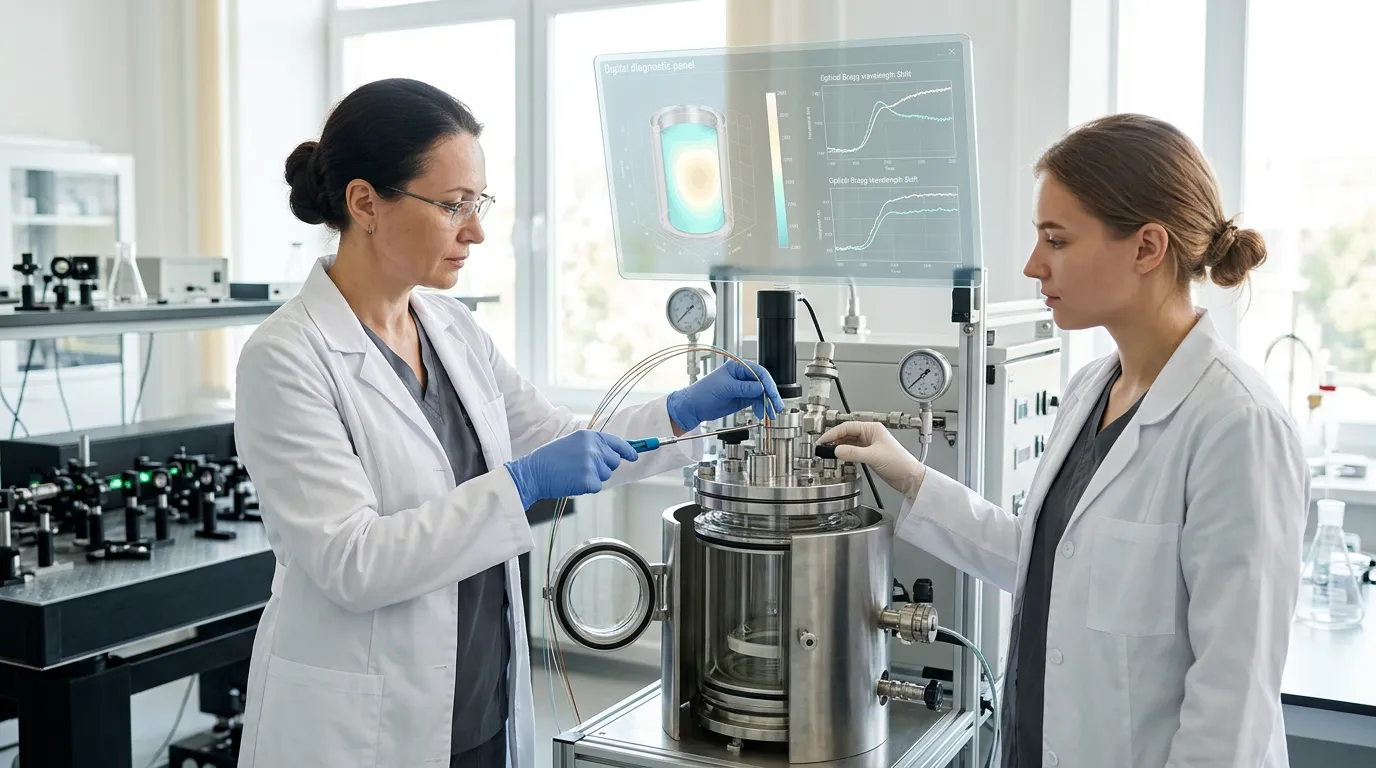
A dedicated algorithm processes signals from hundreds of Bragg structures in real time. It converts wavelength shifts into precise temperature readings and generates a digital map of the temperature field.
The operator, in turn, sees a three-dimensional model of the object on a monitor, with different areas color-coded according to their level of heating. Areas of abnormal overheating are automatically highlighted, and a signal is sent to the microwave generator’s power supply units to adjust the power output.
Applications in High-Tech Industries
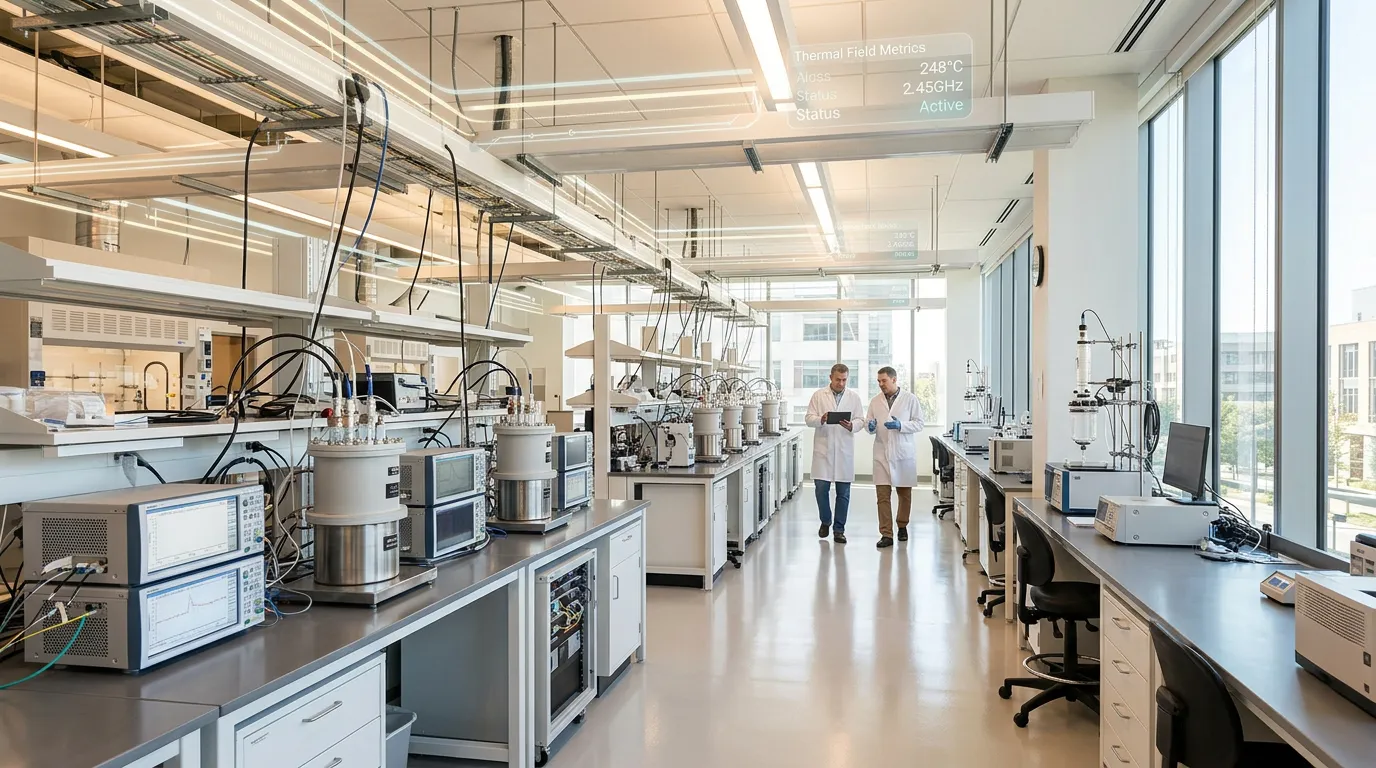
Precise control of the temperature field opens up new opportunities across several critical industries. For example, in the production of polymer composite materials, microwave heating can accelerate resin curing by tens of times. Carbon fibers in composites absorb microwaves and are prone to localized overheating, but the new sensors ensure more uniform heating of the part, which is important for components used in the aerospace industry.
In the petrochemical industry, microwave reactors are used to crack heavy hydrocarbons and synthesize catalysts. Monitoring temperature throughout the reactor makes it possible to control reactions more precisely and prevent coke formation on the walls of the apparatus, increasing the yield of target products and extending equipment service life.
Atomic hydrogen energy and the development of new materials for fusion installations remain promising areas, as microwave technologies are used for high-temperature sintering of refractory ceramics and powder targets. Deploying a Russian monitoring system based on AFBS reduces the dependence of laboratories and industrial facilities on imported equipment and establishes a new quality standard for sensor systems.