Lost Sevastopol Comes Back to Life Through VR Walking Tours
An immersive sightseeing experience called Pogruzhenie (Immersion) has launched in Sevastopol, allowing visitors to walk through the city's historic center while seeing buildings and public spaces destroyed during World War II. Modern VR technology brings the "Lost Sevastopol" back into view.
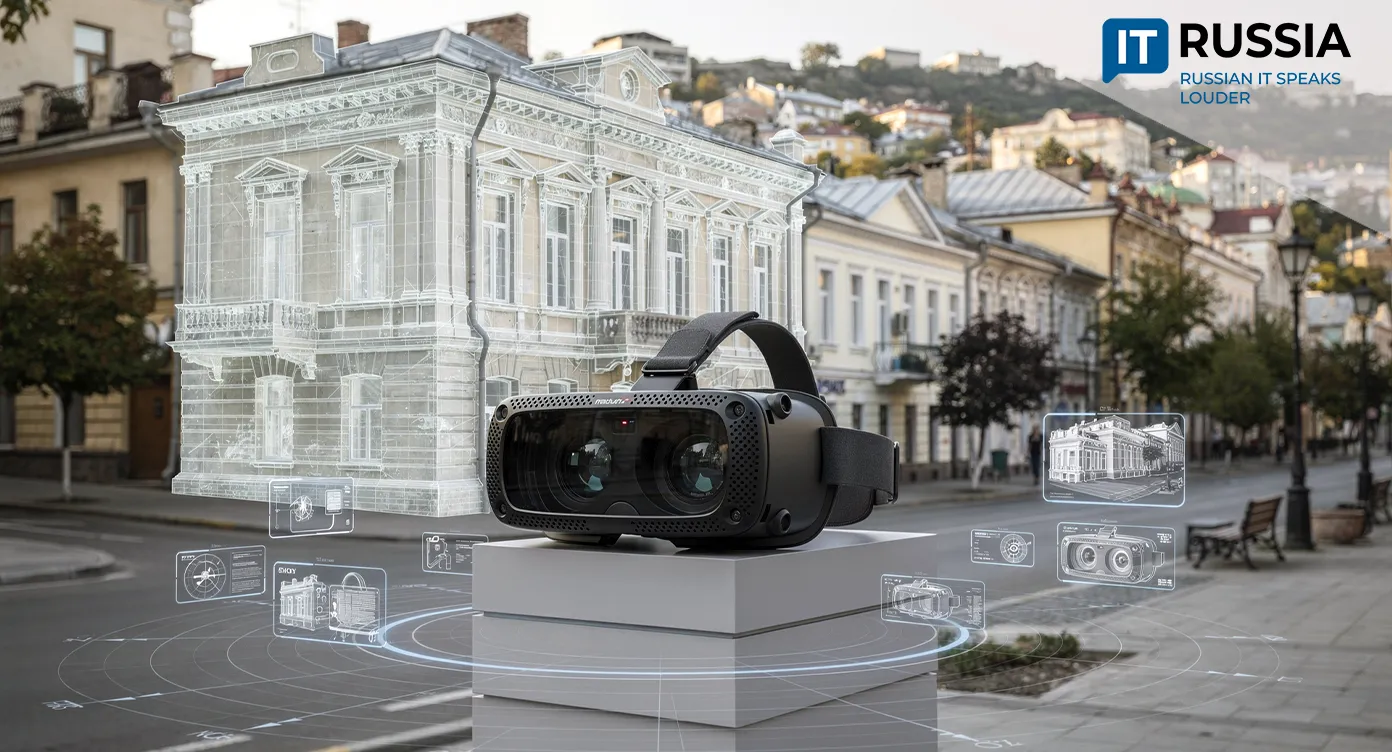
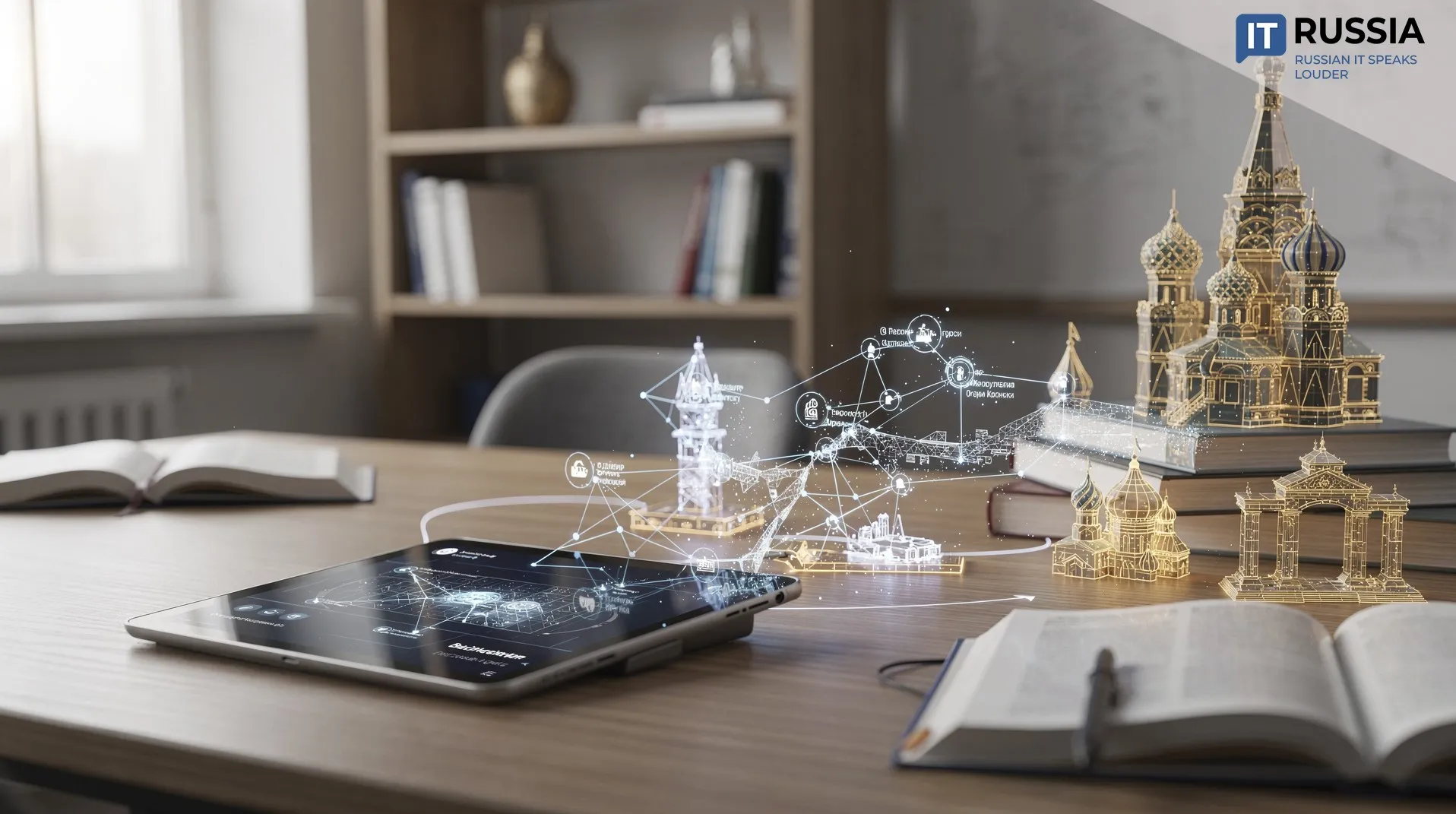
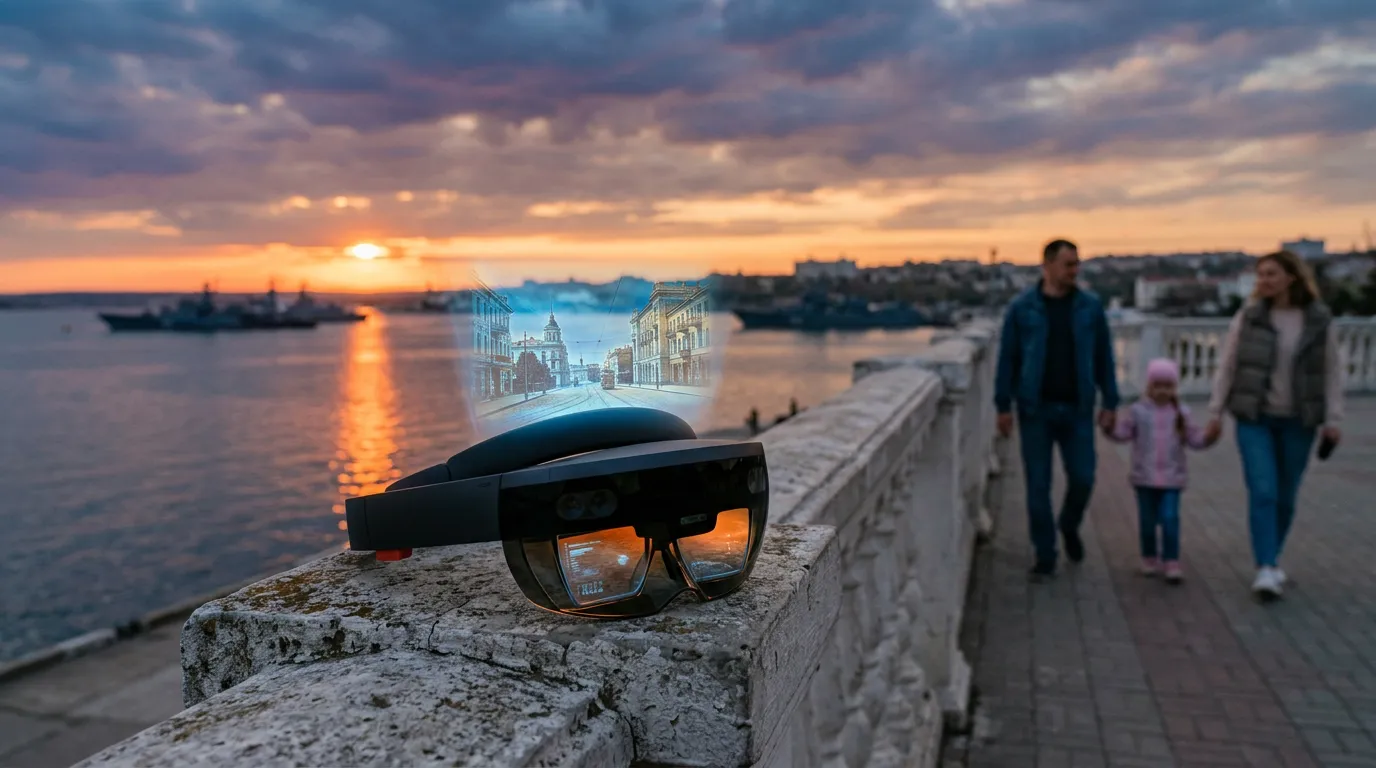
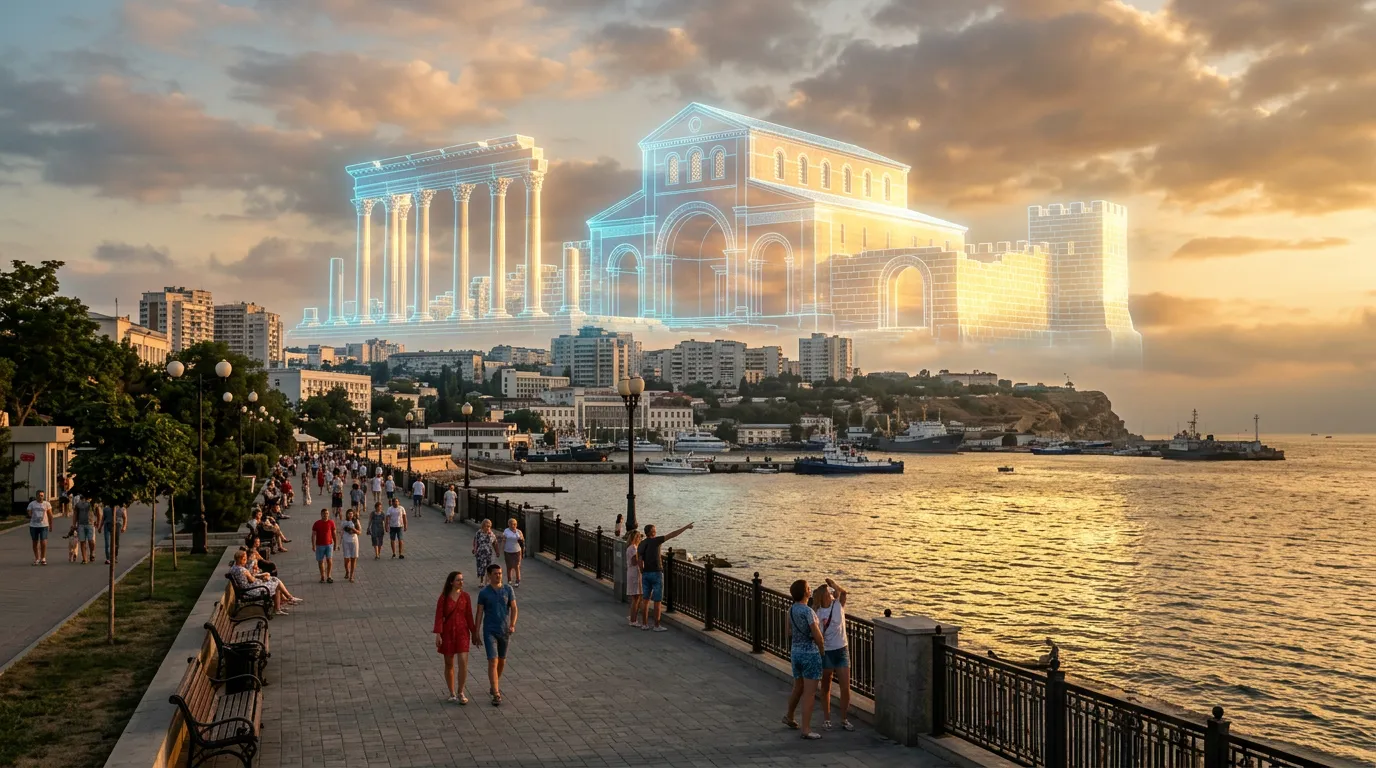
Visitors can spend 80 minutes walking through the past. As they explore Sevastopol's historic center, VR headsets, headphones, spatial audio, and three-dimensional models recreate buildings and urban spaces destroyed during World War II. The digital reconstructions are overlaid onto today's cityscape, allowing participants to see the past and present simultaneously.
A Walk Into the Past
The Utrachennyi Sevastopol (Lost Sevastopol) route follows some of the city's best-known landmarks, beginning at the Catherine II Monument, continuing along Nakhimov Avenue, and ending at Lazarev Square. This part of the city suffered extensive wartime destruction. Using augmented reality technology, participants can see the former Totleben House, the Naval Assembly Building, and the stately Catherine Palace restored to their historical appearance.
At designated stops along the route, visitors put on VR headsets and headphones. An intelligent audio system acts as an invisible guide, signaling when to activate the headset to view each three-dimensional reconstruction and when to remove it to return to the real-world surroundings. According to the project organizers, participants can compare today's city with its historical appearance while discovering lesser-known stories from Sevastopol's past.
The sense of immersion comes from combining visual reconstruction with carefully designed soundscapes. Spatial audio recreates residents' voices, the sounds of busy streets, and period music. The project's sound design was produced specifically for the experience by actors from the Black Sea Fleet Theater.
The route was created by local entrepreneur Kirill Kovbasenko with grant funding provided by the regional tourism authority under the national Turizm i Gostepriimstvo (Tourism and Hospitality) project. According to the project's author, developing such a sophisticated digital experience required extensive historical research and the participation of professionals from multiple disciplines.
Building a "Brave New World" From the Old
The new digital tourism product is expected to support the local tourism industry while preserving historical memory without requiring the physical reconstruction of lost buildings.
Digital reconstruction of historic districts is becoming an increasingly popular direction in Russia. In 2021, the Moscow Transport system hosted the DOP Digital Art Festival, where visitors used smartphones to view augmented reality installations near metro stations and the Northern River Terminal.
In 2022, the Tsarskoye Selo Museum-Reserve introduced a virtual journey aboard the imperial train along with a VR recreation of the Amber Room. The technology allowed visitors to experience historic locations and interiors that cannot be fully presented through conventional museum exhibitions.
Augmented reality projects showing visitors how cities once looked, complete with long-lost historic buildings, have also appeared in Nizhny Novgorod and Samara. This form of digital time travel is becoming an increasingly popular attraction. At the same time, projects like these are creating demand for Russian developers specializing in immersive content, 3D art, historical visualization, and sound design.
From Guided Tours to Digital Experiences
The Pogruzhenie (Immersion) project and its Utrachennyi Sevastopol (Lost Sevastopol) route illustrate a shift from traditional guided tours toward fully integrated digital tourism experiences. The format is particularly well suited to cities with rich histories and large numbers of lost architectural landmarks.
Over the next several years, similar technologies are expected to become more common across Russian tourism, museums, and education. Sustaining that growth will require regular software and hardware upgrades, along with rigorous historical validation of newly created 3D models.