Rosatom Names Lead Design Organization for Radiation Monitoring Systems
The Specialized Scientific Research Institute for Instrumentation (SNIIP) has been designated Rosatom’s lead design organization for radiation monitoring equipment and systems.

The institute will coordinate the development of automated radiation monitoring systems and environmental radiation monitoring systems for all nuclear industry facilities.
A Single Center of Responsibility
Its designation as the lead design organization makes SNIIP the center responsible for the deployment and support of radiation monitoring instruments. The order covers a product group that includes radiation monitoring systems, automated radiation monitoring systems (ARMS) and automated environmental radiation monitoring systems (AERMS).
ARMS tracks radiation parameters inside a nuclear power plant, monitoring the condition of equipment, pipelines, ventilation systems and personnel work areas. AERMS monitors the environment around the facility, continuously measuring background radiation in the air, water and soil and transmitting the data to regulatory authorities.
Previously, nuclear industry facilities used instruments from different manufacturers. This resulted in an unnecessarily diverse equipment fleet and made maintenance more complex. Designating a single lead developer makes it possible to reduce the range of instruments in use. The institute will oversee equipment design and manufacturing throughout the entire life cycle. This applies both to new facilities under construction and to operating plants where aging systems need to be upgraded or replaced.

Standard Designs and Unification
One of SNIIP’s main responsibilities in its new role is to develop a standard technical design for radiation monitoring systems based on Russian technology. Unified technical requirements will allow proven systems to be replicated across different plants.
Standardizing these systems will reduce design, procurement and commissioning costs. Operating organizations will also find it easier to train personnel when plants use the same interfaces and operating algorithms. Inventory requirements will decline as well, since maintaining a standardized equipment fleet requires fewer unique spare parts.
The institute will also optimize the scope of monitoring. Engineers will analyze operating practices and eliminate redundant measurements, retaining only parameters that have a direct bearing on facility safety. This is expected to improve operational efficiency without compromising radiation protection for personnel or the environment.
Coordinating Research
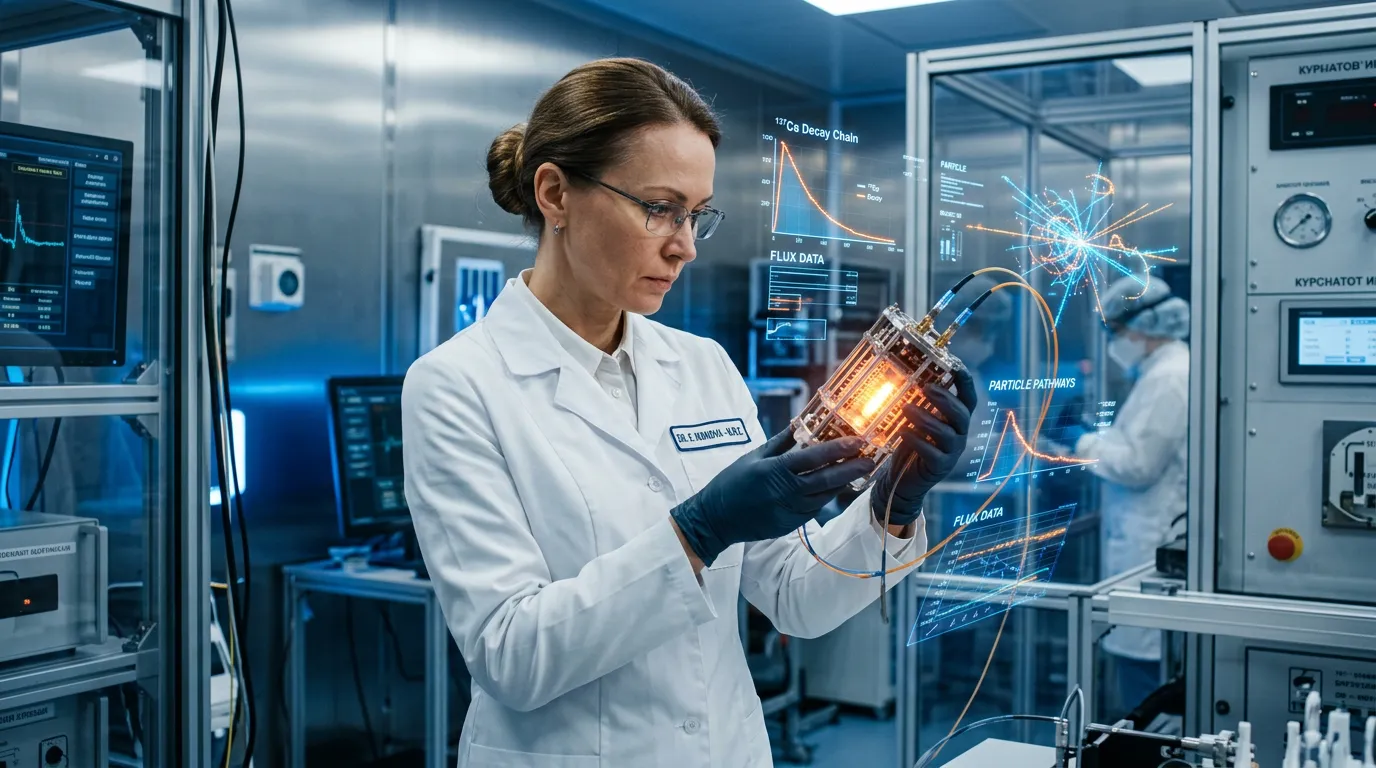
Another important function for SNIIP is to help keep nuclear facilities safe if foreign manufacturers stop supplying spare parts. To that end, the institute will develop infrastructure to research and manufacture components for nuclear instrumentation. This will support the continued operation of radiation monitoring systems and reduce their exposure to changes in the external geopolitical environment.
As lead developer, SNIIP will coordinate research and development work both across the industry and with external organizations. A unified technical policy will help prevent duplication in R&D and concentrate resources on breakthrough areas.

SNIIP is part of the Automated Control Systems and Electrical Engineering division of Rosatom (State Atomic Energy Corporation Rosatom). The institute is one of Russia’s leading organizations in nuclear instrumentation and works on nuclear and radiation safety, environmental radiation monitoring and environmental protection. Its designation as the lead design organization recognizes the expertise the institute has built up and expands its responsibility for technological development across the industry.