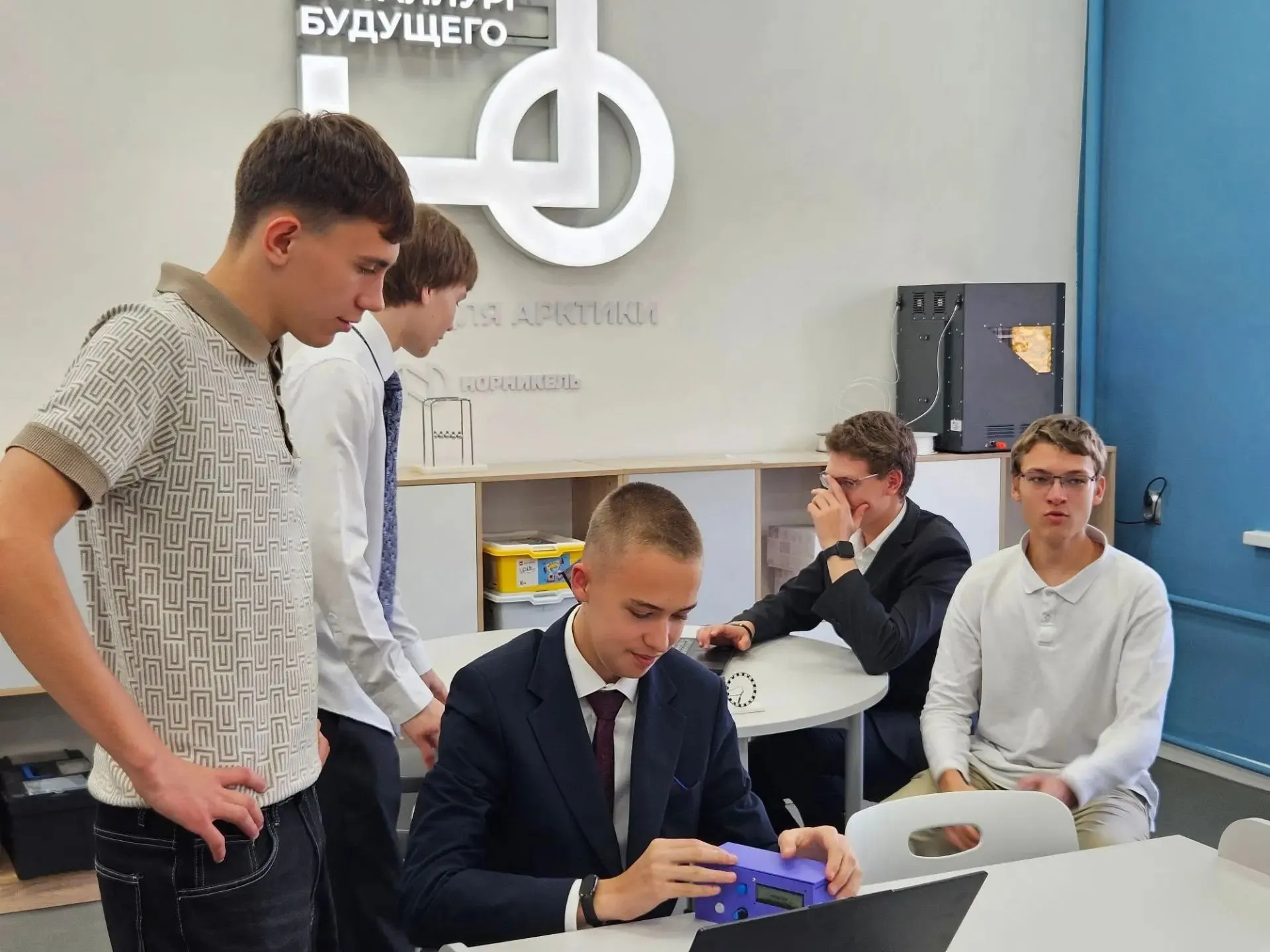
Russia to Deploy Beetle-Carrying Drones to Fight Invasive Hogweed
Russian student has developed an eco-friendly way to combat a dangerous invasive plant using unmanned aerial vehicles.
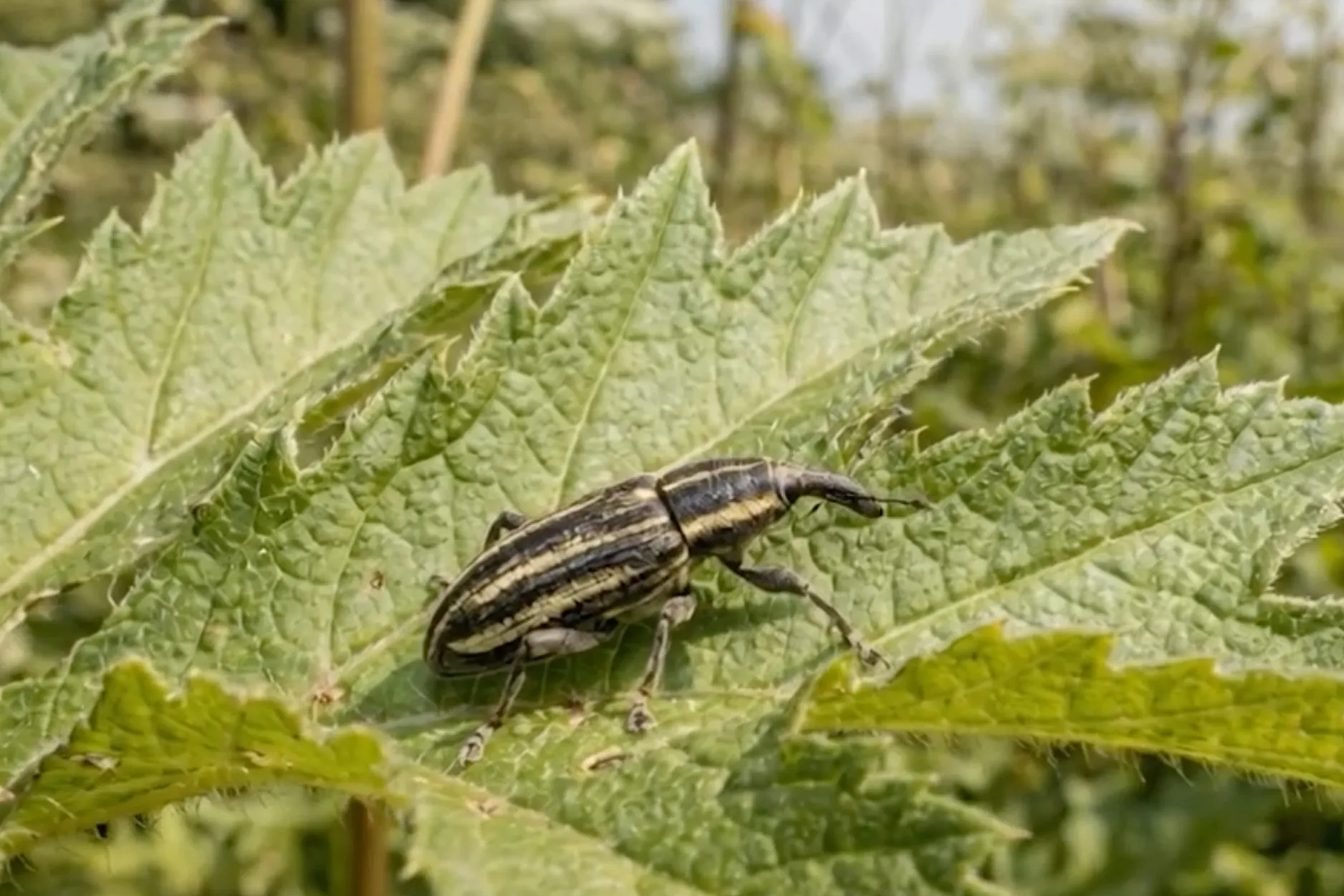
A Russian student has unveiled an innovative biotechnology designed to eliminate Sosnovsky hogweed (an invasive, toxic plant also known as Heracleum sosnowskyi). Instead of chemicals, the Biodron (a biological drone system) project relies on leaf beetles – natural enemies of the weed – delivered directly onto the plants by drones. The approach could help bring farmland back into use and offer an alternative to herbicides, the Russian Transport Ministry’s press service told IT Russia.
Nature Provides the Weapon
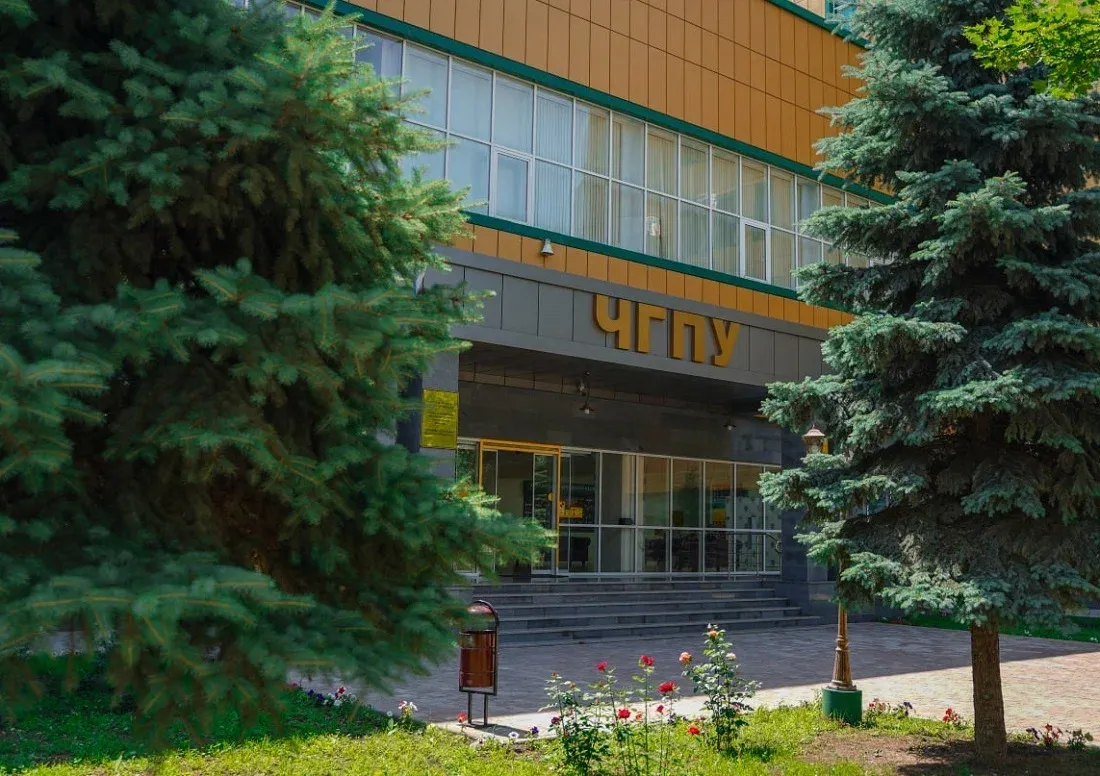
The project’s author is Anastasia Mishukova, a second-year student at the Volga State University of Railway Transport. She said she volunteered to take on the hogweed problem when the topic was proposed at her university. In rural areas where her grandmothers live – in Mordovia and the Nizhny Novgorod region – hogweed has poisoned soil for years and pushed out local crops.
Mishukova initially planned to base her approach on chemical treatment. But she found that chemicals provide only a temporary effect and damage ecosystems. Herbicides do not address the core problem – the plant’s seeds – making it necessary to find a safe, long-term solution.
She later came across a post about leaf beetles that use hogweed both as a food source and as a habitat. That discovery led to what she describes as a simple but powerful idea.
Drones and Leaf Beetles
Mishukova decided to develop Biodron, a system in which a drone flies over hogweed thickets and releases leaf beetles in a targeted way, adjusted to plant density.
Sosnovsky hogweed poses a serious threat to people as well. Its sap can cause severe chemical burns on skin when exposed to sunlight and may lead to blindness if it gets into the eyes. The plant spreads rapidly across abandoned land and roadsides, displacing other species.
Bringing Farmland Back Into Use
The new method is designed to solve several problems at once. First, it could return land overrun by hogweed to agricultural use, allowing hectares to be cultivated again. Second, the technology eliminates the need for repeated applications of heavy chemicals, helping protect soil and biodiversity. The biological approach is expected to remain effective for three to five years, making it cheaper over time than regular chemical treatments.
Earlier, IT Russia reported on another Russian student project that uses artificial intelligence to combat hogweed. High-resolution cameras paired with AI can detect the weed, map its spread, and precisely spray herbicides where needed.