Russia to Turn Fiber-Optic Lines Into a Giant Sensor
An optical fiber cable is a data highway carrying terabytes of information at enormous speeds. But what if this artery could gain a sense of touch and detect the vibrations of a pedestrian’s footsteps, the rumble of a passing truck, or dangerous ground deformation?
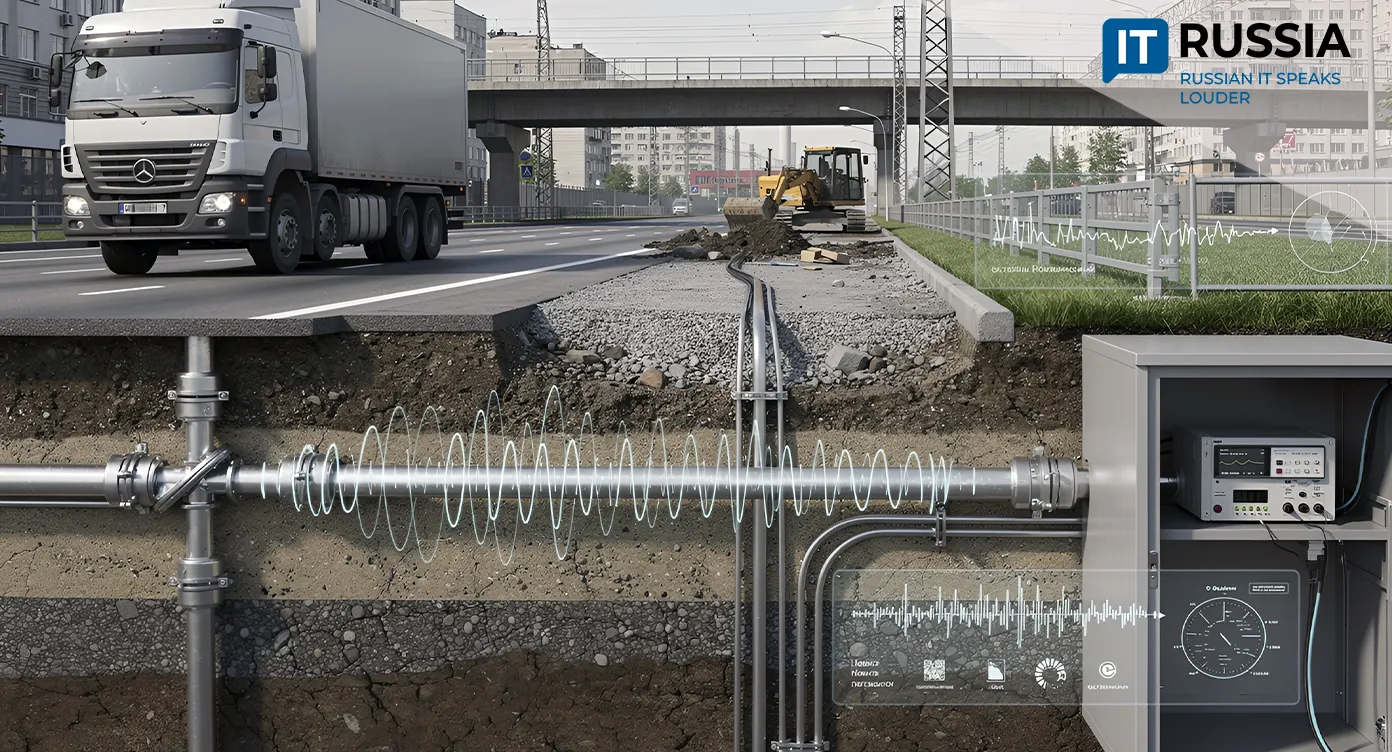
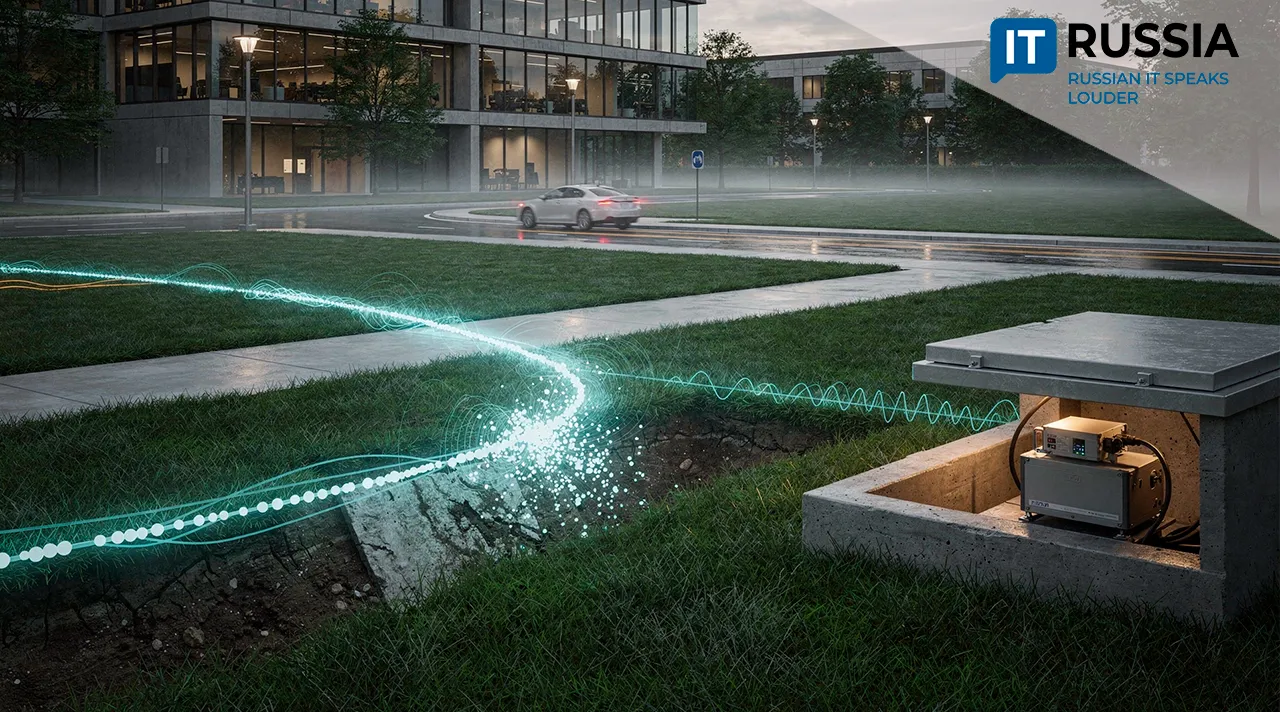
Scientists at Novosibirsk State University (NSU) and the Trofimuk Institute of Petroleum Geology and Geophysics of the Siberian Branch of the Russian Academy of Sciences (IPGG SB RAS), together with T8, have turned that idea into reality. They proposed using existing fiber-optic lines as a distributed sensor system. In an experiment, a 4.3-kilometer line between NSU and Akadempark was transformed into a huge sensor network with about 400 monitoring points.
Use What Is Already Underground
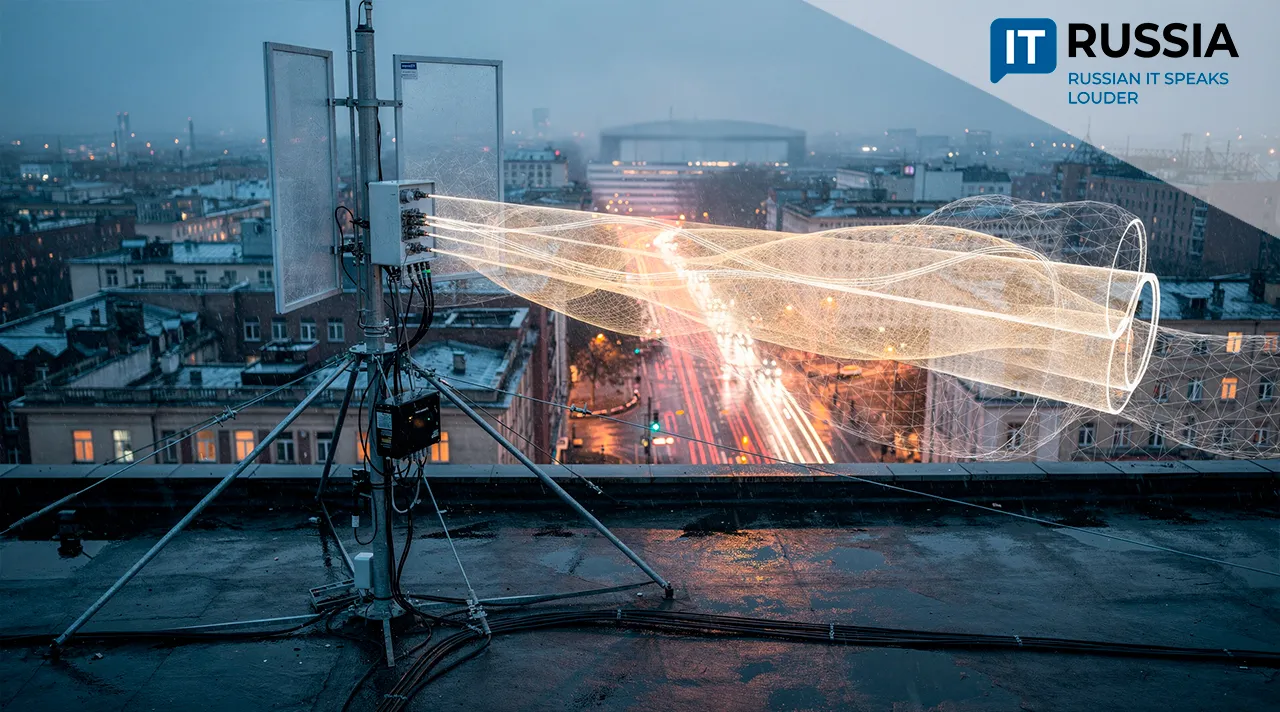
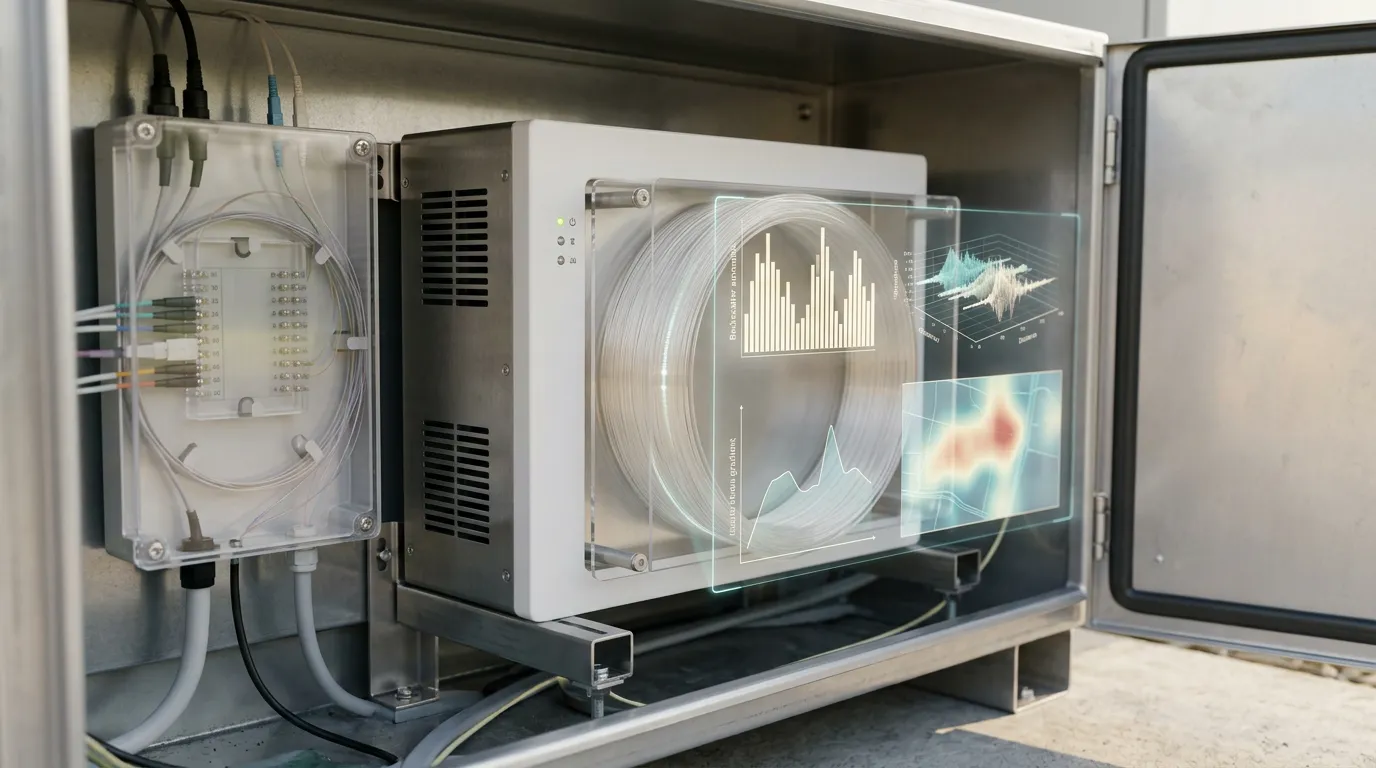
The development is based on distributed acoustic sensing (DAS). Light travels through the cable. When something happens nearby – a vehicle passes, a person walks by, or excavation begins – the cable vibrates slightly. That vibration changes the light inside the cable. A specialized device called an interrogator detects these tiny changes in the light backscatter within the fiber. Machine learning then takes over: Algorithms analyze the data and identify the type of event. The system determines whether it was a person walking, a vehicle moving, or excavation work.
The main advantage of the solution is that there is no need to build a separate sensor network. Monitoring a bridge, pipeline, or road can require hundreds of individual devices. That is expensive, time-consuming, and difficult to maintain. Adapting infrastructure that is already underground is far more efficient. All that is needed is to connect additional equipment to an existing line, turning ordinary fiber optics into an intelligent safety system.
Infrastructure Monitoring in Practice
Rostec’s intelligent infrastructure-monitoring system, which incorporates artificial intelligence, was tested at Vnukovo Airport as early as 2021. Digital radars detected moving objects, including people, aircraft, and vehicles, and automatically sent targeting commands to video cameras. Neural networks identified targets with high accuracy even in difficult weather conditions and poor visibility.
T8 is Russia’s main developer and manufacturer of DAS systems. Its Dunay hardware and software systems are already operating on a permanent basis, rather than as pilots, at many sites, including airports, energy facilities, and pipelines. At Domodedovo Airport and the airports in Omsk and Tyumen, the system detects attempts to climb over, break through, or dig under fences, identifies the type of intruder, whether a person or a vehicle, and provides precise coordinates for the incident. At Chuvash State University, meanwhile, optical sensors developed with T8’s support were tested for diagnosing operating power transformers. The optical sensors captured temperature, acoustic, and vibration characteristics from high-voltage equipment in operation without interference from electromagnetic effects. This made it possible to detect defects at an early stage and move toward predictive analysis of equipment aging.
But while existing methods are designed primarily for industrial applications, the new system takes an ordinary urban fiber-optic line – one that was not specially prepared or designed to be “perfect,” but is a real-world line with bends, joints, and noise – and turns it into a sensor network. Pipelines, railways, and power lines all require continuous monitoring. Russia has more than 1.4 million kilometers of backbone fiber-optic communication lines. In the Novosibirsk experiment, 4.3 kilometers yielded about 400 monitoring points. That is a very high density, with roughly one point every 10–11 meters – meaning that with AI monitoring the system can leave virtually nothing undetected.
A Smart Development Zone
DAS systems can monitor the condition of remote facilities in real time, detect leaks in the oil and gas industry, identify unauthorized access to protected perimeters, and even help prevent accidents on bridges and roads.
Safer roads, bridges, and buildings, earlier detection of hazardous situations, and lower maintenance costs for urban infrastructure could all become possible through “sensitive infrastructure.” A distributed sensor can also detect vibrations associated with seismic waves, supplementing readings from conventional seismometers and expanding the area under observation.
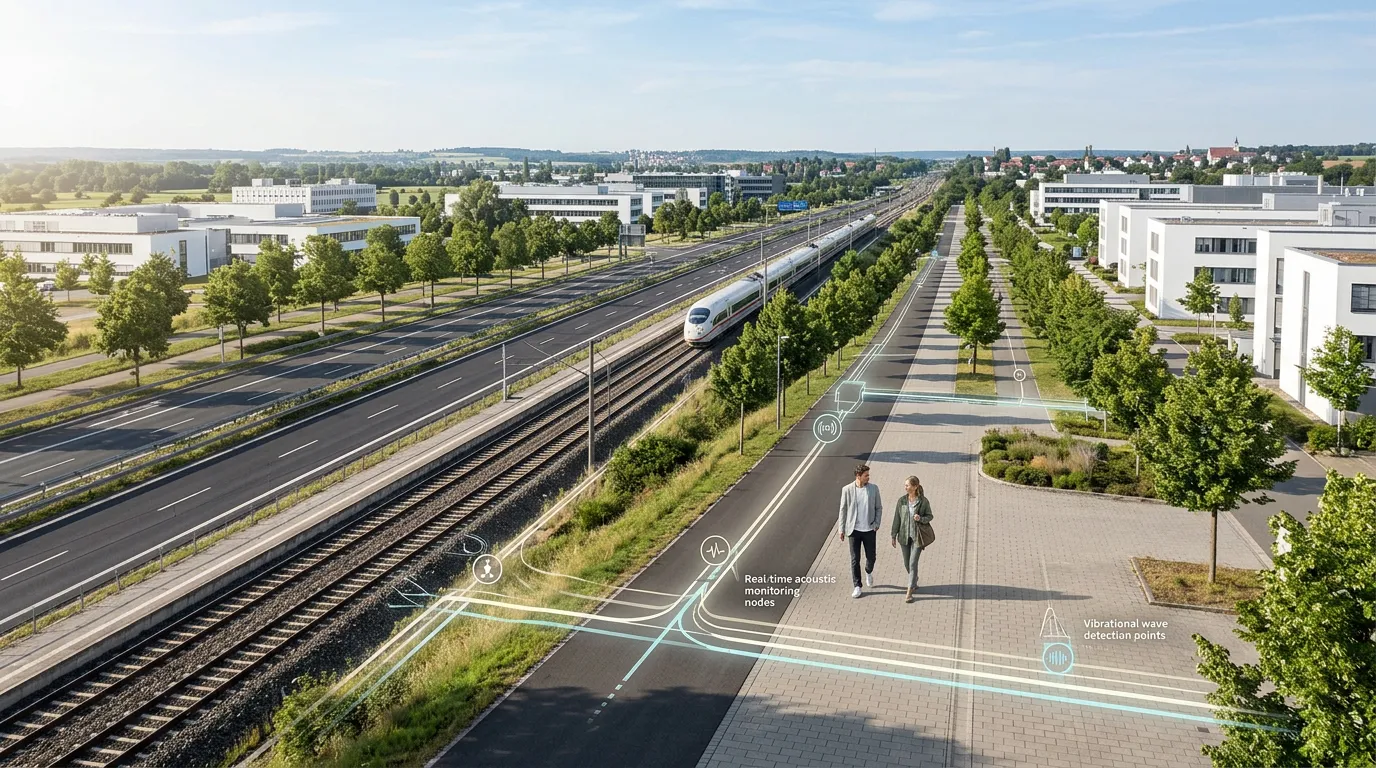
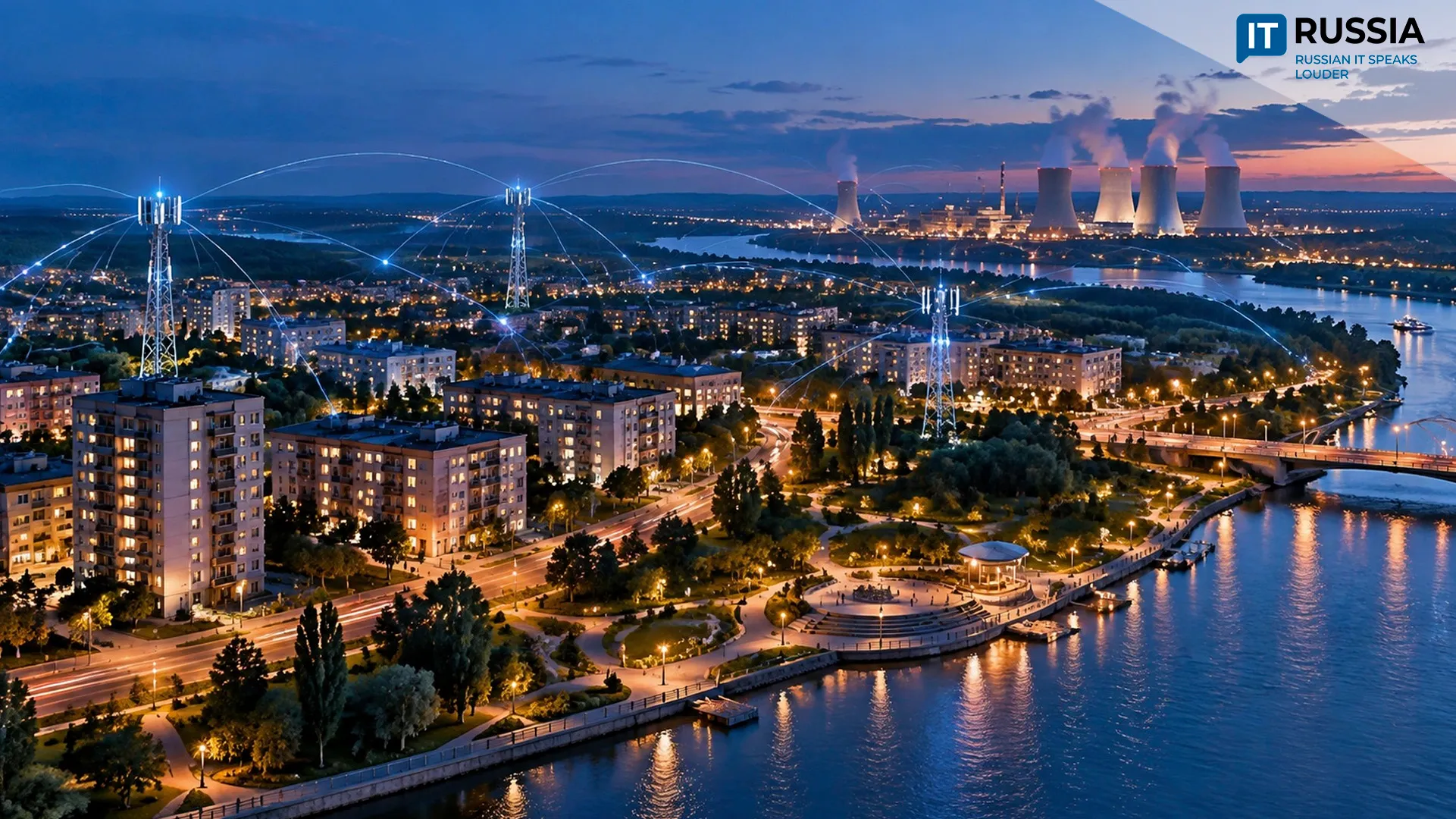
Russia is moving toward smart cities and digital twins. Now the communications network itself can become more than a data carrier – it can serve as a full-fledged source of information about the condition of the surrounding environment. Developing homegrown photonics and industrial AI technologies reduces reliance on foreign alternatives. In the longer term, Russian AI-enabled DAS solutions could become an export product for countries with large territories and extensive fiber-optic networks.