Russian Scientists Develop First-Ever Model of Taste Perception
The system tracks the full pathway of taste, from a substance hitting the tongue to neural patterns forming in the brain
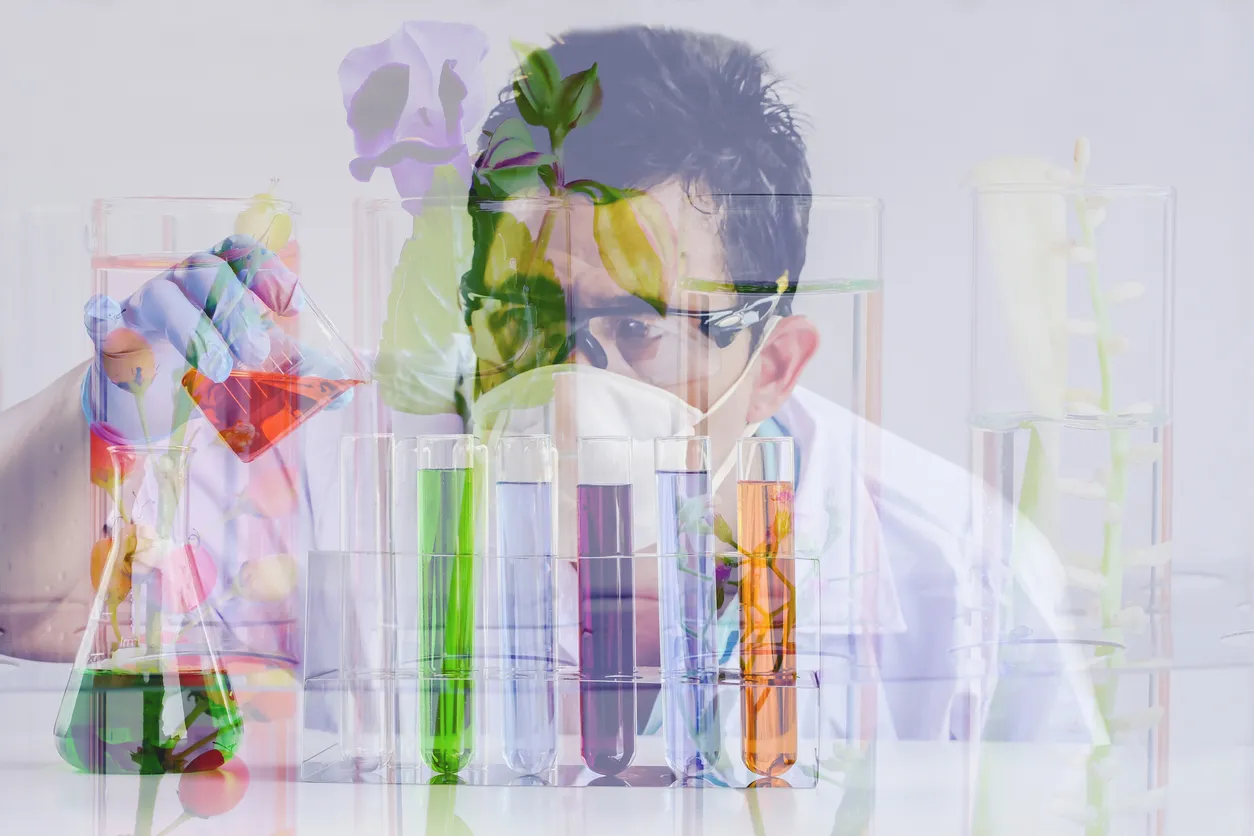
Researchers at Moscow Institute of Physics and Technology and Lobachevsky State University of Nizhny Novgorod have created what they describe as the world’s first computer model that simulates how the human sense of taste works, according to MIPT’s press service.
The model replicates the function of a taste receptor, from the moment a substance reaches the tongue to the formation of a “neural fingerprint” in the brain. The development marks another step toward building electronic devices with human-like taste capabilities. The research could also aid medicine by helping scientists understand how taste disorders arise in various diseases.
Adding Smell to the System
The model was trained on two tasks. One involves distinguishing how pleasant different tastes are, with each assigned optimal concentration levels. The other enables the system to differentiate between pure and mixed tastes.
The team plans to incorporate olfaction into the system to study how a unified perception of taste is formed. To more accurately represent receptor function, the researchers also aim to introduce inhibitory neurons, feedback loops, and more detailed intracellular signaling into the model.