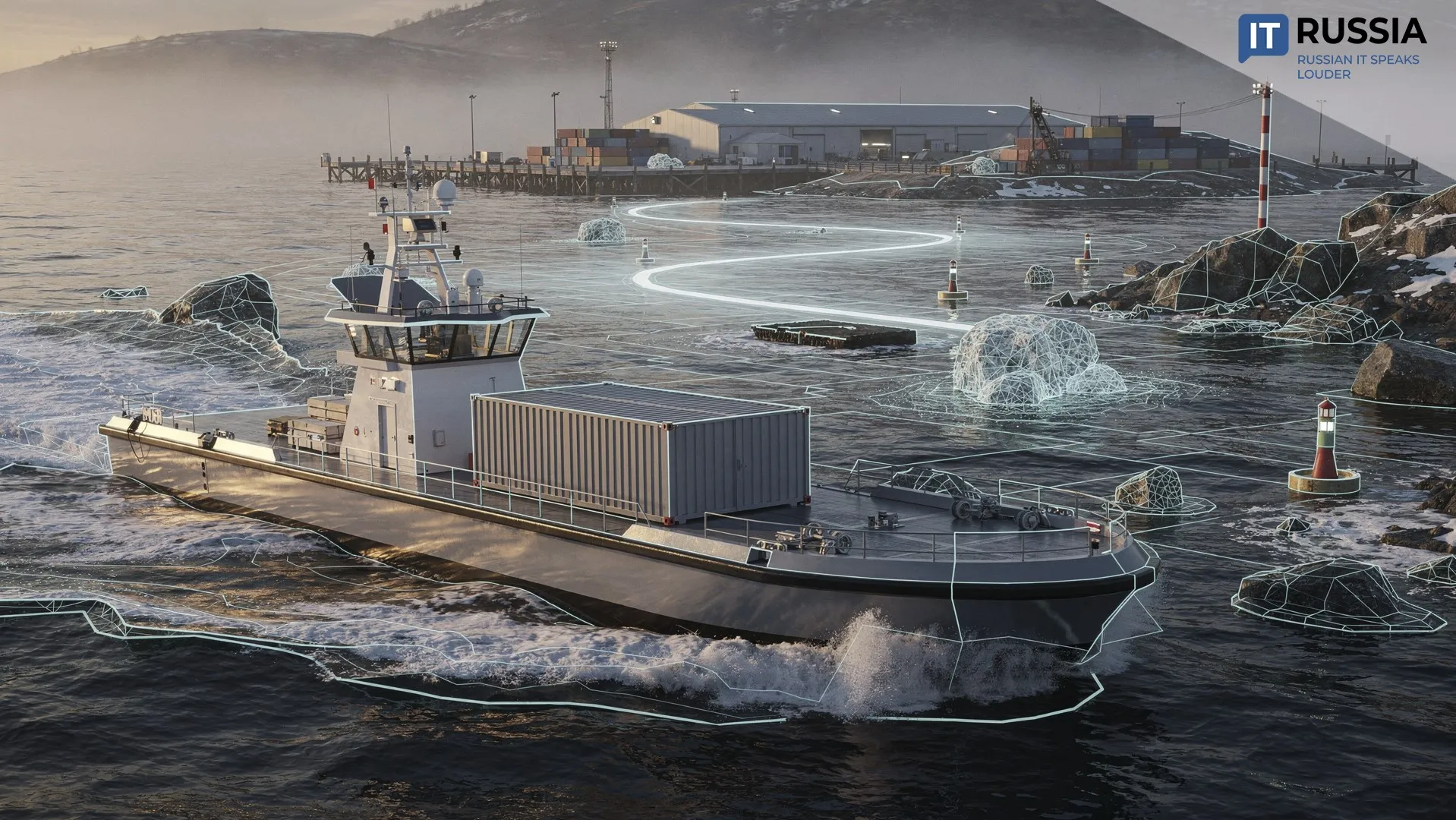
Shvabe Develops Communications Configuration for Subsea Gas Production
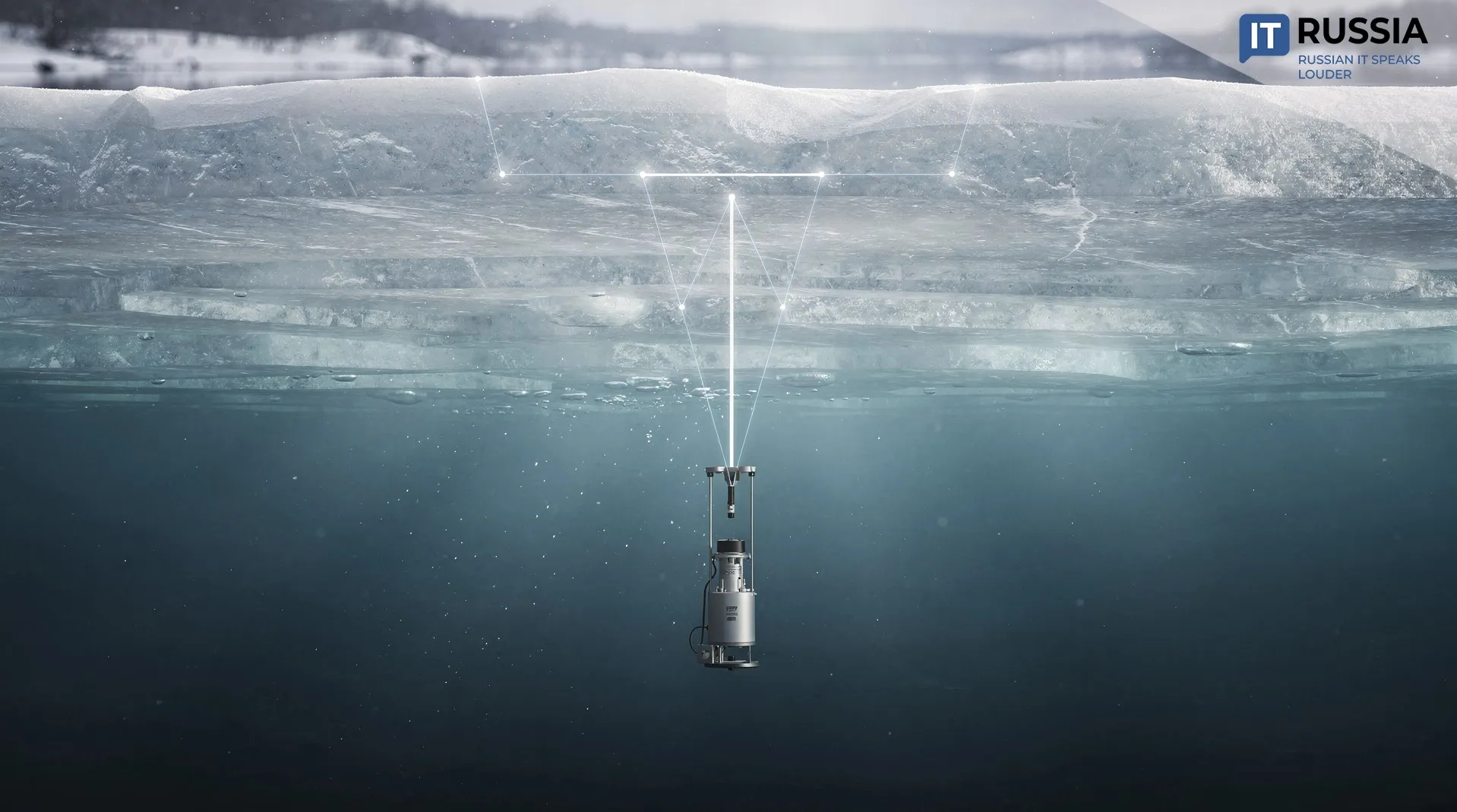
The Shvabe Holding has upgraded a fiber-optic system for transmitting and converting control signals for subsea gas-production complexes. Underwater wells can now connect directly to an onshore control center over distances of up to 70 km.

The Shvabe Holding is part of the Rostec State Corporation. The technology was developed at the POLYUS Research Institute of M.F. Stelmakh, which is also part of Shvabe. Previously, communications between subsea wells and the onshore control center ran through dedicated subsea distribution modules with optical and electrical splitters.
With the new configuration, each well connects directly to the onshore complex, increasing data-transfer speeds from 1–5 Mbps to 10 Mbps. Operators receive information on well conditions and can remotely send commands to adjust valves and close gate valves, allowing centralized control of remote subsea infrastructure.
To implement the project, Shvabe engineers upgraded an optoelectronic converter in the transceiver module. It converts optical signals into electrical signals and relays commands to actuators. The new technical solutions increased line capacity while maintaining low signal loss.
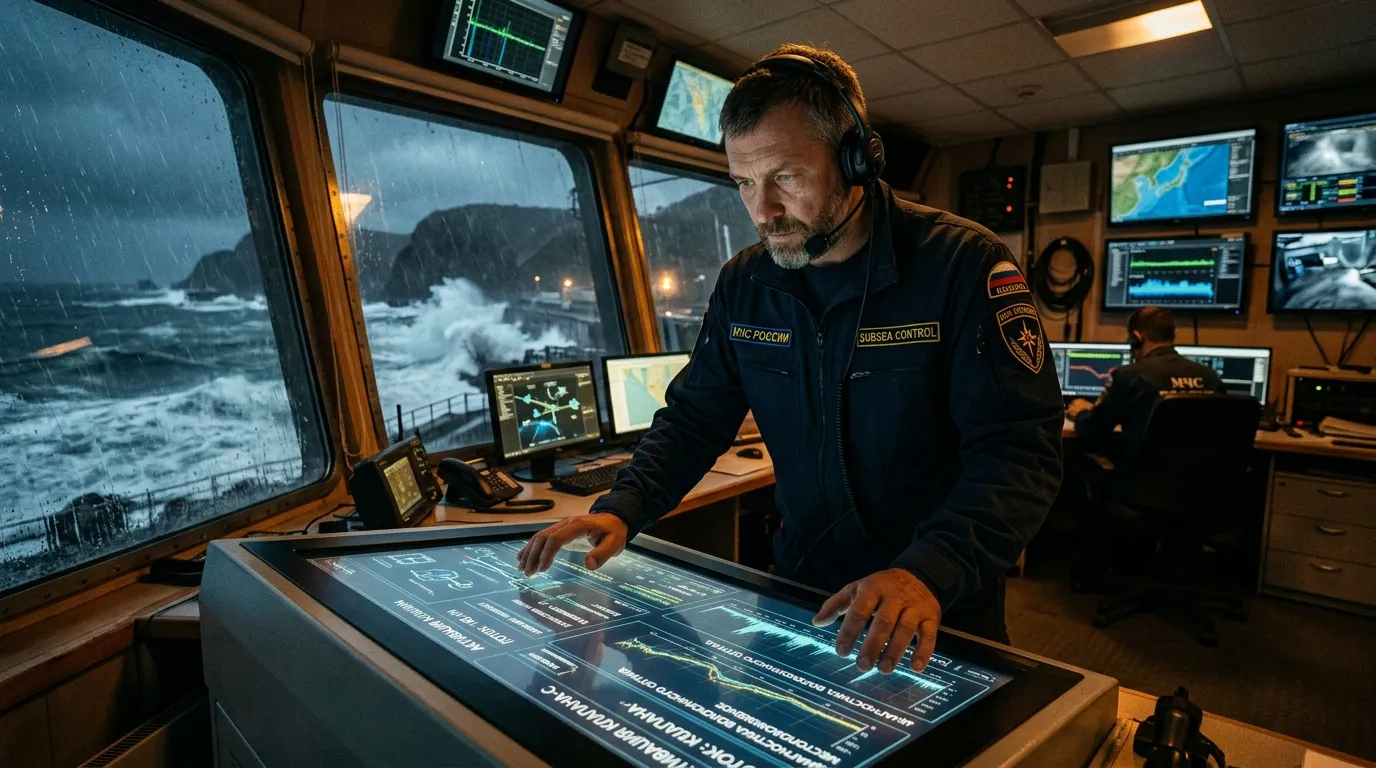
Signal down to the Depths
The upgraded equipment has completed industrial testing. The solution is designed for long-term operation and can keep a gas-production complex running continuously for at least 30 years. The optical-signal transmission and conversion system developed by the POLYUS Research Institute will become part of a Russian-made subsea production complex for developing promising gas fields.
This is not Shvabe’s first offshore project. In 2021, as part of the Sakhalin-3 project to develop the Kirinskoye and Yuzhno-Kirinskoye gas-condensate fields, the holding supplied a pilot equipment complex based on fiber-optic technology. The system could connect up to 48 subsea control modules and exchange data at depths of up to 500 meters. Its data-transfer rate also exceeded that of foreign systems using electrical cables.
The Kirinskoye field, which entered commercial production in 2014, was the first in Russia to use subsea production complexes. Meanwhile, the specific conditions at the Yuzhno-Kirinskoye field, which came under sanctions in 2015, posed numerous challenges for Russian developers. The equipment for the field is now being developed entirely in Russia. Plans call for 37 wells grouped into 17 production centers.

Development of Strategic Importance
The proposed technology effectively lays the groundwork for a new model of Russian digital offshore fields. Similar control systems were previously developed mainly using foreign technologies. A domestic fiber-optic system is needed to develop complex and hard-to-reach fields in the Russian Far East, the Arctic and the Sakhalin offshore area, where conventional operations are significantly more difficult.
In the future, systems of this kind could become part of integrated digital field-management platforms, with AI using data from subsea equipment to predict failures, optimize production and improve operational safety. Shvabe’s solution shows that Russian companies are moving beyond individual components toward integrated solutions for the digital infrastructure of mineral extraction. Rapid growth in such technologies can be expected in the coming years as the fuel and energy sector becomes more digital. Key areas will include higher data-transfer speeds, more reliable communications channels, integration of AI systems and the development of autonomous subsea complexes.