Smart Production of Smart Slabs for High-Speed Rail
Veliky Novgorod has launched the country's first automated plant producing reinforced-concrete slabs for the Moscow – St. Petersburg high-speed rail line.
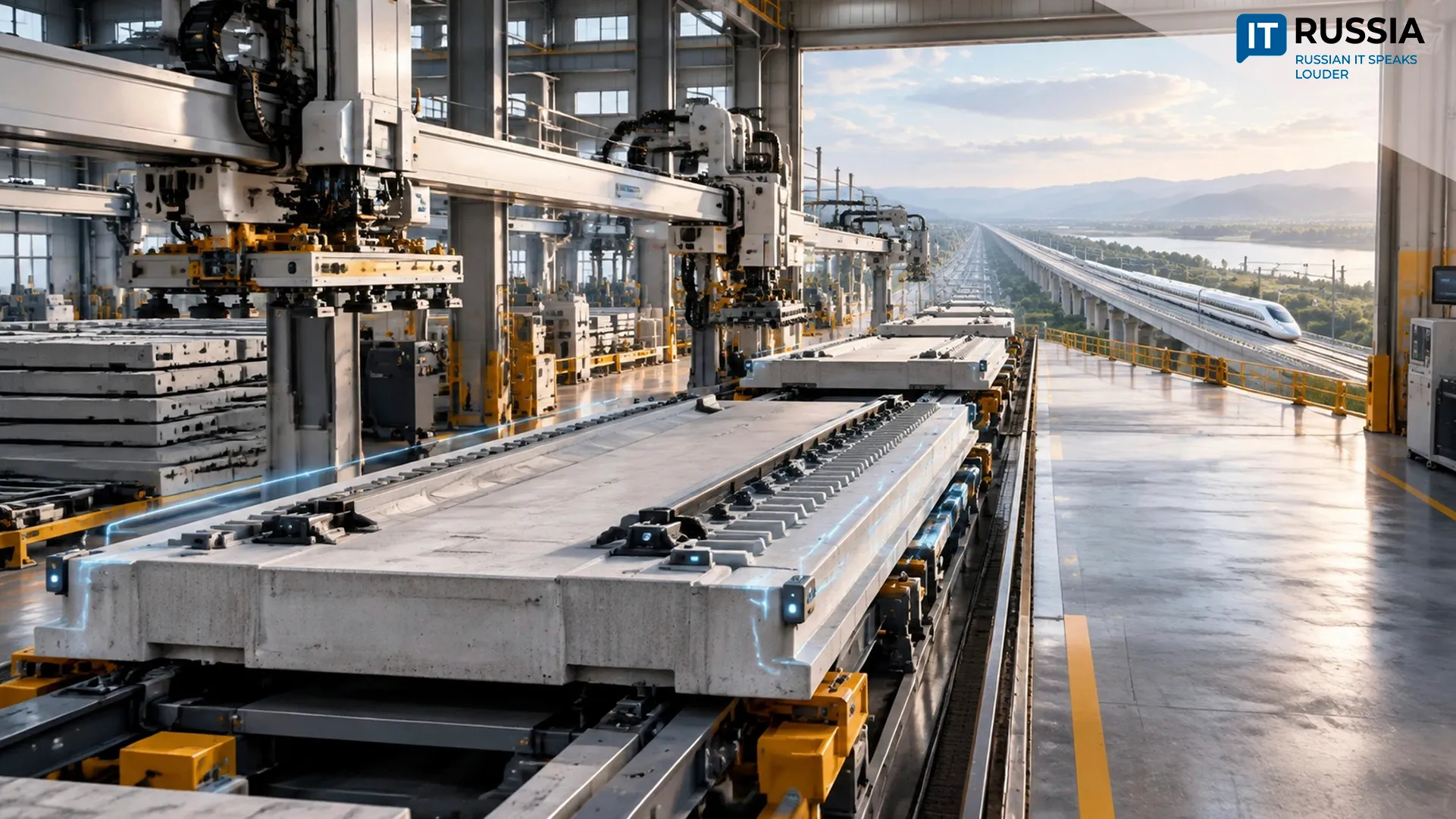
Russia's Transport Ministry has announced the launch of the country's first serial robotic production facility for NGP 4.0 reinforced-concrete track slabs. These components of a ballastless track system are designed for Russia's first domestic high-speed railway between Moscow and St. Petersburg and are expected to support train speeds of up to 400 km/h at temperatures ranging from -50°C to +50°C.
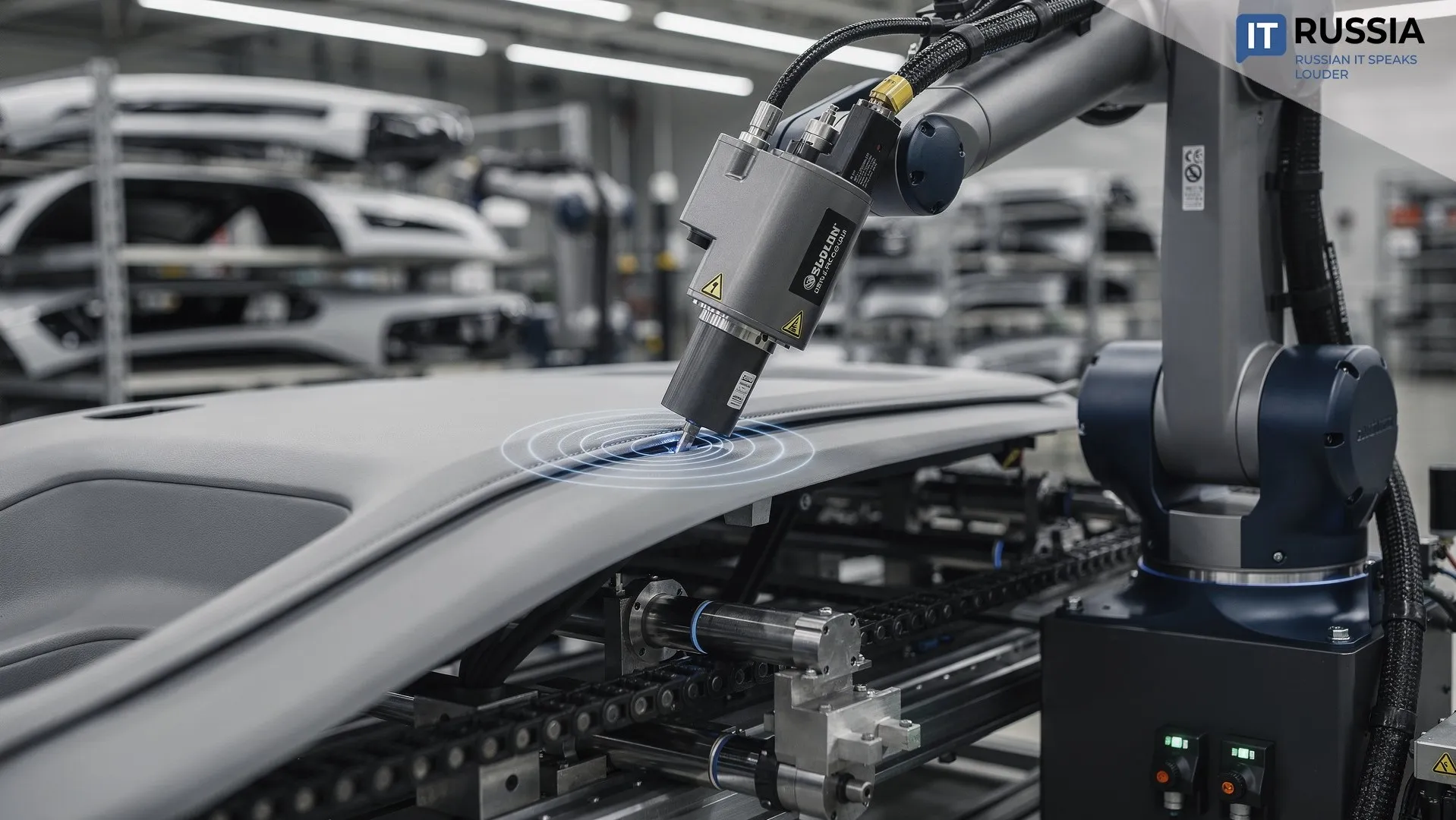
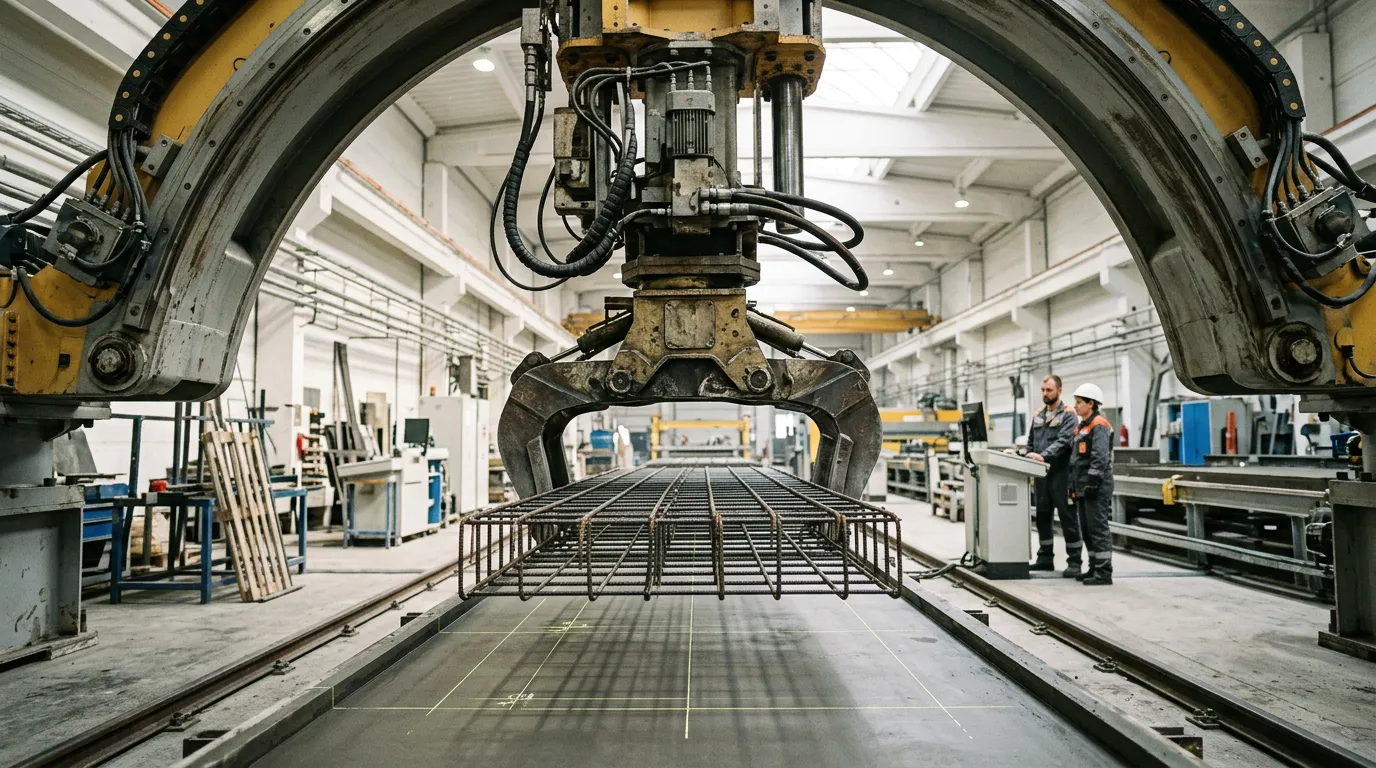
The production line is fully automated: robots ensure slab manufacturing accuracy of up to 0.5 mm, consistent quality and high output. The plant's stated capacity is about 100,000 slabs per year, or 320 per day and 9,600 per month. For Novgorod Region, the project will create more than 900 new jobs at a high-tech manufacturing facility.
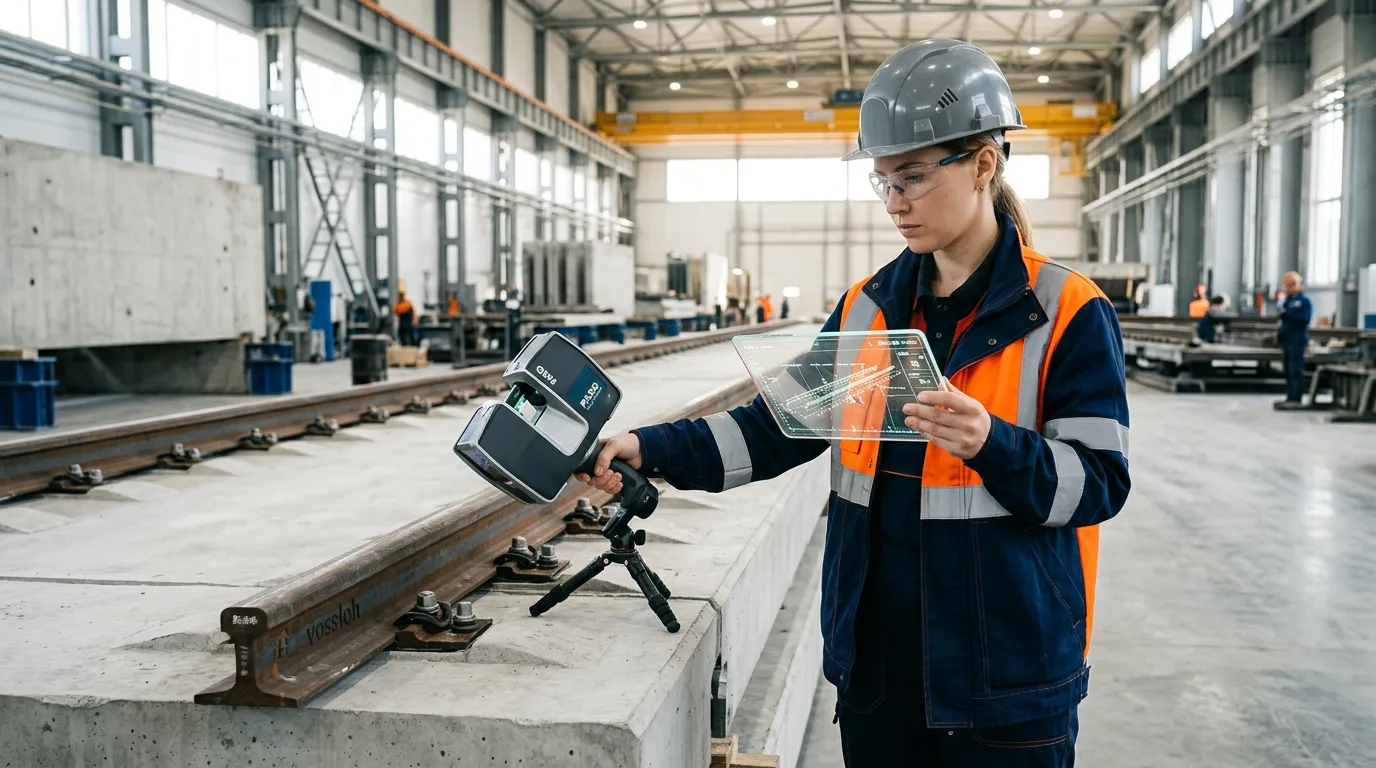
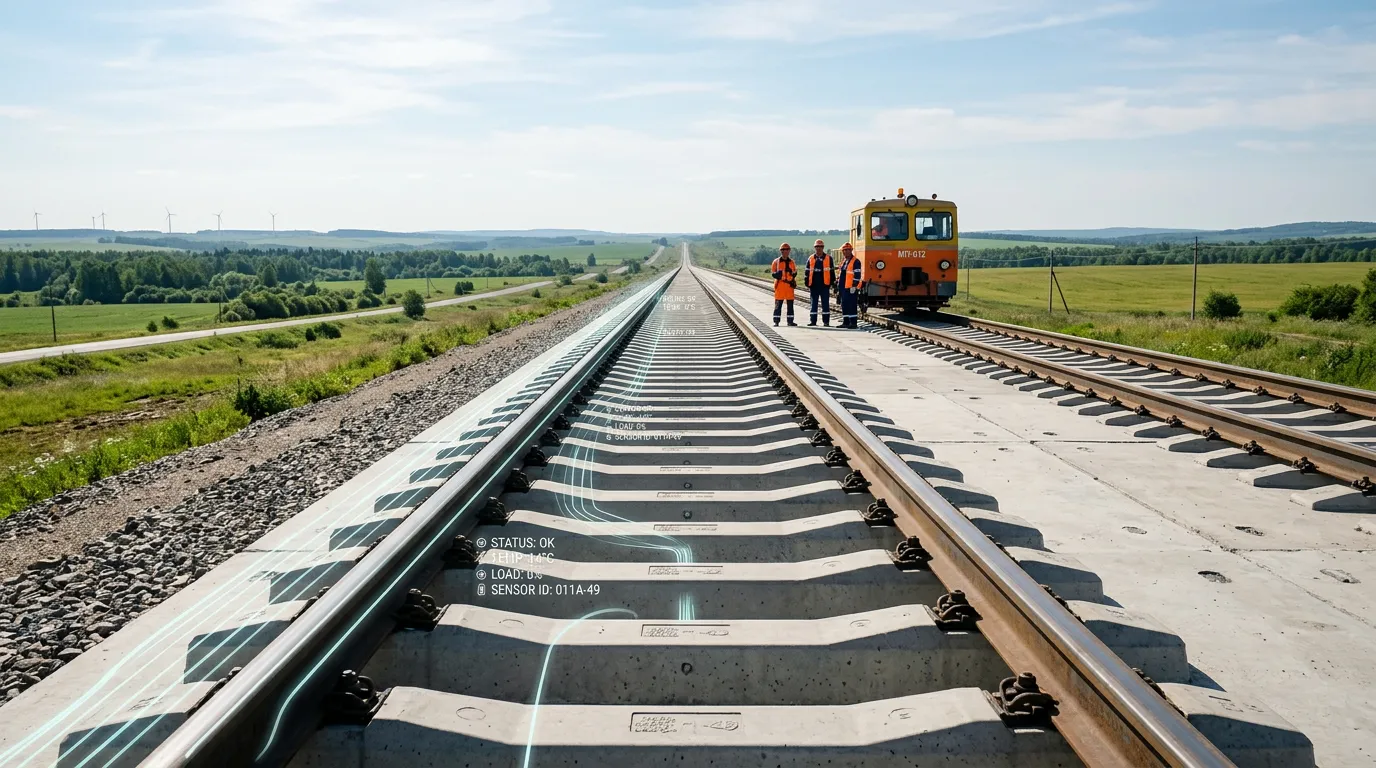
The plant has introduced digital quality control and elements of the industrial Internet of Things. The slabs themselves are designed as “smart” structures capable of transmitting data on track condition and operation for 50 years.
Potential and Demand
Within Russia, the technology has significant potential because expanding the high-speed rail network is one of the priorities for developing the national rail system. Building a manufacturing operation specifically for a high-speed rail project makes it possible to establish a domestic supply chain spanning materials and equipment to digital monitoring systems. Over time, similar robotic production facilities could be used for other major infrastructure projects.
Export prospects have not yet been fully defined, but the main potential lies less in supplying the slabs themselves than in transferring the technologies used to manufacture them. Potential markets could include CIS countries and other nations that use the 1,520 mm track gauge.
From Strategy to Plant
The creation of an automated line for manufacturing reinforced-concrete track slabs is a logical step in the development of Russia's transportation industry. Over five years, the industry has moved from developing digitalization strategies to launching specialized robotic production facilities. The strategy includes the development of autonomous transportation, digital twins of infrastructure assets, intelligent transportation systems, robotics and artificial intelligence technologies.
In 2024, Russian industrial enterprises accelerated the deployment of robotic systems in mechanical engineering and metallurgy for welding, assembly and inspection operations. These solutions laid the technological foundation for manufacturing complex infrastructure components with high precision. The Moscow – St. Petersburg high-speed rail project became possible through implementation of the Transport Ministry's broader strategy and is driving modernization of the transportation corridor between Russia's two largest cities. The automated NGP 4.0 slab plant in Novgorod was built in just one year, and the structures are now undergoing testing on a dedicated 1.5-km section between the Sablino and Tosno stations in Leningrad Region. The test section is equipped with 1,500 sensors that measure hundreds of parameters, with some of the instruments installed beneath the concrete slabs. The sensors can detect even millimeter-scale deviations in the parameters of the multiton structures. Initial tests showed that all systems planned for the future high-speed line are performing at the test site exactly as the engineers had calculated.
From the First Line to a Nationwide Network
The new production facility in Novgorod demonstrates that Russia is successfully building technological capabilities in high-speed rail construction, an area where the country previously relied heavily on foreign expertise.
In the short term, the technology will be used primarily to support construction of the Moscow – St. Petersburg high-speed line and establish a domestic manufacturing base. The development of similar production facilities will depend on the expansion of high-speed rail projects in Russia and the emergence of new domestic customers. If the Moscow – St. Petersburg high-speed line demonstrates its effectiveness, the robotic plant in Novgorod Region could become the first link in a network of similar facilities across Russia.
Over the longer term, individual solutions could be exported to friendly countries, including equipment, engineering expertise and digital monitoring technologies for railway infrastructure.