The Agricultural Drone Fleet Is Growing in the Amber Land
Agricultural producers in the Kaliningrad Region have surveyed and treated more than 102,000 hectares of farmland using unmanned aerial vehicles (UAVs).
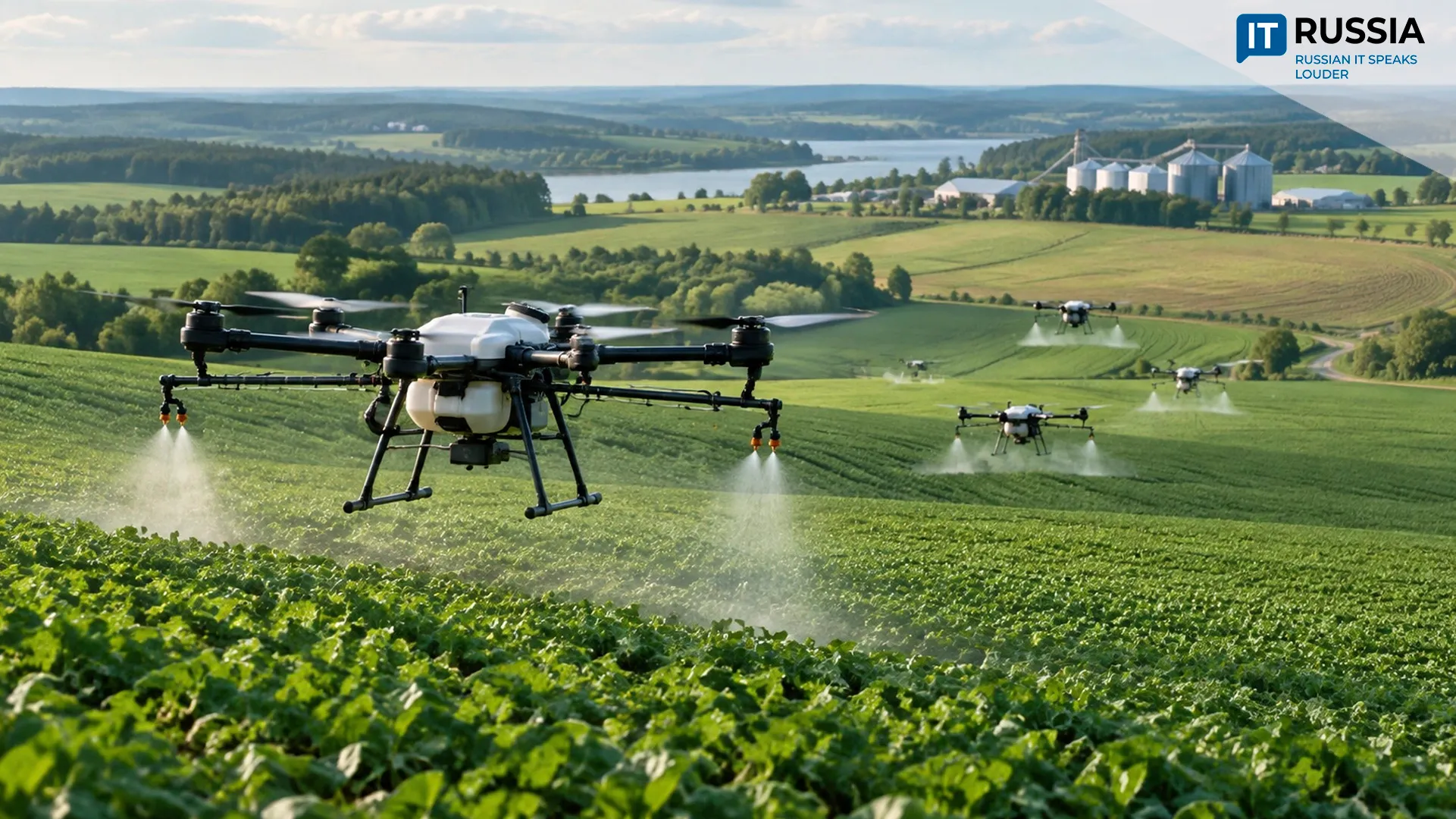
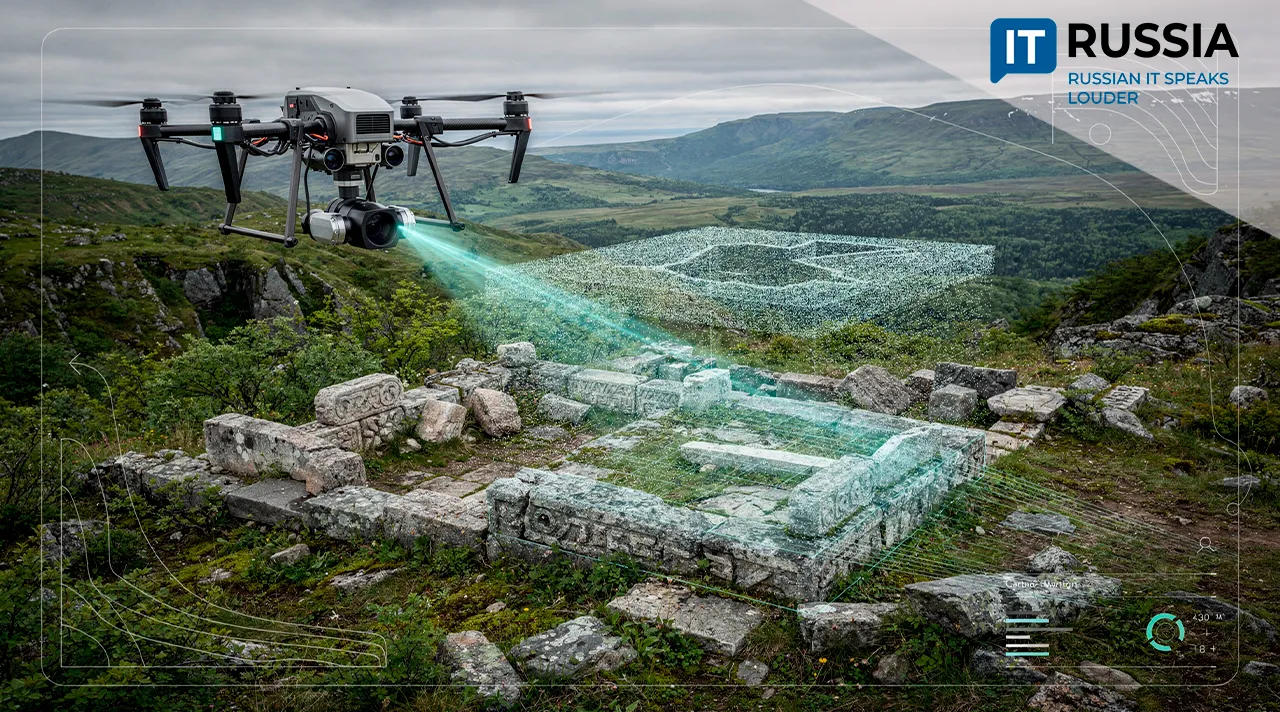
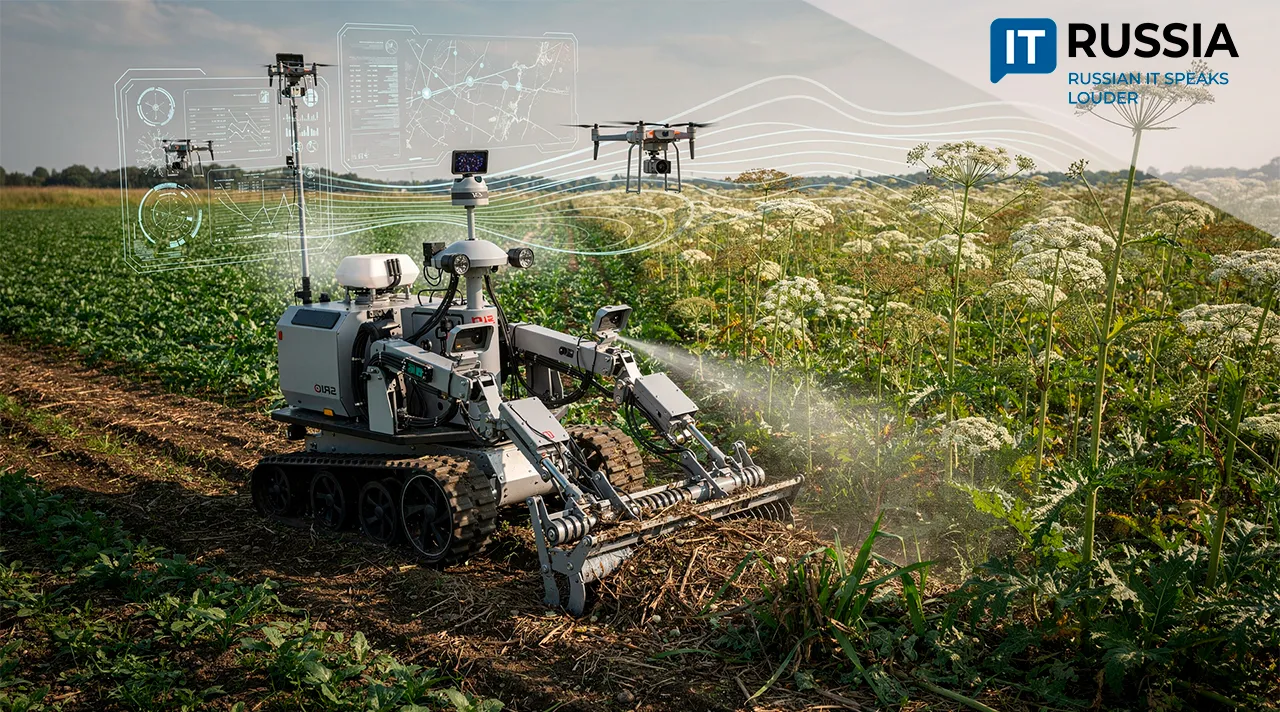
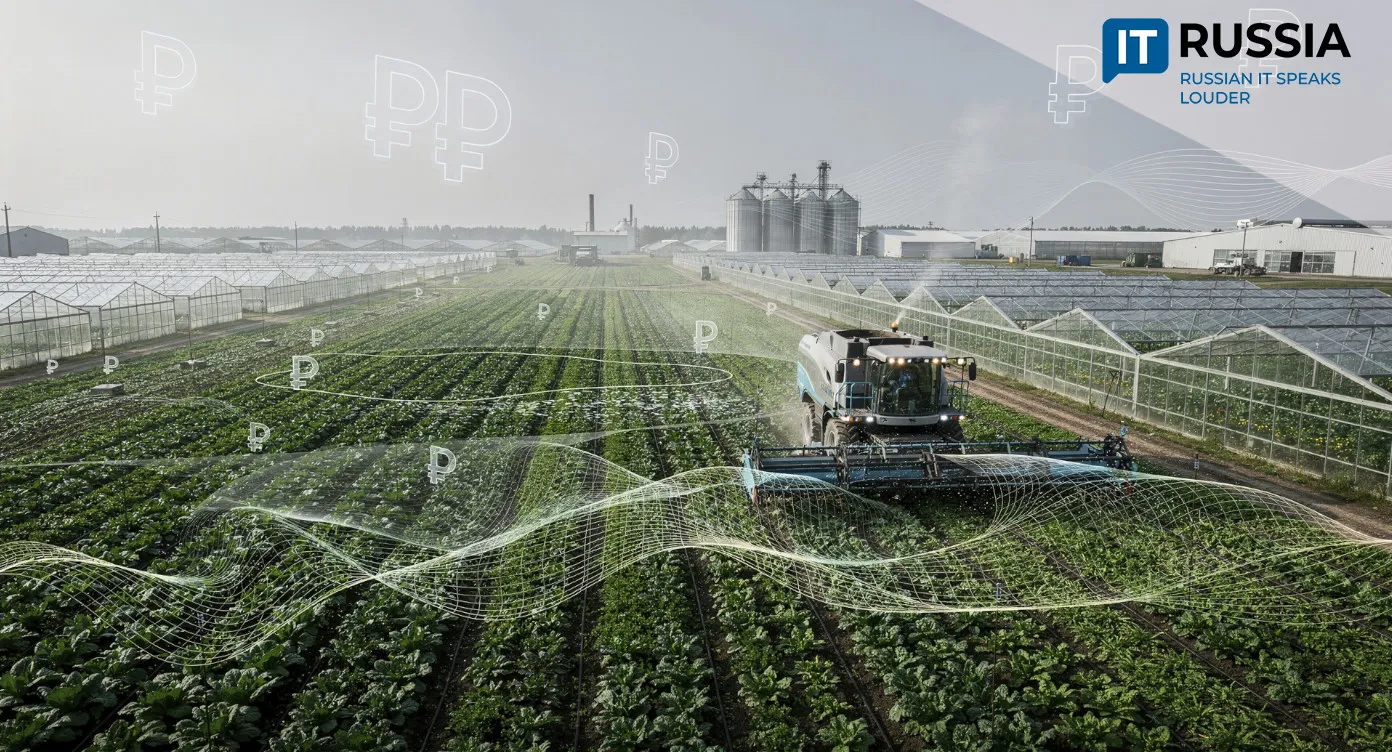
Agricultural producers in the Kaliningrad Region are increasingly using UAVs, including those made by regional companies. Agricultural drones are used primarily in areas with difficult terrain, elevation changes and irregular field boundaries. This is where conventional ground equipment faces the greatest challenges, potentially leaving large areas of farmland untreated. Unmanned aircraft systems address these problems.
A Technology Cluster for Agriculture and Industry
The Kaliningrad Region is known for its efficient agricultural sector and growing domestic UAV manufacturing industry. The region has begun developing a technology park for drone production at the Yantarny Dron Research and Production Center. It includes a shared-use facility equipped with machine tools and other equipment for manufacturing UAV parts, assemblies and components. Research and development work has begun, and a training center for UAV operators has opened.
Interest in drone manufacturing is being driven by growing demand. In summer 2026, local agricultural holding DolgovGrupp and Aeromax launched a joint pilot project to introduce agricultural drones into farming operations. The work was carried out in the Gusevsky, Nesterovsky, Chernyakhovsky, Krasnoznamensky, Ozersky and Gvardeysky municipal districts. “For us, taking part in the project is an opportunity to introduce advanced technologies into our production processes and use resources more efficiently,” said Alexander and Dmitry Dolgov, founders of DolgovGrupp.
Another major agricultural holding, Zalesye, and its Zaleskoye Moloko division have now joined the project. The company specializes in dairy and agricultural products, while its livestock are fed with feed produced in-house, making efficient field operations particularly important for its livestock producers. Aeromax Group and Novatekh used agricultural drones to spray fields and apply crop protection products on partner farms. More than 3,000 hectares were treated in total.
Protecting Crops and Saving Resources
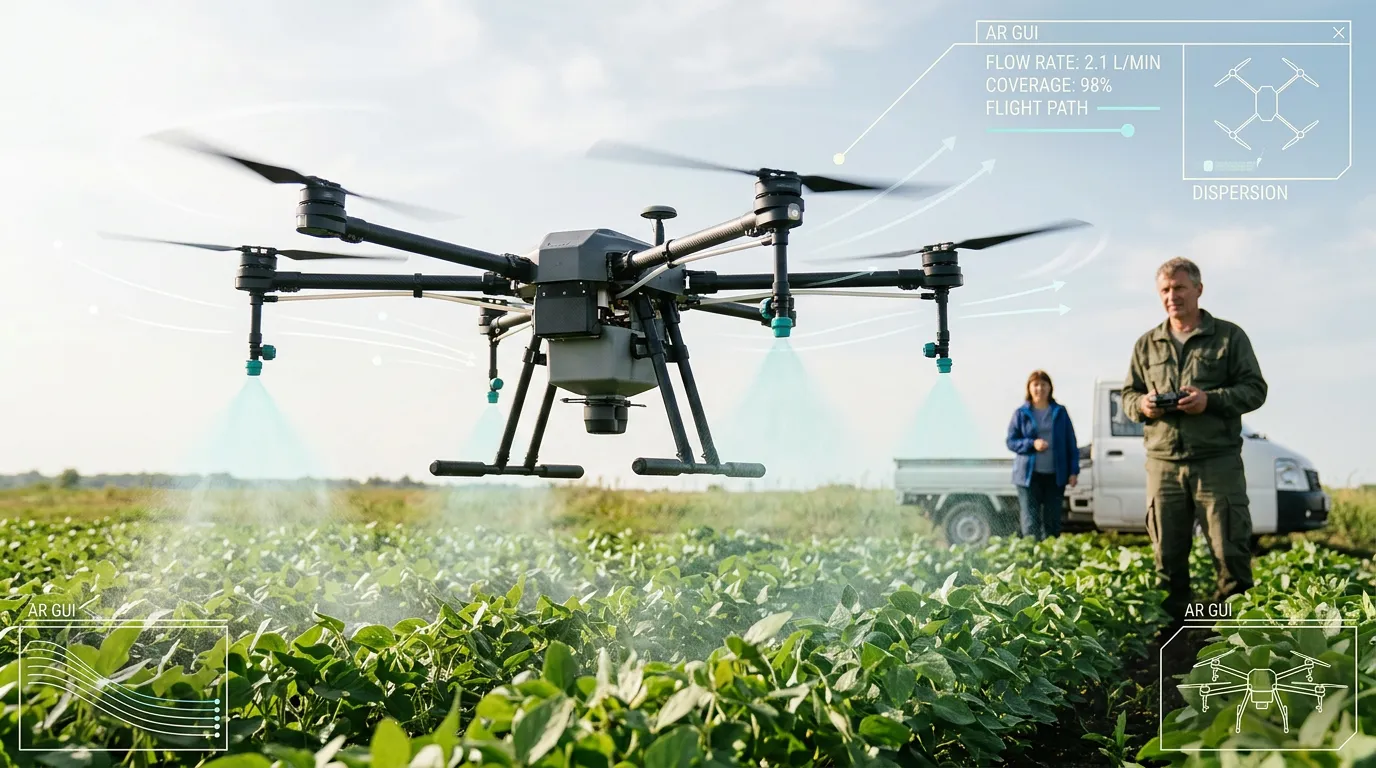
The interest in UAVs is easy to understand: farmers have seen their benefits in practice. These agricultural drones operate at altitudes of up to 5 meters, allowing crop protection products to be applied precisely while avoiding mechanical damage to tall crops that can occur when wheeled machinery is used. Targeted application helps protect yields, reduces the environmental impact on the soil and cuts the amount of agrochemicals required. Together, these benefits can increase farm profitability.
“We closely monitor technologies that improve production efficiency. Agricultural drones allow us to get the job done faster, more accurately and with less impact on crops,” said Roman Uyutov, head of the crop production division at the Zalesye agricultural holding.
Crop producers in the Kaliningrad Region have already begun using unmanned aircraft systems systematically on their farms, and the experimental flight stage has been completed. Agricultural drones have been used across more than 102,000 hectares, while the region has 250,000 hectares of planted acreage in total, meaning aerial operations are now being carried out on almost half of the region’s fields. DolgovGrupp surveyed about 65,000 hectares of crops using UAVs and treated another 10,000 hectares.
“The market has taken shape, and demand for systematic use of the technology is growing. This has allowed the region to meet the Russian Agriculture Ministry’s planned targets for the use of unmanned aircraft system technologies in the agricultural sector,” said Artem Ivanov, minister of agriculture of the Kaliningrad Region.
Part of Agriculture’s Digital Transformation
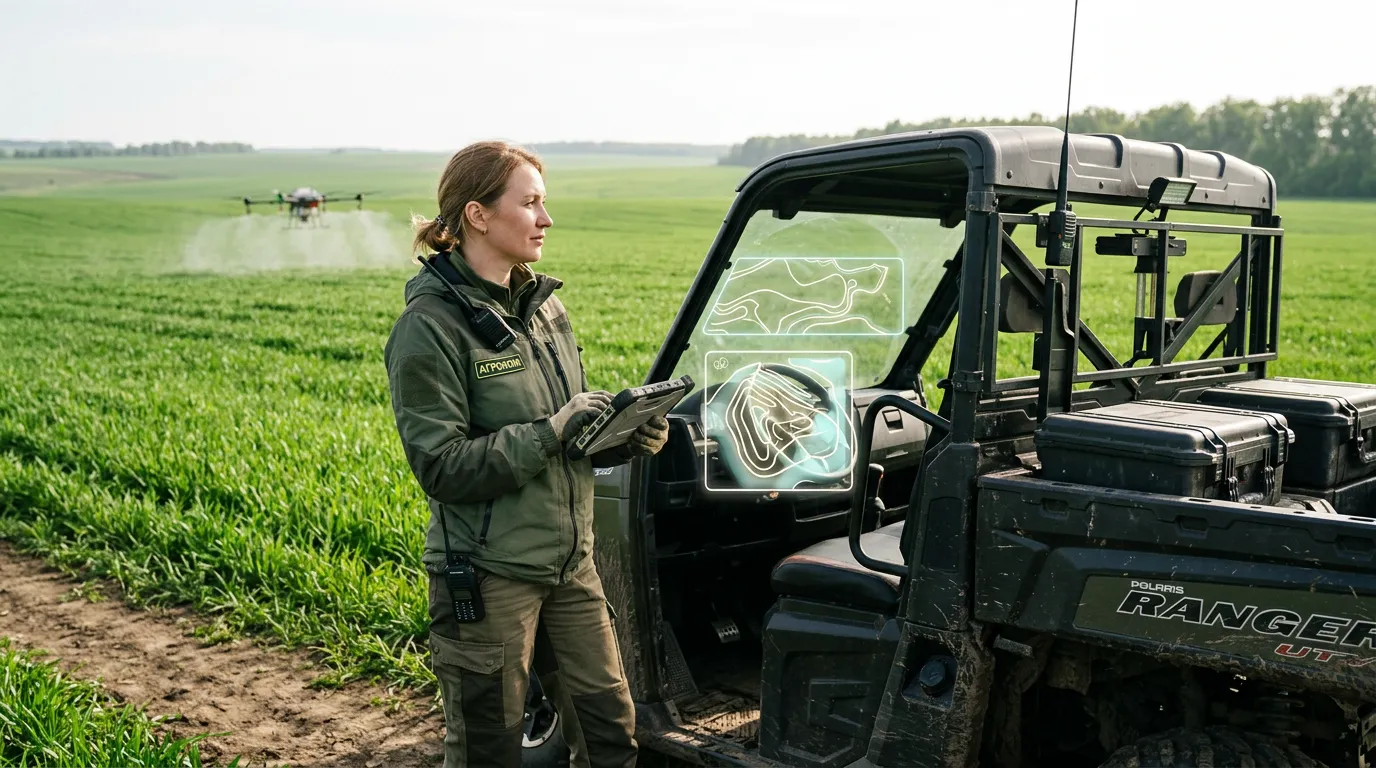
Unmanned aircraft systems have effectively become part of the emerging model of smart crop production in Russian agriculture. To operate successfully, agricultural drones require software, navigation systems, hardware platforms and neural networks for processing data from sensors. As a result, the Russian IT market has gained a segment that will require ongoing hardware and software upgrades.
At the same time, UAV manufacturers are beginning to establish specialized companies that offer farmers services for specific field operations. For smaller farms, this can be much more cost-effective than purchasing their own equipment and employing specialized personnel.
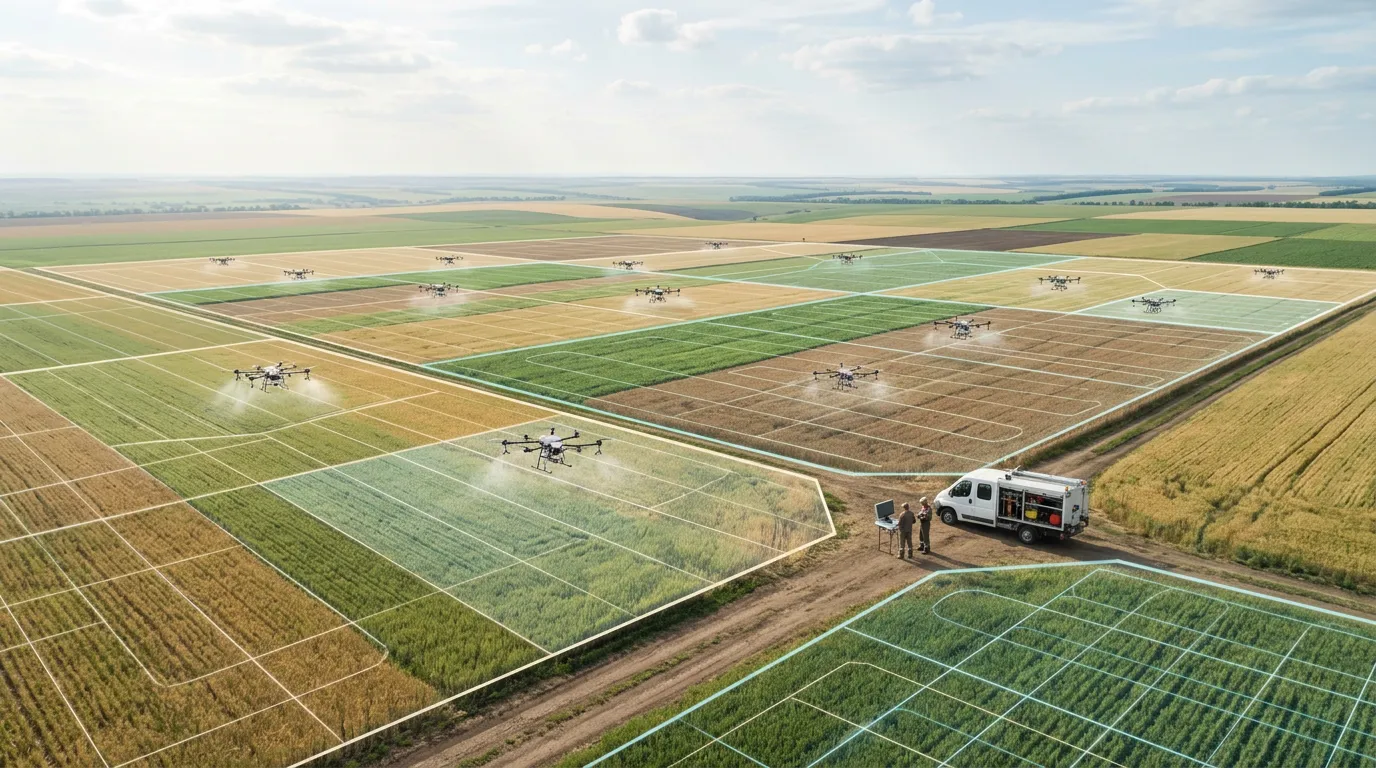
An important advantage of Russian agricultural drones is their use of open-source software. This makes it easier to replicate and adapt unmanned systems for new tasks and upgrade them to account for changing climate conditions. Russian UAV platforms could therefore become a promising export product. They are expected to find demand across the CIS as well as in developing countries in Asia, Africa and Latin America. Farmers today need affordable, quickly adaptable drones with open-source software.