Tractor Takes Voice Commands
An autonomous mini-tractor has gained a voice assistant powered by a homegrown generative neural network.
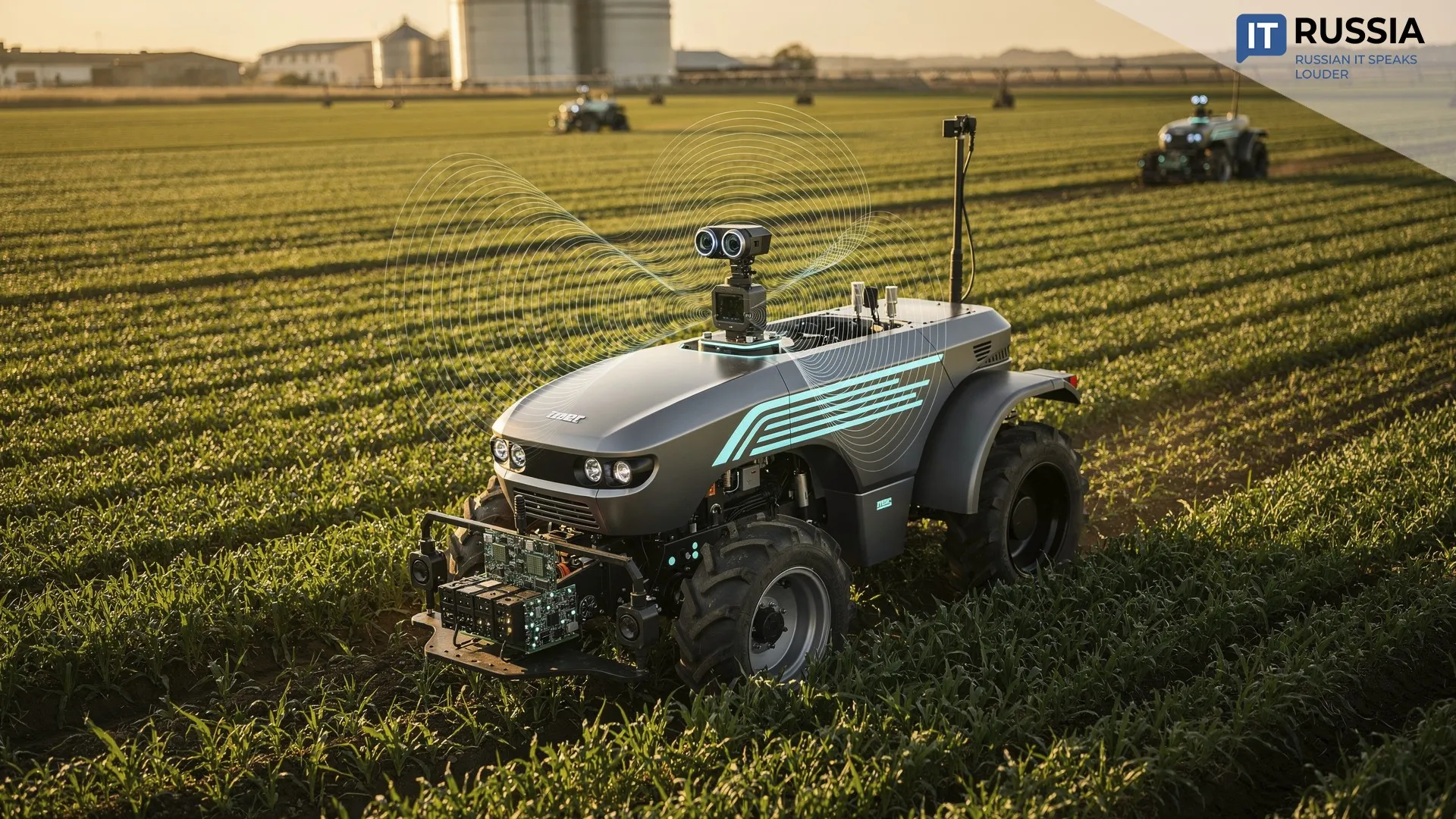
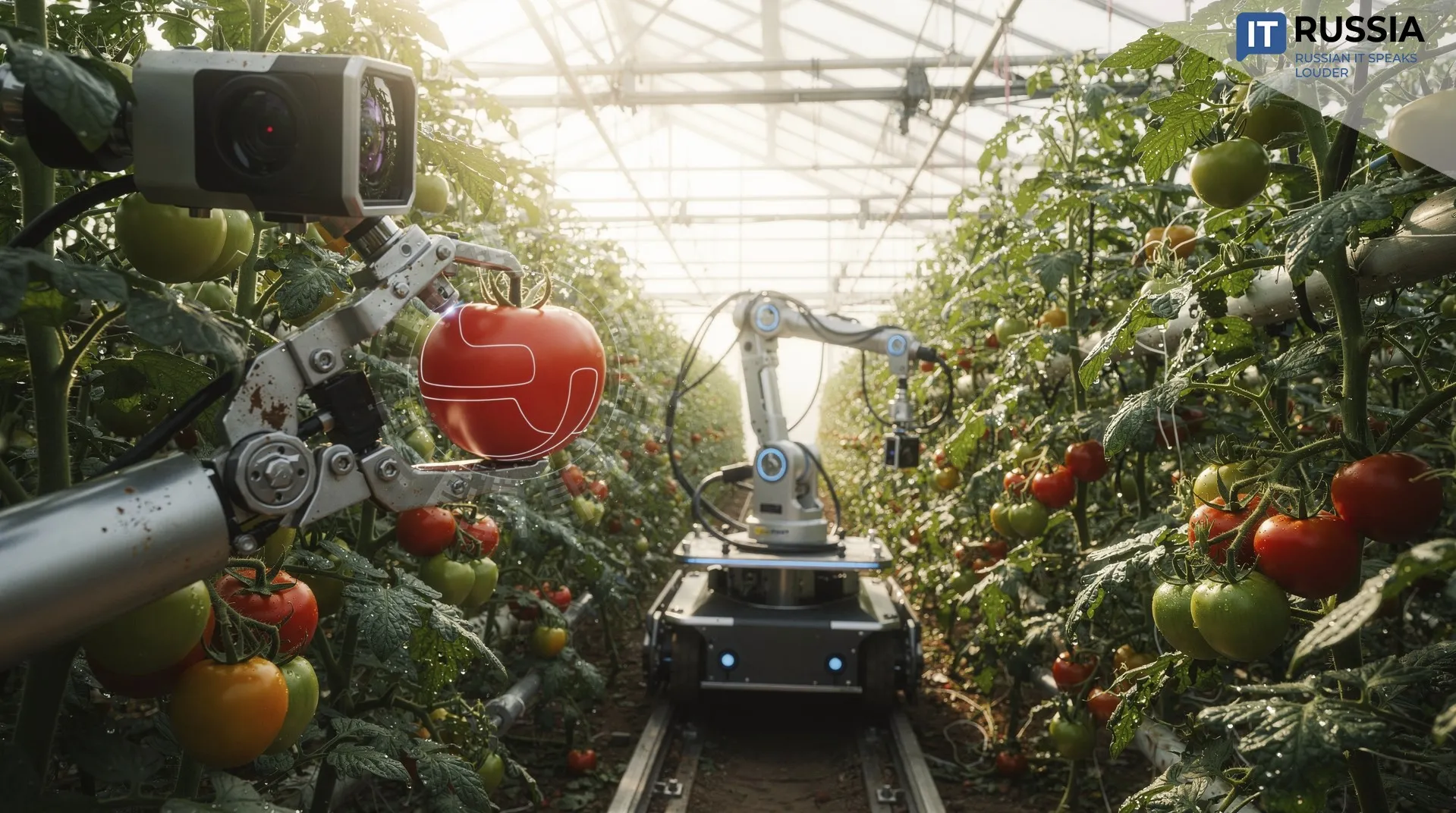
Cognitive Pilot has introduced Cognitive Voice Assistant, a voice-based AI assistant for controlling an autonomous mini-tractor. The solution is built on the Ippolit generative neural network and runs in the company’s isolated cloud environment, without relying on external foreign services. The assistant analyzes operator requests in real time, connects to the tractor’s internal systems – including telemetry, navigation and diagnostics – and generates responses based on the machine’s actual operating status.
The key technological feature is the shift from a conventional interface accessed through a tablet or computer to natural voice interaction. The assistant can do more than answer questions: it can issue individual commands, monitor operating parameters and explain its actions to the user. This turns autonomous equipment from a standalone machine that follows predefined algorithms into an interactive digital assistant.
The new product is important for the industry as an example of how domestic generative models can be developed and integrated with physical systems, including robotic vehicles and industrial equipment. For the public, the technology could improve agricultural efficiency and help address labor shortages in the farming sector. For the economy, it could accelerate the digitalization of agriculture, utilities, logistics and other industries that rely on specialized autonomous vehicles.
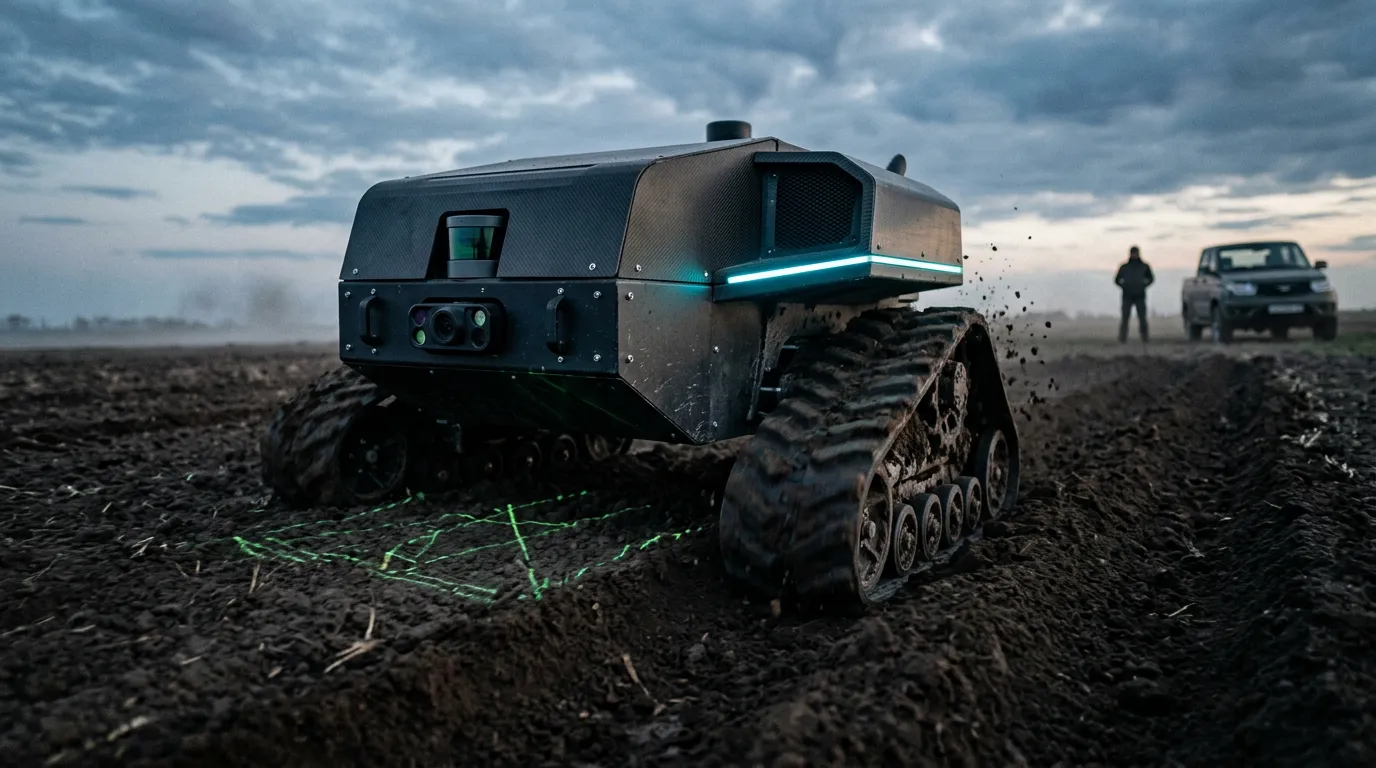
From Field to Industrial Site
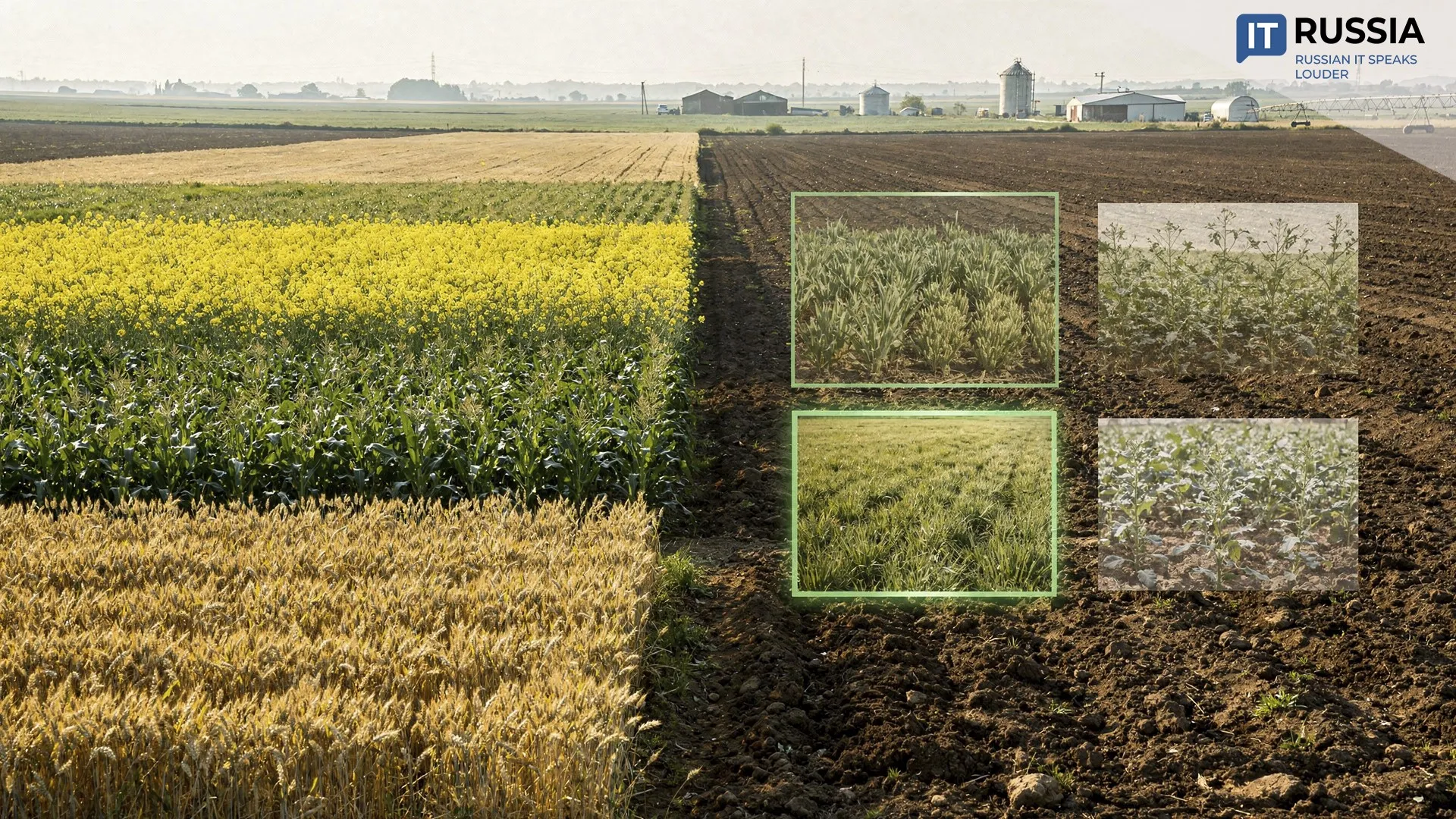
The technology has promising applications in Russia’s agricultural sector. Autonomous tractors and combines are already being used as part of the digital transformation of farming, while voice interfaces could reduce operator training requirements and make complex equipment easier to use.
Beyond agriculture, the technology could be adapted for other industries. The developers point to potential applications in utilities, industrial facilities, airports and transportation infrastructure – anywhere voice control could be used to monitor equipment, obtain analytics and perform routine operations without constantly switching to digital interfaces.
There is also export potential, as the market for autonomous equipment and AgTech continues to expand worldwide. Cognitive Pilot has previously promoted autonomous agricultural machinery solutions on international markets and has appeared in global rankings of developers of automated driving systems.
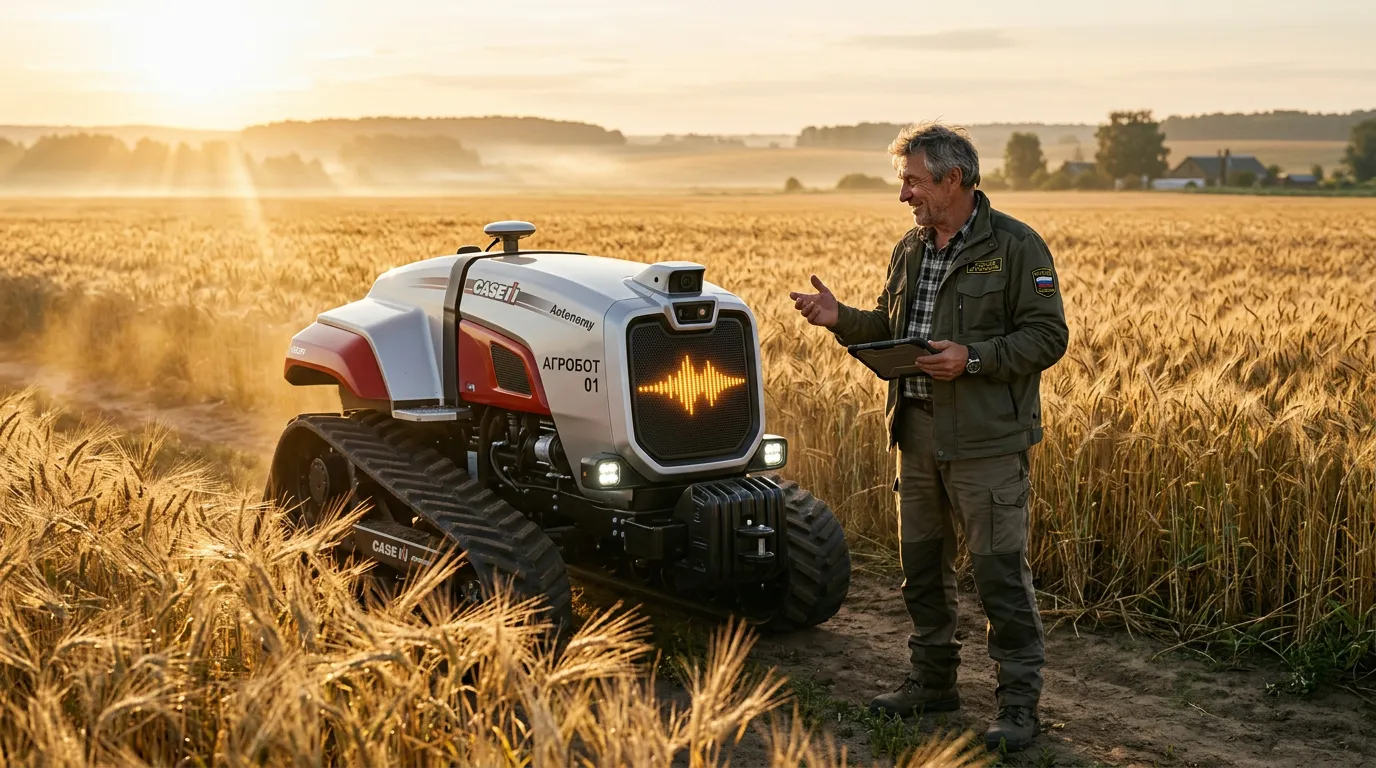
Five Years of Evolution
Russia’s autonomous agricultural technology has developed through several stages. In 2022, the Cognitive Agro Pilot artificial intelligence system began being deployed more widely on Russian farms, equipping production tractors and combines with autonomous control based on computer vision and neural networks. By 2023, the industry was gradually moving from individual automation functions to integrated machinery-control systems. Autonomous combines and tractors learned to plan their own routes, monitor operations and reduce reliance on human input.
In 2024, the main trend was the integration of autonomous machines with digital management platforms, where AI was used not only to control equipment movement but also to make decisions based on data about fields, equipment condition and production tasks. In 2025, Russian industry and agriculture began shifting from experimental uses of generative AI toward specialized intelligent assistants.
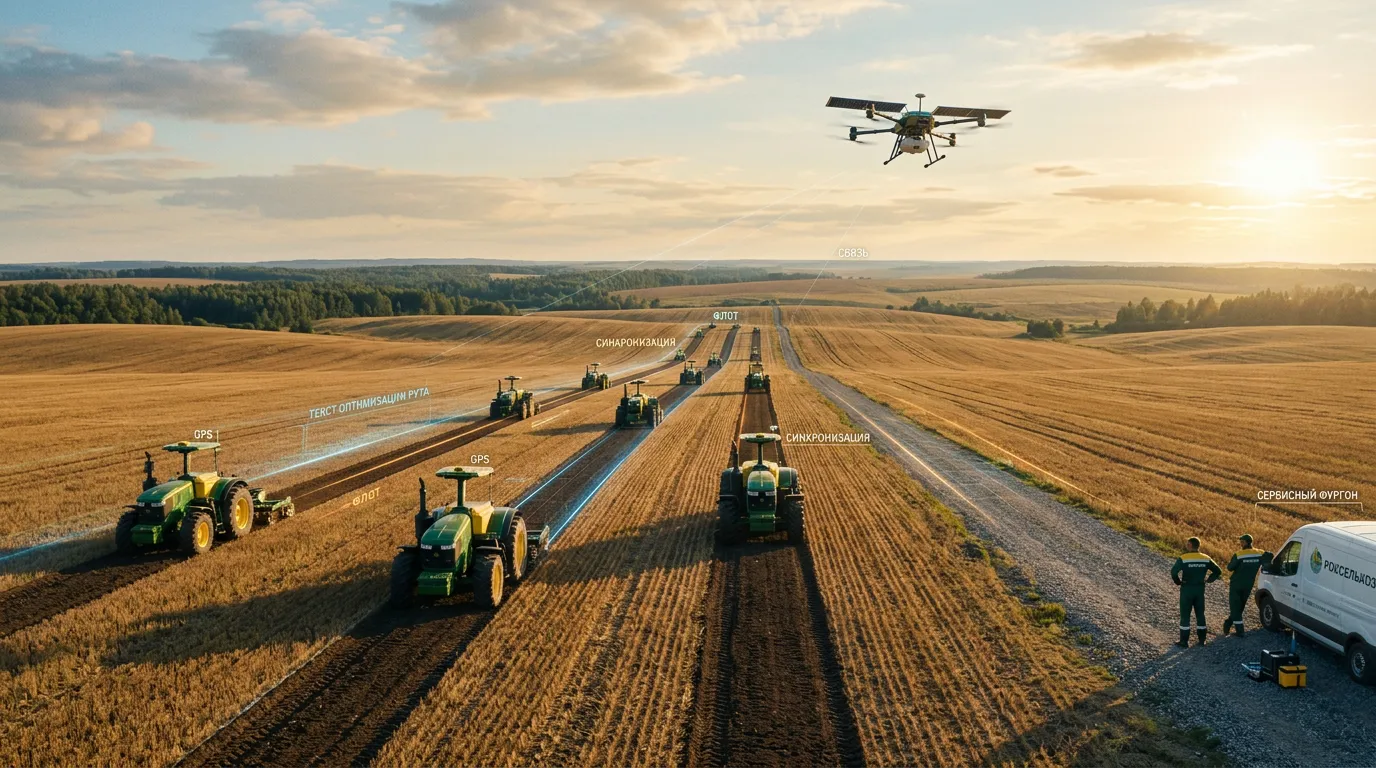
AI at the Controls
The creation of a voice assistant for a robotic tractor illustrates how Russian AI is moving from software services to controlling physical systems. While AI was previously used mainly for data analysis and office-process automation, newer technologies allow neural networks to go beyond controlling equipment movement and serve as interfaces for autonomous machines.
In the coming years, similar technologies are expected to expand across industry, agriculture and transportation. Voice assistants could become a standard way for people to interact with robotic equipment, particularly where operators need quick access to information about equipment status or need to issue commands without navigating complex interfaces.