Voice Over Keyboard: AI Service LazyDoc Fills Medical Records in Two Minutes
In July 2026, the Russian AI service LazyDoc was added to Russia’s Unified Register of Russian Software. The system recognizes a physician’s speech, extracts clinically relevant information from the conversation, and automatically fills out the medical record.
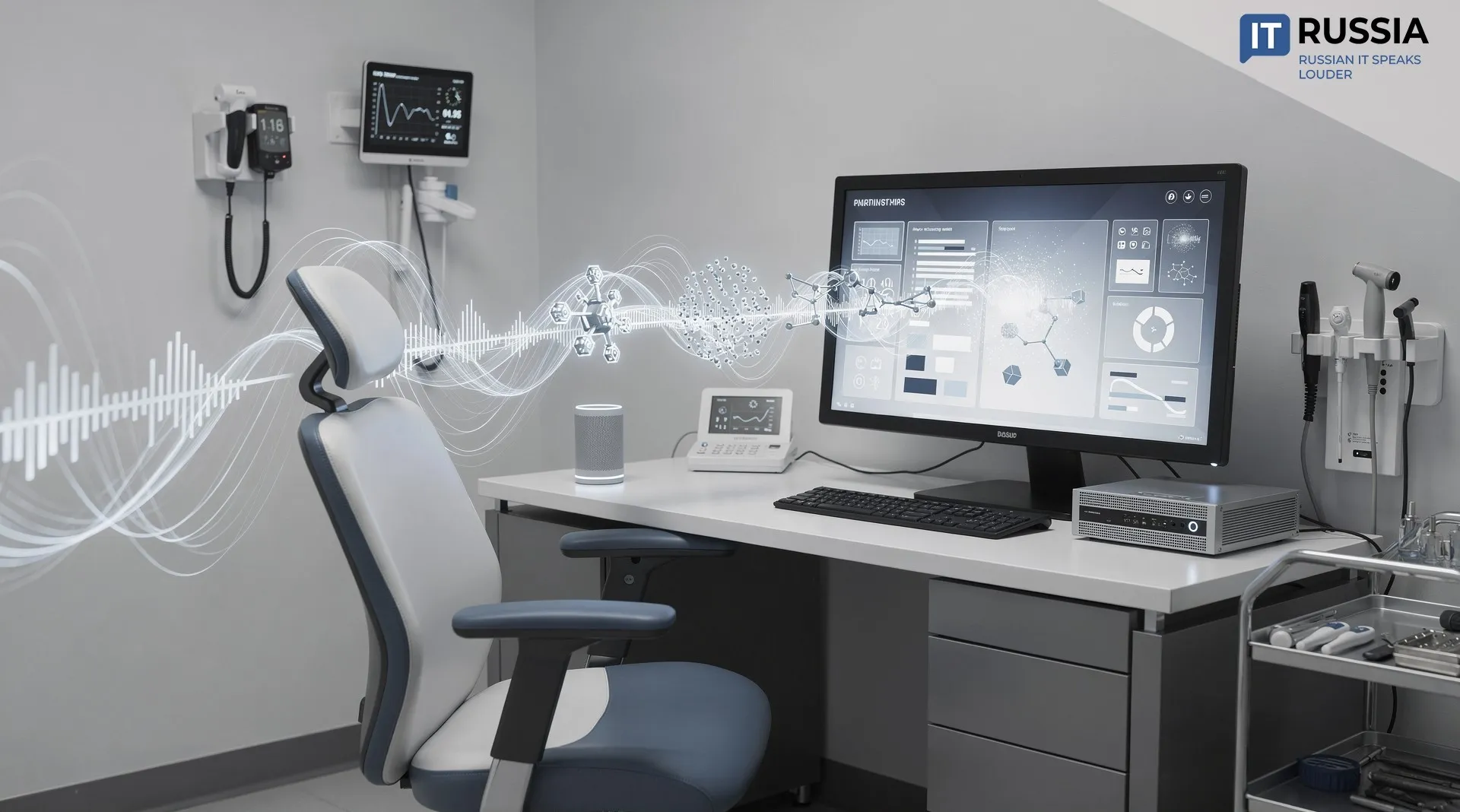
Medical documentation remains a mandatory part of a physician’s work. During every patient visit, the doctor must record the patient’s complaints, medical history, diagnosis, prescriptions, and recommendations, enter the information into a medical information system, and review the completed document. In practice, that means physicians have to ask questions, listen to patients’ answers, and work with an electronic medical record at the same time. The more information they need to enter into electronic forms, the more their attention is drawn to the screen. That is not always convenient for either the physician or the patient, who may feel that the doctor is not listening.
The LazyDoc software suite, developed by Lenivyy Doktor LLC, addresses this challenge through voice input and artificial intelligence. In July 2026, it was added to Russia’s Unified Register of Russian Software. The product also received a state registration certificate for a computer program.
Hears and Records
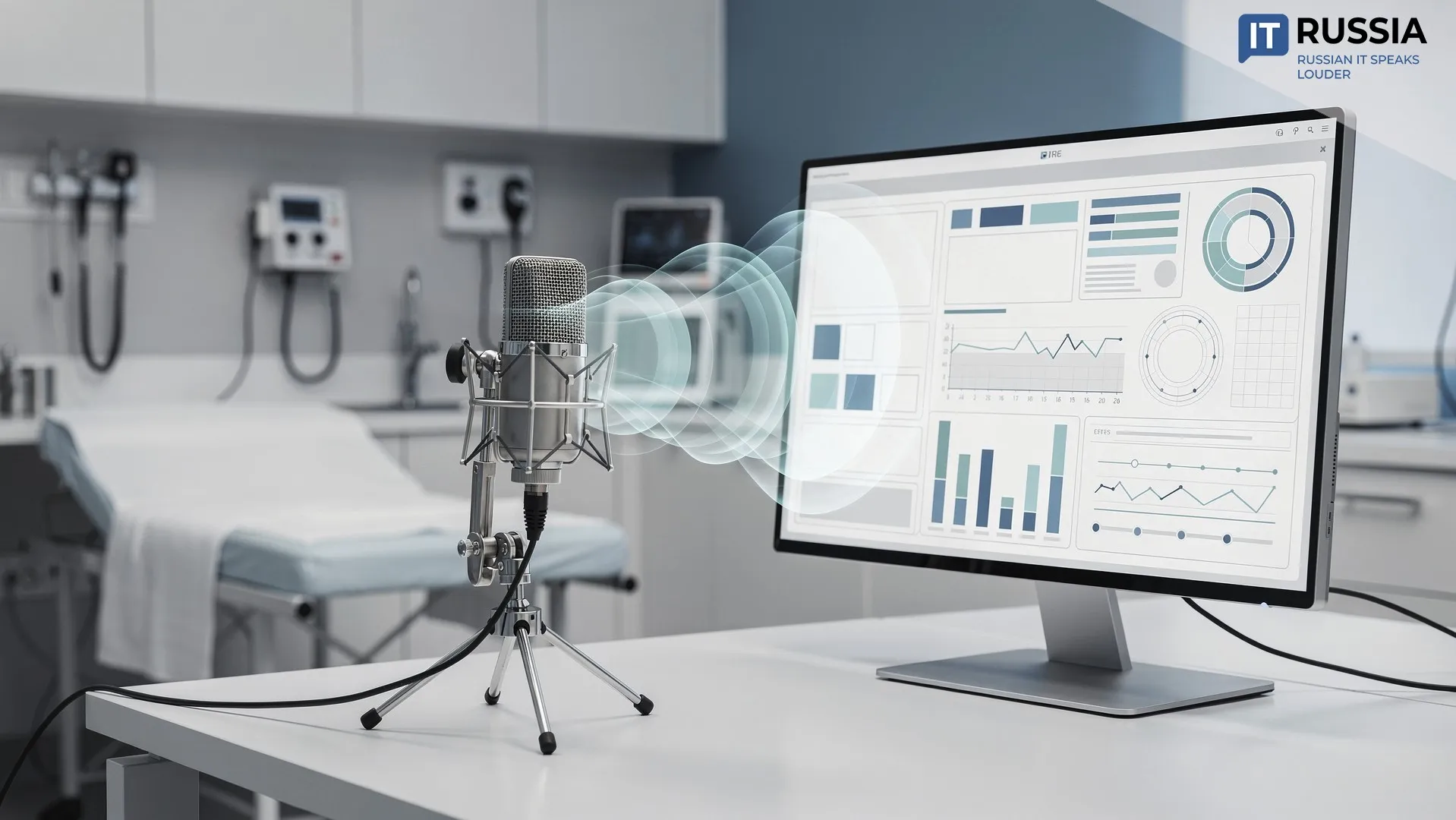
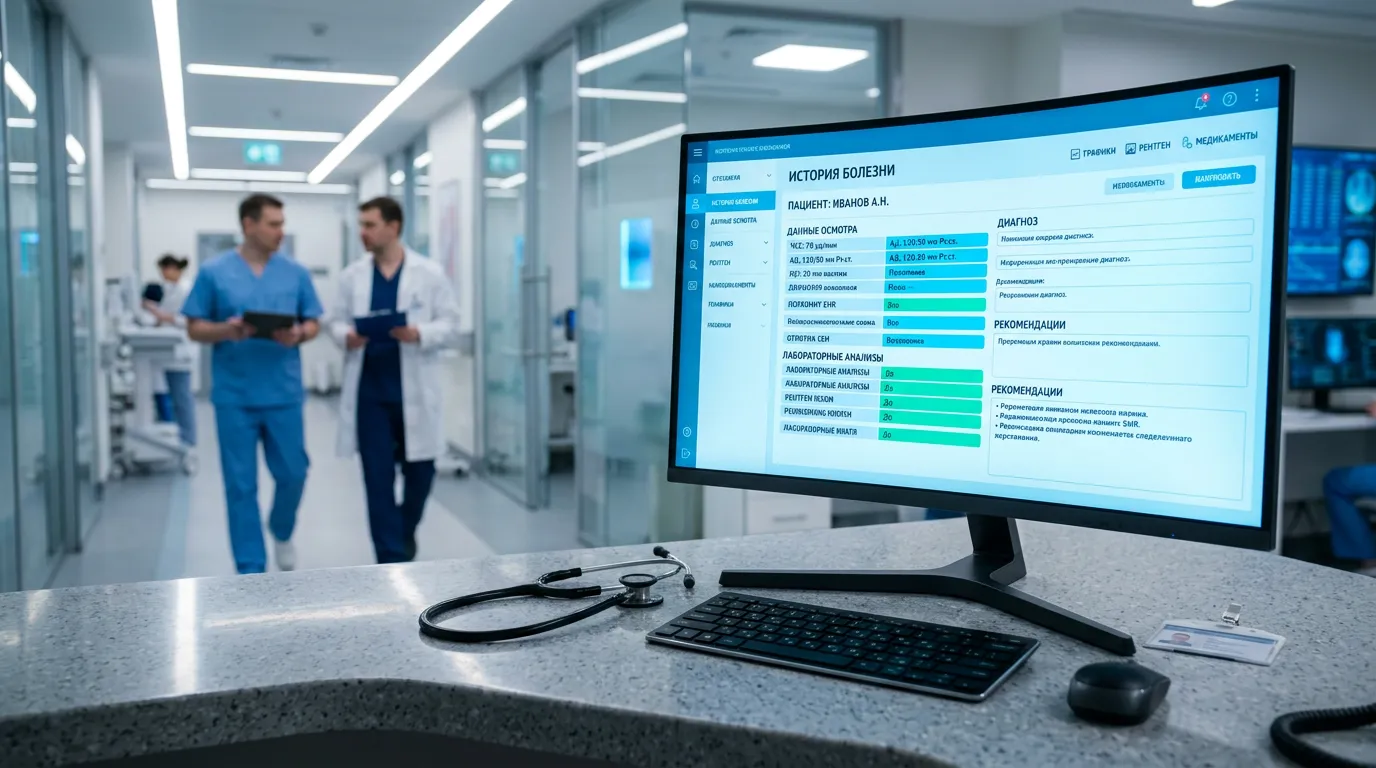
The service uses voice input. It recognizes the physician’s speech during the visit, extracts clinically relevant data, and automatically fills out the electronic medical record in the medical information system. According to the developer, the service cuts documentation time by 80–90%, reducing it to as little as two minutes.
During a visit, the physician can speak naturally while the system runs in the background, recognizing speech, analyzing its content, and generating structured medical text. The software then automatically transfers the information to the appropriate sections of the electronic record in the medical information system. If some data are missing, the service suggests options based on the patient’s medical history and highlights fields that have not been completed. The physician still remains responsible for the final review. The doctor checks the generated report, makes corrections if necessary, and signs it with an electronic signature.
Why It Matters
Maintaining medical records, electronic patient registries, sick-leave certificates, medication orders, and referrals all create a significant administrative burden for hospital and clinic staff. According to expert estimates, the average physician fills out as many as 167 types of forms and reports. This takes a substantial amount of time.
Simply replacing paper forms with electronic ones does not always solve the problem. A fully electronic document workflow requires both healthcare workers and patients to use electronic signatures. Against this backdrop, AI technologies are being viewed as a tool that can help analyze medical histories and patient records more quickly.
Where It Is Already in Use
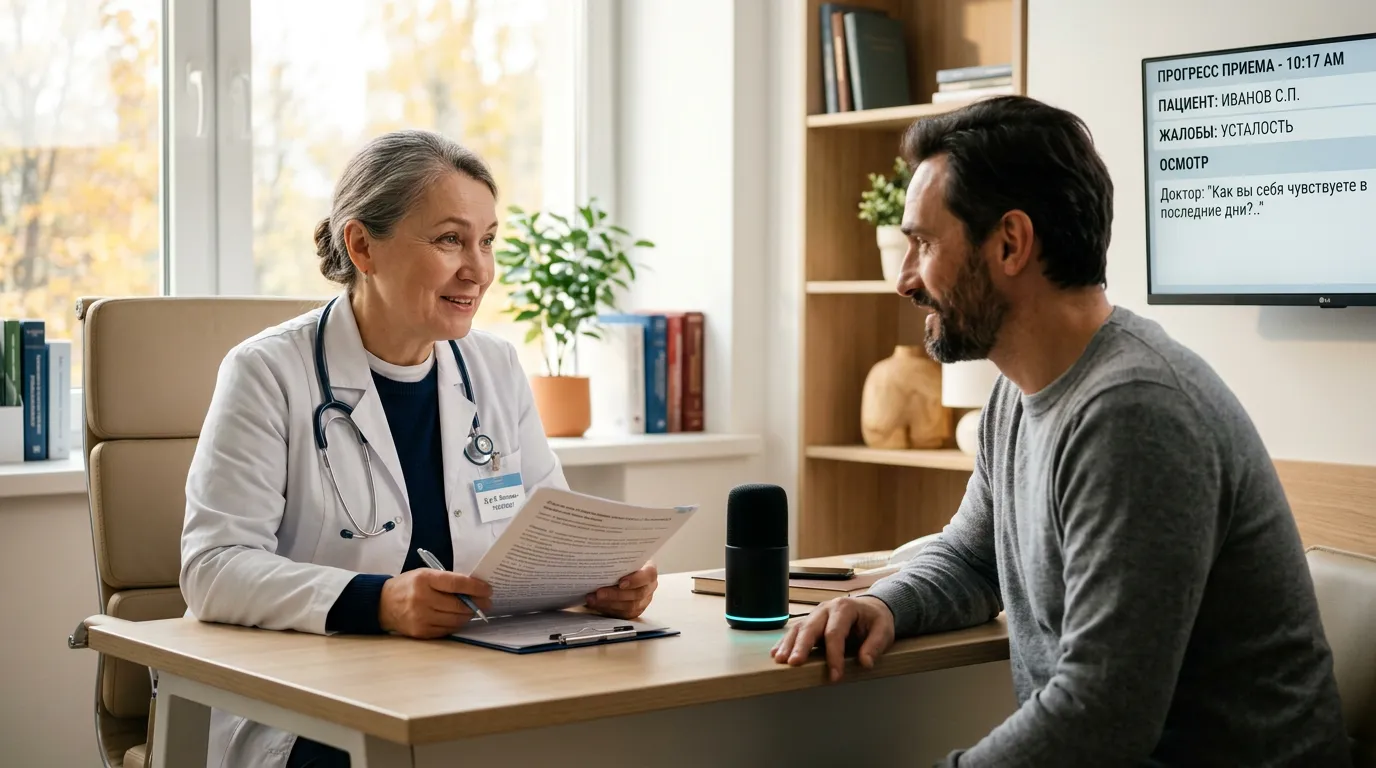
The service has been integrated into the Bud Zdorov and Polimedika clinic networks. According to the developer, the rollout has helped optimize patient visits, improve documentation, and reduce the workload on staff. At Bud Zdorov, using LazyDoc has cut the time spent manually entering information into medical records by half and freed up as much as 10 minutes of physician time for interaction with patients.
“Being added to the register is an important milestone in our development. We built the solution around the real-world needs of healthcare professionals and are using AI technologies to make documentation faster and easier to manage. The new status confirms the importance of this area for us and opens up new opportunities to scale the project,” said Alexander Shevelev, CEO of Lenivyy Doktor LLC.
AI Is Ready to Take Over the Routine
Automating medical records is only part of a broader transformation now underway in Russian healthcare. AI is already being used to analyze medical images, assess disease risks, process electronic medical record data, and interact with patients. In Moscow, for example, digital services are being developed to help physicians analyze CT scans, X-rays, mammograms, and other examinations. In the regions, solutions for speech analytics and the automation of various stages of patient care are emerging.
Documentation has become another important area. Over time, such solutions could become part of a standard digital workspace for physicians.
The Future Beyond Russia
LazyDoc could have export potential because the challenge of medical documentation is shared by physicians in different countries. The technology itself, which recognizes medical speech, extracts clinical information, and automatically generates documentation, can be used with different healthcare information systems.
For Russian developers, this creates an opportunity to export not only a standalone software product but also the experience they have accumulated in automating medical documentation.