Chelyabinsk Region Tests an Intelligent Environmental Monitoring Module
Environmental conditions in Russia's Chelyabinsk Region, home to major industrial enterprises, continue to improve. Atmospheric emissions have fallen by 100,000 metric tons compared with 2017 levels. The region is also making progress in eliminating illegal dumping sites, clearing a total of 70 hectares last year alone. Now Chelyabinsk is preparing to launch a pilot of an advanced environmental monitoring software module developed by the Competence Center at the Faculty of Chemistry of Lomonosov Moscow State University.
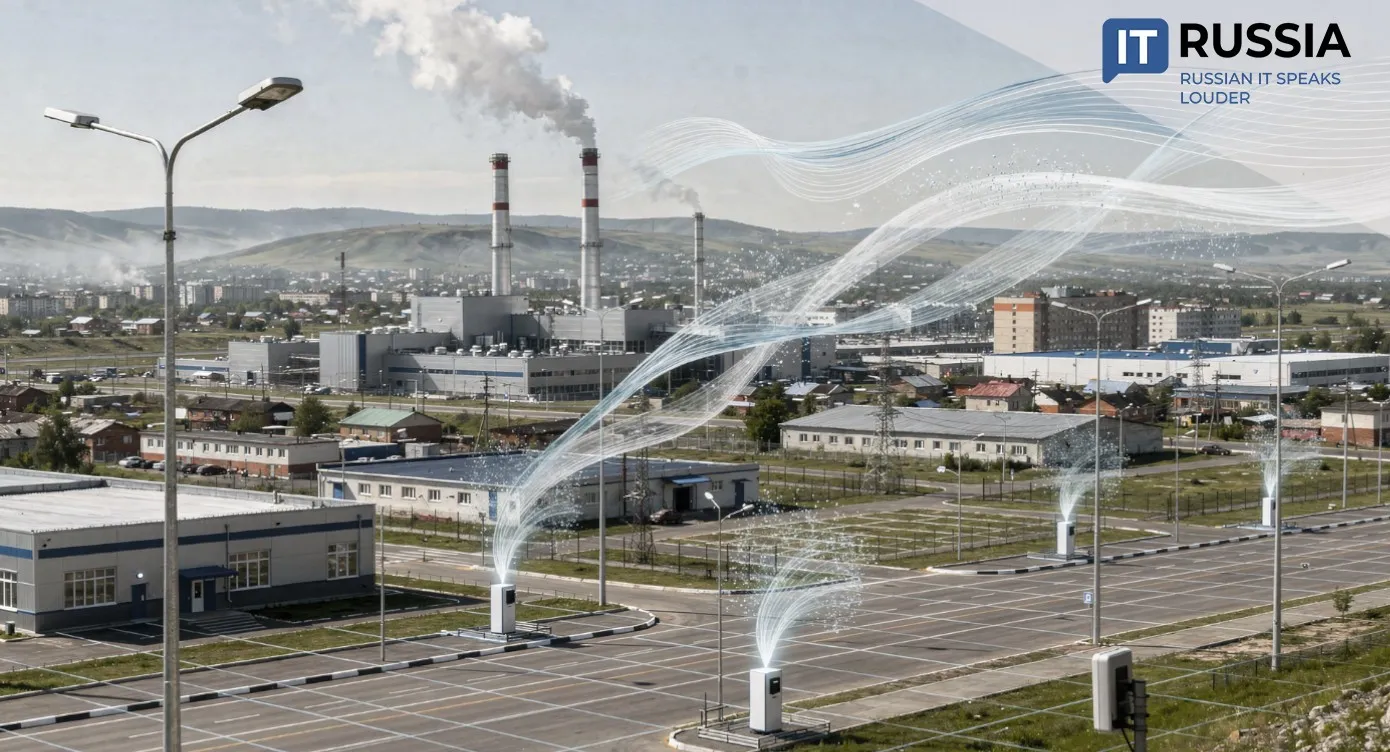
The new system will do more than detect pollution events. It is designed to forecast the movement of hazardous emissions by taking weather conditions and the metropolitan area's geography into account.
Better Every Year
According to 2025 results, industrial facilities and transportation across the region emitted 451,200 metric tons of air pollutants. Although the total remains substantial, emissions across the Southern Urals declined by 8.1% over the course of the year and have nearly been cut in half over the past decade. That progress reflects, in part, the modernization of major industrial plants.
Chelyabinsk Region ranked among the six highest-performing regions in Russia's nationwide environmental performance assessment for meeting the targets of federal environmental initiatives. Residents have also begun to notice tangible improvements in environmental quality.
"Environmental issues have always received special attention in our region. In recent years, extensive work was carried out under the national project Ecology, and that work is continuing today through the national project Ekologicheskoye Blagopoluchiye (Environmental Well-Being), along with additional regional programs. Naturally, all of these efforts are aimed first and foremost at improving our citizens' quality of life," said Igor Gilev, Minister of Ecology of the Chelyabinsk Region.
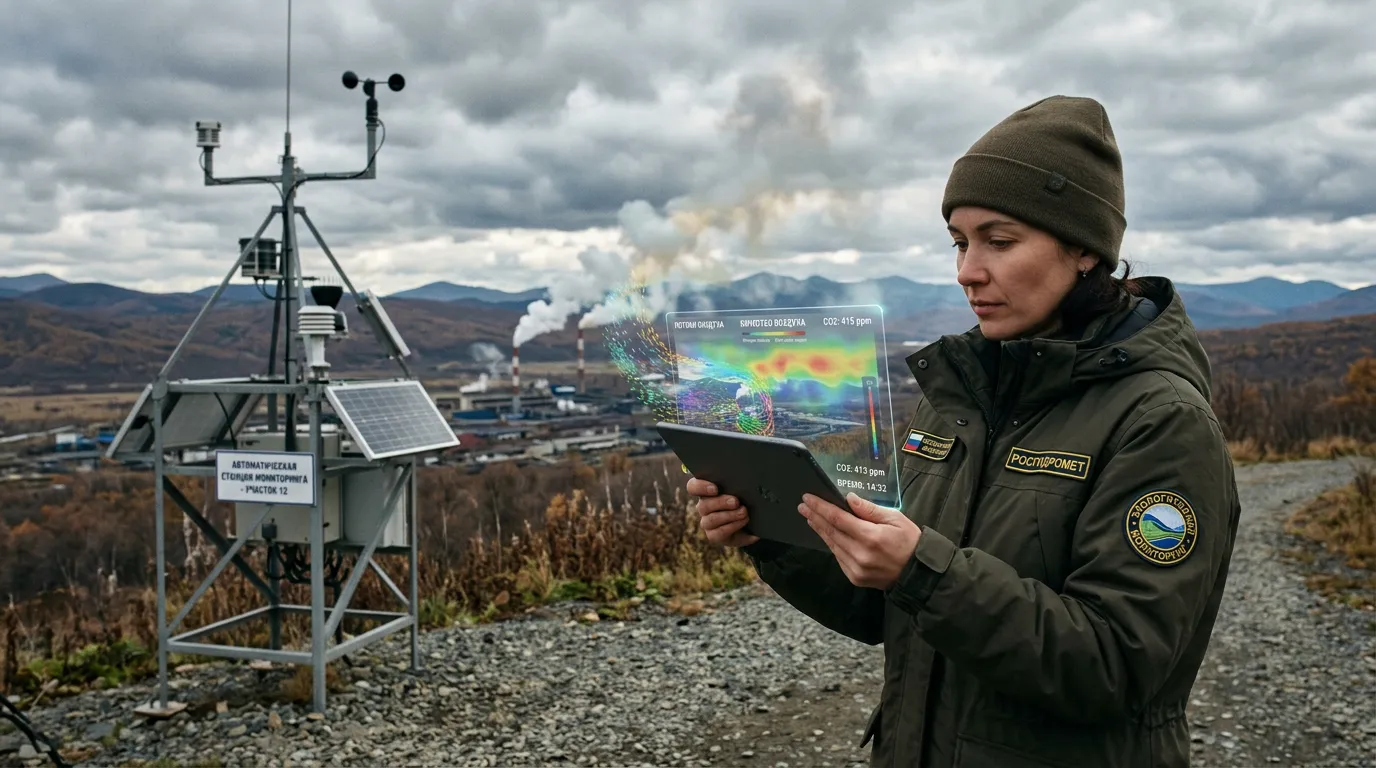
The new system will identify likely emission sources, model how pollutants spread based on wind speed, temperature, and atmospheric pressure, and display these complex processes on an interactive real-time map. Its digital intelligence will complement the stationary monitoring stations already operated by the regional environmental service. Today, that network integrates data from 38 monitoring locations at the federal, regional, and local levels, including equipment installed directly on the smokestacks of major industrial facilities.

Tracking the Path of Pollution
Chelyabinsk and Magnitogorsk have become testing grounds for some of Russia's most ambitious environmental technologies because of their exceptionally high industrial burden. The cities frequently experience adverse weather conditions, when calm winds and temperature inversions effectively trap smog over urban neighborhoods.
In 2021, researchers at the University of Tyumen introduced refined computational models designed for northern cities. Their work demonstrated that computer simulations can identify hidden environmental risks that conventional assessment methods often fail to detect.
By 2022, Russia's Ministry of Digital Development had introduced a pollution forecasting platform. At the same time, Russian developers improved algorithms for estimating methane and carbon monoxide concentrations. Meanwhile, Chelyabinsk integrated environmental sensors directly into its urban infrastructure by embedding gas analyzers into street lighting systems, effectively transforming them into distributed environmental data collection points.
In 2024, the monitoring network expanded with additional stationary observation stations, fully integrating government-operated, mobile, and industrial monitoring assets into a unified system. Last year, a similar digital platform was launched in Murmansk Region. Together, these initiatives began shaping a federal model for air quality management built on satellite data and artificial intelligence.
The key difference between the new module and existing systems lies in its shift from passive monitoring to proactive analysis. Instead of responding only after pollutant concentrations exceed established thresholds, environmental authorities will be able to anticipate developing situations. The module will not simply identify an area with elevated nitrogen dioxide concentrations. It will trace the movement of the pollution plume and determine which industrial facility contributed most significantly to its formation.
Cleaner Air Across Cities
In 2025, Russian industry and transportation emitted 21.2 million metric tons of atmospheric pollutants. That represented a reduction of 881,600 metric tons compared with the previous year. According to experts, total emissions in Russia fell to their lowest level in seven years. Air quality continues to improve.
The greatest potential of the new module lies in its integration with the Unified Information System for Atmospheric Air Quality Monitoring of the Chelyabinsk Region. Even before this latest upgrade, digitalization had reduced response times to environmental incidents sixfold while cutting the time required to identify pollution sources by a factor of 30. The new software is expected to improve those metrics further by automatically matching recorded pollutant concentrations with emissions data from individual industrial facilities and modeling how pollution plumes move across urban districts.
Similar systems are expected to appear in other industrial regions across Russia. Today, the Chisty Vozdukh (Clean Air) initiative covers 43 cities. Particularly valuable will be solutions capable of bringing together information from diverse sensor networks, satellites, and meteorological stations within a single platform. Such capabilities are expected to become an important building block in the future federal Ekomonitoring (EcoMonitoring) digital system, whose development is planned over the coming years.