Gazprom Neft and SPbGTI Launch Student Digital Modeling Lab
St. Petersburg State Technological Institute has opened a new laboratory where students develop safer industrial technologies using digital twins to model and test complex engineering systems.
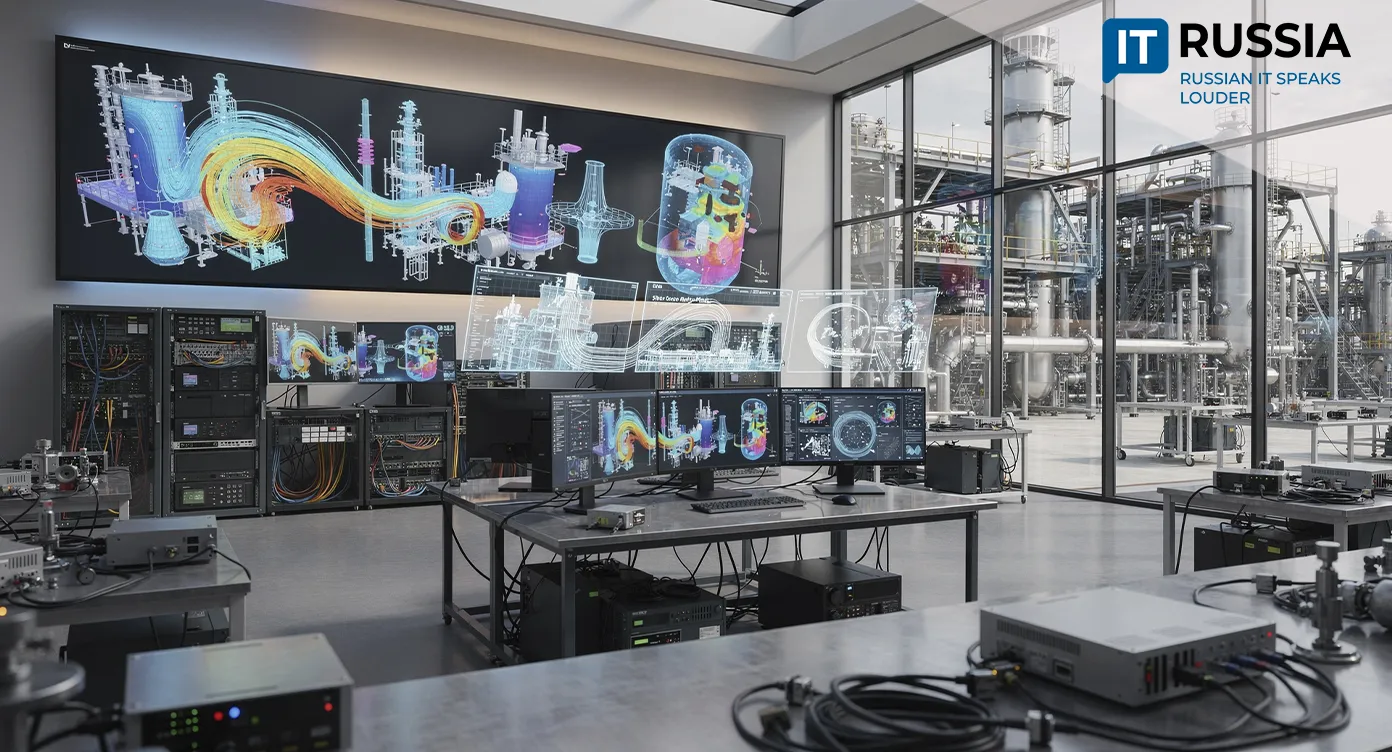
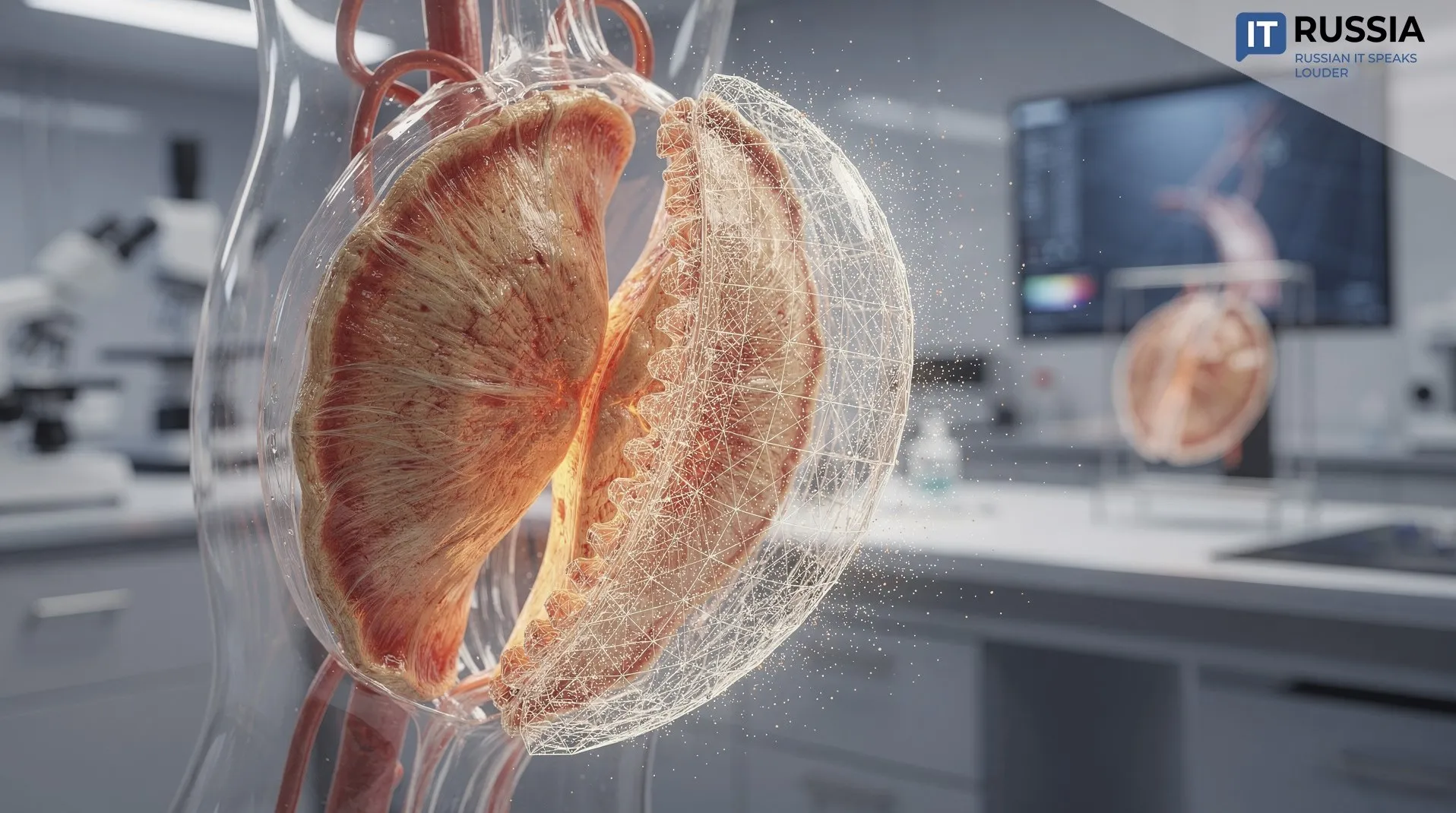
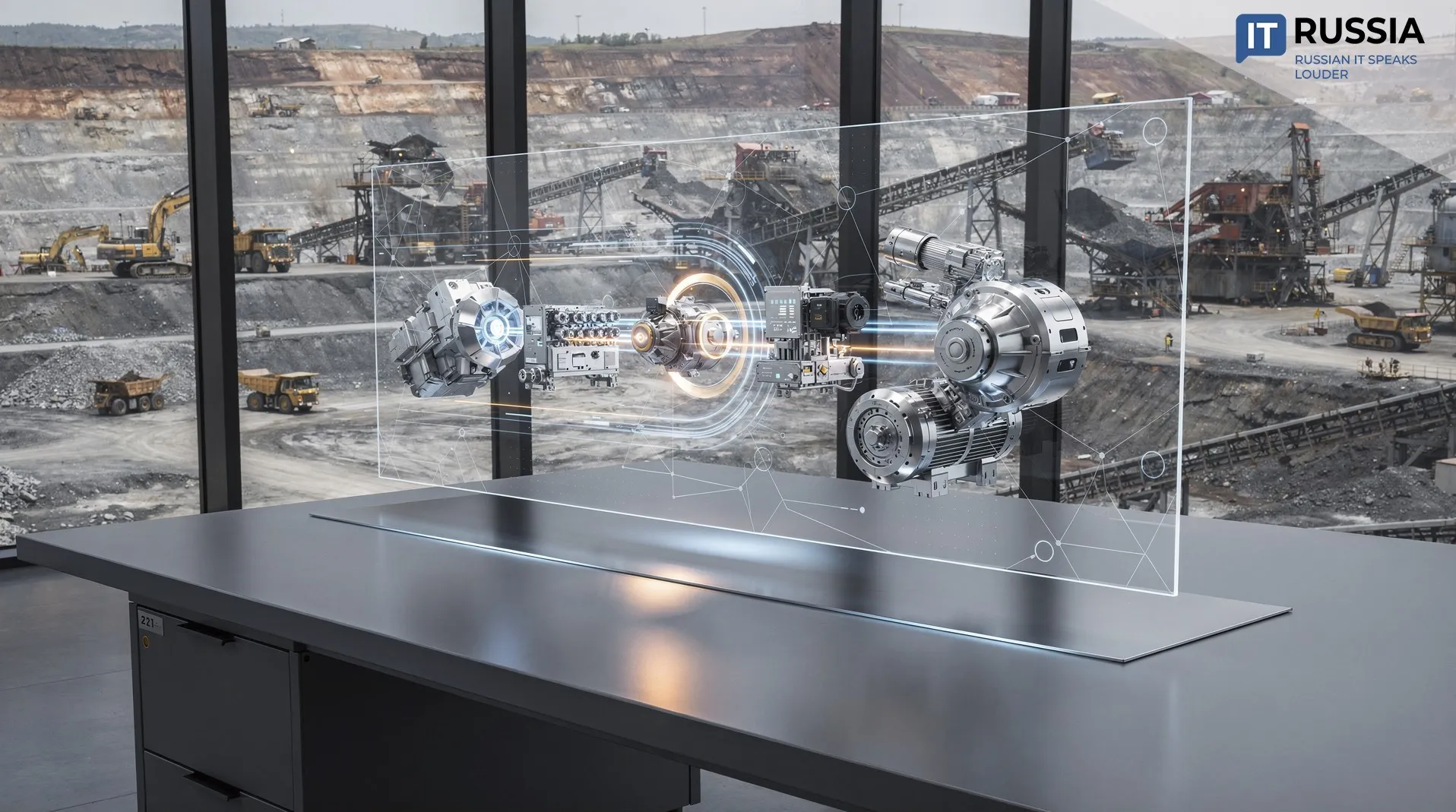
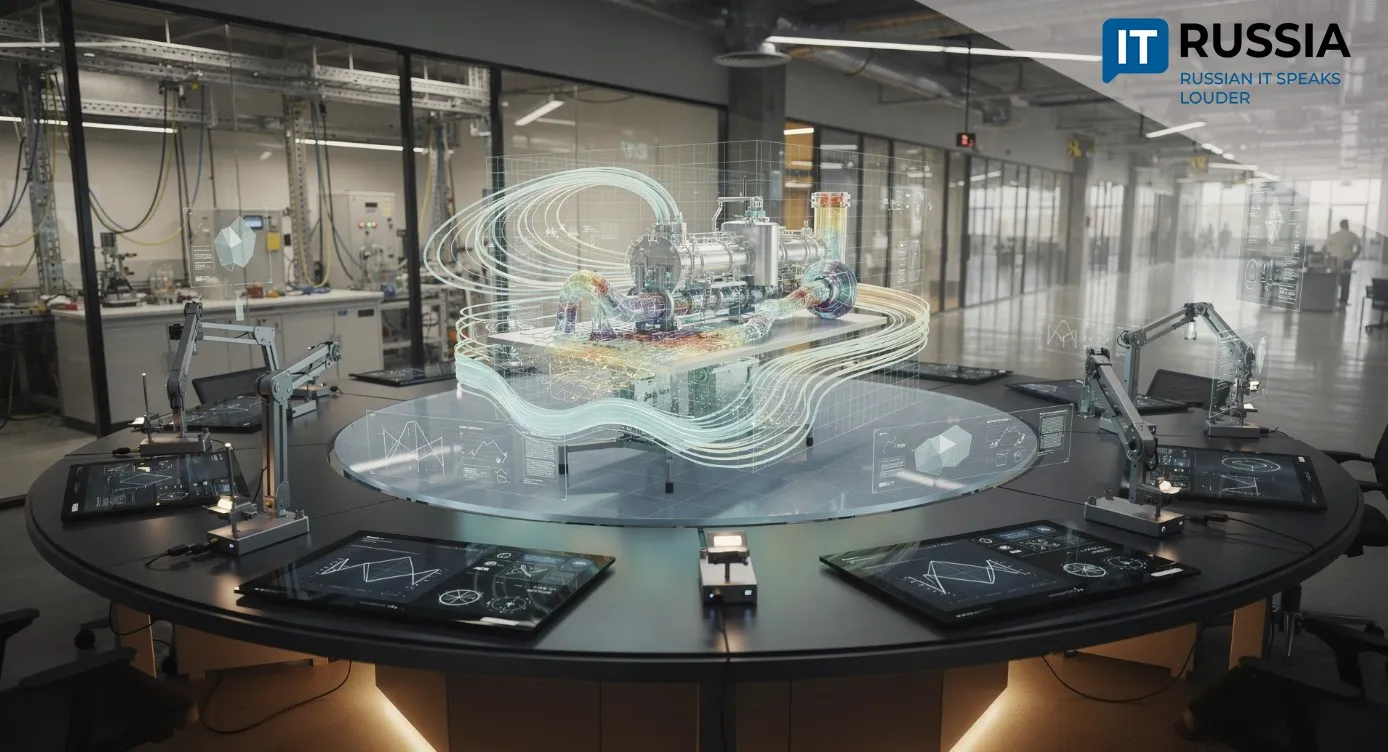
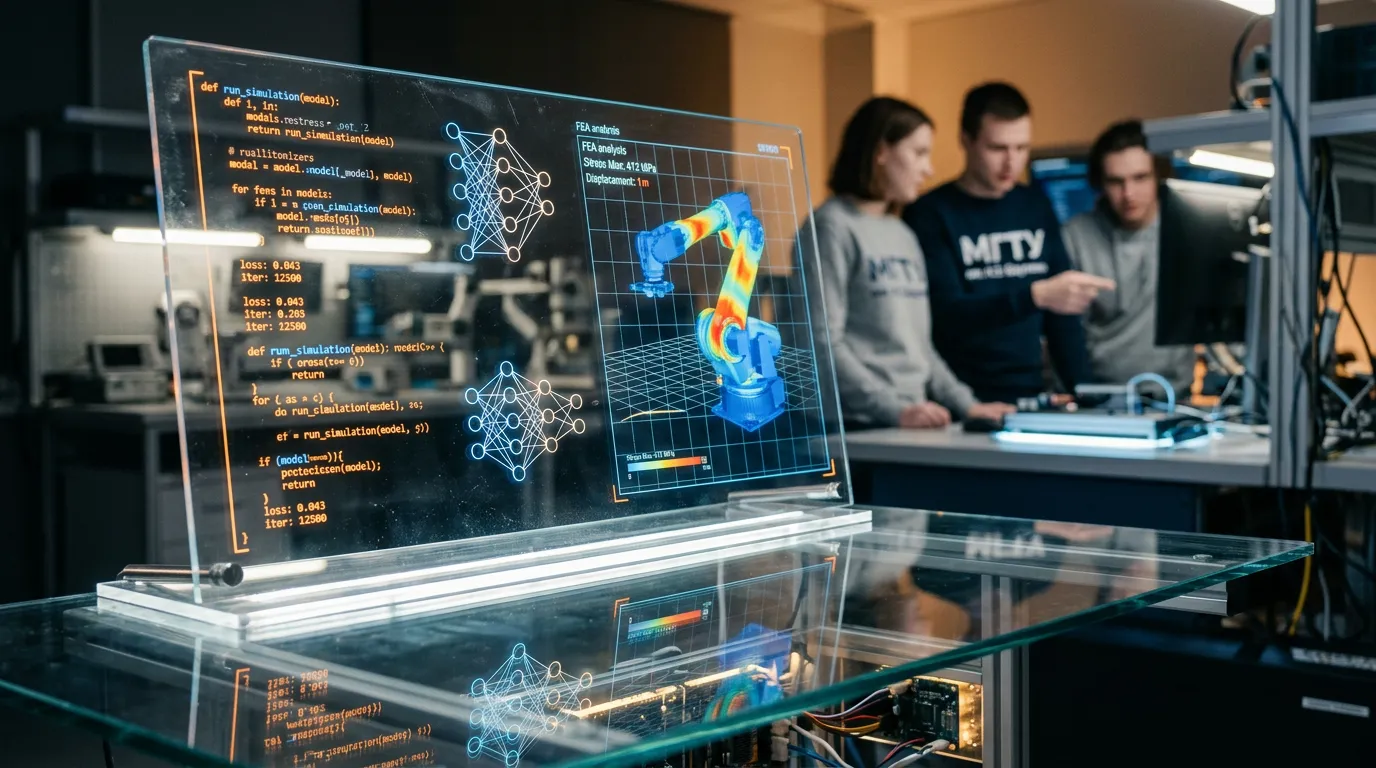
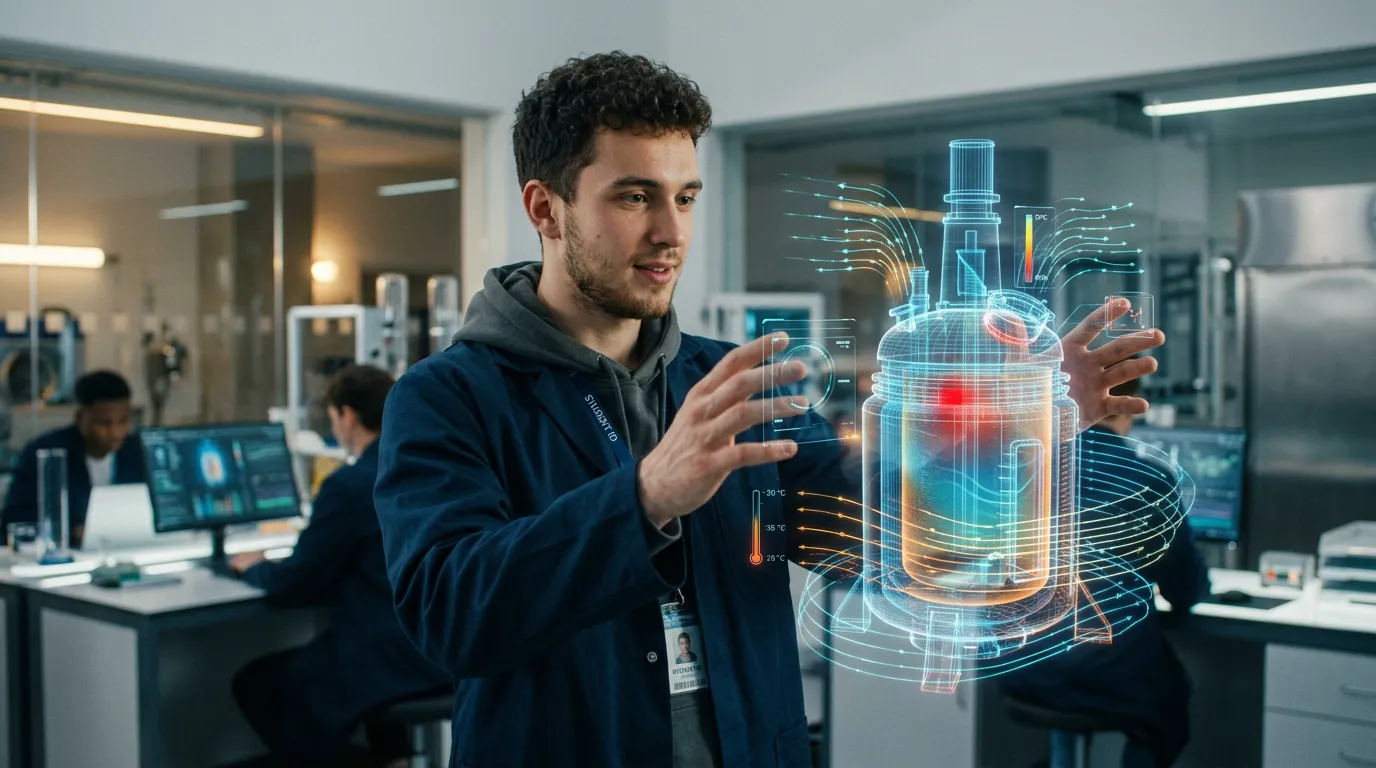
Designing a complex industrial unit, testing it under extreme operating conditions, launching a process, and identifying potential failures before they occur are all part of everyday work in the new IT laboratory established by Gazprom Neft and St. Petersburg State Technological Institute (SPbGTI). Students do more than study there. They build virtual replicas of large-scale industrial facilities known as digital twins. They program models of equipment and production processes, then evaluate their performance under a wide range of operating conditions through comprehensive digital simulations. That approach dramatically accelerates research by shortening testing cycles and helping new technologies reach the market sooner. Simulations also allow engineers to assess technical risks in advance and identify optimal equipment settings while avoiding costly mistakes in real production environments.
Where Innovation Takes Shape
Gazprom Neft has worked closely with higher education institutions for many years. St. Petersburg State Technological Institute is part of the company's University League, a network that brings together 49 universities across Russia and partner countries. Through this initiative, the company not only establishes specialized laboratories but also provides faculty development, equips classrooms with modern technology, and organizes internships and industry placements for thousands of students.
The new laboratory expands that collaboration. It will identify and prepare engineering developers with expertise in digital modeling technologies. Industry increasingly requires professionals who can work at the intersection of chemical engineering, data analytics, and software development.
Mikhail Reshetov, CEO of Gazprom Neft's Industrial Innovation Center, said the company's partnership with the institute spans multiple areas, from developing carbon-based products to building a pipeline of future engineering talent. He added that the new IT laboratory would strengthen ties between research and industry while giving students an opportunity to demonstrate their capabilities to potential employers through work on innovative projects.
What Should a Digital Twin Do?
For several years, digital twins have addressed not only educational challenges but also nationally significant technical and workforce needs. In 2022, researchers at Peter the Great St. Petersburg Polytechnic University developed digital twins for three types of compressor equipment, allowing students to study complex machinery without requiring direct access to operating installations. That same year, Russia launched the PiSh (Advanced Engineering Schools) federal project, establishing direct industry participation in engineering education as a national practice.
During 2023 and 2024, the Russian CML-Bench platform was deployed at Rosatom (State Atomic Energy Corporation Rosatom) enterprises. That implementation further demonstrated that domestically developed digital engineering tools can address the requirements of highly complex industrial operations, including simulation of furnaces used for radioactive waste vitrification.
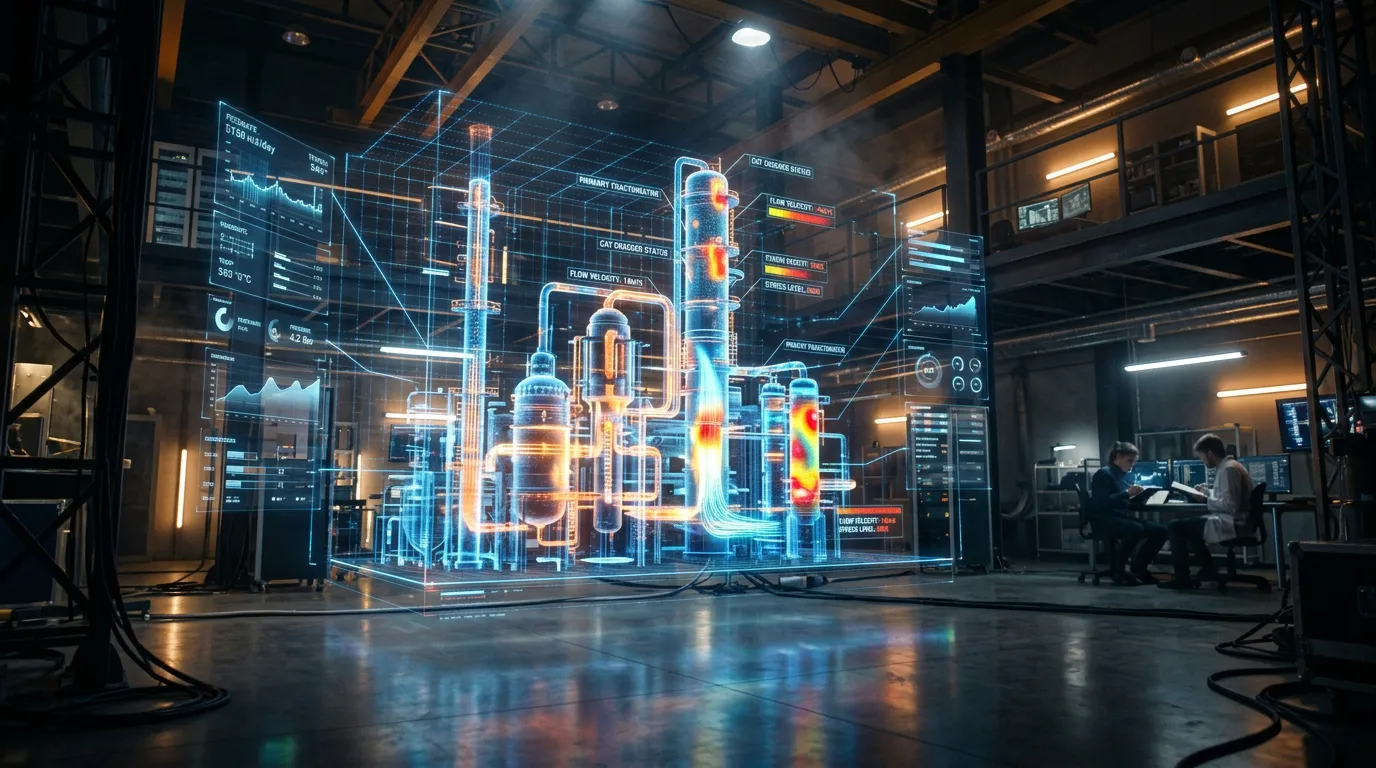
Gazprom Neft and the Polytechnic University later hosted the large-scale "Digital Twins" conference, bringing together more than 150 professionals from 30 companies. One of the conference's central ideas was that a digital twin is not a static model but a "living" system that continuously adapts, evolves, and learns. Participants also emphasized that artificial intelligence is essential for such systems to operate effectively.
Investing in Domestic Technologies
Beyond educational simulations, the laboratory is expected to take on research and engineering projects for Gazprom Neft. Those projects could include digital models of chemical processing units, reactors, and pipeline equipment. Its long-term success will depend on the use of Russian engineering software and the active involvement of students in real industrial projects.
Looking ahead, the laboratory could also export its methodologies and software modules. The most promising opportunities appear to be in BRICS countries and the Middle East, where petrochemical industries continue expanding. As Russian engineering standards become part of the list of standards recognized jointly with China, new opportunities are emerging for Russian digital engineering solutions in international markets.